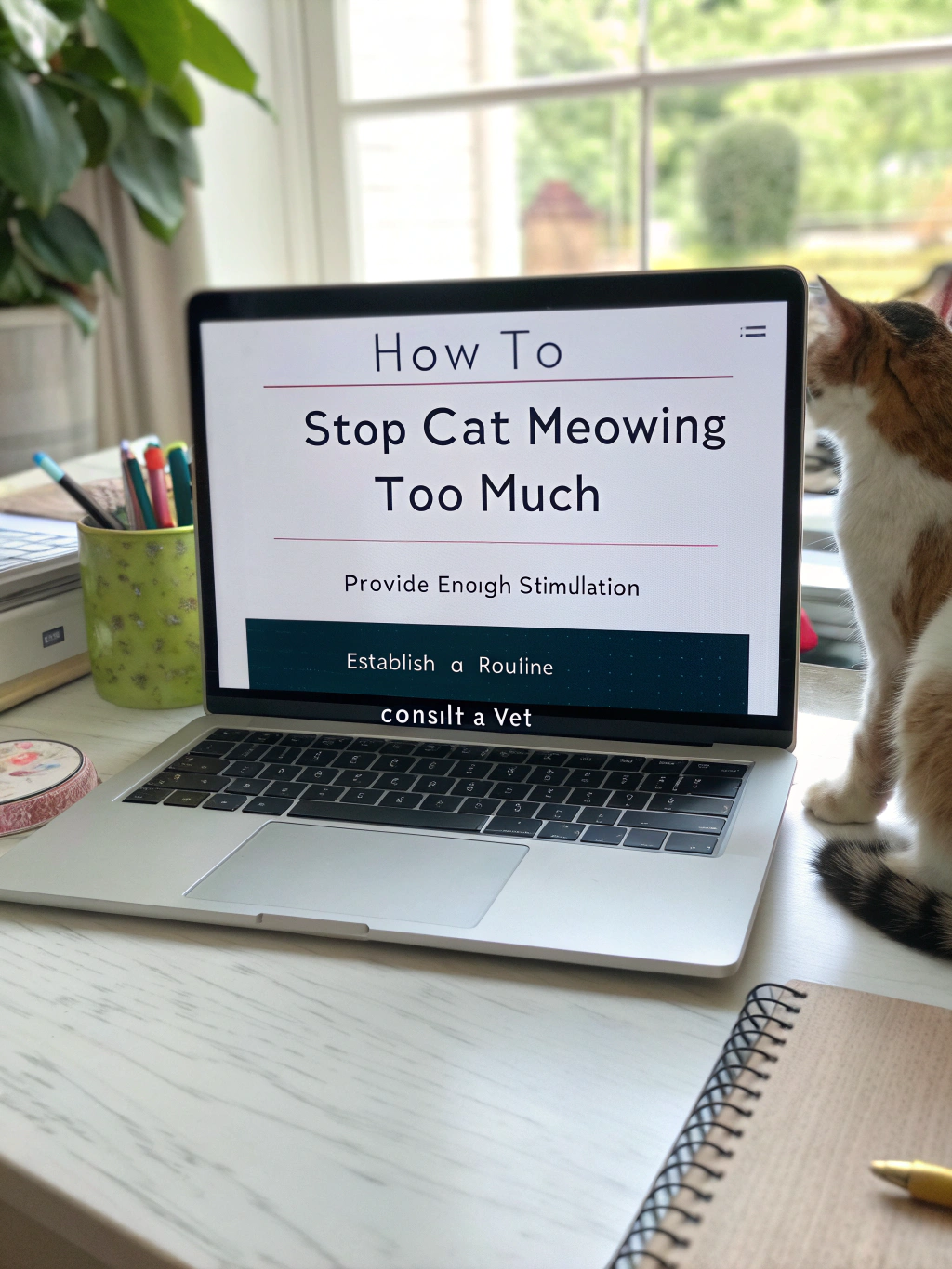
How to Stop Cat Meowing Too Much
How to Stop Cat Meowing Too Much
Table of Contents
Introduction
Did you know that cats can produce over 100 different vocal sounds, compared to dogs’ mere 10? While meowing is a natural form of feline communication, excessive vocalization can signal underlying issues ranging from medical problems to behavioral concerns. If your feline companion has transformed into a persistent chatterbox, you’re not alone—veterinary behaviorists report that How to stop cat meowing too much is among the top concerns for cat owners worldwide. Understanding why your cat vocalizes excessively and implementing evidence-based techniques can restore peace to your household while strengthening your bond with your furry friend. This comprehensive guide will walk you through proven strategies, essential supplies, and expert insights to address this common challenge effectively.
Cat Supplies & Essentials
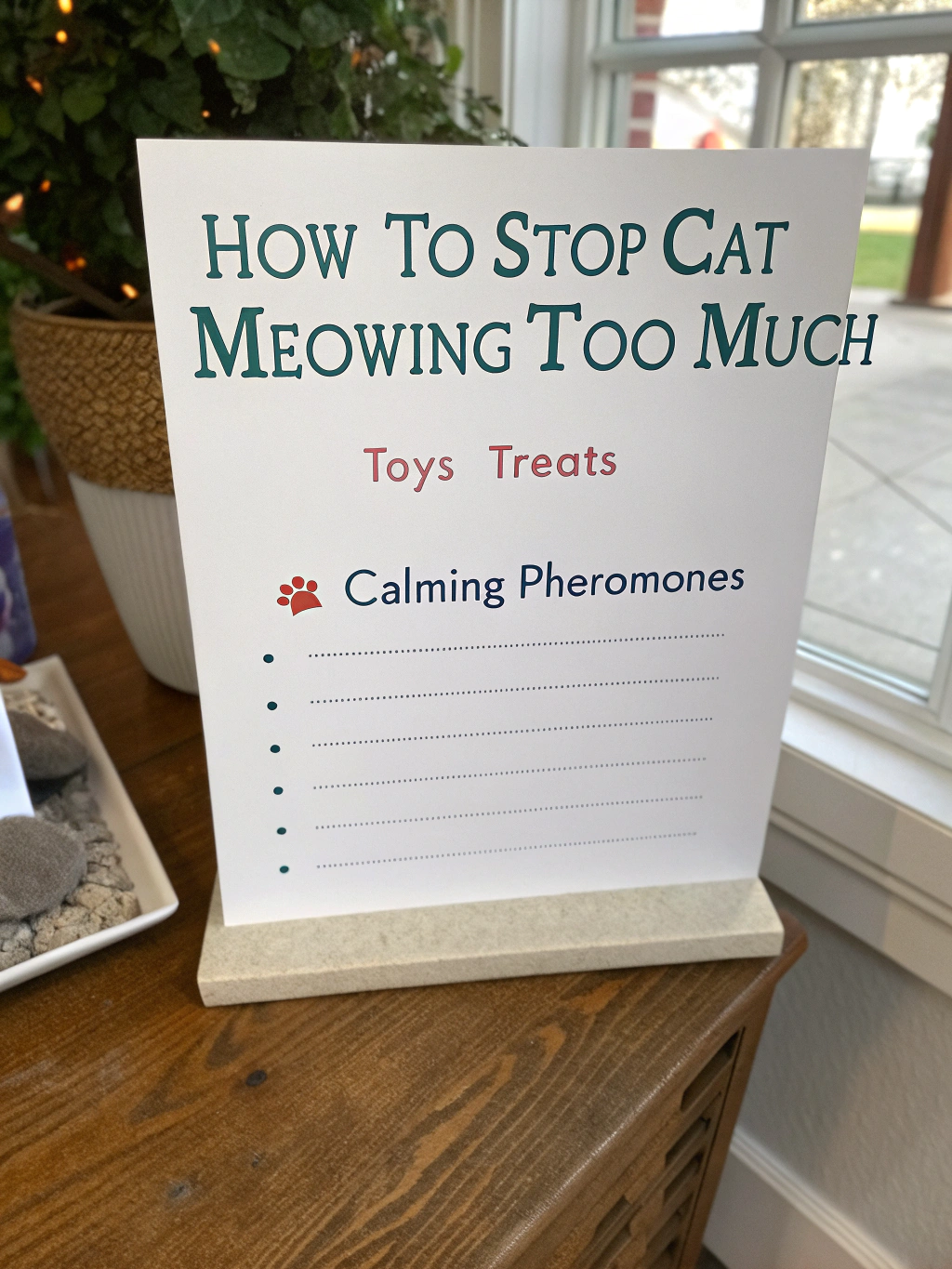
Addressing excessive meowing often requires the right tools and environmental enrichment. Here’s a curated list of essential supplies that can help manage your cat’s vocalization:
Interactive Toys: Puzzle feeders and motion-activated toys provide mental stimulation that redirects attention-seeking behavior. These items engage your cat’s natural hunting instincts and reduce boredom-induced meowing.
High-Quality Cat Food: Nutritionally complete diets prevent hunger-related vocalization. Look for age-appropriate formulas with balanced proteins and essential nutrients that keep your cat satisfied longer.
Comfortable Bedding: Plush beds or heated pads in quiet areas give your cat a secure retreat, reducing stress-related meowing. Place multiple beds throughout your home for accessibility.
Automated Water Fountains: Fresh, flowing water encourages hydration and provides sensory stimulation, potentially reducing anxiety that manifests as excessive vocalization.
Vertical Territory: Cat trees and wall-mounted shelves satisfy climbing instincts and create safe observation posts, addressing territorial meowing triggers.
Scratching Posts: Multiple posts in various textures prevent frustration that cats might express through vocalization.
Pheromone Diffusers: Synthetic calming pheromones like Feliway can reduce stress-induced meowing by creating a sense of familiarity and security.
Window Perches: Providing visual stimulation through supervised outdoor viewing reduces boredom without outdoor exposure risks.
Timeline / Progress Expectations
Understanding realistic timeframes helps set appropriate expectations when addressing Excessive meowing in cats:
Days 1-3: Begin implementing environmental changes and establishing new routines. Your cat may initially increase vocalization as they adjust to changes.
Week 1: Start seeing subtle behavioral shifts as your cat adapts to enrichment activities. Consistency in response patterns becomes crucial during this phase.
Weeks 2-4: Most cats show measurable improvement in excessive meowing if underlying causes are properly addressed. Medical issues should be ruled out by this point.
Months 2-3: Behavioral modifications become ingrained habits. Cats typically establish new communication patterns and respond predictably to environmental cues.
Long-term Maintenance: Ongoing enrichment and consistent responses maintain progress. Seasonal variations may require routine adjustments, particularly during breeding seasons for unspayed/unneutered cats.
Identify the Underlying Cause
Before implementing solutions, determine why your cat meows excessively. Common triggers include hunger, attention-seeking, medical conditions, stress, aging-related cognitive changes, or breeding behavior. Schedule a veterinary examination to rule out hyperthyroidism, kidney disease, hypertension, or pain-related issues that manifest as increased vocalization. Keep a meowing diary noting frequency, timing, and circumstances to identify patterns. This diagnostic approach ensures you address root causes rather than symptoms alone.
Establish Consistent Feeding Schedules
Hunger-related meowing responds well to structured meal times. Feed your cat at the same times daily using measured portions appropriate for their age, weight, and activity level. Consider splitting daily food allowances into 3-4 smaller meals to prevent hunger peaks. Use automated feeders for early morning meowing, conditioning your cat to anticipate food from the device rather than demanding it from you. Never reinforce meowing by providing food on demand—wait for quiet moments before feeding.
Increase Environmental Enrichment
Boredom significantly contributes to excessive vocalization. Rotate toys weekly to maintain novelty and engagement. Dedicate 15-20 minutes twice daily to interactive play sessions using wand toys that simulate prey movement. Create vertical territory with cat trees positioned near windows for visual stimulation. Introduce food puzzles that challenge your cat mentally while slowing consumption. Consider adopting a compatible companion if your cat shows signs of loneliness, particularly if you work long hours.
Implement Selective Attention
Attention-seeking meowing requires strategic response modification. Completely ignore vocalization—no eye contact, verbal responses, or physical interaction. Wait for 5-10 seconds of silence before providing attention, gradually increasing quiet duration requirements. Reward silent behavior with treats, play, or affection to reinforce preferred communication methods. This technique requires household-wide consistency; mixed messages prolong behavioral changes.
Create Nighttime Routines
Nocturnal meowing disrupts sleep and often stems from crepuscular activity patterns. Schedule intensive play sessions 1-2 hours before bedtime to exhaust your cat’s energy. Follow play with a substantial meal to induce post-meal drowsiness. Establish a dark, quiet sleeping environment and consider providing a nightlight if your senior cat shows signs of confusion. Close bedroom doors if necessary, using white noise machines to minimize auditory disturbances.
Health Benefits / Cat Advantages
Addressing excessive meowing provides multifaceted benefits beyond noise reduction. Mental enrichment through puzzle toys and play prevents cognitive decline, particularly in senior cats, reducing age-related confusion that manifests as nighttime vocalization. Structured feeding schedules regulate metabolism and prevent obesity-related health complications. Environmental modifications reducing stress lower cortisol levels, strengthening immune function and decreasing susceptibility to stress-induced illnesses like feline idiopathic cystitis. Interactive play maintains healthy weight, supports cardiovascular health, and strengthens the human-animal bond through positive engagement. Cats receiving adequate physical and mental stimulation exhibit fewer behavioral problems overall, including destructive scratching, aggression, and litter box avoidance.
Alternative Methods & Tips
For Small Spaces: Utilize vertical territory with wall-mounted shelves and ceiling-height cat trees. Window boxes provide outdoor views without requiring floor space.
For Multi-Cat Households: Ensure resources (litter boxes, food bowls, water stations) follow the “n+1 rule” (number of cats plus one) to reduce competition-related vocalization.
For Senior Cats: Accommodate declining mobility with ramps to favorite perches. Increase litter box accessibility and consider nightlights for vision changes.
For Budget-Conscious Owners: DIY enrichment includes cardboard box mazes, paper bag toys, and homemade puzzle feeders using muffin tins with treats hidden under tennis balls.
For Indoor-Outdoor Transitions: Gradually adjust routines using catio enclosures or harness training for supervised outdoor access, reducing demand meowing at doors.
Climate Considerations: In hot climates, ensure multiple water sources and cool resting areas. In cold regions, provide heated beds for comfort-seeking cats.
Common Mistakes to Avoid
Reinforcing Meowing Behavior: Responding to vocalization—even negatively—teaches that meowing achieves results. Complete ignoring is essential.
Inconsistent Household Responses: If one family member gives attention during meowing while others ignore it, training progress stalls.
Skipping Veterinary Evaluation: Medical conditions cause approximately 30% of excessive vocalization cases. Assuming behavioral causes without ruling out health issues delays appropriate treatment.
Punishment-Based Approaches: Yelling, spray bottles, or physical corrections increase stress and damage your relationship without addressing underlying causes.
Inadequate Exercise: Underestimating your cat’s need for physical and mental stimulation perpetuates boredom-induced vocalization.
Abrupt Routine Changes: Sudden environmental modifications increase stress. Gradual transitions prevent adjustment-related behavioral problems.
Overfeeding to Quiet Cats: Using food to silence meowing creates obesity risks and reinforces demanding behavior.
Storage & Maintenance Tips
Food Storage: Keep dry cat food in airtight containers in cool, dark locations to preserve nutritional value and prevent pest attraction. Refrigerate opened wet food up to 48 hours.
Litter Box Hygiene: Scoop boxes twice daily and completely change litter weekly. Deep clean boxes monthly with mild, unscented soap to prevent odor-related stress.
Toy Rotation: Maintain three toy sets rotated weekly to preserve novelty. Wash fabric toys monthly and inspect for damage that could pose choking hazards.
Water Station Maintenance: Clean fountains every 3-4 days to prevent biofilm buildup. Replace filters according to manufacturer recommendations.
Scratching Post Care: Vacuum or brush posts weekly to remove loose material. Replace worn posts showing minimal texture to maintain effectiveness.
Seasonal Deep Cleaning: Quarterly, wash all bedding, vacuum elevated perches, and inspect environmental enrichment items for wear requiring replacement.
Conclusion
Addressing excessive meowing requires patience, consistency, and a comprehensive understanding of feline behavior. By identifying underlying causes, implementing environmental enrichment, establishing consistent routines, and responding strategically to vocalization, you can significantly reduce unwanted meowing while improving your cat’s overall quality of life. Remember that behavioral changes require time—most cats show improvement within 2-4 weeks of consistent intervention. If excessive meowing persists despite implementing these strategies, consult with a veterinary behaviorist for personalized assessment and advanced intervention techniques. Your commitment to understanding and meeting your cat’s needs creates a harmonious household where communication happens through mutual respect rather than persistent vocalization.
Ready to transform your relationship with your chatty cat? Start implementing these evidence-based strategies today and share your progress in the comments below. For more insights on feline behavior and care, explore our comprehensive cat behavior guides.
FAQs
Why does my cat meow more at night?
Nocturnal meowing often results from your cat’s natural crepuscular activity patterns, which peak at dawn and dusk. Senior cats may experience cognitive dysfunction causing nighttime confusion. Address this through intensive evening play sessions, substantial bedtime meals, and maintaining consistent sleep environments. If your senior cat suddenly develops nighttime vocalization, schedule a veterinary examination to rule out medical conditions like hyperthyroidism or hypertension.
Is excessive meowing a sign of illness?
Yes, sudden increases in vocalization can indicate medical problems including hyperthyroidism, kidney disease, cognitive dysfunction, hypertension, or pain-related conditions. Cats naturally hide discomfort, making behavioral changes like increased meowing important diagnostic clues. If your cat’s vocalization patterns change significantly or occur alongside other symptoms like appetite changes, weight loss, or litter box issues, immediate veterinary evaluation is essential.
How long does it take to stop attention-seeking meowing?
With consistent application of selective attention techniques, most cats show measurable improvement within 2-3 weeks. Initially, meowing may temporarily increase—a phenomenon called “extinction burst”—before decreasing. Success requires every household member consistently ignoring vocalization and rewarding quiet behavior. Patience and absolute consistency determine timeline outcomes.
Can getting another cat reduce excessive meowing?
For cats meowing from loneliness, a compatible companion can significantly reduce vocalization. However, introducing incompatible cats increases stress and potentially worsens behavioral problems. Consider your cat’s personality, age, and socialization history before adding another pet. Gradual, proper introductions following veterinary behaviorist protocols maximize success rates.
Should I ignore all meowing from my cat?
No—distinguish between attention-seeking vocalization and communication about legitimate needs. Always respond to distress signals, litter box issues, or meowing near empty food bowls at scheduled feeding times. Ignore excessive, manipulative vocalization outside normal care routines. Understanding your individual cat’s communication patterns helps differentiate between needs and demands.