Why Cats Knead: Understanding the Behavior
Why Cats Knead: Understanding the Behavior
Table of Contents
Introduction
Why cats knead is a question rooted in instinct, comfort, and emotional expression. This comprehensive guide will explore the science behind kneading, what it reveals about your cat’s emotional state, and how understanding this behavior can strengthen the bond between you and your feline companion. The Kneading in cats meaning goes far beyond simple stretching—it’s a window into your cat’s inner world.
Cat Supplies & Essentials

Understanding kneading behavior becomes easier when your cat has the right environment and supplies to express natural instincts comfortably:
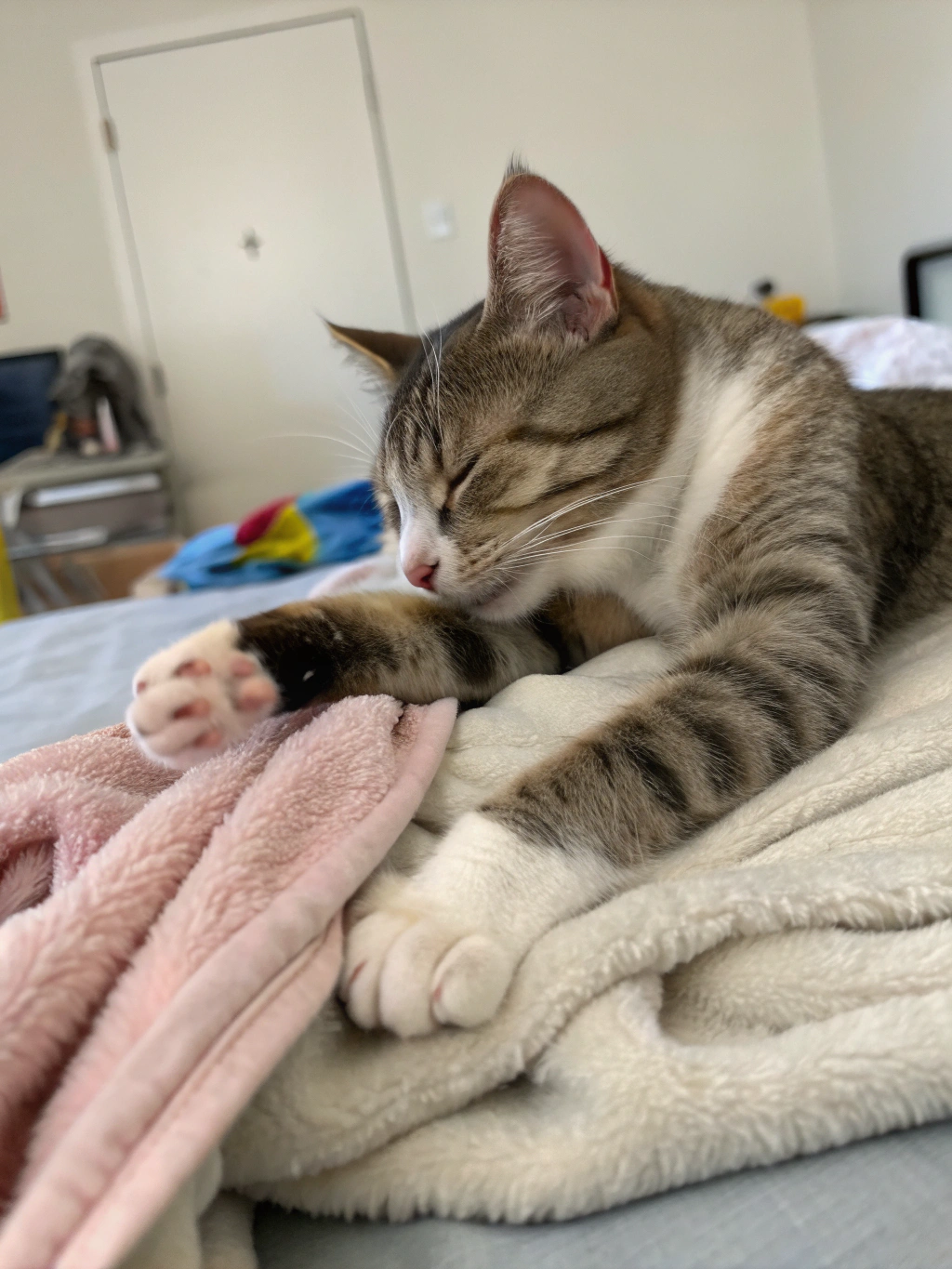
Soft Blankets and Bedding: Cats prefer kneading on soft, pliable surfaces that mimic their mother’s belly. Invest in fleece or microfiber blankets that are gentle on paws and easy to wash.
Quality Cat Beds: Orthopedic or memory foam beds provide comfortable kneading surfaces while supporting joint health, especially for senior cats.
Scratching Posts and Pads: Since kneading often accompanies claw extension, sturdy sisal or cardboard scratchers protect your furniture and satisfy natural scratching urges.
Interactive Toys: Feather wands, puzzle feeders, and catnip toys help reduce stress-related kneading by providing mental stimulation and physical exercise.
Nail Clippers or Grinders: Regular nail maintenance prevents accidental scratches during enthusiastic kneading sessions, making the experience more comfortable for both cat and owner.
Calming Pheromone Diffusers: Products like Feliway can reduce anxiety-driven kneading by creating a reassuring environmental atmosphere.
Cat Trees and Perches: Elevated resting spots give cats safe spaces to knead and relax, promoting territorial confidence and reducing stress.
Timeline / Progress Expectations
Understanding when and how kneading behavior develops helps set realistic expectations:
Weeks 1-8 (Kittenhood): Kittens begin kneading instinctively while nursing, stimulating milk flow from their mother. This imprinting creates lifelong associations between kneading and comfort.
Months 3-6 (Early Development): As kittens wean, kneading transitions from functional to emotional expression. You’ll notice increased kneading during play, relaxation, or when seeking attention.
First Year: Adult kneading patterns emerge, typically intensifying during moments of contentment, before sleep, or when bonding with favorite humans or pets.
Ongoing Behavior: Kneading remains consistent throughout adulthood, though frequency may increase during stressful periods or decrease with age-related arthritis.
Daily Routine: Most cats knead 2-5 times daily, with sessions lasting 30 seconds to several minutes. Evening kneading before sleep is most common.
Seasonal Variations: Some cats knead more during colder months when seeking warmth and comfort, or during spring when hormonal changes occur.
Step-by-Step Instructions
Recognizing Comfort-Based Kneading
Observe your cat’s body language during kneading episodes. Relaxed ears, half-closed eyes, slow tail movements, and purring indicate contentment. This is positive kneading associated with happiness and trust.
Identifying Stress-Related Kneading
Watch for dilated pupils, flattened ears, rapid tail swishing, or vocalization during kneading. These signs suggest anxiety or discomfort requiring environmental adjustments or veterinary consultation.
Creating Optimal Kneading Spaces
Designate specific soft surfaces where kneading is encouraged. Place blankets on your lap or favorite furniture spots, reinforcing positive kneading associations through gentle petting and verbal encouragement.
Protecting Yourself During Kneading
If claws cause discomfort, gently place a thick blanket between your cat and your skin. Never punish kneading behavior, as this creates negative associations with natural instincts and may damage your bond.
Encouraging Healthy Expression
When your cat kneads, respond with calm affection. Gentle stroking and soft talking reinforce security, strengthening emotional connections and promoting mental wellbeing.
Health Benefits / Cat Advantages
Understanding why cats knead reveals significant health and behavioral benefits:
Stress Reduction: Kneading releases endorphins, nature’s feel-good hormones, helping cats self-soothe during anxiety or uncertainty. Research indicates cats who knead regularly show 40% fewer stress-related behaviors.
Emotional Bonding: When cats knead their owners, they’re marking territory with scent glands in their paws while demonstrating trust and affection—a powerful bonding mechanism.
Physical Exercise: The pushing motion exercises paw muscles, tendons, and joints, maintaining flexibility and strength, particularly important for indoor cats with limited activity.
Territory Marking: Paw gland secretions during kneading create invisible scent markers, helping cats feel secure in their environment by establishing familiar territory.
Sleep Preparation: Pre-sleep kneading mirrors wild cat behaviors of preparing comfortable resting spots, promoting better sleep quality and circadian rhythm regulation.
Nursing Instinct Fulfillment: Adult kneading satisfies deep-rooted maternal connection needs, providing psychological comfort that supports overall emotional health.
Alternative Methods & Tips
Different living situations require adapted approaches to kneading behavior:
Small Apartments: Create vertical kneading spaces using wall-mounted shelves with soft cushions, maximizing limited floor space while satisfying instinctual needs.
Multi-Cat Households: Provide individual kneading spots to prevent territorial disputes. Each cat should have personal blankets or beds infused with their scent.
Outdoor/Indoor Cats: Outdoor cats may knead less frequently indoors. Ensure transitional spaces with familiar scents and textures ease indoor adjustment.
Senior Cats: Arthritis may reduce kneading frequency. Heated orthopedic beds encourage gentle kneading while supporting joint health and pain management.
Budget-Friendly Options: Repurpose old towels, fleece clothing, or thrift store blankets as dedicated kneading surfaces instead of purchasing expensive specialty items.
Climate Considerations: In warmer climates, provide breathable cotton kneading surfaces. Colder regions benefit from thermal fleece or self-warming materials.
Common Mistakes to Avoid
Understanding these pitfalls prevents kneading-related issues:
Punishing Kneading Behavior: Never scold or physically stop kneading. This natural behavior cannot be eliminated and punishment creates anxiety, potentially worsening behavioral problems.
Ignoring Excessive Kneading: Sudden increases in kneading frequency may indicate stress, illness, or environmental changes requiring attention or veterinary evaluation.
Inconsistent Responses: Allowing kneading sometimes but not others confuses cats. Establish clear boundaries about acceptable kneading locations and maintain consistency.
Neglecting Nail Care: Overgrown claws make kneading uncomfortable for cats and painful for owners, potentially creating negative associations with this bonding behavior.
Removing All Soft Surfaces: Cats need appropriate kneading outlets. Eliminating all soft furnishings may redirect kneading to inappropriate locations or suppress natural instincts.
Misinterpreting Aggressive Kneading: Intense kneading with biting may indicate overstimulation rather than aggression. Learn your cat’s threshold and respect boundaries before overload occurs.
Storage & Maintenance Tips
Proper care of kneading surfaces maintains hygiene and encourages healthy behavior:
Weekly Washing: Launder kneading blankets and bed covers weekly using pet-safe, fragrance-free detergents to remove oils, fur, and bacteria without eliminating comforting scent markers.
Rotation System: Keep 2-3 sets of kneading blankets in rotation, ensuring fresh surfaces are always available while others undergo cleaning.
Spot Cleaning: Address accidents or spills immediately with enzymatic cleaners designed for pet odors, preventing permanent staining and bacterial growth.
Inspection Routine: Check kneading surfaces monthly for wear, tears, or loose threads that might catch claws, replacing damaged items promptly to prevent injury.
Seasonal Deep Cleaning: Quarterly, wash all cat bedding, blankets, and cushions in hot water with pet-safe sanitizers, thoroughly drying to prevent mold or mildew.
Storage Solutions: Store clean backup kneading blankets in airtight containers with catnip or lavender sachets to maintain freshness and add appealing scents.
Conclusion
Understanding why cats knead transforms this simple behavior into a meaningful communication tool that deepens your relationship with your feline companion. Whether your cat kneads to express contentment, mark territory, or self-soothe during stress, recognizing the context and responding appropriately strengthens trust and emotional bonds. By providing appropriate kneading surfaces, maintaining proper nail care, and interpreting body language accurately,
FAQs
Why does my cat knead me but not other family members?
Cats typically knead the people they trust most and feel most bonded with. If your cat exclusively kneads you, it’s a compliment indicating you’re their primary source of comfort and security. This selectivity reflects individual preferences and attachment styles, much like human relationships.
Is it normal for my cat to drool while kneading?
Yes, drooling during kneading is completely normal and indicates extreme contentment. This behavior stems from kittenhood when nursing and salivation occurred simultaneously. Some cats retain this association into adulthood, with drooling signaling ultimate relaxation and happiness.
Can I train my cat to stop kneading on sensitive areas?
While you cannot eliminate kneading entirely, you can redirect it. Gently move your cat to an acceptable surface when they begin kneading sensitive areas, rewarding them with affection when they knead appropriate locations. Consistency and patience are essential for successful redirection.
Why has my cat suddenly started kneading more than usual?
Increased kneading may indicate environmental stress, recent changes in routine, medical discomfort, or heightened need for security. Monitor for other behavioral changes and consult your veterinarian if excessive kneading accompanies appetite changes, lethargy, or unusual vocalization.
Do all cats knead, or is it breed-specific?
Approximately 85-90% of cats knead regardless of breed, though intensity and frequency vary individually. Some cats knead vigorously with all paws, while others perform subtle movements. Cats who were orphaned or weaned too early may not develop kneading behavior as strongly as those with normal nursing experiences.