indoor cat care tips : Essential Tips for a Healthy Indoor Life
indoor cat care tips : Essential Tips for a Healthy Indoor Life
Table of Contents
Are you wondering how to give your indoor feline friend the best possible life? Indoor cats live longer, safer lives than their outdoor counterparts, but they require special attention to thrive in a confined environment. Creating an enriching indoor cat care tips means understanding their unique needs for physical activity, mental stimulation, and proper healthcare. With approximately 60% of pet cats living exclusively indoors, knowing how to provide optimal care is essential for any cat parent committed to their pet’s wellbeing.
Cat Supplies & Essentials

Creating a cat-friendly home requires specific supplies:
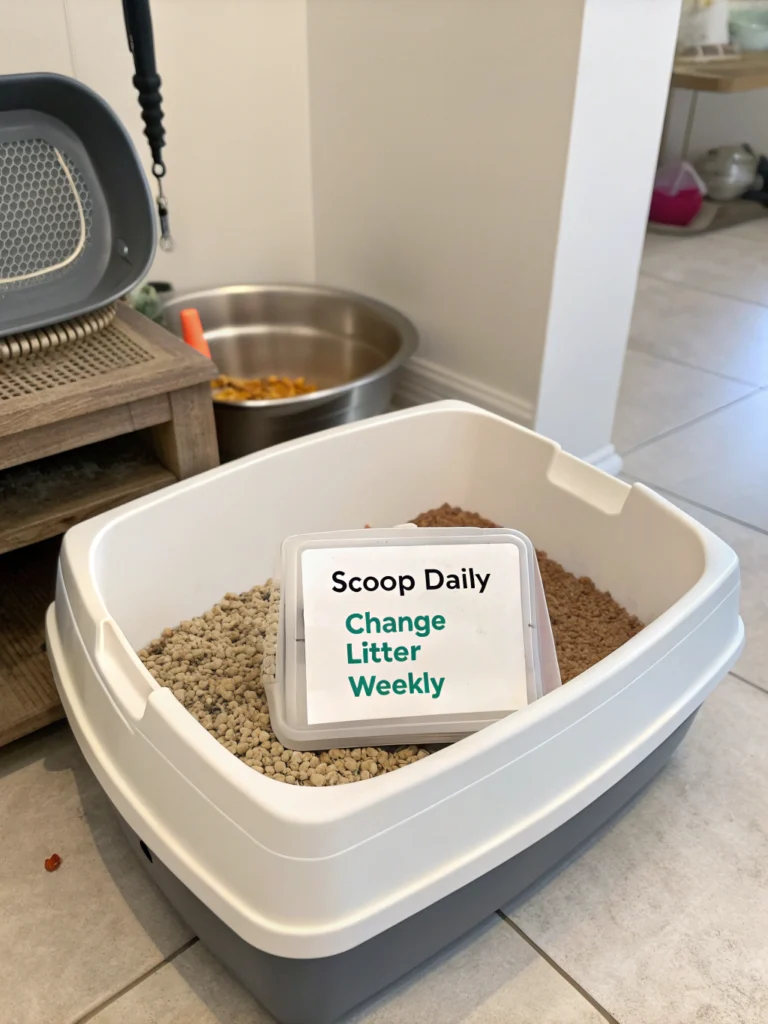
- Litter box: Essential item with one box per cat plus one extra, placed in quiet locations
- Cat food: Essential high-quality food appropriate for your cat’s age and health needs
- Toys: Essential for mental stimulation and exercise; rotate regularly to maintain interest
- Grooming tools: Essential brushes appropriate for your cat’s coat type
- Scratching post: Essential to protect furniture and satisfy natural scratching instincts
- Treats: Optional but useful for training and occasional rewards
- Bed: Essential comfortable resting spots in quiet areas
- Brush: Essential for bonding and reducing hairballs through regular grooming
- Water fountain: Optional but beneficial for encouraging proper hydration
- Carrier: Essential for safe transportation to vet visits and emergencies
Timeline / Progress Expectations
Understanding the timeline of your cat’s development helps set realistic expectations:
- Behavior improvement: Typically takes 2-4 weeks when implementing new training techniques
- Kitten learning: Litter box habits usually develop within 1-2 weeks; socialization is critical in first 12 weeks
- Diet changes: Introduce new foods gradually over 7-10 days to prevent digestive upset
- Daily schedule: Most cats benefit from 2-3 interactive play sessions daily, totaling 30-60 minutes
Consistency is key—establish regular feeding times and play sessions to create security and routine for your indoor cat lifestyle.
Step-by-Step Instructions

Teaching basic commands:
- Choose a simple command like “come” or “sit”
- Use treats as positive reinforcement
- Keep training sessions short (3-5 minutes)
- Practice daily for best results
- Never punish; always reward success
Changing food properly:
- Mix small amounts of new food with current food
- Gradually increase new food proportion over 7-10 days
- Monitor for any digestive issues
- Ensure fresh water is always available
Tip: Clicker training can be particularly effective for indoor cats and provides mental stimulation.
Health Benefits / Cat Advantages
Indoor cats benefit significantly from proper care:
- Regular play reduces obesity risk by up to 40%
- Environmental enrichment decreases behavioral problems by 70%
- Consistent healthcare leads to 2-3 times longer lifespan than outdoor cats
- Proper dental care reduces dental disease by up to 80%
- Mental stimulation decreases destructive behaviors like inappropriate scratching
Alternative Methods
- Small spaces: Vertical space is key—install wall shelves and cat trees
- Indoor/outdoor transition: Consider catios or supervised harness time
- Feeding options: Puzzle feeders slow consumption and provide mental challenge
- Toy selection: Match toys to hunting style (pounce, chase, or stalk)
- Budget enrichment: Cardboard boxes, paper bags, and homemade toys offer stimulation
Common Mistakes to Avoid
- Overfeeding or free-feeding, leading to obesity
- Insufficient litter boxes or infrequent cleaning
- Punishment-based training that damages trust
- Forcing interaction with shy cats rather than letting them approach
- Providing too many treats (should be less than 10% of daily calories)
- Monotonous environment lacking new stimuli and challenges
Maintenance Tips
- Clean litter boxes daily and change litter completely weekly
- Wash food and water dishes daily to prevent bacterial growth
- Store dry food in airtight containers to maintain freshness
- Establish a weekly toy cleaning routine to remove hair and dirt
- Vacuum frequently to reduce allergens and hairballs
Conclusion
Creating an enriching environment for your indoor cat requires thoughtful planning but yields tremendous rewards in your pet’s health, happiness, and longevity. By implementing these indoor cat care tips, you’ll develop a stronger bond with your feline companion while ensuring they live their best life.
Have you found creative ways to enrich your cat’s indoor environment? Share your experiences in the comments below or explore our other articles on cat behavior and nutrition.
FAQs
How much should I play with my cat daily?
Most cats benefit from 15-30 minutes of interactive play, ideally split into 2-3 sessions throughout the day.
How do I know if my cat’s food is suitable?
Look for foods where meat is the first ingredient and monitor your cat’s weight, coat quality, and energy levels.
Why doesn’t my cat sleep at night?
Cats are crepuscular (most active at dawn and dusk). Evening play sessions can help reduce nighttime activity.
How can I reduce stress in my indoor cat?
Provide hiding spots, consistent routines, and pheromone diffusers like Feliway if needed.
What are the best toys for indoor cats?
Interactive toys that mimic prey movement, like wand toys with feathers or mice, typically engage cats most effectively.