Best Diet for Indoor Cats: What They Really Need
Best Diet for Indoor Cats: What They Really Need
Table of Contents
Are you wondering if your indoor feline friend is getting the nutrition they need? Indoor cats have specific dietary requirements that differ significantly from their outdoor counterparts. With limited exercise and different energy needs, providing the best diet for indoor cats isn’t just about keeping them fed—it’s about ensuring their long-term health, preventing obesity, and supporting their overall wellbeing. Let’s explore what your indoor companion truly needs to thrive.
Cat Supplies & Essentials
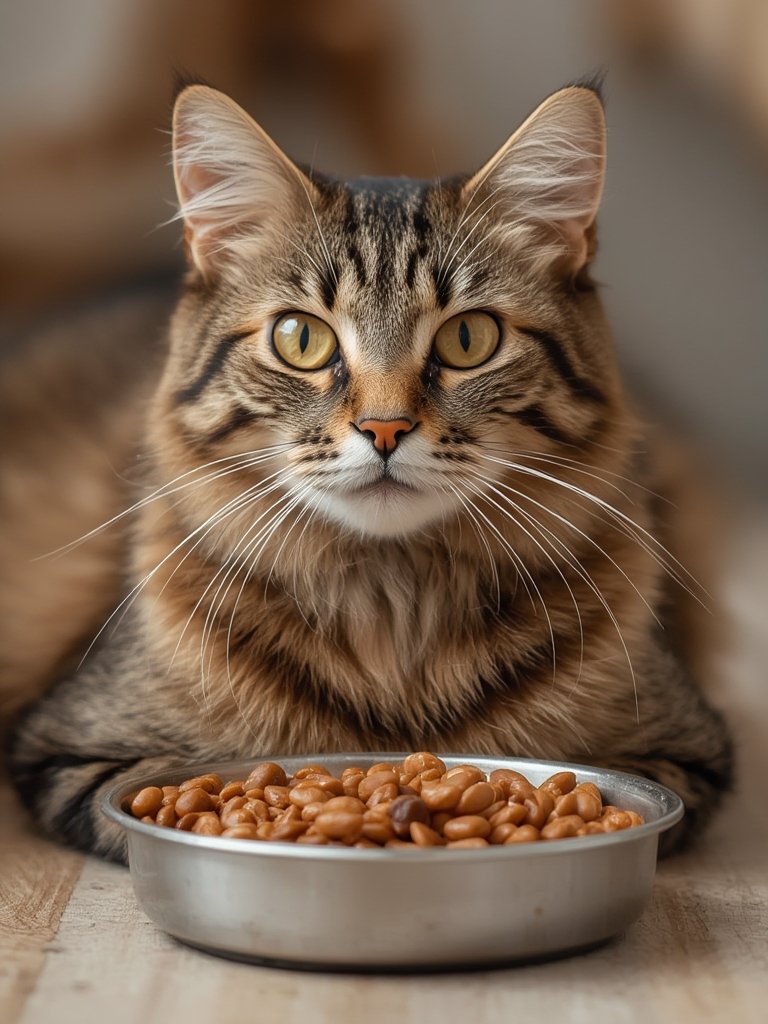
When focusing on your cat’s diet, you’ll need these essential items:
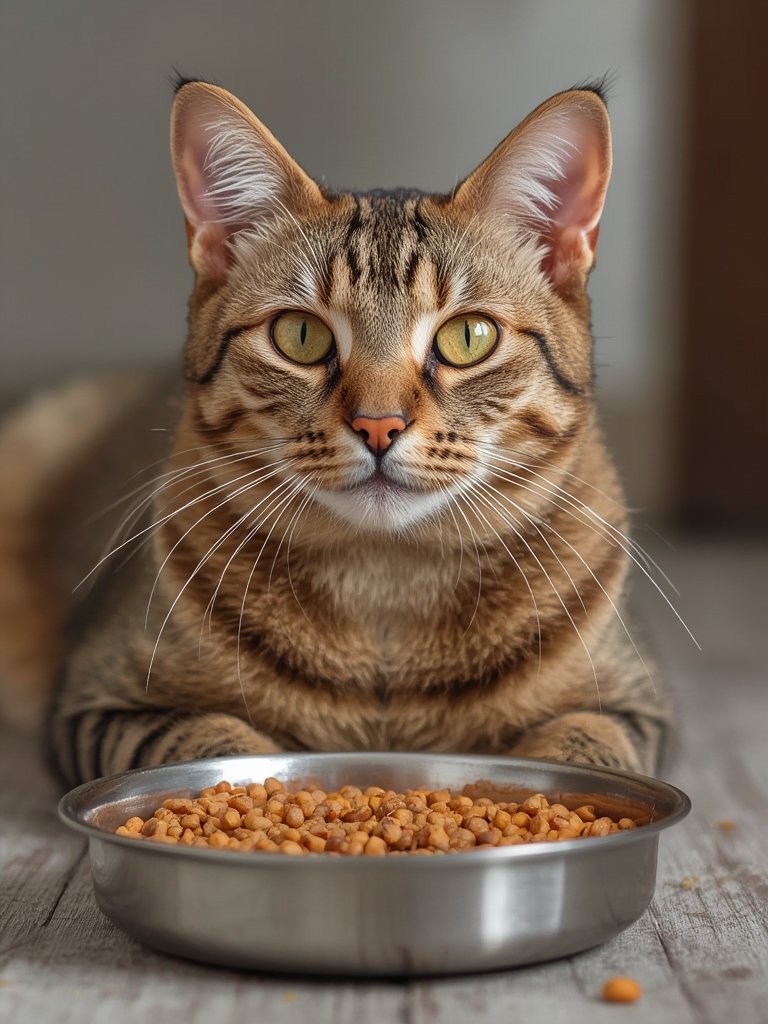
- Cat food: The cornerstone of indoor cat nutrition. Look for formulations specifically designed for indoor cats.
- Water fountain: Essential for encouraging proper hydration, especially for cats on dry food diets.
- Food bowls: Preferably shallow, wide dishes that don’t irritate whiskers.
- Treats: Optional but useful for training; choose low-calorie options.
- Litter box: Essential for bathroom needs; clean regularly to encourage good eating habits.
- Toys: Essential for exercise which supports digestive health.
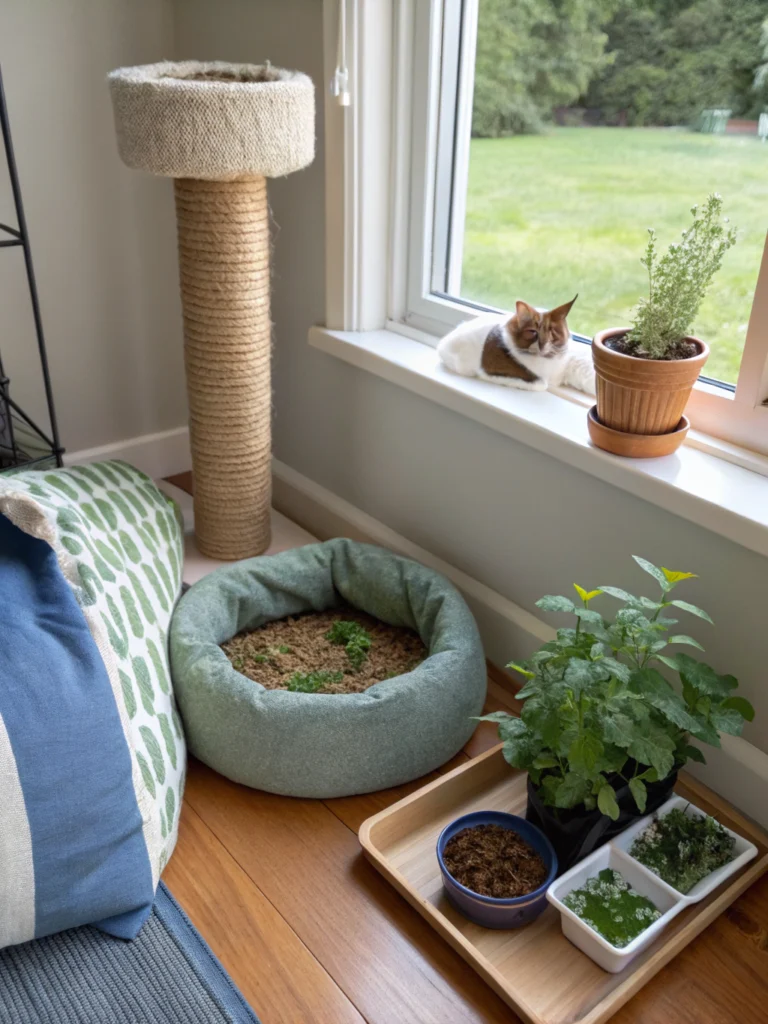
- Scratching post: Necessary for claw maintenance and stretching.
- Bed: Provides a comfortable resting place between meals.
- Brush: Essential for grooming, helping prevent hairballs that can affect digestion.
- Carrier: Necessary for veterinary visits to monitor weight and health.
Timeline / Progress Expectations
When adjusting your indoor cat’s diet, patience is key:
- Diet transition: Allow 7-10 days when switching foods to prevent digestive upset
- Weight loss: Expect only 1-2% body weight loss per week if your cat needs to slim down
- Feeding schedule: Most indoor cats adapt to a routine within 1-2 weeks
- Noticeable improvements: Energy levels often change within 2-3 weeks of diet improvement
- Health indicators: Coat quality improvements typically appear after 4-6 weeks on a balanced diet
Step-by-Step Instructions
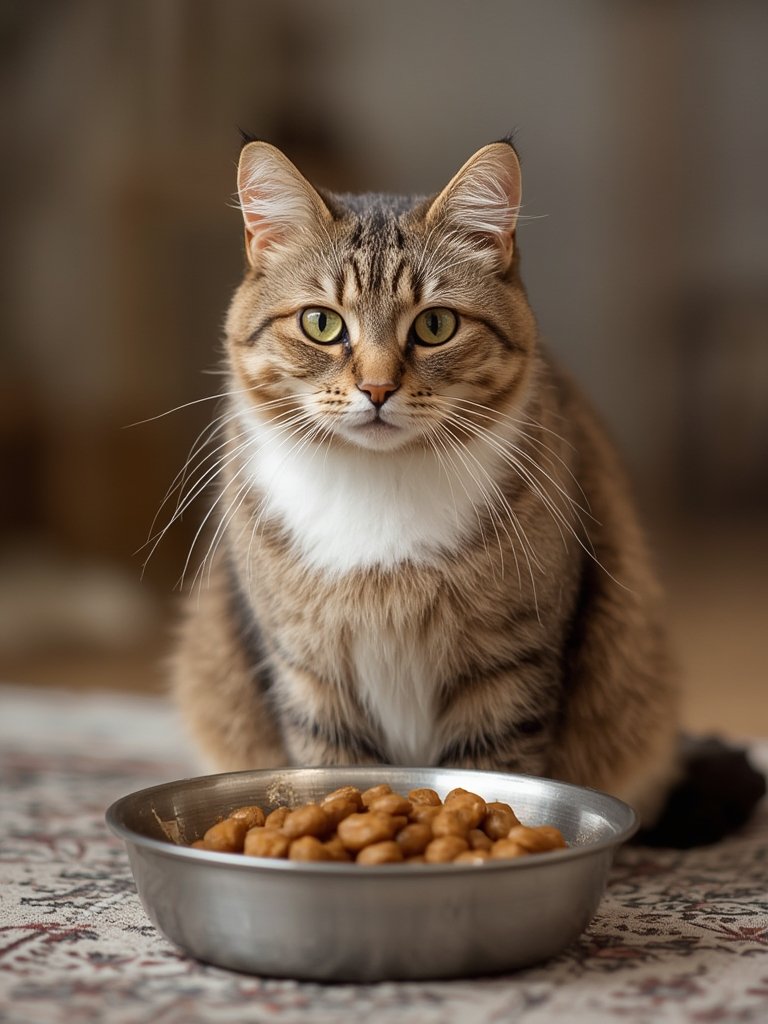
Assess your cat’s needs
- Consider age, weight, and activity level
- Consult your veterinarian for specific recommendations
- Tip: Take photos to track physical changes over time
Choose the right food type
- Select between dry, wet, or mixed feeding
- Look for indoor-specific formulations with moderate calories
- Tip: Check for taurine content, essential for heart health
Establish proper portions
- Follow package guidelines but adjust based on your cat’s response
- Use a digital kitchen scale for accuracy
- Tip: Divide daily portions into multiple small meals
Transition gradually
- Mix old and new food, gradually increasing new food ratio
- Monitor stool quality during transitions
- Tip: Keep a food journal during transitions
Maintain consistency
- Feed at the same times daily
- Provide fresh water constantly
- Tip: Use puzzle feeders to slow eating and provide mental stimulation
Health Benefits / Cat Advantages
Optimizing your indoor cat’s diet provides numerous benefits:
- Weight management: Prevents obesity-related conditions like diabetes
- Reduced hairballs: Proper nutrition supports healthy digestion and coat
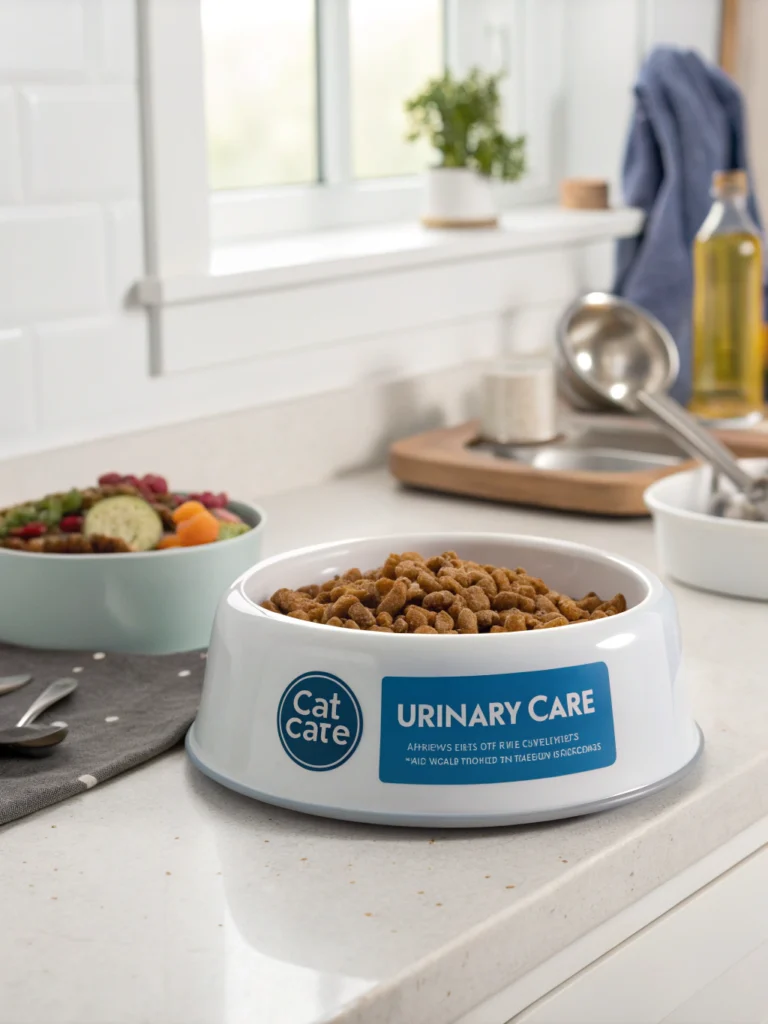
- Improved urinary health: Appropriate moisture content helps prevent crystals and stones
- Better energy levels: Balanced nutrition helps maintain playfulness and activity
- Extended lifespan: Quality nutrition can add years to your cat’s life
Tips, Alternative Methods
- Small space solutions: Vertical feeding stations save floor space while encouraging movement
- Budget-friendly options: Mix premium wet food with quality dry food to balance cost and nutrition
- Alternative feeding approaches: Try puzzle feeders or foraging toys to simulate hunting
- Special needs adaptations: Elevated dishes for seniors, special formulas for sensitive stomachs
- DIY food toppers: Add water, bone broth, or a sprinkle of nutritional yeast to enhance flavor
Common Mistakes to Avoid
- Free-feeding: Leaving food out constantly often leads to obesity
- Ignoring hydration: Dry-food-only diets may not provide sufficient moisture
- Overfeeding treats: These should comprise less than 10% of daily calories
- Sudden food changes: Abrupt switches can cause digestive upset
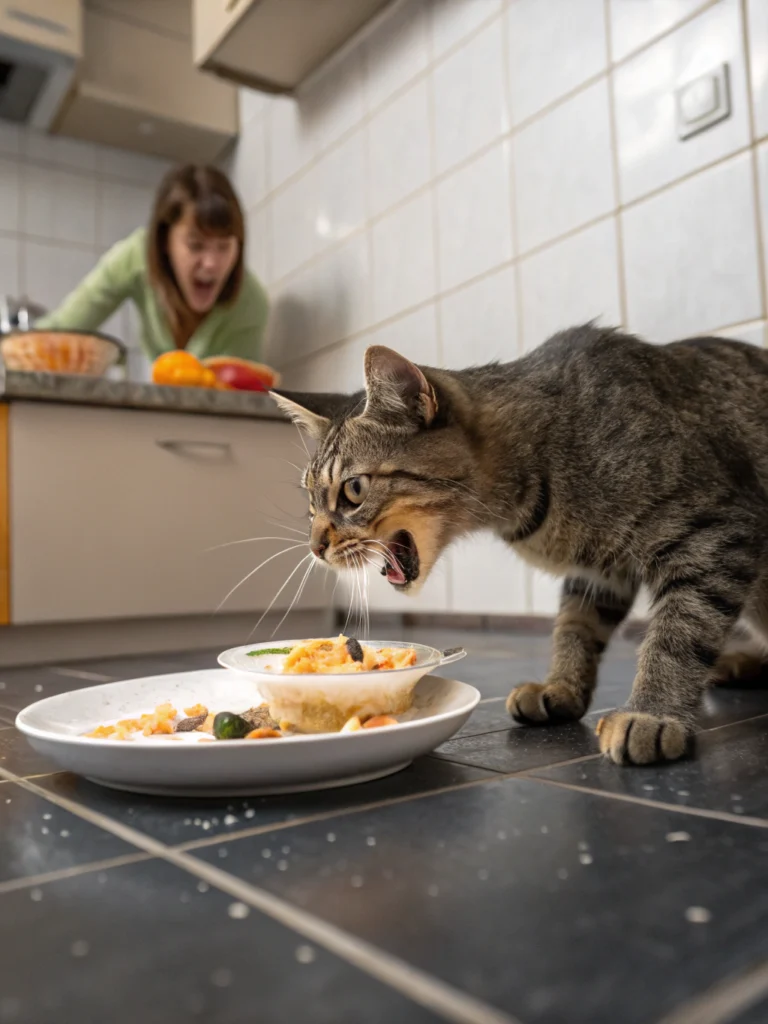
- Human food indulgence: Many human foods are toxic or nutritionally inappropriate
- Ignoring individual needs: Not all indoor cats thrive on the same diet
Storage / Maintenance Tips
- Proper food storage: Keep dry food in airtight containers in cool, dry places
- Wet food handling: Refrigerate unused portions and discard after 48 hours
- Bowl hygiene: Wash food and water dishes daily
- Measuring tools: Clean scoops and scales regularly
- Freshness monitoring: Check expiration dates and rotate stock
Conclusion
The best diet for indoor cats balances calories, nutrients, and hydration while considering their specific lifestyle needs. By understanding your cat’s unique requirements and implementing consistent feeding practices, you’ll support their health for years to come. Remember that dietary needs change throughout your cat’s life, so regular veterinary consultations remain essential.
What changes have you noticed after improving your cat’s diet? Share your experiences in the comments below, and explore our other articles on feline health and happiness for more insights into caring for your indoor companion.
FAQs
How much should I feed my indoor cat daily?
Most indoor cats need 20-30 calories per pound of body weight daily, but consult your veterinarian for personalized guidance.
Is wet food better than dry food for indoor cats?
Wet food provides beneficial moisture and often fewer carbohydrates, making it advantageous for many indoor cats.
How can I tell if my cat is overweight?
You should be able to feel your cat’s ribs without pressing hard, and see a waist when viewing from above.
Should indoor cats eat differently than outdoor cats?
Yes, indoor cats typically need fewer calories and more fiber than outdoor cats due to lower activity levels.
How often should I feed my indoor cat?
Most adult cats do well with 2-3 small meals daily, while kittens require more frequent feeding.