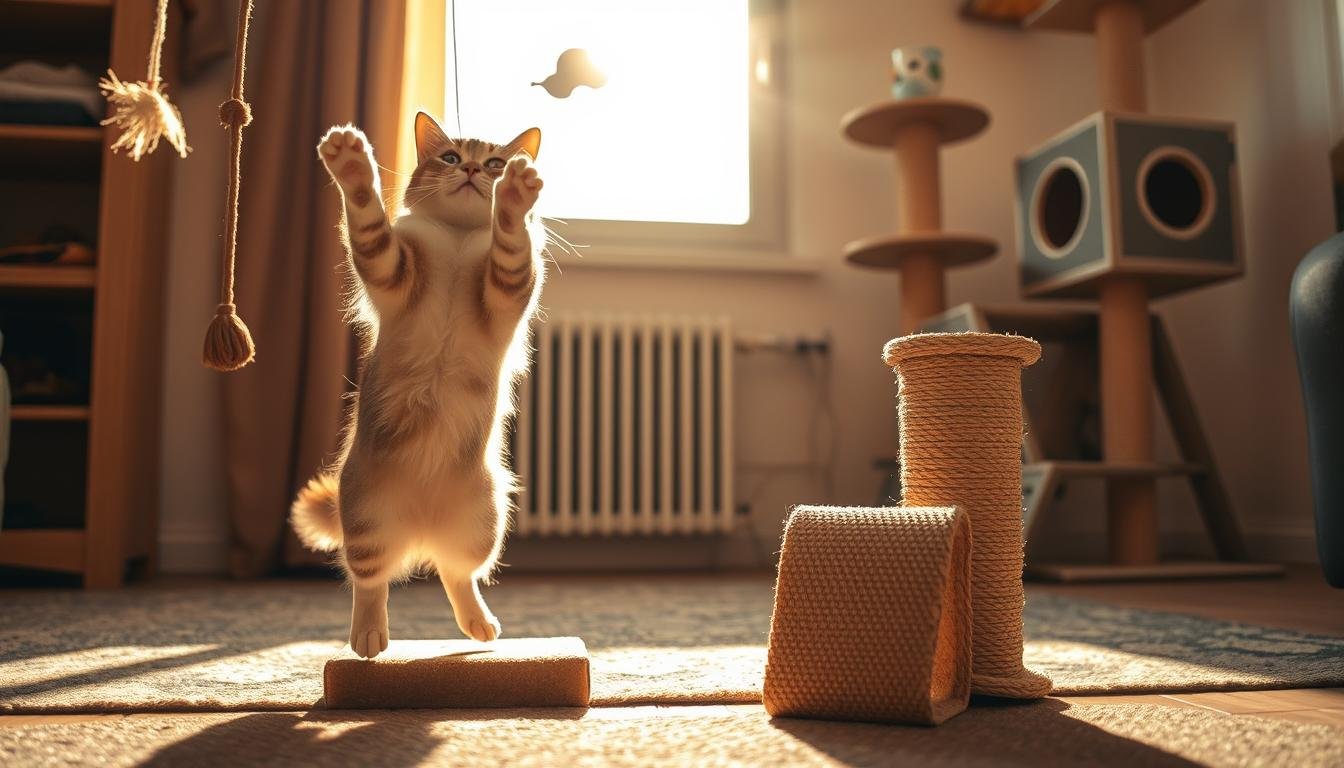
indoor cat exercise ideas to Enrich Your Kitty’s Life
indoor cat exercise ideas to Enrich Your Kitty’s Life
Table of Contents
Welcome to your complete guide for keeping your feline friend active and healthy! Many people keep their pets indoors for safety, but this can lead to a sedentary lifestyle. Without proper movement, your companion may develop serious health issues over time.
Regular physical activity is crucial for your pet’s wellbeing. When your furry friend moves regularly, they maintain a healthy weight and get mental stimulation. This prevents problems like heart disease and diabetes that often affect overweight animals.
Being at a healthy weight means better breathing and less stress on joints. It also greatly improves your companion’s quality of life and life expectancy. The good news is that you don’t need expensive equipment or complicated routines.
This guide will show you creative ways to keep your pet moving using items you already have around your home. Whether you have a playful kitten or a calm senior, you’ll find suitable activities for every energy level.
Key Takeaways
- Regular movement helps prevent serious health conditions in indoor pets
- Physical activity provides both physical and mental benefits for your feline companion
- Maintaining a healthy weight improves your pet’s quality of life and longevity
- Many effective workout solutions use everyday household items
- Activities can be tailored to suit pets of all ages and energy levels
- Simple, creative approaches often work better than expensive equipment
- Consistent movement routines lead to noticeable improvements in health and behavior
Understanding Your Cat’s Need for Indoor Exercise
To design activities your furry friend will truly enjoy, begin by learning about their biological patterns. Understanding these natural rhythms helps you create movement sessions that match their energy levels.
The Importance of Daily Activity for Felines
Your companion’s body is designed for short, intense bursts of movement. Unlike dogs who have endurance, felines work in powerful sprints followed by rest. This is the way their systems naturally function.
Regular physical activity provides crucial mental stimulation. It prevents behavioral problems and keeps your pet emotionally balanced. Weight gain can lead to serious health issues like heart disease and breathing difficulties.
Recognizing Natural Energy and Play Patterns
Cats are crepuscular creatures, meaning they’re most active at dawn and dusk. Scheduling movement sessions around these times can help keep your pet more engaged. They love chasing, pouncing, and sudden energetic bursts.
A good starting point is two 15-20 minute sessions daily. Watch for when your feline is naturally playful versus bored. This timing makes your efforts more effective.
Once you understand these patterns, you can create a sustainable routine. It works for both you and your furry companion.
Innovative Indoor Cat Exercise Ideas for a Healthy Kitty
Unleash your pet’s natural instincts with creative play that promotes physical activity. You can turn ordinary items into sources of endless fun.
Interactive Toys, Puzzle Feeders, and Laser Pointers
Specially designed items encourage your furry friend to move. Electronic options like SmartyKat Hidden Hijinks provide high-energy engagement.
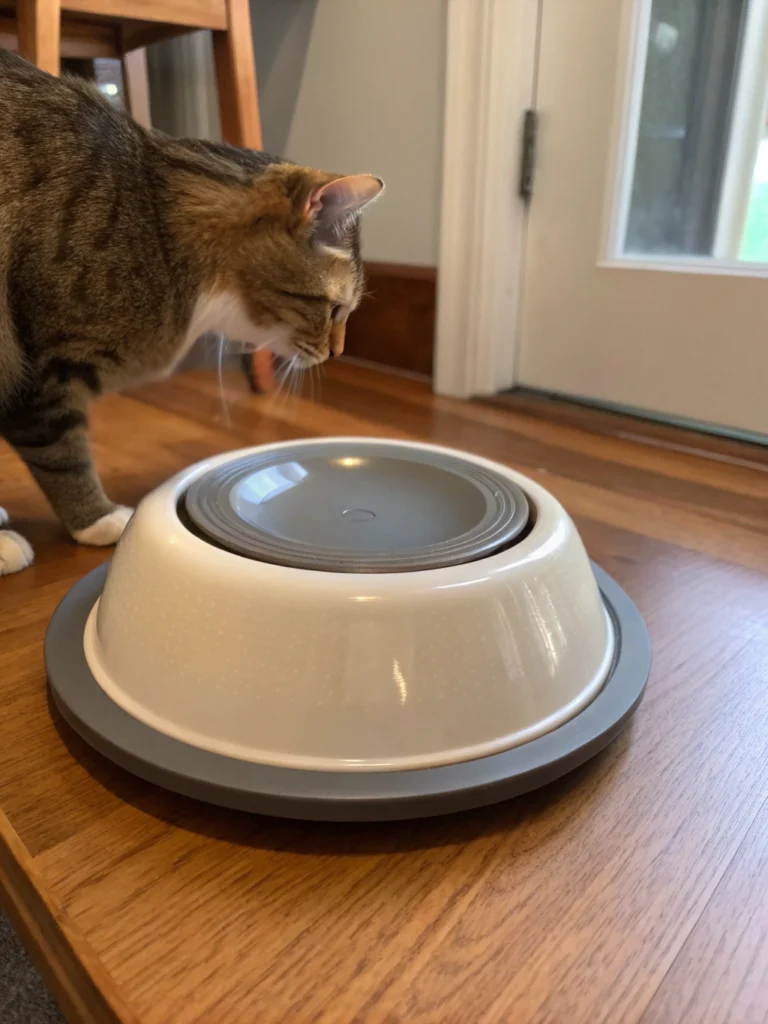
Puzzle feeders are a dual-purpose tool. They make your companion work for their food, slowing down eating for better digestion.
Laser pointers tap into the natural urge to chase. Always end a session by letting your pet “catch” a physical toy to prevent frustration.
Even a simple cardboard box can provide hours of entertainment. It’s an inexpensive way to spark curiosity and movement.
| Toy Type | Primary Benefit | Example Product |
|---|---|---|
| Electronic Toy | High-energy, independent play | SmartyKat Hidden Hijinks |
| Puzzle Feeder | Mental stimulation & portion control | Cat Amazing Sliders |
| Laser Pointer | Triggers chasing instinct | Various Red Dot Pointers |
| DIY Cardboard | Cost-effective enrichment | Simple Empty Box |
Creating a Routine That Sparks Interest
Consistency helps your pet adapt. Schedule activity for times they are naturally most alert, like dawn and dusk.
Allow at least an hour before and after meals. This prevents digestive issues and makes play more effective.
Variety is crucial to maintain engagement. Switch up the games and toys regularly to keep things fresh and exciting.
Utilizing DIY Approaches like Empty Boxes and Cardboard
You don’t need to spend a lot. An empty box becomes a fortress for hiding and pouncing.
Cut holes in cardboard for your pet to explore. Place favorite treats inside to encourage investigation and movement.
This simple approach provides plenty of stimulation. It’s a great way to enrich your companion’s environment on a budget.
Designing a Playful Indoor Environment for Your Cat
Your home can become a stimulating environment that encourages natural movement throughout the day. Thoughtful design makes activity automatic rather than something you need to schedule.
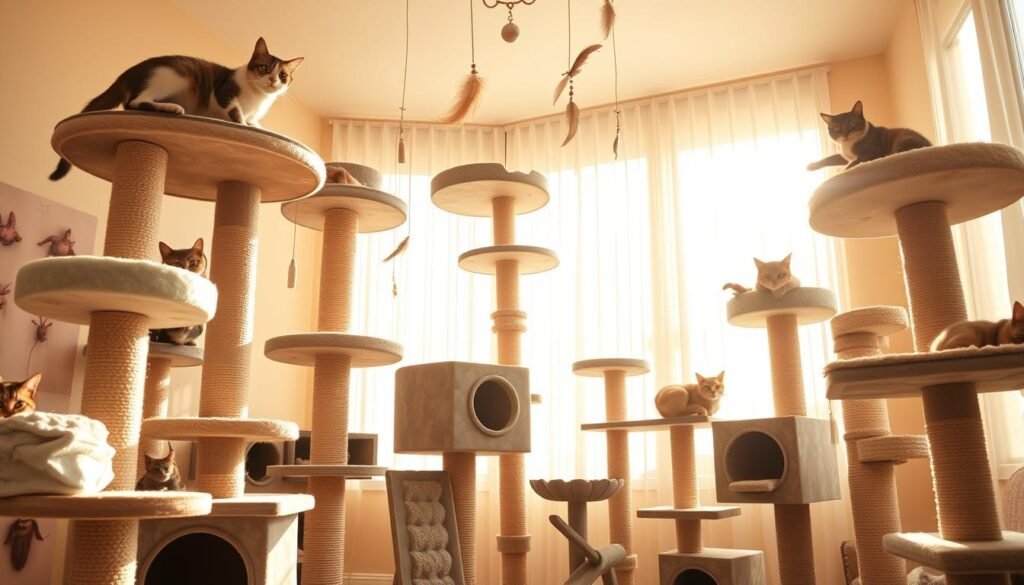
Setting Up a Kitty Recreation Center with Cat Trees and Catio Options
Start by creating multiple activity zones using items you already own. Bookshelves, side tables, and cleared spaces become perfect play areas. This approach doesn’t require expensive purchases.
Cat trees provide essential vertical territory for your feline companion. These structures offer elevated rest spots and climbing opportunities. Built-in scratching posts promote healthy natural behaviors.
Consider adding a catio for safe outdoor access. These enclosed spaces give your pet fresh air and sunlight without roaming risks. You can purchase pre-made options or build your own custom design.
Arrange furniture to create “highways” that encourage jumping and exploration. Window perches give cats ideal vantage points for observing their territory. This thoughtful layout supports natural movement patterns.
Begin with one or two modifications and expand based on what your individual pet enjoys most. A well-designed space keeps your companion engaged and active all day long.
Training and Engaging Your Cat Through Play
Taking your feline companion’s engagement to the next level requires interactive training methods that build on natural instincts. These activities provide mental stimulation while encouraging natural movement patterns.
Incorporating Leash Training, Tricks, and Treat-Based Games
Leash training opens new worlds for your pet. Start with a secure harness that fits properly and cannot be escaped. Practice indoors before venturing outside.
Always ensure your furry friend has current identification and flea prevention. Clicker training works wonders for teaching simple commands. Use treats as positive reinforcement for desired behaviors.
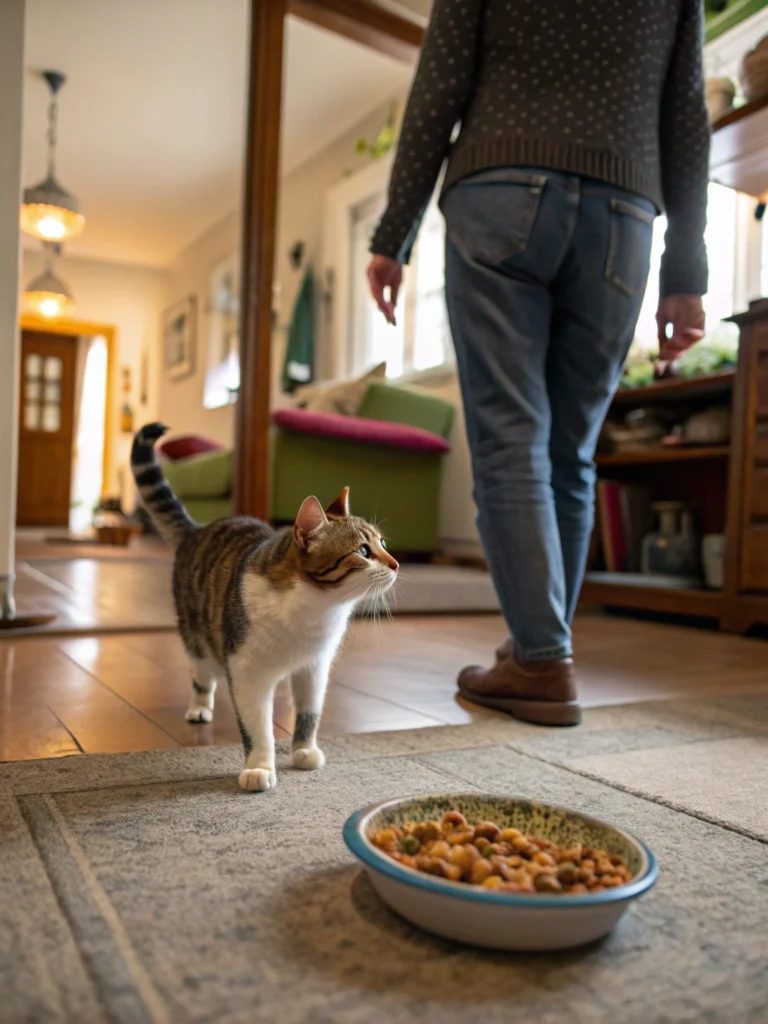
Hide treats around your home to stimulate natural hunting behaviors. This turns mealtime into an engaging activity that promotes movement.
Using Wand Toys and Teaser Games to Mimic Hunting
Wand toys create exciting chase sequences that tap into predatory instincts. Your companion can pounce and capture “prey” safely. These sessions provide excellent physical activity.
Always supervise play and put these toys away after use. Never use your hands during rough play to avoid scratches. Watch for signs of enjoyment like forward ears and eager participation.
Some pets enjoy chasing catnip-infused bubbles for variety. Keep sessions short and positive to maintain interest over time.
Tailoring Your Cat’s Routine to Maximize Health
Understanding how to adjust activity levels based on your companion’s age and energy makes a big difference. Every pet has unique needs that require personalized attention.
Modifying Play Sessions for Different Ages and Energy Levels
Younger felines have abundant energy that needs proper outlets. They may benefit from up to 10 short movement sessions daily. Each session should last about 10-15 minutes.
Older companions typically do well with two to three sessions per day. Always watch for signs of fatigue like heavy breathing. If this happens, let your companion rest immediately.
Not every animal needs the same approach. Some are naturally active and get plenty of movement on their own. Others may need encouragement to stay fit.
Schedule sessions around meal times for best results. This helps with digestion and makes activities more engaging. Keep sessions enjoyable and never force participation.
Monitor your companion’s response and adjust accordingly. The goal is sustainable fun that promotes wellbeing. Regular check-ins ensure the routine stays effective.
Conclusion
The bond you share with your furry friend grows stronger when you prioritize their wellbeing through engaging activities. Keeping your companion moving isn’t just about weight management—it’s about ensuring many healthy, happy years together.
While providing a safe home environment is crucial, balancing protection with plenty of stimulation makes all the difference. You now have a complete toolkit of creative approaches to keep things interesting.
Start with one or two activities that match your pet’s personality. Hide food around the house for hunting games or introduce new toys to maintain interest. The great way to build a routine is gradually, focusing on what your companion naturally enjoys.
Your effort will be rewarded with a vibrant, content friend who thrives alongside you. Bookmark this guide for fresh inspiration whenever you need it. Creating an active lifestyle is one of the most loving things you can do for your cherished companion.
FAQ
How can I make sure my feline friend gets enough movement?
A great way is to provide plenty of stimulating toys like puzzle feeders and laser pointers. These tools encourage natural hunting behaviors and keep your pet active. Rotating their playthings regularly helps maintain their interest.
What are some simple DIY options for play?
You can use items around your house, like an empty cardboard box or a string. These simple things can become fantastic toys. A crumpled piece of paper or a paper bag can also provide hours of entertainment for your kitty.
Is it safe to use a laser pointer with my pet?
Laser pointers are a popular tool, but it’s important to let your cat “catch” the dot occasionally. End the game by shining the light on a physical toy or a treat. This prevents frustration and satisfies their hunting instinct.
Can I train my cat to walk on a leash?
Yes! Many cats enjoy supervised outdoor exploration. Start with a comfortable harness and leash inside your home. Use treats and positive reinforcement to create a positive association before venturing outside.
How does a catio help with my pet’s well-being?
A catio is an enclosed outdoor space, like a patio for felines. It offers safe access to fresh air and new sights and sounds. This enrichment can significantly reduce boredom and help keep your companion happy.
How long should play sessions last?
Short, frequent sessions are often more effective than one long session. Aim for 10-15 minutes, two to three times a day. Pay attention to your feline’s energy levels to tailor the time perfectly for them.