Embrace the Apartment Cat Lifestyle: Tips and Tricks
Embrace the Apartment Cat Lifestyle: Tips and Tricks
Table of Contents
Living in a smaller space doesn’t mean you have to miss out on the joys of having a furry friend. Many people successfully create wonderful homes for their pets, even in cozy settings. With thoughtful preparation, your place can become a perfect sanctuary.
This guide provides a complete roadmap for making your residence a paradise for your feline. You will learn how to maximize every square foot with clever solutions. We cover everything from essential space needs to fun enrichment ideas.
Our practical advice makes cohabitation not just manageable, but truly enjoyable. Whether you’re in a studio or a one-bedroom, these strategies work. The bond you build is well worth the initial effort.
You’ll find actionable steps and product suggestions from experts. This information helps both new and experienced pet owners. The goal is to give you the confidence to create a harmonious living situation.
Key Takeaways
- Smaller living spaces can be perfectly suited for a feline companion with the right approach.
- Strategic planning is essential for creating a safe and stimulating environment.
- Creative use of vertical space can dramatically increase your pet’s territory.
- Selecting the right supplies and toys is key to your furry friend’s happiness.
- A consistent routine provides security and comfort for your pet in a compact home.
- The rewards of companionship far outweigh the adjustments needed for this lifestyle.
Understanding Your Apartment Cat Lifestyle
Many people discover that sharing their home with a feline companion transforms their living experience in surprising ways. This approach to pet ownership focuses on creating an enriching indoor environment. Your furry friend can express natural behaviors within your dwelling’s confines.
Defining the Apartment Cat Lifestyle
This way of life involves designing your home to meet your pet’s needs. Felines are naturally independent and adaptable creatures. They don’t require outdoor access to be content.
Your companion needs at least 20 square feet of personal territory. This minimum ensures adequate room for essential resources. Proper planning makes even modest spaces work beautifully.
Benefits and Challenges of Small-Space Living
You’ll enjoy constant companionship and quieter living. This setup offers lower maintenance compared to dogs. The bond you build adapts well to daily routines.
Challenges include managing odors in close quarters. Providing sufficient mental stimulation requires creativity. Space limitations mean intentional setup is crucial.
The size of your home matters less than how you use it. Vertical expansion and strategic placement maximize every square foot. With the right approach, your dwelling becomes a perfect sanctuary.
Designing a Feline-Friendly Home
Transforming your living space into a welcoming sanctuary for your furry companion is a rewarding process. Thoughtful design choices make a huge difference in their comfort and well-being.
Your goal is to create an environment where your pet feels completely at ease. This involves planning cozy retreats and maintaining a predictable schedule.
Creating Cozy Spaces for Your Pet
Every pet needs a private spot to relax and feel secure. Designate quiet corners with soft beds or blankets. Covered hiding spots, like caves or boxes, offer a perfect sense of safety.
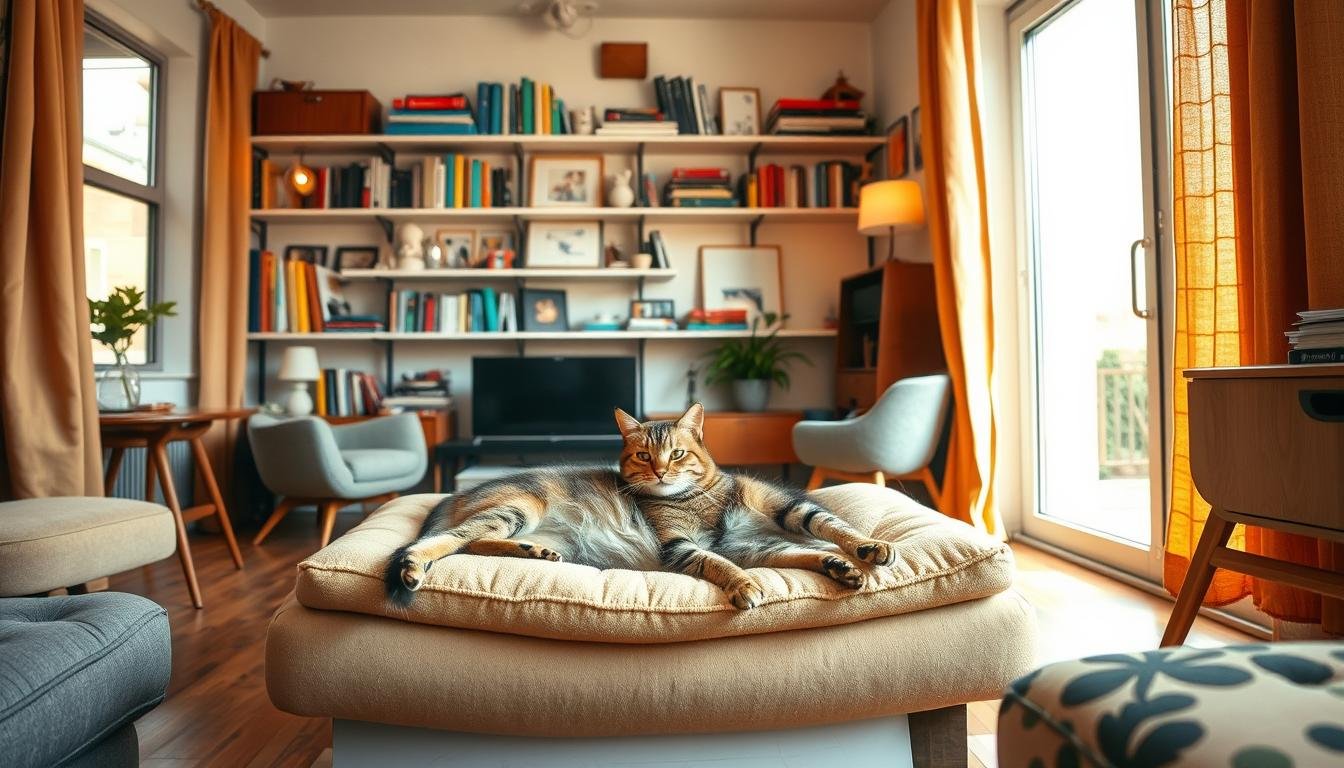
These areas should be away from busy household foot traffic. Having multiple resting places allows your furry friend to choose where they feel most comfortable.
Setting Up a Dedicated Litter Box Area
Choosing the right location for the litter box is critical. It should be placed in a quiet, low-traffic zone that is easily accessible. Ensure this area is separate from feeding stations.
Consistency is key—once you find a good spot, keep it there. This helps your pet develop a reliable routine and reduces accidents.
Establishing a Consistent Routine
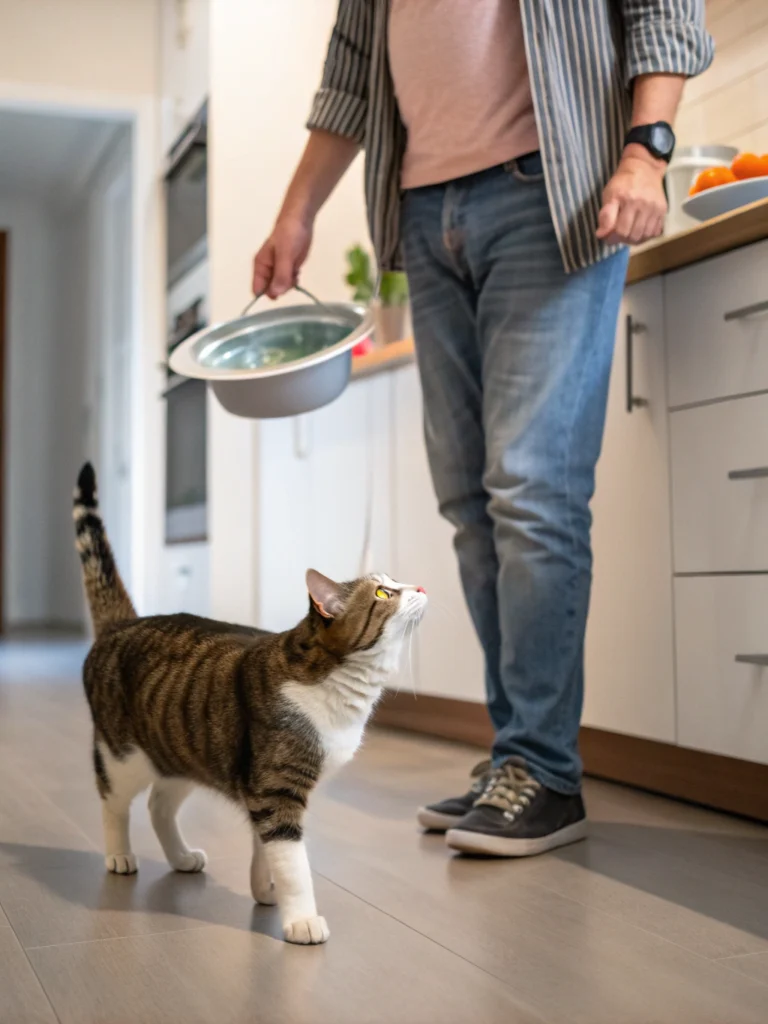
Pets thrive on predictability. Feeding your companion at the same times each day provides structure. Regular play sessions and interaction also build a stable environment.
This daily care routine helps your pet feel secure and confident in their surroundings. A predictable schedule is a cornerstone of their happiness.
| Area of Focus | Key Consideration | Benefit |
|---|---|---|
| Resting Spaces | Quiet, covered areas | Promotes security and relaxation |
| Litter Box Placement | Away from food and noise | Encourages consistent use |
| Daily Schedule | Fixed meal and play times | Builds trust and reduces anxiety |
Smart Space Management in Small Apartments
Maximizing your small home for a feline friend starts with thinking upward, not just outward. Your companion naturally prefers to have its food, water, and beds in different spots. This layout helps them feel more secure and in control of their environment.
The single best way to help your pet thrive is by adding vertical space. Tall cat trees, wall shelves, and high perches effectively multiply your home’s square footage. In a compact living area, this vertical expansion is non-negotiable.
Without enough height, your furry friend won’t have adequate room to climb and exercise. They need high vantage points to feel safe and confident. Look for the tallest, sturdiest cat tower that fits your floor plan.
Every platform or hammock on a tall structure adds usable territory. One large, multi-level tower is far better than several small ones. This approach provides maximum climbing and resting areas without cluttering your rooms.
Getting creative with your furniture placement also helps. A console table with multiple levels can serve as both storage and a climbing spot. Smart choices like this keep your pet happy while maintaining functionality for you.
Creating a Safe and Stimulating Environment
Your home should be both a fortress and a playground, offering safety while satisfying natural curiosity. This balance ensures your feline companion thrives in their indoor habitat.
Ensuring Safety with Secure Windows and Balconies
Start by making sure your space is escape-proof. Check for any small openings where your pet could squeeze through. Secure all windows and balconies with sturdy screens.
Use childproof latches on cabinets containing harmful substances. This prevents access to dangerous items. Your curious companion will stay protected from potential hazards.
Incorporating Multifunctional Furniture
Provide mental stimulation with window access for bird watching. This natural entertainment keeps their mind engaged. It’s a simple way to offer daily enrichment.
Choose furniture that serves dual purposes. Bookshelves can become climbing structures. Console tables create elevated pathways for exploration.
An over-the-arm scratcher protects your furnishings while meeting scratching needs. It also includes storage for small items. This smart approach maximizes functionality in limited space.
Pay attention to your pet’s preferences when arranging your home. Adjust safety measures and furniture placement as needed. This creates an environment that works for everyone.
Choosing the Right Cat Breeds for Apartment Living
Different feline breeds bring unique qualities that can either enhance or challenge life in smaller homes. Selecting the perfect companion involves understanding energy levels and space requirements. This knowledge helps create a harmonious environment for everyone.
Exploring Low-Energy and Independent Breeds
Some breeds naturally adapt better to compact living situations. Low-energy types like Ragdolls and Birmans enjoy quieter routines. They’re content with affectionate moments rather than constant activity.
Independent breeds offer flexibility for busy schedules. Russian Blues and Chartreux handle alone time well. They still appreciate companionship when you’re available.
Assessing Breed-Specific Needs in Small Spaces
Consider both physical size and personality traits. Smaller breeds like Singapuras fit well in limited areas. Even active types like Cornish Rex can thrive with proper vertical space.
Remember that individual pets vary within any breed. Spend time with potential companions before deciding. This ensures their temperament matches your lifestyle and available space.
Popular choices include Persians and British Shorthairs. These breeds typically have calm dispositions. They adapt well to apartment living without excessive demands.
Innovative Solutions for Cat Furniture and Vertical Expansion
You can dramatically expand your pet’s territory without sacrificing your own living area by getting creative with furniture. Your furry friends simply want comfortable, elevated spots to claim. They don’t care if an item is specifically marketed for pets.
Maximizing Vertical Space with Cat Towers and Shelves
Think beyond traditional towers. If you can drill into walls, install shelves to create exciting pathways. This uses otherwise empty wall space and keeps your companion entertained.
For a no-drill option, consider an over-the-door cat tower. The one from K&H Pet Products is a sturdy choice. It provides substantial climbing area using just the back of a door.
Scratching posts are a must. Many tall structures include built-in posts. You can also attach standalone posts to existing furniture to save a bit of space.
Using Everyday Furniture Creatively
Look at your current pieces with a new perspective. A console table with multiple levels is a perfect narrow climbing structure. Use one shelf for storage and leave the top open for your pet to walk across.
In the kitchen, a flat-topped trash can adds instant vertical space. In the bedroom, a laundry hamper with a lid becomes a clever perch. The Desk Nest is another brilliant solution that clamps onto your desk, giving your cat a cozy bed that floats above your workspace.
Window perches are fantastic options that require zero floor space. These solutions prove that with a little imagination, you can provide endless enrichment.
Practical Tips to Embrace the Apartment Cat Lifestyle
Practical routines make all the difference in creating a harmonious shared space. These simple strategies address common challenges while keeping your furry friend content.
Implementing Interactive Play and Enrichment
Your companion needs regular activity that mimics natural hunting behaviors. Use interactive wand toys to encourage climbing and jumping throughout your home.
Schedule play sessions twice daily, ideally before meals. This satisfies predatory instincts and helps burn energy. Temporary obstacles like pillows create more engaging hunts.
Rotate toys regularly to maintain novelty. Simple cardboard boxes offer exploration opportunities. These activities provide essential mental stimulation.
Managing Litter Box Odors and Cleanliness
Odor control is crucial in compact living areas. Scoop the litter box at least once daily to maintain freshness. Complete litter changes should happen regularly.
If odors persist, try adding activated charcoal to the litter. Avoid strongly scented products that might deter use. A small air purifier can help, but place it away from the box.
Proper care of this area ensures your pet’s comfort and your home’s freshness. Consistent maintenance is among the most important tips for success.
Interactive Play, Training, and Mental Stimulation Strategies
Keeping your furry friend mentally engaged prevents boredom and unwanted behaviors. These activities provide essential cognitive exercise that enriches their daily routine.
Engaging Your Pet with Wand Toys and Puzzle Feeders
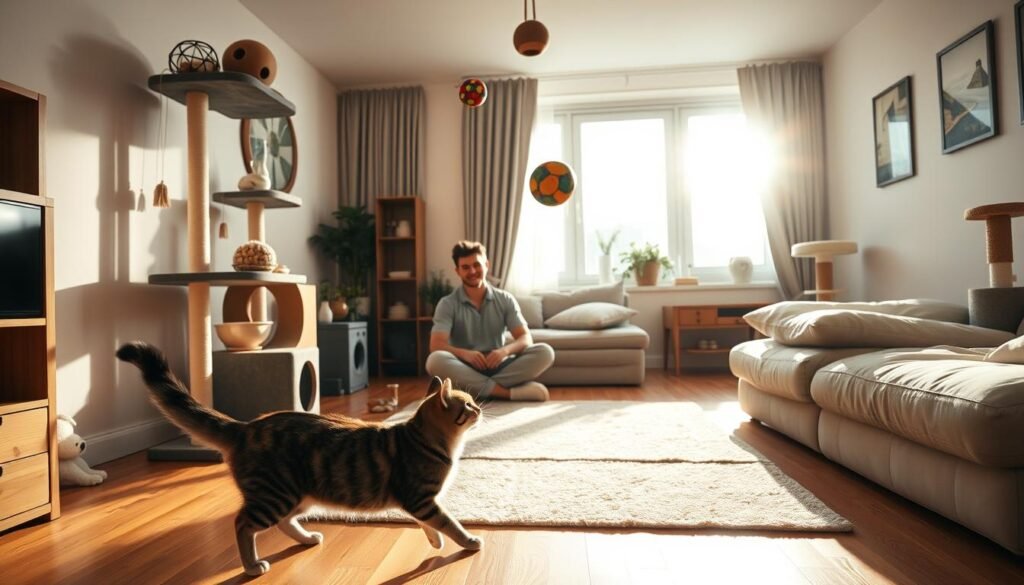
Wand toys create exciting hunting simulations. Your companion tracks, stalks, and pounces during these interactive sessions.
Puzzle feeders make mealtime more engaging. They require problem-solving skills to access food or treats. Start with simple designs and increase difficulty gradually.
These tools provide both mental stimulation and physical exercise. They’re perfect for keeping your pet occupied when you’re busy.
Using Training to Strengthen Your Bond
Training sessions offer excellent mental workouts. Teach simple commands like “come” or “sit” using positive reinforcement.
Use small treats or praise as rewards. Keep sessions short and fun to maintain your pet’s attention. This approach builds trust and communication.
Introducing Technology and Videos for Entertainment
Technology provides additional enrichment options. Videos designed for pets feature birds, fish, or small animals.
Place a tablet safely for viewing enjoyment. Electronic toys can also capture interest, though some pets may find noises startling.
Combine these strategies for a well-rounded routine. Variety keeps your companion curious and content.
| Activity Type | Mental Benefit | Time Investment |
|---|---|---|
| Wand Toy Play | Hunting simulation | 10-15 minutes |
| Puzzle Feeder | Problem-solving | Meal times |
| Basic Training | Cognitive engagement | 5-10 minutes |
| Video Entertainment | Visual stimulation | Variable |
Make sure your companion has plenty of fresh water during activities. Rotate toys regularly to maintain novelty and interest.
Conclusion
Small-space living and pet companionship can harmoniously coexist with thoughtful planning and creative solutions. Your compact home offers plenty of opportunities for a wonderful life with your furry friend.
Throughout this guide, you’ve discovered that vertical expansion, strategic furniture placement, and consistent routines create an enriching environment. Unlike dogs that need outdoor access, your feline companion thrives indoors with proper stimulation.
Remember that regular veterinary care and a balanced diet remain essential for any pet’s well-being. People who embrace this lifestyle find it brings joy and companionship to their daily routine. With dedication and creativity, you can build a strong bond that makes apartment living with your cat truly rewarding.
FAQ
How can I make my small living space more comfortable for my pet?
Use vertical spaces like cat trees and wall shelves. Provide cozy beds and hideaways. Keep food, water, and litter boxes in quiet, accessible spots.
What are the best breeds for limited square footage?
Low-energy and independent breeds often adapt well. Consider a Ragdoll or British Shorthair. Always match the animal’s needs to your home’s size.
How do I keep my indoor friend mentally stimulated?
Engage in daily interactive play with wand toys. Use puzzle feeders for meals. Rotate toys regularly to maintain interest and prevent boredom.
Where should I place the litter box in a compact home?
Choose a low-traffic area that’s still easy for your pet to reach. A spare bathroom or a quiet corner works well. Ensure it’s away from food and water.
What’s the key to managing litter box odors?
Scoop waste daily and change the litter completely each week. Use an odor-absorbing litter and consider an air purifier nearby.
How can I create a safe environment near windows?
Install secure screens on all windows. Provide a sturdy perch for your companion to enjoy the view safely. Always supervise access to balconies.
What type of routine helps my pet feel secure?
Stick to consistent times for feeding, play, and cuddles. Predictability reduces stress and helps your furry friend feel settled.
Are there furniture pieces that serve a dual purpose?
Yes! Look for ottomans with hidden storage for toys. Choose shelves that double as climbing structures. This maximizes your space effectively.