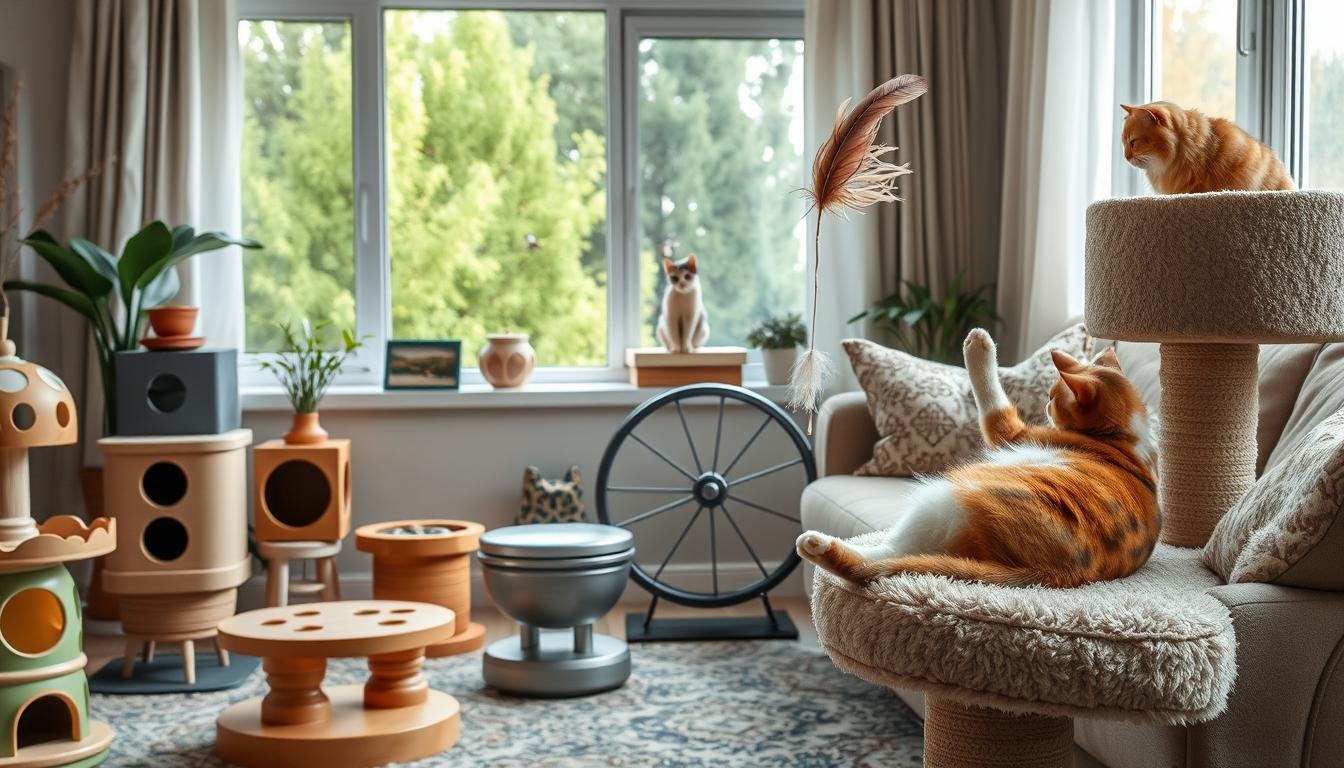
cat boredom solutions : 5 Engaging Solutions
cat boredom solutions : 5 Engaging Solutions
Table of Contents
Your feline companion is a natural hunter with sharp instincts. These intelligent animals thrive on mental challenges and physical activity. Understanding their wild heritage helps you create a stimulating home environment.
When indoor life limits their natural behaviors, pets can develop unwanted habits. Excessive sleeping, overeating, or destructive actions often signal a need for more engagement. Your role as an owner is crucial in preventing these issues.
This guide explores five creative approaches to enrich your pet’s daily routine. Each method addresses different aspects of your feline’s personality and needs. Simple changes can dramatically improve their quality of life.
Key Takeaways
- Feline companions have strong hunting and climbing instincts that need regular stimulation
- Lack of mental engagement can lead to behavioral problems and health issues
- Understanding your pet’s natural behaviors is the foundation for effective enrichment
- Small daily changes can make a significant difference in your companion’s happiness
- Tailored approaches work better than one-size-fits-all solutions
- Creating an engaging environment helps prevent common indoor pet challenges
- Regular mental and physical activity supports overall feline wellness
Understanding Cat boredom solutions: Signs and Causes
Understanding the subtle cues of restlessness in your companion animal is essential for their wellbeing. Recognizing these signals early helps you address their needs before minor issues become serious problems.
Identifying Behavioral Red Flags
Your pet might show several clear signs when they need more engagement. Excessive grooming that leads to bald patches is a common self-soothing behavior. Destructive actions like scratching furniture often indicate a cry for attention.
Other red flags include increased vocalization and loss of interest in favorite toys. Sleeping more than usual or constant attention-seeking are also typical indicators. Changes in eating habits, whether overeating or reduced appetite, can signal underlying issues.
Environmental and Health Factors : cat boredom solutions
Several environmental factors contribute to these behavioral changes. Insufficient playtime that mimics hunting instincts is a primary cause. Lack of social interaction during long alone periods can lead to stress.
Always consult a veterinary professional when you notice significant behavior changes. Underlying medical conditions can manifest with similar signs to boredom. A proper health assessment ensures you address the root cause effectively.
Environmental enrichment, including vertical spaces for climbing, addresses natural instincts. Understanding both behavioral signs and their causes helps create a more stimulating home for your furry friend.
Interactive Play and Enrichment for Your Feline
Mental stimulation through creative games keeps your furry friend happily occupied and mentally sharp. Regular engagement satisfies their natural curiosity and prevents restlessness.
Engaging Toys and Daily Playtime
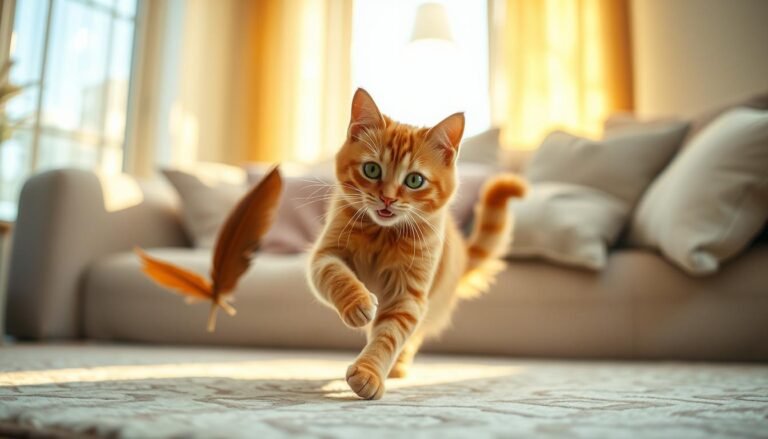
Choose interactive toys that mimic prey movement. Feather wands and laser pointers work well for this purpose. They trigger your pet’s hunting instincts during scheduled playtime.
Establish two daily sessions of 15 minutes each. Use fishing pole-style toys for active engagement. This activity strengthens your bond while providing exercise.
| Toy Type | Best For | Play Style | Difficulty Level |
|---|---|---|---|
| Puzzle Feeders | Mental stimulation | Independent play | Beginner to advanced |
| Feather Wands | Hunting simulation | Interactive play | All levels |
| Treat Dispensers | Food motivation | Solo enrichment | Intermediate |
DIY Puzzle Feeders and Treasure Hunts
Create simple puzzle feeders using household items. An egg carton with kibble hidden inside makes an excellent starter toy. This encourages natural foraging behavior.
Hide treats around your home for treasure hunts. Place them in strategic locations that challenge your pet’s senses. This enrichment activity taps into their natural instincts.
Rotate toys regularly to maintain excitement. Store some items away and reintroduce them later. This simple strategy keeps playtime fresh and engaging.
Cat Boredom Solutions for a Stimulating Home
Creating a stimulating environment goes beyond basic toys and requires strategic enrichment. Your indoor companion thrives when their surroundings offer variety and novelty.
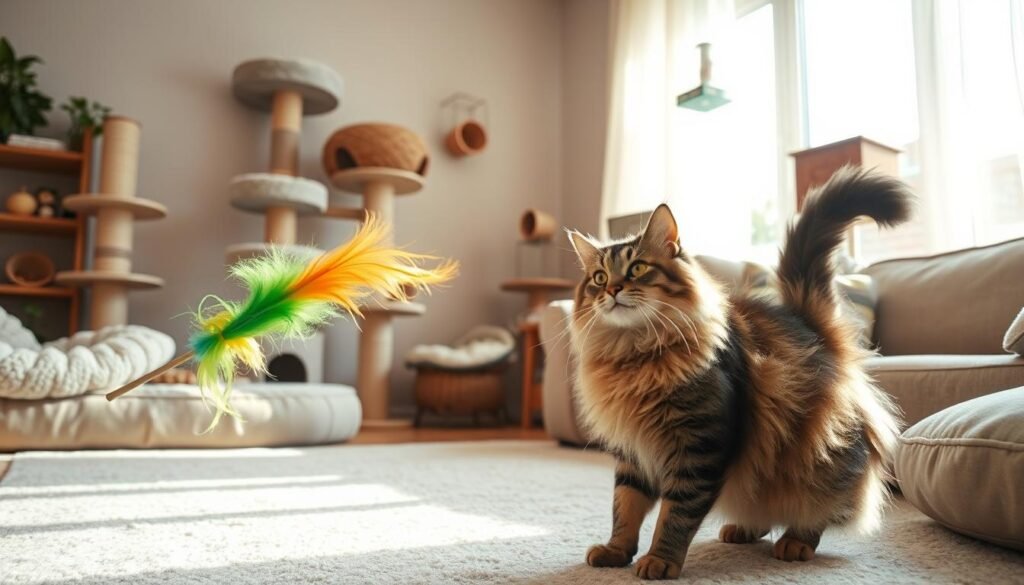
Proper scratching surfaces are essential for your pet’s wellbeing. Choose tall, sturdy posts covered in sisal rather than carpet. Place them in high-traffic areas where your feline naturally wants to scratch.
Innovative Ideas to Keep Your Cat Entertained
Bring outdoor elements inside safely for sensory exploration. Use dried leaves, washed bird feathers, and pesticide-free grass clippings. These natural items provide novel textures and scents.
Host twice-weekly “catnip parties” to prevent immunity. For kitties who don’t respond to catnip, try silvervine instead. This controlled stimulation keeps things exciting.
Combine multiple strategies in activity zones. Offer both horizontal and vertical scratching options. Create spaces that address marking, stretching, and emotional needs.
Remember to customize approaches based on your pet’s age and abilities. What works for one feline may not suit another. Tailored enrichment ensures lasting engagement.
Enhancing Your Cat’s Environment
Transforming your living space into an engaging habitat satisfies your pet’s natural instincts. A well-designed environment provides both security and stimulation.
Creating Vertical Spaces and Window Perches
Your feline friends love elevated vantage points. Sturdy cat trees with large u-shaped perches offer secure resting spots. These trees satisfy climbing instincts while providing comfort.
Window perches create perfect viewing stations. Place them where your pets can watch outdoor activity. Bird feeders outside windows become captivating entertainment.
For older cats with mobility challenges, consider ramps or non-slip stairs. Ensure all climbing structures have secure footing.
Utilizing Boxes, Bags, and Hidden Spots
Simple cardboard boxes provide endless exploration opportunities. Remove handles from paper bags for safe hideaways. These items create instant forts and tunnels.
Position covered beds and towel-lined boxes throughout your house. These retreats offer security during stressful events. Your pets will appreciate having multiple hiding options.
Combine vertical spaces with ground-level hideouts for complete environmental enrichment. This approach encourages natural behaviors throughout your home.
Routine, Social Interaction, and Additional Enrichment Tips
Predictable schedules create a sense of safety and comfort for household pets. Structure helps reduce stress and prevents unwanted behaviors.
Your furry friend thrives on consistency throughout their day. Regular patterns make them feel secure in their environment.
Establishing a Consistent Routine
Set specific times for meals, play sessions, and litter maintenance. Morning and evening rituals provide reliable anchors for your pet’s day.
Schedule interactive play before feeding times. This mimics natural hunting patterns that satisfy instincts. Two 15-minute sessions work well for most kitties.
| Time of Day | Activity | Duration | Purpose |
|---|---|---|---|
| Morning | Interactive play | 15 minutes | Energy release |
| Mid-day | Food puzzle | Self-paced | Mental stimulation |
| Evening | Play session | 15 minutes | Bonding time |
| Bedtime | Quiet time | 30 minutes | Wind down |
Considering Companion Care and Pet Sitter Options
For long work hours, arrange mid-day visits from trusted people. Choose someone your pet already knows and enjoys.
Responsible teenagers can provide afternoon companionship. After hectic days, prioritize quality time with your feline before relaxing.
If considering another pet, proper introductions take patience. Surveillance cameras help monitor behavior patterns. Consult your veterinary professional if concerns persist.
Conclusion
Your efforts to prevent restlessness yield wonderful rewards in your companion’s behavior. Recognizing signs like changes in eating habits or destructive actions empowers you to take proactive steps. This understanding improves your pet’s quality of life at home.
A multi-faceted approach works best for keeping your feline engaged. Combine interactive toys, puzzle feeders, and climbing structures that suit your kitty’s personality. Select enrichment strategies based on their age and physical abilities rather than implementing everything at once.
Daily interactive play sessions and consistent routines prevent lack of engagement. While indoor pets are safer, they need mental and physical challenges they’d naturally encounter. Treasure hunts with treats and hunting-style toys provide essential stimulation.
View this as an ongoing commitment that strengthens your bond over time. Monitor behavior regularly and consult veterinary professionals if concerns persist. Your investment in enrichment pays dividends in your pet’s health and happiness, creating a harmonious home for all.
FAQ
What are the most common signs that my pet is bored?
You might notice your feline friend sleeping more than usual, over-grooming, or meowing excessively. Other red flags include destructive scratching on furniture or a sudden lack of interest in their favorite toys. These behaviors often point to a need for more stimulation in their daily life.
How can I create a more engaging environment at home?
Think vertically! Adding cat trees, wall shelves, and window perches gives your pet new territory to explore. Simple items like cardboard boxes and paper bags can become fantastic hiding spots. Even setting up a bird feeder outside a window provides hours of safe entertainment.
What are some easy DIY toys or activities I can try?
Turn mealtime into playtime with a DIY puzzle feeder. You can make one by hiding treats inside a muffin tin covered with tennis balls. Another great idea is a “treasure hunt” where you hide small portions of food around the house for them to find, tapping into their natural hunting instincts.
Is getting another pet a good solution for boredom?
While a companion can provide social interaction, it’s not a guaranteed fix and can sometimes cause stress. It’s crucial to consider your current pet’s personality first. For many owners, increasing daily playtime and environmental enrichment is a more reliable way to combat loneliness.
When should I be concerned about my cat’s behavior?
If changes in activity level or destructive habits persist despite your efforts to provide enrichment, it’s wise to consult your veterinary professional. Sometimes, what appears to be boredom can be a sign of an underlying health issue that needs attention.