understanding cat communication : The Language of Cats
understanding cat communication : The Language of Cats
Table of Contents
Have you ever looked into your feline companion’s eyes and wondered what they’re really thinking? That quiet moment when they curl up beside you speaks volumes without a single word. Our furry friends have a rich, complex way of expressing themselves that goes far beyond meows and purrs.
Your pet uses a sophisticated blend of signals to share emotions, needs, and desires. From the subtle flick of a tail to the position of their ears, every movement carries meaning. This intricate system developed because these animals are most active during dawn and dusk when visual cues are limited.
Learning to interpret these signals can transform your relationship. You’ll begin to recognize when your companion is content, anxious, or seeking attention. The ability to read their complete message considers context, environment, and multiple cues working together.
This guide will help you decode everything from the gentle slow blink that signals trust to the warning hiss that says “stay away.” By paying attention to visual, vocal, tactile, and scent messages, you’ll gain deeper insight into your pet’s world.
Key Takeaways
- Feline companions use multiple methods to express themselves
- Body language includes tail positions, ear movements, and eye signals
- Vocalizations range from meows and purrs to hisses and chirps
- Scent marking is a primary way they communicate with others
- Context is crucial for accurate interpretation of signals
- The same gesture can have different meanings in different situations
- Learning their language strengthens your bond and understanding
Overview of Feline Communication
Feline companions communicate using an integrated system of visual, vocal, and sensory cues. Your pet combines body language, sounds, physical contact, and scent signals to express their feelings. This multi-layered approach allows them to convey complex messages about their emotional state.
Your furry friend’s behavior always depends on context. The same tail flick or ear position can mean different things in various situations. Environmental factors dramatically influence how you should interpret each signal. What appears playful in a calm home might signal stress during a vet visit.
Expert behaviorists emphasize reading the complete picture rather than isolated gestures. Consider all sensory inputs your pet experiences—sights, sounds, and smells in their immediate environment. This holistic approach provides the most accurate insight into their emotional world.
Your companion’s evolutionary history as both predator and prey shapes their communication style. They show vulnerability when feeling safe but adopt defensive postures when threatened. Recognizing these instinctual patterns helps you understand their unique personality and build a stronger bond.
Visual Signals: Body Posture, Tail, and Ear Language
Every twitch and turn of your companion’s body carries specific meaning. Your furry friend uses physical cues to express emotions clearly. Observing these visual signals helps you respond appropriately to their needs.
Interpreting Tail Positions
Your pet’s tail is one of their most expressive tools. Different positions reveal distinct emotional states. A vertical tail held high shows confidence and friendly intent.
When the tail is tucked between back legs, your companion feels anxious or fearful. A tail moving slowly side-to-side signals frustration. Puffed-up hair along the tail and back indicates terror and serves as a warning.
| Tail Position | Meaning | Context Clues |
|---|---|---|
| Vertical and high | Confident, friendly | Approaching people or other animals |
| Tucked between legs | Anxious, fearful | New environments or loud noises |
| Slow side-to-side movement | Frustrated, agitated | Waiting for food or attention |
| Puffed up with arched back | Terrified, defensive | Perceived threats or strangers |
Messages Behind Ear Movements
Ear positions provide crucial emotional information. Forward-facing ears indicate confidence and engagement. When ears turn backward, your companion may feel angry or fearful.
Flattened “airplane ears” pressed against the head signal extreme fear. Combined with dilated pupils, this posture shows your pet feels threatened. Erect ears with narrow pupils often indicate frustration.
Your furry friend’s body orientation also matters. A sideways stance may mean they’re considering escape. Pointing their body toward exits shows they feel uncomfortable in the situation.
Understanding Cat Communication: Key Signals Explained
The way your cat positions their body can tell you exactly what they’re experiencing emotionally. Context is everything when reading these signals because the same posture can mean different things in various situations.
Your pet’s high, vertical tail usually shows confidence and friendliness. But during territorial disputes, this same position might indicate readiness to attack. Body orientation matters too—when your feline points their head and body toward you, they’re likely interested in interaction.
A tense, ball-like posture signals your companion feels threatened or may be in pain. When fearful or angry enough to fight, cats make themselves appear larger by puffing up fur and arching their back.
The exposed belly shows trust and comfort, but it’s not always an invitation for rubbing. Many pets will grab your hand if you touch their stomach—this is often called the “Venus Cat Trap.”
An open, stretched-out posture with relaxed body language means your feline feels completely safe. Always combine multiple signals like tail position, ear placement, and overall orientation for the most accurate reading of your pet’s emotional state.
Decoding Vocalizations: From Purring to Meowing
Listening closely to your companion’s vocal expressions opens a window into their world. These sounds fall into three main types that reveal different emotions.

What Purring Really Means
Purring often shows contentment during bonding moments. But your pet may also purr when feeling unwell. Context helps you understand their true message.
The Significance of Meowing and Chirping
Meowing is mainly for human interaction. Your furry friend learned this gets your attention effectively. Chirping signals excitement when spotting birds or squirrels.
Identifying Aggressive and Fearful Sounds
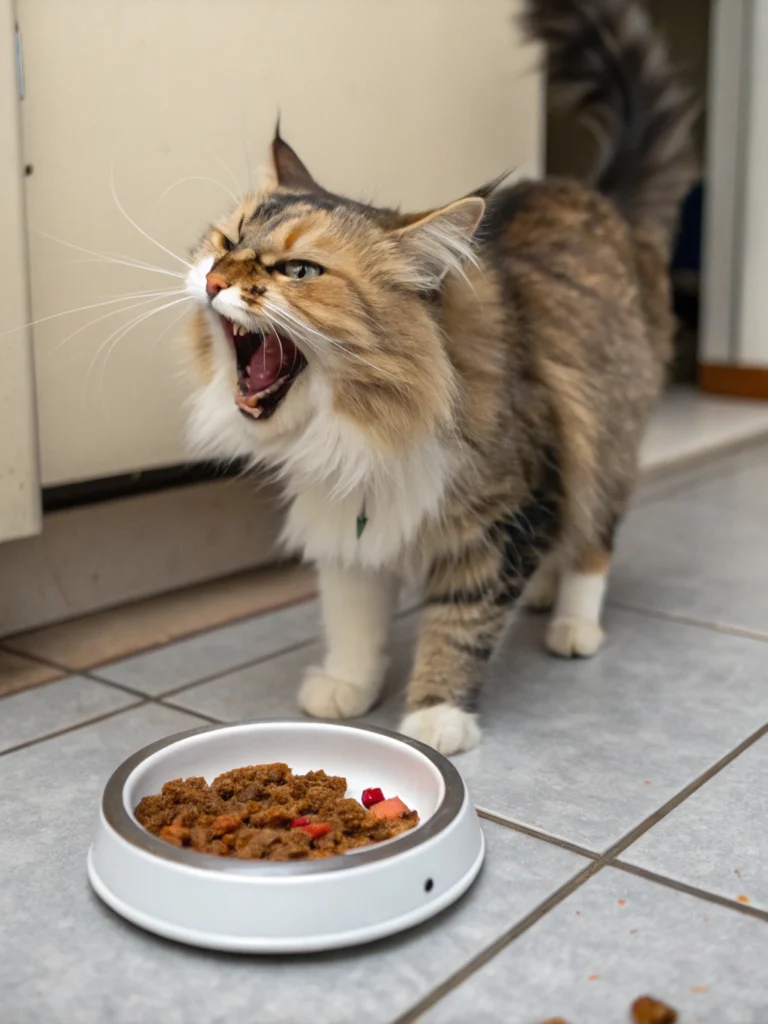
Hostile vocalizations follow an intensity pattern. Growls warn to back off, while hisses mean your pet feels threatened. Yowls and shrieks indicate extreme distress.
Pay attention to constant meowing that won’t stop. This could signal health issues needing veterinary care. Each sound has unique meaning in your pet’s language.
Tactile and Chemical Communication: Scent and Touch
Through gentle touches and invisible scent trails, your pet engages in a complex form of social bonding and territory establishment. These subtle signals form the foundation of their social world.
The Power of Scent Marking in Territory
Your feline companion possesses nine scent glands throughout their body. These glands release pheromones that mark their territory. When they rub against you or furniture, they’re claiming ownership.
Scratching posts serve dual purposes. They maintain claws while leaving scent marks from paw glands. This behavior communicates presence to other animals.
Social Bonding Through Physical Contact
Physical contact strengthens relationships between pets. Allorubbing and allogrooming behaviors show deep trust. These actions reduce stress and build connection.
Nose touching serves as a friendly greeting ritual. It allows scent exchange for recognition. Bonded pets often sleep intertwined, using each other as pillows.
Kneading and gentle biting show deep affection. These behaviors originate from kittenhood with their mother. This tactile language creates strong social bonds within their group.
Reading Facial Expressions and Eye Contact
Deciphering the silent language of your pet’s facial features can unlock deeper connection between you. Your furry companion’s eyes and facial cues provide immediate insight into their emotional state.
The Meaning Behind the Slow Blink
When your feline friend gives you a slow blink, it’s often called a “cat kiss.” This gentle gesture shows they feel completely safe in your presence. It’s a powerful sign of trust and affection.
Your pet’s pupils reveal valuable information about their mood. Relaxed, normal-sized eyes indicate comfort. Dilated pupils show stimulation that could mean playfulness or fear.
Direct eye contact can sometimes signal a territorial challenge. This is why staring might make your companion uncomfortable. Cats who feel threatened may look away or blink rapidly.
| Facial Feature | Relaxed State | Alert/Tense State |
|---|---|---|
| Eyes | Slow blinking, half-closed | Wide open, little blinking |
| Pupils | Normal size | Dilated pupils |
| Whiskers | Point outward, relaxed | Fanned forward, tense |
Whisker position also contributes to facial expressions. When relaxed, whiskers point directly outward. Fanned-out whiskers indicate tension or high alertness.
You can strengthen your bond by returning the slow blink gesture. This communicates mutual trust and safety. Pay attention to combinations of signals for accurate reading.
Environmental Influences on Cat Behavior
The spaces where your feline friend spends time have a direct impact on their daily mood and actions. Your pet’s surroundings shape how they interact with their world.
How Surroundings Affect Your Cat’s Mood
Dark, confined spaces create stress for your furry companion. Open areas with good visibility promote comfort. Multiple escape routes are essential for your pet’s sense of security.
High perches like cat towers provide excellent vantage points. These spots allow your feline to observe their territory safely. Window access offers vital mental stimulation from watching outdoor activity.
| Environmental Factor | Positive Effect | Negative Effect |
|---|---|---|
| Open spaces | Relaxed body language | Increased stress |
| High perches | Confident observation | Defensive postures |
| Escape routes | Sense of security | Anxious behaviors |
| Familiar people | Comfort and trust | Hiding and avoidance |
Litter box placement demonstrates environmental impact. Choose quiet, accessible locations for this essential area. Travel carriers should limit stimulation while providing ventilation.
When visitors arrive, offer elevated hiding spots. These allow your pet to monitor the room without feeling trapped. Observe where your feline chooses to spend time to understand their comfort preferences.
Conclusion
Mastering the subtle cues of your pet’s expressions transforms everyday interactions into meaningful conversations. Your feline friend’s reputation for being mysterious comes from their unique language system, not from any intentional secrecy.
The key to accurate interpretation lies in viewing all signals together. Body posture, tail positions, ear movements, and vocalizations work as one complete message. Always consider the context and environment when reading these signs.
Your journey with your companion continues to evolve as you apply these insights. Each day brings new opportunities to strengthen your bond through responsive care. Keep observing and learning—your growing awareness will ensure your pet’s well-being and deepen your special connection.
FAQ
What does it mean when a cat’s tail is held straight up?
A tail held high like a flagpole is a great sign! It usually means your feline friend is feeling happy, confident, and friendly. This is a common greeting when they approach you or other pets they trust.
Why does my cat purr when it seems like nothing is wrong?
While purring is often linked to contentment, it can also be a self-soothing behavior. Your pet might purr when they are injured, anxious, or even during labor. It’s a complex vocalization that can signal a need for comfort as well as pure bliss.
My cat rubs its face on everything. What is this behavior?
That’s scent marking! Your cat has scent glands on their cheeks, chin, and head. When they rub against you, furniture, or doorframes, they are depositing their scent. This marks those items as safe and familiar, essentially claiming their territory in a friendly way.
What is the meaning behind a cat’s slow blink?
A slow, deliberate blink is like a kitty kiss! It’s a powerful signal of trust and affection. When your pet looks at you and slowly closes their eyes, they are showing they feel safe and comfortable in your presence. You can try slowly blinking back to communicate your love.
Why do my cat’s ears flatten against its head?
Flattened ears, often called “airplane ears,” are a clear sign of fear, anxiety, or aggression. This posture makes the ears less vulnerable to injury. If you see this, along with other signals like dilated pupils or a hunched body, it’s best to give your pet some space.
How can I tell if my cat is feeling stressed by its environment?
Changes in behavior are key indicators. Look for hiding more than usual, decreased appetite, excessive grooming, or inappropriate elimination outside the litter box. Loud noises, new people or animals, or even rearranged furniture can disrupt their sense of security and cause stress.