Longhair Cat Grooming: Tips and Tricks for Healthy Coats
Longhair Cat Grooming: Tips and Tricks for Healthy Coats
Table of Contents
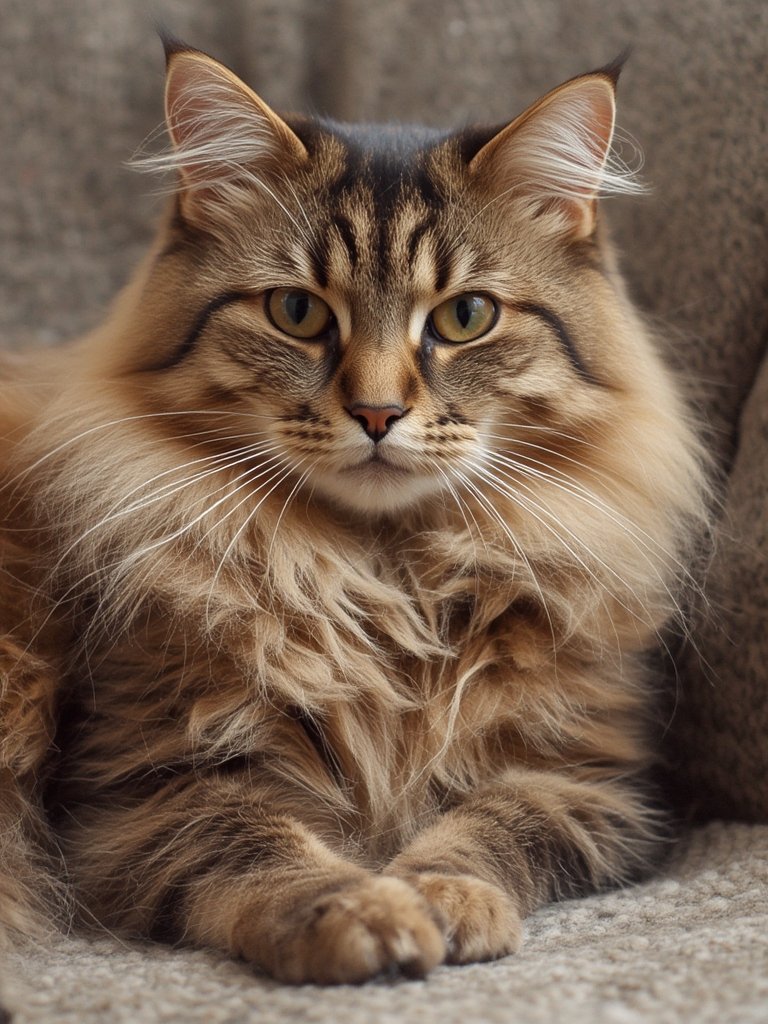
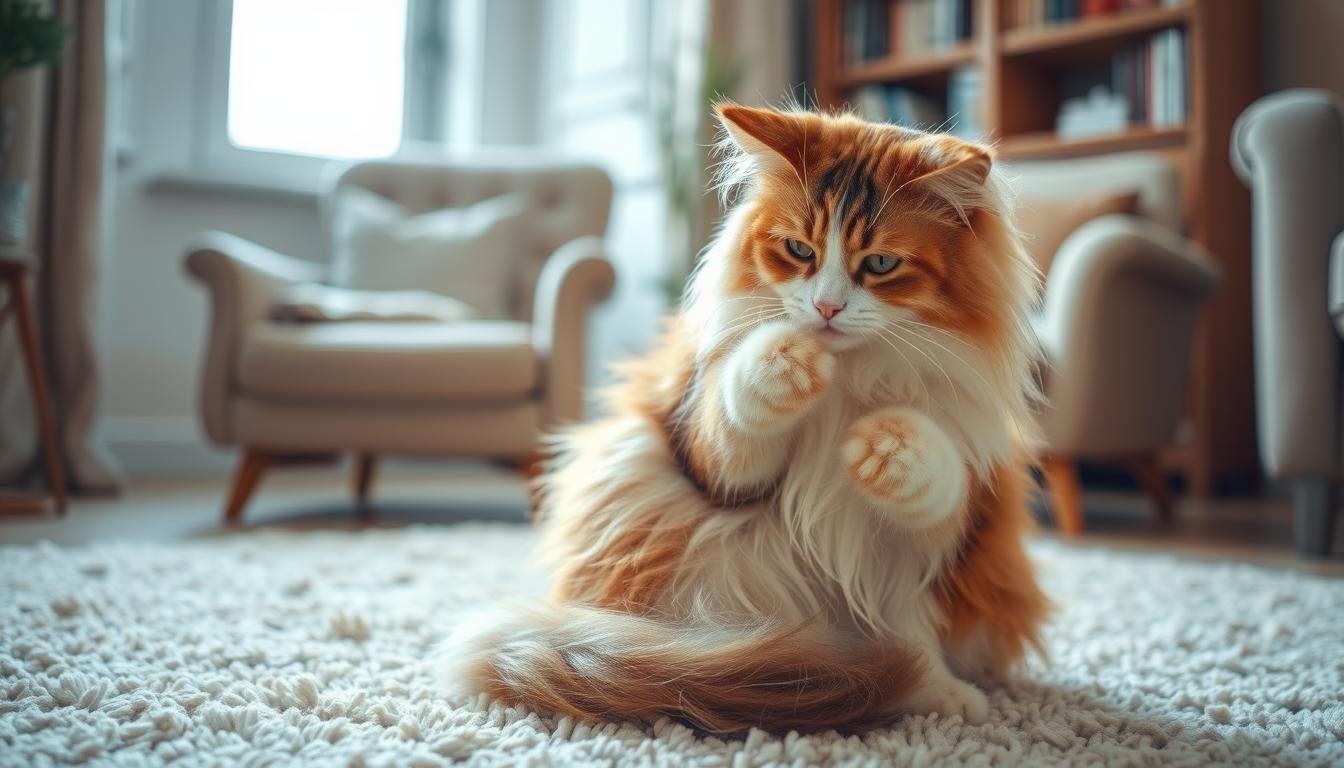
There’s something truly special about running your fingers through that soft, flowing fur. It’s a moment of pure connection between you and your feline companion. That luxurious coat isn’t just beautiful—it’s a responsibility that comes with owning a longhaired pet.
Proper maintenance is essential for your furry friend’s well-being. Without regular attention, that magnificent fur can become matted and tangled. This can lead to skin irritation and discomfort for your pet.
Did you know that a longhaired feline’s coat can make up an incredible 12 to 24 percent of their total body weight? This stunning fact shows just how much care these animals require. Establishing a consistent routine early on makes the process easier for everyone involved.
This guide will help you master the essential techniques for maintaining that gorgeous coat. You’ll learn how to prevent common issues like matting and reduce hairballs. More importantly, you’ll discover how regular care strengthens the bond between you and your pet.
With the right knowledge and tools, you can keep your companion’s fur healthy, shiny, and tangle-free. Let’s begin this journey toward better care for your beloved animal.
Key Takeaways
- Regular maintenance prevents matting and keeps your pet comfortable
- Proper care reduces hairballs and supports skin health
- Establishing a consistent routine makes the process easier
- Grooming strengthens the bond between you and your animal
- Longhaired pets require more attention than short-haired ones
- Early introduction to grooming reduces stress for your pet
Understanding the Unique Needs of Long-Haired Cats
Understanding your pet’s fur type is the first step toward effective coat maintenance. Different breeds have distinct characteristics that influence their care routine.
Different Types of Cat Coats and Their Characteristics
Feline coats vary significantly based on breed, genetics, and environment. Short-haired varieties like Siamese and Bengals have glossy, low-maintenance fur. Medium-haired types such as Turkish Vans feature plush textures.
Long-haired breeds including Persians and Maine Coons require dedicated attention. Their luxurious coats demand regular care to prevent matting. Seasonal changes dramatically affect these animals’ fur density.
During spring and autumn, your companion undergoes coat transitions. The winter undercoat sheds for a lighter summer version. This natural process requires adjusted grooming intensity.
Signs Your Cat Needs Extra Grooming Attention
Watch for these indicators that your pet requires additional care:
- Visible matting or tangles in the fur
- Excessive shedding beyond normal seasonal changes
- Dull or greasy-looking coat texture
- Difficulty self-cleaning certain areas
Regular observation helps you spot issues early. Addressing them promptly maintains your companion’s comfort and health. Proper coat care supports overall well-being.
Essential Grooming Tools and Products
Having the right equipment makes all the difference in your pet’s care routine. Quality tools ensure comfort and effectiveness.
Investing in the correct items turns maintenance into a pleasant experience. It prevents discomfort and protects your companion’s skin.
Choosing the Right Brush and Comb
Start with a pluck brush. This tool is excellent for lifting away dead undercoat and loose hair efficiently.
For a beautiful shine, select a brush with natural bristles. These help distribute natural oils throughout the coat.
A metal comb with wide, rounded tines is a must-have. It glides through fur smoothly without causing static.
Specialized tools like de-matting combs are useful for tricky spots. Grooming gloves offer a gentle alternative for sensitive pets.
Selecting Cat-Specific Shampoos and Treatments
Always choose shampoos made specifically for animals. Human products can strip essential oils and cause irritation.
For tangled areas, a de-matting spray can be a lifesaver. Apply it, wait a moment, and gently comb through.
Conditioning oils are available to nourish the coat. These specialized formulas keep skin healthy and fur soft.
Building a proper kit is a step toward effective care. Quality products deliver better results and ensure your furry friend’s comfort.
How to Brush and Comb Your Cat’s Fur
The key to a magnificent, tangle-free coat lies in your consistent brushing technique. A gentle, daily routine prevents painful mats from forming close to the skin. It also spreads natural oils for a healthy shine.
Start each session by creating a calm environment. This helps your furry companion feel relaxed and secure.
Daily Brushing Techniques to Prevent Matting
Follow a specific sequence for thorough care. Begin with the abdomen and legs, gently combing the fur upward toward the head.
Next, address the neck area by combing upward toward the chin. This systematic approach ensures you cover every section.
For the tail, make a part down the middle. Gently brush the fur on each side. Never use a comb on the tail, as it can pull out precious hairs.
Strategies to Tackle Tangles and Knots
If you find a small knot, sprinkle a bit of talcum powder on it. Use your fingers to gently tease the tangles apart.
For more stubborn mats, a specialized tool like a mat-splitter can help. Always work slowly and avoid tugging, which causes discomfort.
Use a layered approach for best results. Start with a metal comb for surface tangles. Then, use a pluck brush to smooth the underlayer.
This table shows which tools work best for different tasks:
| Tool | Best For | Technique |
|---|---|---|
| Metal Comb | Surface tangles, sensitive areas | Gentle, careful teasing |
| Pluck Brush | Smoothing the underlayer | Short, gentle strokes |
| Your Fingers | Initial detangling | Teasing apart with powder |
Remember, always brush in the direction of hair growth. Consistent, gentle sessions are an investment in your pet’s comfort and well-being.
Bathing Tips for a Gentle Cat Wash
While most feline companions with flowing coats rarely require full immersion, knowing proper bathing techniques becomes essential for those unavoidable situations. These sessions should be reserved for specific circumstances rather than routine care.
Preparing Your Cat for a Stress-Free Bath
Choose a time when your pet is naturally relaxed, perhaps after an energetic play session. Trim claws beforehand for everyone’s safety and thoroughly brush out any loose hair.
Create a secure environment by placing a rubber mat in the sink or tub. Use about three inches of lukewarm water and gently place cotton in the ears to protect them.
Proper Drying and After-Bath Care
After rinsing thoroughly, wrap your furry friend in a large towel. Dry them in a warm, draft-free area to prevent chilling.
If your animal tolerates the noise, you may use a blow dryer on the lowest heat setting. Always prioritize your pet’s comfort throughout the entire process.
This table shows when bathing is appropriate versus when alternative methods work better:
| Situation | Recommended Approach | Frequency |
|---|---|---|
| Normal maintenance | Brushing and combing | Daily |
| Minor dirt | Spot cleaning with damp cloth | As needed |
| Toxic substance contact | Full bath with pet shampoo | Emergency only |
| Extreme soiling | Complete washing | Very rarely |
Remember that frequent washing can strip natural oils and cause skin irritation. Reserve full baths for true necessities to maintain your companion’s health and happiness.
Maintaining Skin, Nail, and Dental Health
Complete pet care involves monitoring several key health indicators that can reveal underlying issues before they become serious. Regular attention to these areas prevents discomfort and supports overall wellness.
Checking for Skin Irritations and Infections
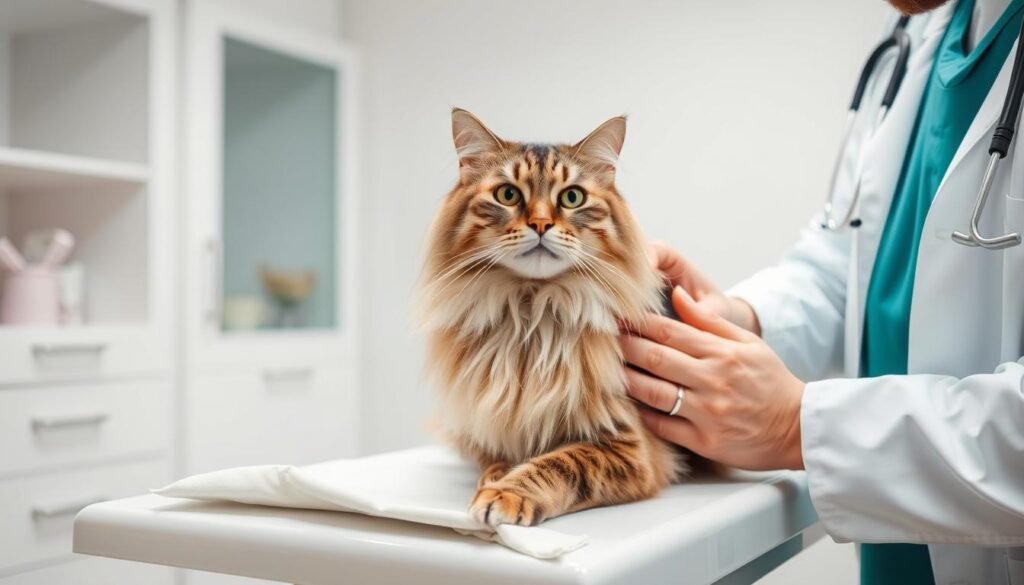
During each session, carefully examine your animal’s skin for redness, flaking, or irritation. These signs may indicate allergies or parasites needing veterinary treatment.
Run your hands along your pet’s entire body to detect wounds, bumps, or hidden tangles. Look for ticks and flea dirt—those black specks of dried blood. Check around the rear area for rice-sized segments that could signal tapeworm problems.
Proper Nail Trimming and Dental Care Guidelines
Frequent nail clipping is essential for animals with abundant fur around their paws. Use pet-specific clippers and trim only the sharp tips, avoiding the sensitive quick inside.
Dental hygiene is equally important. Brush your companion’s teeth regularly with soft-bristled tools and animal-safe toothpaste. For resistant pets, consider dental treats or cleaning toys.
Gently wipe ears with a soft cloth and specialized cleaner, being careful not to insert anything into the canal. Healthy ears appear pale pink with minimal wax. Remove eye crust carefully with moistened paper towels.
longhair cat grooming: Expert Step-by-Step Guide
Mastering the art of a smooth grooming session begins with perfect timing and atmosphere. The right approach turns necessary care into a bonding experience.
Setting Up a Relaxing Grooming Session
Choose a quiet room free from loud noises. Place your feline on a soft cloth-covered surface. Start with gentle petting to help them relax.
Begin at the head and work toward the tail. Always brush in the direction of hair growth. This method prevents discomfort and keeps the coat healthy.
Maintaining a Regular Grooming Routine
Aim for fifteen minutes each day. Consistency is better than longer, infrequent sessions. This regular care prevents mats from forming.
Respect your pet’s mood. Never force the process. Patience builds trust over time.
Reward good behavior with a small treat or affection. Positive reinforcement makes each session more enjoyable. Gradually extend the duration as your companion becomes more comfortable.
Tips to Prevent Common Grooming Problems
Staying ahead of potential issues can save your pet from discomfort and you from costly vet visits. Regular maintenance prevents many common challenges before they develop into serious problems.
Avoiding Matting, Hairballs, and Skin Issues
Prevent painful matting by brushing your animal daily. This removes loose hairs before they tangle. Mats trap debris and moisture, creating perfect conditions for skin infections.
Reduce hairball formation by removing excess fur during brushing sessions. When your companion grooms themselves, they swallow less loose hair. This prevents digestive problems and vomiting.
Check for hidden pests regularly. Thick coats can conceal fleas and ticks. Early detection prevents skin irritation and disease transmission.
Proper nutrition supports coat health from within. Choose high-quality food with ample protein. A balanced diet keeps fur shiny and reduces shedding.
Using Treats and Positive Reinforcement
Make each session enjoyable with positive reinforcement. Offer a small treat after successful brushing. This builds positive associations with the process.
Keep sessions short and rewarding. Your pet will learn to cooperate when they anticipate something pleasant. Consistent positive experiences make preventive care sustainable.
Watch for signs of stress and adjust your approach. Patience and rewards transform necessary maintenance into bonding time. This proactive strategy keeps your furry friend comfortable and healthy.
Adapting Your Routine for Seasonal Coat Changes
Seasonal transitions bring special challenges for owners of fluffy pets. Spring and autumn mark periods of intense shedding as your companion’s coat transforms completely.
Nature provides animals with protective coverings suited to different conditions. The heavy winter version with thick underlayers shields against cold and moisture. The lighter summer coat prevents overheating and protects from UV rays.
Managing Shedding During Spring and Autumn
Your furry friend’s hairs follow a natural growth cycle. They progress through growth, transition, rest, and shedding phases. This results in continuous daily hair loss that peaks during seasonal changes.
Indoor pets present unique challenges. Consistent home temperatures and artificial lighting can trigger year-round shedding. Longhaired varieties are particularly prone to this phenomenon.
Adapt your care routine during peak periods. Increase brushing frequency to twice daily if needed. This manages the massive amount of loose fur your animal releases.
Expect more hair around your home during these times. Plan for extra vacuuming and understand this intensive period is temporary. Normal seasonal shedding differs from problematic hair loss that might require veterinary attention.
When to Seek Professional Grooming Help
Even with the best home care, some situations require expert intervention. Recognizing when you need professional help protects your pet’s well-being.
Severe matting that resists brushing is a clear sign to contact a professional. Mats close to the skin can cause pain and skin infections. Aggressive behavior during sessions also indicates you should seek assistance.
For extremely long coats, strategic trimming prevents problems. Focus on mat-prone areas like legs and the belly region. Trimming around the rear prevents waste from sticking to the fur.
If you must attempt home removal of small tangles, use blunt-edged scissors. Always insert a comb between the skin and mat before cutting. This technique prevents accidental nicks.
Some animals simply won’t tolerate care sessions. Forcing the process risks injury to both of you. In these cases, professional services are the safest option.
| Situation | Home Solution | Professional Help Needed |
|---|---|---|
| Small tangles | Gentle brushing | Severe matting |
| Cooperative pet | Regular home care | Aggressive behavior |
| Minor trimming | Blunt scissors | Extensive mat removal |
| Basic maintenance | Daily brushing | Complete coat shaving |
When the coat is severely matted, veterinary treatment with mild anesthesia may be necessary. This is a last resort but sometimes essential for health. The recovery process takes time as the fur regrows.
Remember that seeking professional help isn’t failure – it’s responsible pet ownership. A groomer or vet can provide specialized care when home methods aren’t enough.
Conclusion
Caring for a feline with a flowing coat is a rewarding journey that deepens your connection. This regular routine is vital for their health and comfort, not just their appearance.
Remember, proper maintenance includes everything from daily brushing to checking skin and trimming nails. Using the right products makes each session more effective and pleasant for your pet.
Consistency is the most important tip. Regular grooming prevents painful tangles and other problems before they start. View this time as special bonding, not a chore.
Your dedication to this complete care will be rewarded. You’ll enjoy a happy, healthy companion with a beautiful, glossy coat for years to come.
FAQ
How often should I brush my longhair pet?
For the best coat care, aim for daily brushing. This routine prevents painful matting and reduces hairballs. If daily sessions aren’t possible, try for at least three to four times a week to keep the fur smooth and tangle-free.
What is the safest way to remove mats from my cat’s fur?
Never use scissors, as you risk cutting the skin. Gently work through the knot with your fingers or a dematting comb. Start at the tips of the hairs and slowly work inward. For severe tangles, a professional groomer can help avoid discomfort.
Do I need to bathe my longhair feline?
Most of the time, regular brushing is enough. A bath may be needed if your pet gets into something sticky or dirty. Use lukewarm water and a shampoo made specifically for cats to protect their sensitive skin.
How can I make grooming a positive experience for my pet?
Keep sessions short and calm. Offer plenty of praise and a favorite treat afterward. This positive reinforcement helps your furry friend associate grooming with good things, making future care much easier.
What are the signs of skin problems I should look for?
During your brushing routine, check for redness, flakiness, or bumps. Also watch for excessive scratching. If you notice any of these issues, it’s a good idea to consult your vet for proper treatment.
When is it time to see a professional groomer?
Consider seeking expert help if the coat is severely matted, if your pet becomes too stressed during home sessions, or for specialized tasks like a sanitary trim. They have the right tools and experience to handle difficult situations safely.