Cat Nail Trimming Made Simple: Tips for Pet Owners
Cat Nail Trimming Made Simple: Tips for Pet Owners
Table of Contents
There’s something special about that moment when your furry companion curls up in your lap. The gentle purring and contented kneading create a bond that’s hard to describe. As pet owners, we want to provide the best care for our feline friends.
Indoor pets have different needs than their outdoor counterparts. While outdoor cats wear down their claws naturally, indoor companions rely on us for proper maintenance. Regular care prevents painful complications.
Starting early makes the process easier for everyone. Young pets adapt well to routines. This guide will help you understand the importance of proper claw maintenance.
Key Takeaways
- Regular maintenance is essential for indoor pets’ health
- Proper care prevents damage to furniture and painful complications
- Indoor animals need more attention to their claws than outdoor pets
- Starting routines early helps pets become comfortable with the process
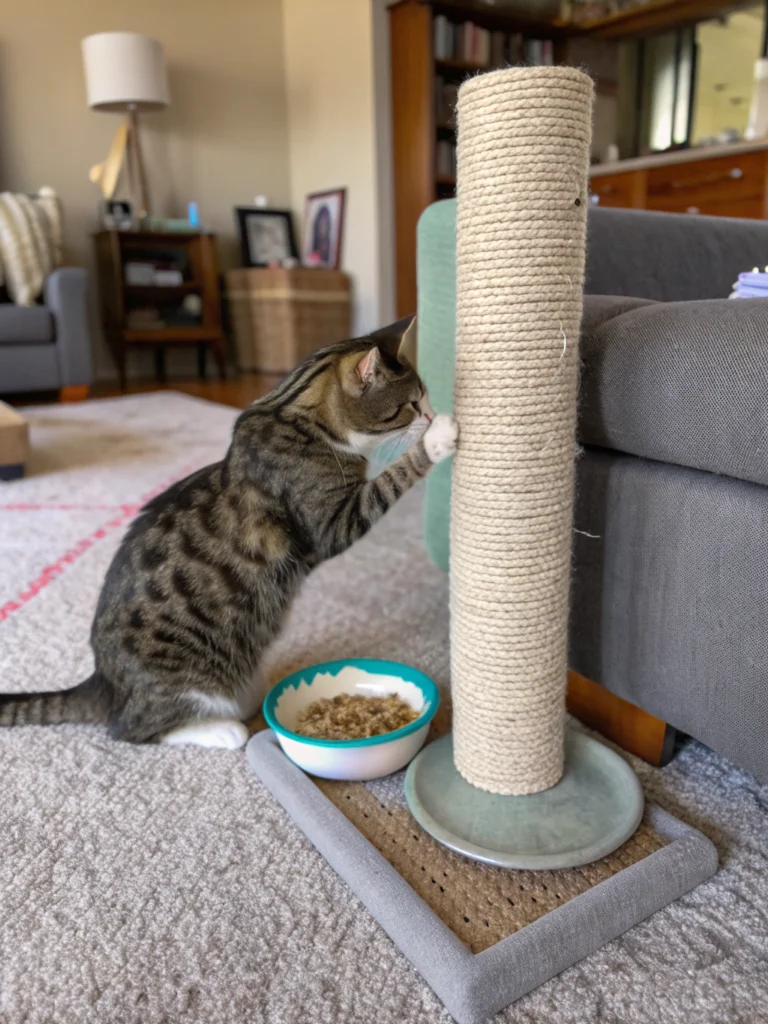
- Scratching posts alone may not be sufficient for proper maintenance
- Establishing a consistent schedule every few weeks is recommended
- With patience, this can become a positive bonding experience
Understanding Your Cat’s Nail Anatomy
Before reaching for the clippers, it’s essential to know what makes up each of your pet’s claws. This knowledge helps prevent accidents and ensures comfortable grooming sessions. Understanding the structure gives you confidence during the process.
What Your Cat’s Nails Are Made Of
Your feline companion’s claws consist of layers of keratin, the same protein found in human fingernails. The outer sheath naturally sheds to reveal sharper points underneath. This shedding process helps maintain healthy claw length for outdoor animals.
Indoor pets may not wear down their claws naturally through scratching. This makes regular attention necessary. The front paws typically have five claws each, while the back have four.
Identifying the Quick and Signs of Overgrowth
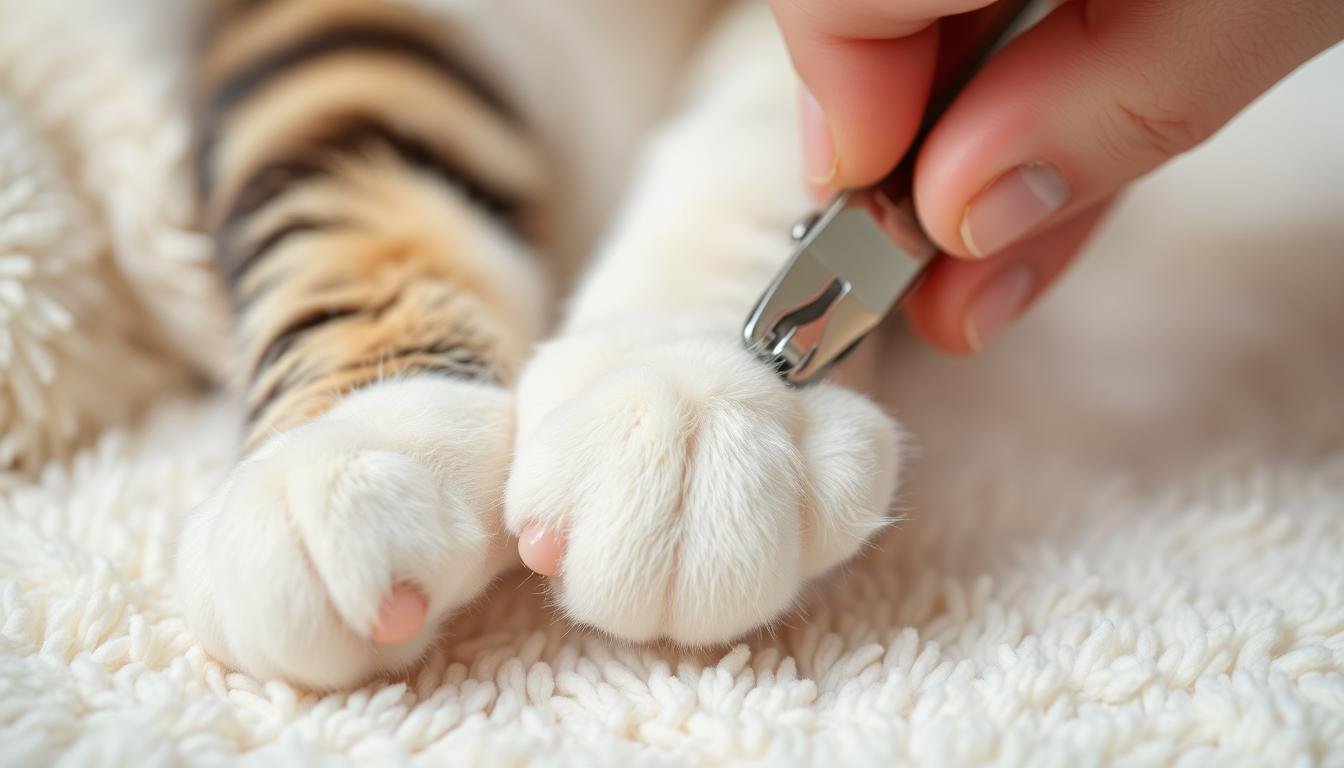
The quick is the pink area containing nerves and blood vessels. Never cut this sensitive part—only trim the white tip beyond it. With light-colored claws, the quick is clearly visible as a pinkish area.
For dark claws where the quick isn’t visible, aim for where the claw begins to curve downward. Overgrown claws develop a pronounced hook shape and may touch the ground when your pet stands. In severe cases, they can curve into the paw pad, causing discomfort.
Check your companion’s claws regularly from the side view. Healthy claws should not make contact with surfaces when your furry friend is standing normally. This simple check helps you maintain optimal claw length.
Cat Nail Trimming: Tools, Equipment, and Techniques
The right equipment can transform a challenging task into a smooth, stress-free experience. Having proper gear ensures both safety and comfort during grooming sessions.
Selecting the Right Clippers, Grinders, and Other Tools
Several types of trimmers are available for your feline companion. Scissors-style options feature small divots to cradle the claw securely. Guillotine-style designs use a sliding blade mechanism that stays sharp longer.
Pliers-style clippers provide extra strength for thicker claws. Grinders gradually file down the tip but may create noise that stresses some pets. Always have styptic powder nearby for quick bleeding control.
A Step-by-Step Guide to Safely Trim Your Cat’s Nails
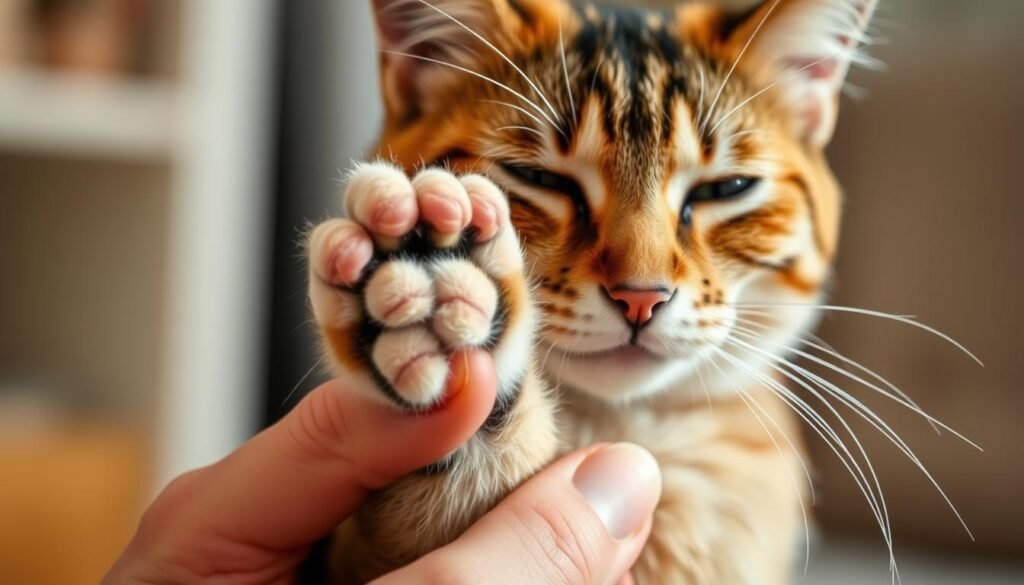
Hold your pet’s paw gently in your non-dominant hand. Press the middle pad between your thumb and forefinger to extend the claws naturally.
Position the clipper blades so pressure applies from top to bottom. This prevents splintering. Aim for a 45-degree angle cut so the claw rests comfortably when walking.
Make several small cuts rather than one large snip. Stay about 2 millimeters from the pink quick area. This gradual approach ensures safety while achieving the desired length.
Start with just one or two claws per session until your furry friend becomes comfortable. Reward with treats throughout the process for positive reinforcement.
Preparing Your Cat for a Calm Trimming Session
The right preparation can turn a potentially stressful experience into a calm bonding moment. Proper setup helps your feline friend feel secure and cooperative during grooming sessions.
Creating a Quiet and Comfortable Environment
Choose a peaceful room with minimal distractions. Select a comfortable chair where you can sit with your pet on your lap.
Timing matters greatly. Approach your companion when they’re naturally relaxed, such as after a meal. Ensure no other animals are nearby and close curtains to block outdoor views.
Using Treats, Towel Wraps, and Positive Reinforcement
Start with brief paw massages lasting only three seconds. If your pet pulls away, maintain gentle contact without restraint. Press the pad to extend the claw, then immediately offer a reward.
Try the spaghetti trick to acclimate your friend to clipper sounds. Clip uncooked pasta while holding their paw, then provide a treat. Some pets feel more secure wrapped in a fluffy towel.
Use minimal restraint and offer small treats frequently. Begin with just one or two claws per session. Having an assistant to provide gentle pets can make the process smoother for everyone.
Troubleshooting Common Nail Trimming Challenges
When things don’t go as planned during claw maintenance, having troubleshooting strategies ready can make all the difference. Even experienced pet owners can face unexpected situations that require quick thinking and calm responses.
Managing Accidental Bleeding and Avoiding the Quick
If you accidentally nick the quick, stay calm. Apply styptic powder immediately to stop bleeding. Household alternatives like flour or cornstarch work well too.
Gentle pressure with a clean towel helps control blood flow. Remember that minor nicks cause minimal discomfort. Having supplies nearby prevents panic.
| Common Challenge | Immediate Solution | Prevention Strategy |
|---|---|---|
| Accidental bleeding | Apply styptic powder or flour | Trim only the white tip |
| Resistant behavior | Stop and try later | Use positive reinforcement |
| Hidden quick on dark claws | Make small, cautious cuts | Check from side view regularly |
Handling a Reluctant Cat and When to Seek Help
Some feline companions strongly resist grooming sessions. Never force the issue or raise your voice. Break the process into multiple short sessions.
If your pet remains uncooperative, seek professional assistance. Your veterinarian or groomer can demonstrate proper techniques. They may suggest calming options for stressful situations.
Regular maintenance every 10-14 days prevents overgrowth. Watch for curved claws or furniture damage between sessions. Professional help ensures your pet’s comfort and safety.
Conclusion
The journey to comfortable grooming sessions builds trust between you and your companion. With consistent practice, this care routine becomes a natural part of your bond.
Regular maintenance prevents painful issues like overgrown claws curving into paw pads. It also reduces damage to your furniture and keeps your pet comfortable. This time investment pays off in long-term health benefits.
Every animal progresses at their own pace. If you encounter challenges, remember that professional guidance from your vet is always available. They can provide techniques tailored to your pet’s specific needs.
View this care as quality bonding time rather than a stressful chore. You now have the knowledge to approach paw care with confidence and patience.
FAQ
How often should I trim my pet’s claws?
Most felines need a session every 10 to 14 days. Regular maintenance keeps them short and prevents issues.
What happens if I accidentally cut the quick?
Apply gentle pressure with a styptic powder or cornstarch to stop bleeding. Stay calm and comfort your furry friend.
My cat absolutely hates this process. What can I do?
A> Try shorter, more frequent sessions with high-value treats. If stress is high, a professional groomer or your vet can assist.
What’s the best way to hold my pet during the procedure?
Keep them comfortable on your lap, gently pressing the pad to extend the claw. A soft towel wrap can help soothe a wiggly companion.
Are scratching posts enough to maintain claw health?
Scratching helps but doesn’t usually shorten claws enough on its own. It’s a great behavior to encourage alongside regular care.
When is it time to seek professional help?
If you see signs of infection, are unable to manage the task, or if your pet becomes overly stressed, consult your veterinarian.