Indoor Cat Lifestyle: Enhancing Your Furry Friend’s Quality of Life
Indoor Cat Lifestyle: Enhancing Your Furry Friend’s Quality of Life
Table of Contents
There’s a special moment when your furry companion curls up beside you, purring contentedly. This bond represents more than just companionship—it’s a commitment to providing the best life possible for your pet.
Choosing to keep your feline friend safe indoors means giving them the gift of longevity. While outdoor cats face numerous dangers, your home becomes a sanctuary where they can thrive for many happy years.
However, safety alone isn’t enough. Your beloved companion needs mental and physical stimulation to truly flourish. Without proper enrichment, even the safest environment can lead to boredom and health issues.
This guide will walk you through creating a fulfilling environment that satisfies your pet’s natural instincts. You’ll discover practical strategies for nutrition, exercise, and mental engagement that prevent common problems.
With thoughtful planning, you can transform your living space into a paradise where your furry family member enjoys all the benefits of protection while expressing their natural behaviors. Let’s begin this rewarding journey together.
Getting Started with Indoor Cat Lifestyle
Creating a fulfilling life for your pet starts by understanding what truly makes them happy and healthy. Your furry companion has natural instincts that need expression, even in a protected home setting.
Understanding Your Pet’s Basic Needs
Despite being domesticated, these animals retain strong hunting drives. They need opportunities to stalk and chase. Provide scratching surfaces for territory marking.
Your companion requires both privacy spots and elevated perches. This satisfies their dual nature as both predator and prey. Mental stimulation prevents boredom and maintains good health.
Benefits of Keeping Your Feline Friend Indoors
Indoor living offers significant safety advantages. Your pet avoids traffic dangers and animal attacks. They have lower disease exposure from other animals.
Health benefits include dramatically longer lifespans. Indoor cats typically live 12-18 years versus 2-5 years outdoors. You maintain better control over diet and weight management.
This approach requires your commitment to create an engaging environment. The time invested pays off with a well-adjusted, happier companion.
Creating a Cat-Friendly Home Environment
Building an ideal environment for your companion involves creating zones that balance activity with peaceful retreats throughout your household. This approach ensures your furry friend feels secure while having opportunities for exploration.
Designing Spaces for Both Play and Rest
Vertical dimensions transform your home into a more engaging space. Tall cat trees and wall shelves give your pet elevated vantage points.
These high perches satisfy natural instincts to survey territory safely. Your companion can observe household activities from a comfortable distance.
Create cozy resting areas in quiet corners of each room. Covered condos and simple cardboard boxes provide perfect hideaway spots.
Strategic furniture placement helps pets navigate rooms while staying elevated. This system works especially well in busy households.
| Furniture Type | Best For | Key Benefits | Placement Tips |
|---|---|---|---|
| Cat Trees | Climbing & Observation | Multiple levels, scratching surfaces | Near windows with outdoor views |
| Wall Shelves | Space-saving vertical paths | Customizable height arrangements | Create pathways between rooms |
| Window Perches | Entertainment & Sunbathing | Bird watching, natural light | South-facing windows ideal |
| Covered Beds | Privacy & Security | Enclosed safe spaces | Quiet corners away from traffic |
Window perches near bird feeders offer endless entertainment. This setup provides mental stimulation without any risk.
Consider screened porches or catios for fresh air access. These secure outdoor spaces allow safe enjoyment of nature.
Multiple resting areas reduce tension in multi-pet households. Each animal can claim their own comfortable space.
For senior companions, choose furniture with gradual steps. Ramps and lower perches accommodate mobility needs while maintaining access to favorite spots.
Nutrition, Health, and Exercise for Indoor Cats
A balanced approach to feeding and movement keeps your pet at an ideal weight while supporting their overall health. These elements work together to prevent common issues.
Establishing Feeding Guidelines and Food Games
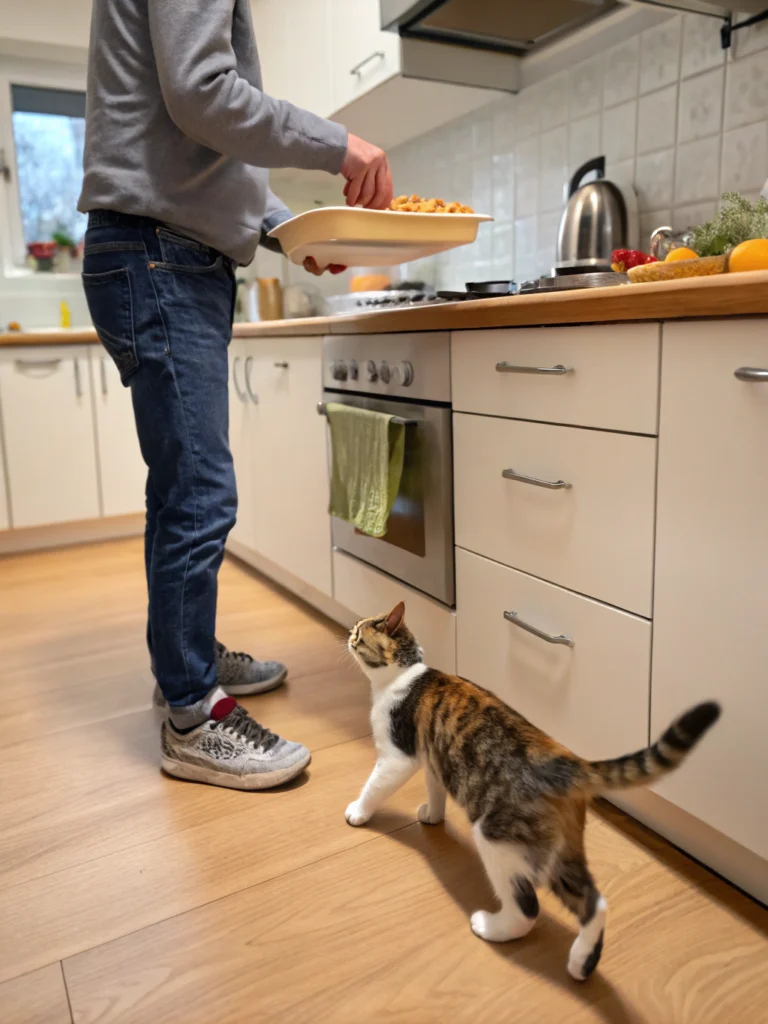
Your feline friend naturally prefers several small meals throughout the day. Split their daily food allowance into multiple portions served at consistent times.
Follow package instructions based on your companion’s weight and activity level. This ensures proper nutrition without overfeeding.
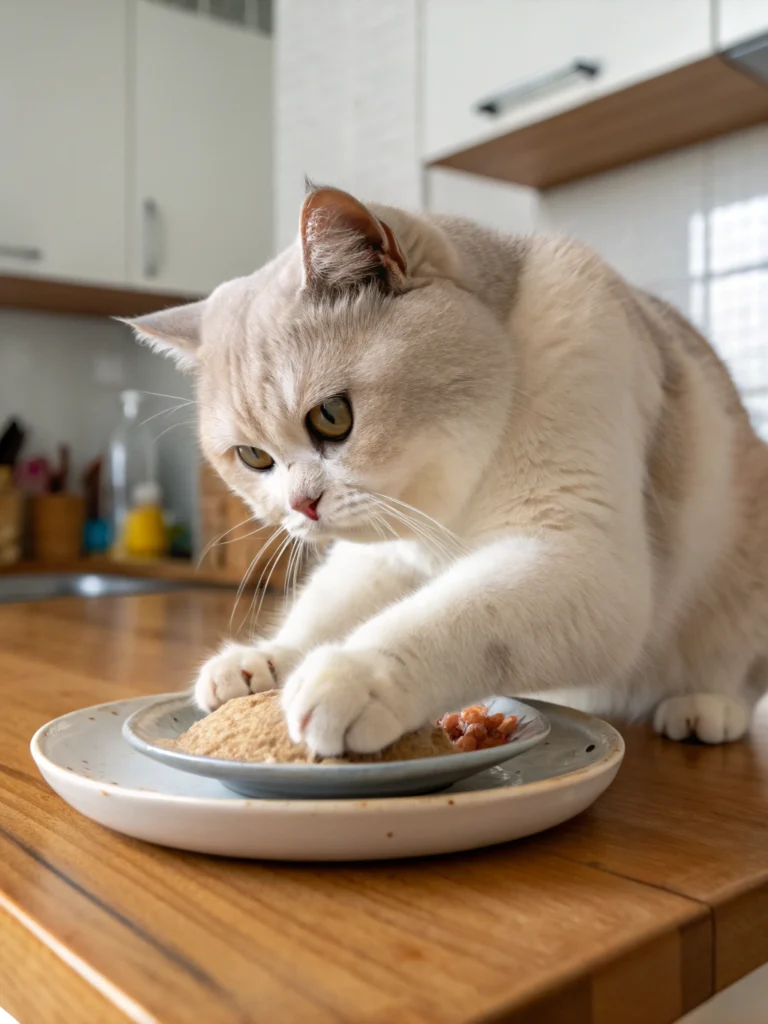
Food games turn mealtime into active play. Try puzzle feeders or treat balls that release kibble when rolled. DIY options using toilet paper tubes work well too.
These activities provide mental stimulation and physical exercise. They mimic natural hunting behaviors that burn energy.
Monitoring Weight and Preventing Obesity
Regular weight checks help catch problems early. You should easily feel your pet’s ribs when stroking their side.
View your companion from above to see a clear waistline. From the side, their belly should appear tucked up.
Household cats lack outdoor exercise like climbing and chasing. This makes intentional activity crucial for preventing obesity.
Excess weight can lead to serious health issues including diabetes and joint problems. Consistent exercise and proper food portions offer the best prevention strategy.
Remember to account for treat calories in daily totals. Even small snacks contribute to weight gain over time.
Managing Litter, Scratching, and Grooming
Proper management of essential habits prevents common household frustrations and keeps your pet content. Getting the litter box and scratching arrangements right is crucial for a harmonious home.
Setting Up the Ideal Litter Box
Choose a quiet, low-traffic area for the litter box. Your feline companion values privacy, just like people do. A peaceful location reduces stress and encourages consistent use.
The box itself must be spacious. It should be at least 1.5 times your pet’s length. This gives them room to move around comfortably before they toilet.
Fill the box with a good depth of litter, about three centimeters. This allows for natural digging and covering behaviors. Cleanliness is non-negotiable for fastidious animals.
Scoop waste daily and change the litter completely each week. Avoid strong-smelling cleaners or scented litter. These odors can deter your pet from using their box.
If you have multiple cats, provide more boxes. The rule is one per cat, plus one extra. Even a single pet might prefer separate areas for different needs.
Choosing Safe Scratching Posts and Grooming Techniques
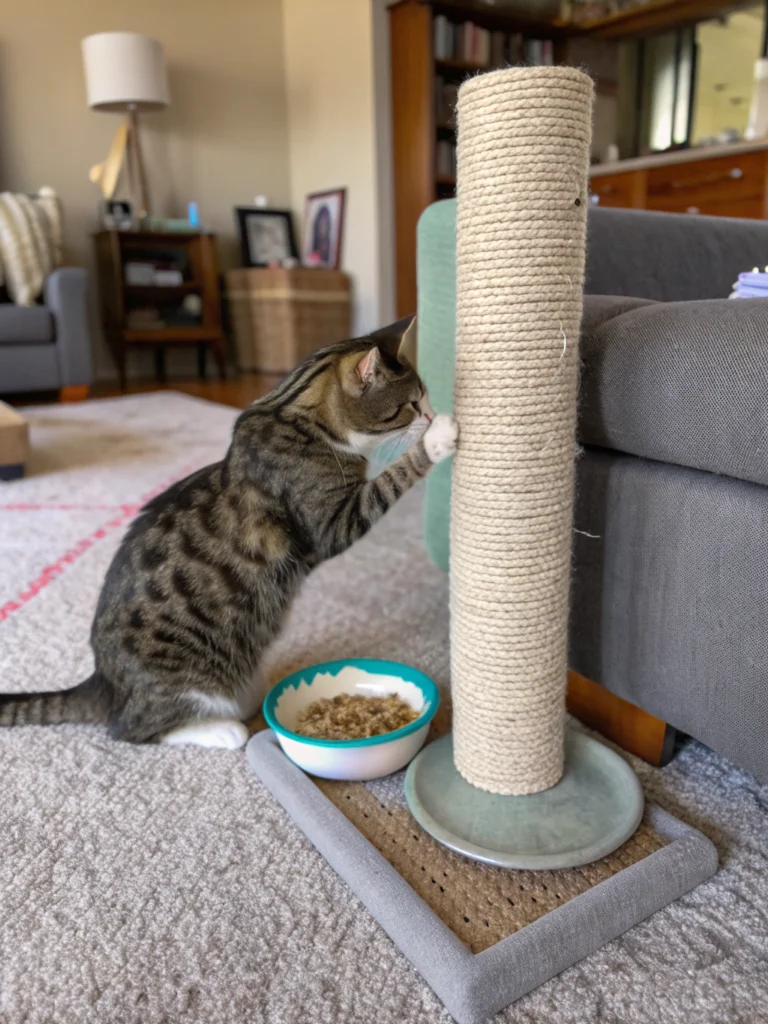
Scratching is a natural and healthy behavior. It maintains claws, exercises muscles, and marks territory. Providing good outlets protects your furniture.
Select a tall, sturdy post that won’t wobble or tip. Sisal rope or cardboard are excellent surface materials. Place posts in areas where your pet likes to spend time.
Some animals prefer vertical surfaces, while others like horizontal ones. Offering variety in different household areas meets their instincts. This provides an appropriate outlet for their energy.
Regular grooming is a wonderful bonding activity. It removes dead hair and stimulates circulation. Use a suitable brush for your pet’s coat type.
Keep sessions gentle and short. Let your companion be in control. Focus on areas like the head and neck, which they naturally groom. This makes the experience positive for everyone.
Interactive Indoor Enrichment and Training
Your feline friend’s natural hunting drive doesn’t disappear just because they live indoors. This instinct needs regular expression through engaging activities.
Turn mealtime into an adventure using food puzzles. Hide small portions around your home or use treat-dispensing toys.
Engaging Your Pet’s Hunting Instincts in Mealtime Play
Start with simple puzzles like cardboard boxes with holes. Gradually increase difficulty as your companion learns.
This approach provides mental stimulation while slowing eating. It satisfies predatory behaviors in a safe way.
Introducing Rotating Toys and Training Activities
Rotate toys weekly to maintain novelty. Put some away and reintroduce them later for renewed interest.
Try fishing rod toys with feather attachments. These trigger stalking and chasing instincts effectively.
Training sessions offer powerful mental workouts. Even basic commands strengthen your bond.
Always supervise play with string toys. Put them away when you cannot watch directly.
These enrichment strategies prevent boredom and associated problems. They keep your pet happily engaged.
Conclusion
Every choice you make shapes the quality of life your animal companion experiences. While indoor cats enjoy safer living conditions, they rely completely on you to meet their physical and emotional needs.
All the elements we’ve discussed work together for your pet’s health. Proper nutrition, engaging play, and comfortable spaces create a complete lifestyle. Understanding natural instincts helps you provide appropriate outlets indoors.
Start with small changes and build gradually. Pay attention to what your specific cat enjoys most. The effort brings wonderful rewards—a happy, healthy companion who thrives in your care.
FAQ
What are the main benefits of an indoor lifestyle for my pet?
Keeping your furry friend inside offers great safety from outdoor dangers like traffic and wildlife. It also helps protect local birds and small animals. An indoor life often leads to better health and a longer lifespan for your companion.
How can I stop my cat from scratching the furniture?
Provide sturdy, appealing scratching posts in areas your pet frequents. Encourage use with catnip and praise. Trim claws regularly and use soft nail caps if needed. Redirect scratching to appropriate posts to save your household items.
My cat seems bored. How can I add more stimulation?
Rotate a variety of toys to keep things fresh. Try puzzle feeders that make mealtime a hunting game. Create vertical space with cat trees and shelves. Even a window perch can provide hours of entertainment watching the world outside.
What’s the best way to prevent obesity and encourage exercise?
Measure food portions carefully and avoid free-feeding. Engage in daily interactive play sessions with wand toys. Food-dispensing toys that require movement are excellent for burning energy. Regular weight checks help you stay on top of their health.
How do I set up the ideal litter box to avoid problems?
Choose a box that’s large enough and place it in a quiet, low-traffic area. Most homes need one box per cat, plus one extra. Scoop waste daily and use an unscented, clumping litter. This setup reduces stress and keeps your home smelling fresh.
Can I train my indoor cat to do tricks or use a leash?
Absolutely! Use positive reinforcement with tasty treats. Start with simple commands like “sit.” For leash training, begin with a harness indoors. Go slowly and make it a positive experience. This builds a strong bond and provides mental enrichment.