Cat Meowing Excessively at Night in 2026
Cat Meowing Excessively at Night in 2026
Table of Contents
Cat Meowing Excessively at Night
Introduction
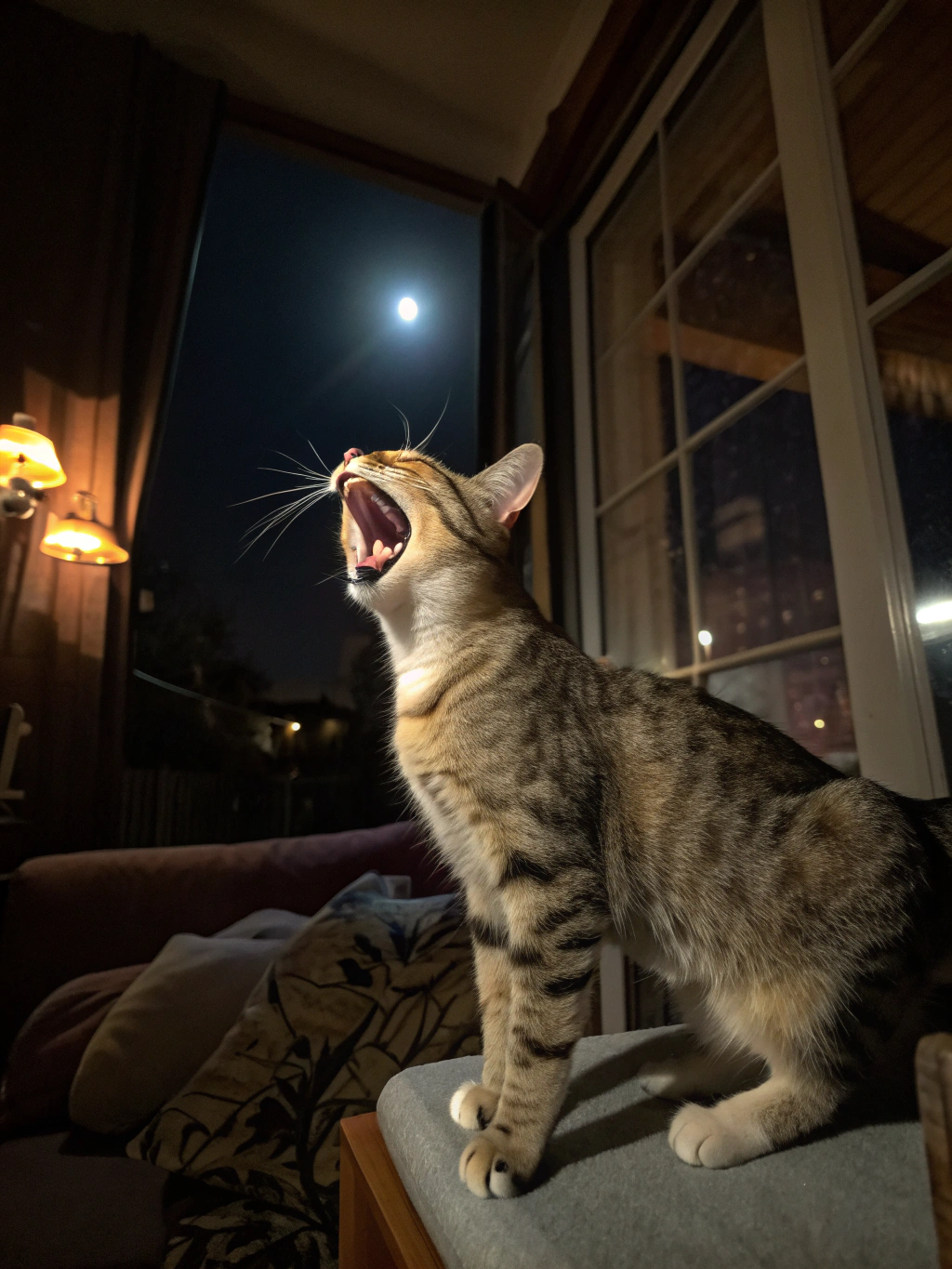
Did you know that nearly 45% of cat owners report being woken up by their feline companions at least three times per week? If you’re reading this, chances are you’ve experienced the frustration of cat meowing excessively at night, disrupting your sleep and leaving you exhausted the next day. This common behavioral issue isn’t just annoying—it’s often a signal that something in your cat’s environment, health, or routine needs attention. Understanding why cats vocalize during nighttime hours and implementing effective solutions can transform your household from chaos to calm. In this comprehensive guide, we’ll explore the root causes of nighttime meowing and provide actionable strategies to help both you and your cat enjoy peaceful, restful nights.
Cat Supplies & Essentials
Addressing nighttime meowing often starts with ensuring your cat has the right supplies to meet their physical and emotional needs:
Litter Box: A clean, easily accessible litter box is essential. Cats may vocalize if their box is dirty or hard to reach during nighttime. Consider one litter box per cat, plus one extra, placed in quiet, low-traffic areas.
High-Quality Cat Food: Proper nutrition impacts energy levels and behavior. Choose age-appropriate, protein-rich food that keeps your cat satisfied through the night.
Interactive Toys: Puzzle feeders, feather wands, and laser pointers provide mental stimulation and physical exercise, helping tire out your cat before bedtime.
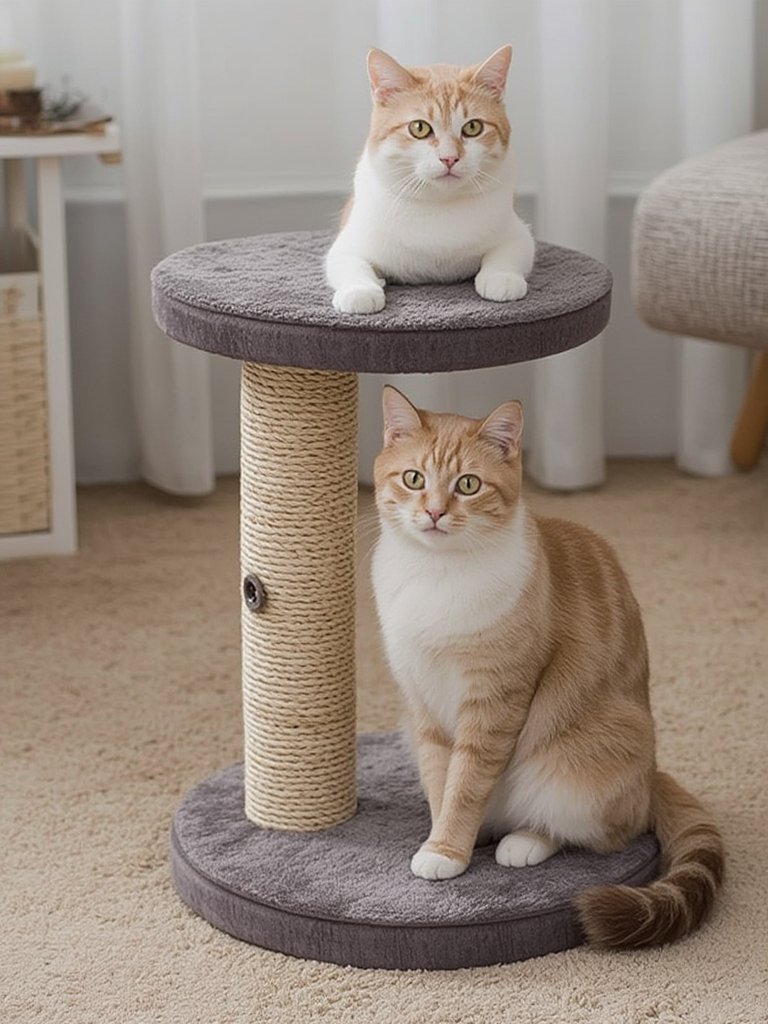
Scratching Posts: Cats need appropriate outlets for scratching to relieve stress and mark territory. Place posts near sleeping areas to discourage restless nighttime behavior.
Comfortable Cat Bed: A cozy, warm bed positioned in a quiet corner gives your cat a designated sleeping spot, encouraging nighttime rest.
Automatic Feeder: Timed feeders can provide small meals during early morning hours, preventing hunger-related meowing without requiring you to wake up.
Water Fountain: Fresh, flowing water encourages hydration and can be especially appealing to cats who might otherwise wake you for attention.
Calming Aids: Consider pheromone diffusers or calming collars that release soothing scents, helping anxious cats relax during nighttime hours.
Optional Items: Cat trees for vertical exploration, window perches for environmental enrichment, and grooming tools to maintain comfort and health.
Timeline / Progress Expectations
Understanding the timeline for behavioral improvements helps set realistic expectations:
Days 1-3: Begin implementing environmental changes and new routines. Your cat may initially resist changes, and meowing might temporarily increase as they adjust.
Week 1: Most cats start adapting to new feeding schedules and play routines. You should notice slight reductions in vocalization intensity or frequency.
Weeks 2-3: Significant behavioral improvements typically emerge. According to feline behaviorists, 65% of cats show measurable reduction in cat vocalization problems within this timeframe when consistent strategies are applied.
Week 4: Established routines should be firmly in place. Most cats have adapted to new sleep-wake cycles aligned with human schedules.
Ongoing Maintenance: Continue consistent routines while remaining flexible. Seasonal changes, household disruptions, or aging may require periodic adjustments.
Daily Routine: Feed your cat at consistent times, with the last meal 1-2 hours before your bedtime. Dedicate 20-30 minutes to interactive play each evening.
Weekly Care: Clean litter boxes thoroughly, rotate toys to maintain novelty, and assess your cat’s overall health and contentment.
Step-by-Step Instructions
Step 1: Rule Out Medical Issues
Before addressing behavioral causes, schedule a veterinary examination. Conditions like hyperthyroidism, cognitive dysfunction, hypertension, or dental pain can cause excessive nighttime vocalization. Senior cats especially may experience confusion or discomfort that manifests as meowing. Your vet can perform blood work, blood pressure checks, and physical examinations to identify or eliminate medical causes.
Step 2: Establish a Consistent Evening Routine
Create a predictable pre-bedtime sequence that signals sleep time. Start with an energetic play session approximately one hour before bed, mimicking hunting behavior with interactive toys. Follow with a small meal or treat, allowing your cat to “feast” after their “hunt.” This routine satisfies natural instincts and promotes restfulness.
Step 3: Increase Daytime Stimulation
Cats are crepuscular (most active at dawn and dusk) but can adapt to human schedules with proper enrichment. Provide puzzle feeders, rotate toys regularly, and create vertical spaces for climbing. If possible, arrange safe window viewing areas where cats can watch outdoor activity. Increasing daytime engagement reduces boredom-driven nighttime activity.
Step 4: Ignore Attention-Seeking Behavior
This step requires patience and consistency. If your cat meows for attention and you’ve ruled out medical issues and met their needs, avoid responding to nighttime vocalizations. Any interaction—even scolding—reinforces the behavior. Instead, reward quiet behavior with attention during appropriate daytime hours.
Step 5: Create an Optimal Sleep Environment
Ensure your cat has a comfortable sleeping area with appropriate temperature, minimal noise, and dim lighting. Some cats prefer enclosed beds that provide security, while others enjoy elevated perches. Consider leaving a night light if your cat seems disoriented in darkness.
Step 6: Adjust Feeding Schedule
Hunger commonly triggers early morning meowing. Try feeding smaller, more frequent meals throughout the day, with the largest portion right before bedtime. Automatic feeders programmed for early morning can address hunger without reinforcing attention-seeking behavior.
Health Benefits / Cat Advantages
Addressing excessive nighttime meowing provides numerous benefits beyond peaceful sleep:
Improved Mental Health: Cats experiencing reduced stress from environmental modifications show 40% fewer anxiety-related behaviors according to recent feline behavior studies.
Better Physical Condition: Increased daytime activity through play and enrichment helps maintain healthy weight, reducing obesity-related health risks by up to 30%.
Enhanced Bond: Structured play and attention during appropriate hours strengthens the human-cat relationship, increasing mutual trust and affection.
Cognitive Stimulation: Mental enrichment through puzzle feeders and interactive toys keeps cats mentally sharp, particularly benefiting senior cats at risk for cognitive decline.
Reduced Stress: Predictable routines and met needs lower cortisol levels in cats, promoting overall wellbeing and immune function.
Longer Lifespan: Cats receiving appropriate care, nutrition, and mental stimulation typically enjoy longer, healthier lives with fewer behavioral problems.
Alternative Methods & Tips
For Small Living Spaces: Maximize vertical territory with wall-mounted shelves and tall cat trees. Use rotating toy systems to maintain novelty without cluttering limited space.
Multi-Cat Households: Ensure each cat has individual resources (food bowls, litter boxes, sleeping areas) to prevent competition-related stress that may manifest as nighttime vocalization.
Budget-Friendly Options: Create DIY puzzle feeders from cardboard boxes, use crumpled paper balls for chase games, and repurpose cardboard scratchers instead of expensive alternatives.
For Different Life Stages: Kittens require more frequent play sessions with shorter duration. Senior cats benefit from gentle interactive toys and heated beds for comfort.
Climate Considerations: In cold weather, provide extra bedding and warm sleeping spots. During hot months, ensure adequate ventilation and water access.
For Anxious Cats: Gradually introduce changes, use pheromone products, and consider calming supplements recommended by your veterinarian.
Outdoor-to-Indoor Transitions: Cats adjusting to indoor life may vocalize more initially. Provide extensive enrichment and consider supervised outdoor time in catios or on leashes.
Common Mistakes to Avoid
Inconsistent Responses: Responding to meowing sometimes but not others confuses your cat and reinforces the behavior unpredictably.
Free-Feeding: Leaving food out all day eliminates the structure that helps regulate sleep-wake cycles and can lead to obesity.
Insufficient Play: Many owners underestimate cats’ exercise needs. Two 10-15 minute active play sessions daily are minimum requirements for most adult cats.
Punishment: Yelling, spraying water, or physical corrections increase stress and damage trust without addressing underlying causes.
Ignoring Routine Changes: Disruptions in household schedules, new pets, or renovations can trigger stress-related meowing that requires extra patience and gradual adjustment.
Overlooking Litter Box Issues: Dirty boxes, wrong litter type, or inconvenient locations cause discomfort that may manifest as nighttime vocalization.
Delayed Veterinary Care: Assuming all meowing is behavioral when medical issues may be present can allow conditions to worsen unnecessarily.
Overfeeding Treats: Using excessive treats for distraction adds calories without providing meaningful enrichment or addressing root causes.
Storage & Maintenance Tips
Cat Food Storage: Keep dry food in airtight containers in cool, dark locations to maintain freshness. Store opened wet food in refrigerators for no more than 2-3 days.
Litter Box Maintenance: Scoop daily and completely change litter weekly. Wash boxes monthly with mild, unscented soap to prevent odor buildup that might discourage use.
Toy Care: Rotate toys weekly to maintain interest. Wash fabric toys monthly and inspect all toys for damage that could pose choking hazards.
Bedding Hygiene: Wash cat beds every 1-2 weeks in hot water to eliminate parasites, allergens, and odors.
Water Fountain Cleaning: Disassemble and clean thoroughly weekly, replacing filters according to manufacturer recommendations to prevent bacterial growth.
Seasonal Adjustments: Deep clean all cat areas during seasonal transitions, adjusting bedding warmth and environmental enrichment based on weather changes.
Supply Organization: Designate specific storage areas for cat supplies, making routine care more efficient and ensuring you notice when supplies need replenishment.
Conclusion
Addressing cat meowing excessively at night requires patience, consistency, and understanding of your cat’s individual needs. By ruling out medical causes, establishing predictable routines, providing adequate enrichment, and responding appropriately to vocalizations, you can help your feline companion develop healthier sleep patterns while strengthening your bond. Remember that behavioral changes take time—most cats show significant improvement within 2-4 weeks of consistent implementation. Start tonight by establishing an evening play routine and adjusting feeding schedules, then build from there. Have you tried any of these techniques? Share your experiences in the comments below, and explore our related guides on cat behavior and enrichment for more helpful insights!
FAQs
Q: Why does my cat meow at 3 AM every morning?
A: Cats often meow at consistent times due to learned behavior (you’ve previously responded at that hour), hunger from irregular feeding schedules, or natural crepuscular activity patterns. Senior cats may also experience cognitive dysfunction causing disorientation. Address this by establishing consistent feeding times, increasing daytime activity, and ensuring medical issues are ruled out.
Q: How long will it take to stop my cat’s nighttime meowing?
A: With consistent application of behavioral strategies, most cats show improvement within 2-3 weeks. However, the timeline varies based on how long the behavior has been established, your cat’s age, and underlying causes. Behaviors reinforced over years may take 4-6 weeks to significantly improve. Consistency is crucial—any inconsistent responses reset progress.
Q: Should I let my cat sleep in my bedroom if they meow at night?
A: This depends on whether bedroom access reduces or increases meowing. Some cats settle quietly when near their owners, while others learn that bedroom meowing gets attention. If allowing bedroom access, provide a comfortable cat bed away from your bed and ignore any attention-seeking vocalizations completely.
Q: Could my cat be meowing because they’re sick?
A: Yes, medical conditions frequently cause increased vocalization, especially in cats over 7 years old. Hyperthyroidism, hypertension, kidney disease, dental pain, and cognitive dysfunction can all trigger excessive meowing. If your cat’s vocalization pattern suddenly changes, intensity increases, or they show other symptoms like appetite changes or lethargy, schedule a veterinary examination immediately.
Q: What’s the best way to tire out my cat before bedtime?
A: Interactive play sessions mimicking hunting behavior work best. Use wand toys with feathers or attachments that move unpredictably, encouraging your cat to stalk, pounce, and “capture” prey. Aim for 15-20 minutes of active play, followed by a small meal. This sequence satisfies hunting instincts and promotes natural post-meal grooming and sleep cycles.