Cat Care for Apartment Living in 2026
Cat Care for Apartment Living in 2026
Table of Contents
Cat Care for Apartment Living
Introduction
Did you know that over 30% of cat owners in urban areas worry their pets aren’t getting enough stimulation in smaller living spaces? Despite common assumptions, cats can thrive wonderfully in apartments when provided with proper care, enrichment, and attention to their unique needs. Cat care for apartment living requires thoughtful planning and understanding of feline behavior, but the rewards are immense—a happy, healthy companion who adapts beautifully to indoor life. Whether you’re a first-time cat parent or transitioning your feline friend to a smaller space
Cat Supplies & Essentials
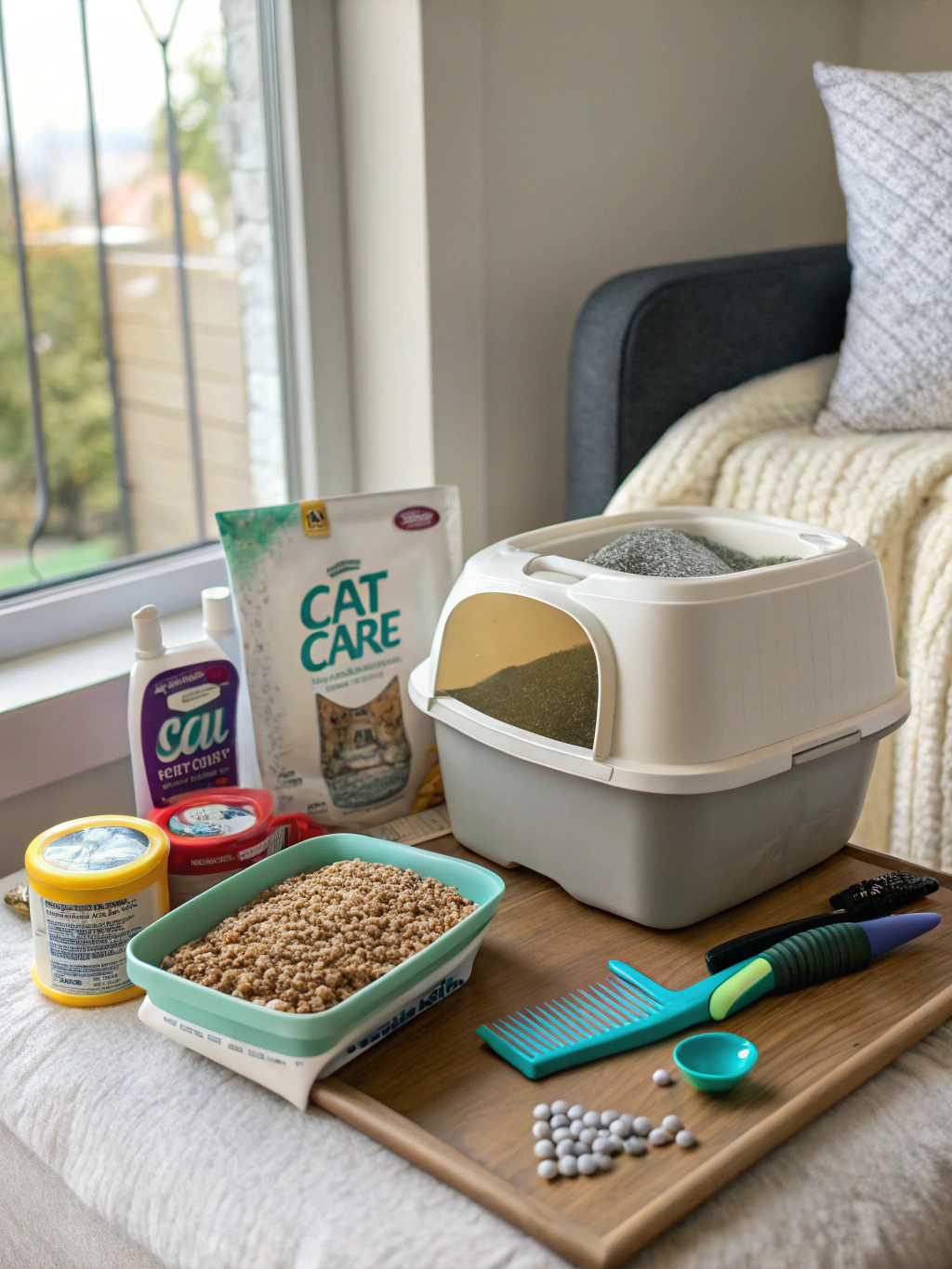
Creating a comfortable apartment environment for your cat starts with gathering the right supplies. Here’s a detailed breakdown of essential and optional items:
Litter Boxes: The golden rule is one box per cat, plus one extra. For apartments, choose covered or self-cleaning models to minimize odor. Place them in quiet, accessible locations away from food and water stations.
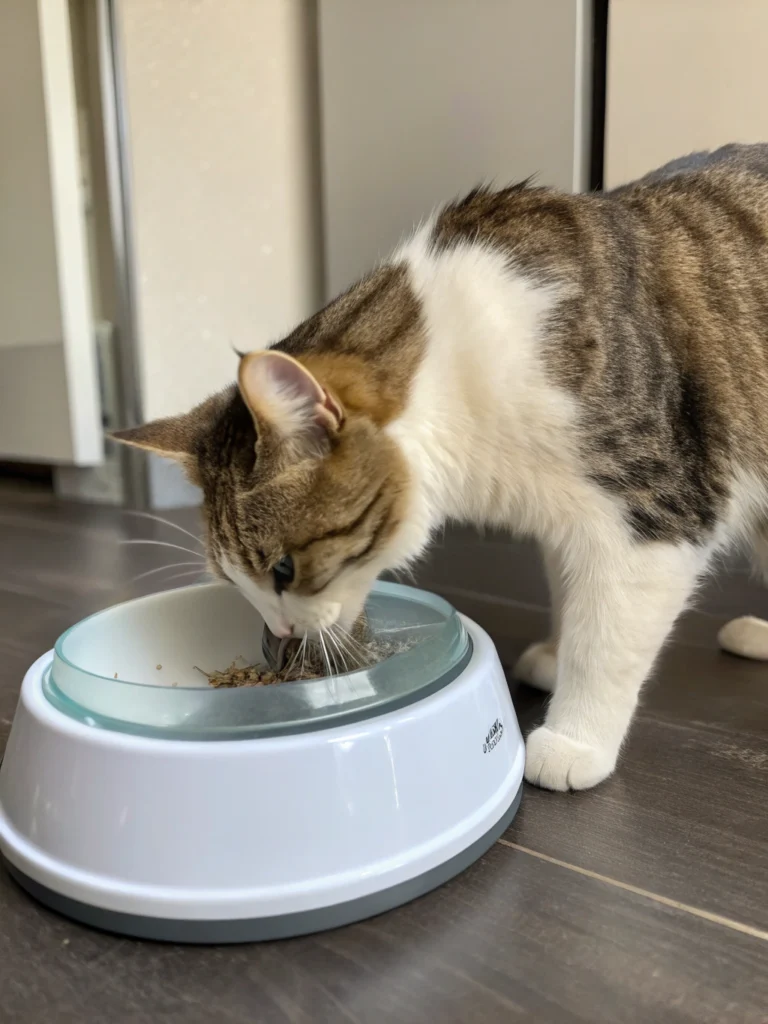
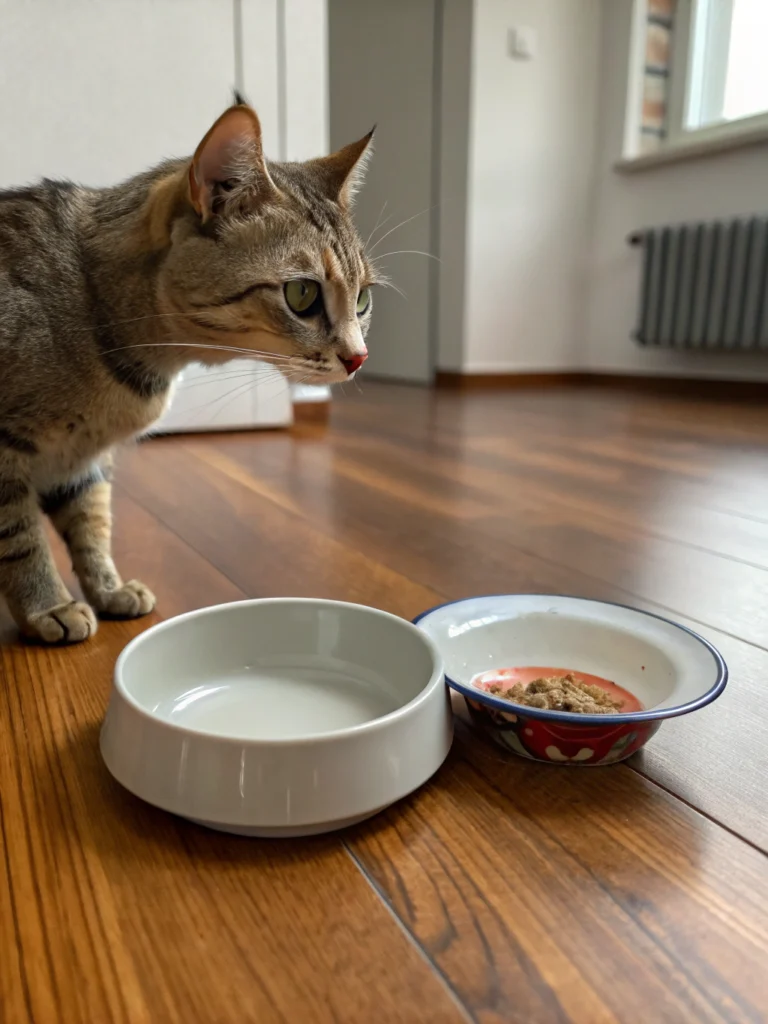
High-Quality Cat Food: Invest in age-appropriate, protein-rich cat food. Wet food helps with hydration, while dry kibble supports dental health. Store food properly to maintain freshness and nutritional value.
Scratching Posts: Essential for apartment cats care, these prevent furniture damage and allow natural claw maintenance. Choose tall, sturdy posts covered in sisal or cardboard alternatives.
Interactive Toys: Puzzle feeders, feather wands, laser pointers, and treat-dispensing toys provide mental stimulation and combat boredom in confined spaces.
Cat Trees or Vertical Spaces: Multi-level cat trees maximize vertical territory, crucial for apartments where floor space is limited. These satisfy climbing instincts and provide observation perches.
Grooming Tools: Brushes, nail clippers, and dental care supplies maintain your cat’s health and reduce shedding throughout your living space.
Comfortable Beds: Provide multiple cozy spots—window perches, enclosed caves, or heated beds—giving your cat choices for rest and security.
Carriers: Essential for vet visits and emergencies. Acclimate your cat gradually by leaving it out as a comfortable hiding spot.
Water Fountains: Encourage hydration with flowing water, particularly important for apartment cats who may be less active.
Timeline / Progress Expectations
Understanding realistic timelines helps set appropriate expectations for your apartment cat’s adjustment and care routines:
Initial Adaptation (1-2 weeks): New cats may hide initially, gradually exploring their environment. Provide safe spaces and maintain consistent feeding schedules. Most cats begin showing curiosity and comfort within 7-10 days.
Litter Training Establishment (2-3 weeks): Kittens typically master litter box habits within two weeks. Adult cats usually adapt within days, though behavioral issues may require 3-4 weeks of consistent reinforcement.
Scratching Post Training (3-4 weeks): Redirecting scratching behavior takes patience. With daily encouragement using catnip and positive reinforcement, most cats consistently use scratching posts within a month.
Dietary Transitions (7-10 days): When changing food brands, gradually mix new food with old over a week to prevent digestive upset. Monitor stool consistency and energy levels throughout.
Daily Routines: Establish 15-20 minutes of active play twice daily, morning feeding schedules, and evening quiet time. Cats thrive on predictability.
Weekly Maintenance: Litter box deep-cleaning, toy rotation, and grooming sessions should occur weekly to maintain hygiene and engagement.
Seasonal Adjustments: Winter may require additional indoor enrichment, while summer demands attention to hydration and temperature regulation.
Step-by-Step Instructions
Step 1: Create Vertical Territory
Install cat shelves, trees, or wall-mounted perches at varying heights. Start low and gradually encourage climbing with treats. This maximizes usable space and satisfies natural climbing instincts essential for apartment-dwelling cats.
Step 2: Establish Feeding Stations
Designate quiet feeding areas away from litter boxes. Use puzzle feeders to slow eating and provide mental stimulation. Feed at consistent times daily to establish routine and prevent anxiety-related behaviors.
Step 3: Implement Play Schedules
Dedicate two 15-minute active play sessions daily using interactive toys. Mimic prey movements with wand toys, allowing your cat to “catch” the toy periodically to prevent frustration and maintain engagement.
Step 4: Set Up Enrichment Zones
Create window perches with bird feeders outside for natural entertainment. Rotate toys weekly to maintain novelty. Hide treats around the apartment to encourage natural foraging behaviors.
Step 5: Maintain Litter Box Hygiene
Scoop daily, completely change litter weekly, and deep-clean boxes monthly with mild, unscented soap. Poor litter box maintenance is the leading cause of elimination problems in apartment cats.
Step 6: Establish Grooming Routines
Brush your cat 2-3 times weekly, checking for skin issues, mats, or parasites. Trim nails monthly and introduce dental care gradually using cat-specific toothpaste and brushes.
Health Benefits / Cat Advantages
Proper apartment cat care delivers significant health and behavioral benefits supported by veterinary research:
Mental Stimulation: Regular play and enrichment reduce stress hormones by up to 40%, preventing anxiety-related behaviors like over-grooming or aggression.
Weight Management: Structured feeding and activity schedules help maintain healthy weight. Studies show indoor cats with regular play routines are 25% less likely to become obese.
Behavioral Stability: Consistent routines reduce territorial stress, resulting in fewer litter box issues and destructive behaviors. Cats in enriched environments show 60% fewer stress markers.
Dental and Physical Health: Interactive feeding and appropriate toys promote dental health and muscle tone. Active apartment cats maintain better joint health and cardiovascular function.
Enhanced Bonding: Structured play and care routines strengthen human-animal bonds, with regular interaction reducing feline depression and increasing overall life satisfaction.
Safety and Longevity: Indoor apartment cats typically live 2-5 years longer than outdoor cats, protected from traffic, predators, and disease exposure.
Alternative Methods & Tips
Small Space Solutions: Use furniture with built-in cat spaces—ottomans with hideaways or bookcases with cat-accessible shelves. Maximize unused vertical space on walls and doors.
Budget-Friendly Enrichment: Create DIY toys from cardboard boxes, paper bags, and toilet paper rolls. Rotate household items safely to maintain novelty without purchasing expensive toys.
Climate Adaptations: In hot climates, provide cooling mats and ensure fresh water availability. Cold climates benefit from heated beds and draft-free sleeping areas.
Personality Considerations: Shy cats need more hiding spots and quiet zones. Active cats require intensive play sessions and challenging puzzle toys. Adjust your approach based on individual temperament.
Multi-Cat Households: Ensure sufficient resources—multiple litter boxes, feeding stations, and vertical spaces—to prevent territorial conflicts in limited apartment square footage.
Working Professional Tips: Automated feeders and water fountains maintain routines during long work hours. Leave interactive toys and consider a companion cat for socialization.
Common Mistakes to Avoid
Insufficient Litter Boxes: Using only one box or placing it in high-traffic areas leads to elimination issues. Always follow the “n+1” rule (number of cats plus one box).
Feeding Inconsistencies: Free-feeding contributes to obesity. Measured, scheduled meals maintain healthy weight and allow monitoring of appetite changes that signal health issues.
Neglecting Vertical Space: Focusing only on floor space ignores cats’ natural climbing instincts, resulting in bored, frustrated pets exhibiting destructive behaviors.
Inadequate Play: Assuming cats self-entertain leads to obesity, aggression, and depression. Active daily engagement is non-negotiable for apartment cats.
Ignoring Environmental Enrichment: Static environments cause stress. Failing to rotate toys, provide window access, or create stimulation results in behavioral problems.
Overusing Treats: Excessive treats contribute to nutritional imbalances and weight gain. Limit treats to 10% of daily caloric intake.
Punishment-Based Training: Negative reinforcement damages trust and increases anxiety. Always use positive reinforcement techniques for behavior modification.
Postponing Veterinary Care: Apartment cats still require annual check-ups, vaccinations, and preventive care despite reduced outdoor exposure.
Storage & Maintenance Tips
Food Storage: Store dry food in airtight containers in cool, dark locations to preserve freshness. Refrigerate opened wet food and use within 2-3 days. Check expiration dates monthly.
Litter Management: Store litter in original packaging or sealed containers to prevent moisture absorption. Keep supplies accessible but away from living areas to minimize dust and odor.
Toy Organization: Rotate toys weekly, storing unused items in closed containers. Regularly inspect for damage, discarding broken pieces that pose choking hazards.
Cleaning Schedules: Daily: scoop litter, wash food bowls. Weekly: vacuum cat areas, clean litter boxes, launder bedding. Monthly: deep-clean feeding stations, sanitize carriers, inspect toys.
Odor Control: Use baking soda in litter boxes, ensure proper ventilation, and clean accidents immediately with enzymatic cleaners specifically designed for pet odors.
Seasonal Maintenance: Spring: deep-clean all cat areas, update flea prevention. Summer: ensure cooling options. Fall: check heating pad safety. Winter: increase grooming to manage indoor shedding.
Supply Inventory: Maintain two-week supplies of food, litter, and medications. Keep first-aid supplies accessible, including contact information for 24-hour emergency veterinary services.
Conclusion
Creating a thriving environment for your feline companion in an apartment is entirely achievable with the right knowledge, supplies, and commitment. From establishing consistent routines and providing vertical territory to maintaining proper nutrition and enrichment, every element contributes to your cat’s physical health and emotional well-being. Remember that apartment living doesn’t limit your cat’s quality of life—thoughtful care enhances it. Start implementing these evidence-based strategies today, observe your cat’s unique personality and preferences, and adjust accordingly.
FAQs
How much space does a cat really need in an apartment?
Cats don’t require extensive square footage but need vertical territory and enrichment. A studio apartment can comfortably house one or two cats if you provide cat trees, wall shelves, and multiple levels for climbing. Focus on quality of space—enrichment and stimulation—rather than quantity. Most cats thrive in 500+ square feet with proper environmental design.
Can apartment cats be happy without outdoor access?
Absolutely. Indoor apartment cats often live longer, healthier lives than outdoor cats. The key is providing adequate mental and physical stimulation through interactive play, window perches with outdoor views, puzzle feeders, and regular human interaction. Many cats prefer the security of indoor environments when properly enriched.
How often should I play with my apartment cat?
Dedicate at least two 15-minute active play sessions daily using interactive toys that mimic prey. Adjust based on your cat’s age and energy level—kittens and young cats may need 3-4 sessions, while senior cats benefit from gentler, shorter play periods. Consistent engagement prevents obesity and behavioral issues.
What’s the best litter box setup for small apartments?
Use at least two litter boxes for one cat, placed in separate quiet locations. Choose covered models or top-entry boxes to contain litter and reduce odor. Self-cleaning boxes work well for busy owners. Scoop daily and use low-dust, odor-controlling litter. Proper ventilation and daily maintenance make litter boxes manageable even in studio apartments.
How can I prevent my apartment cat from becoming bored or destructive?
Provide environmental enrichment through vertical spaces, rotating toys, puzzle feeders, and scheduled play sessions. Create window viewing areas with bird feeders outside. Consider cat TV or calming music during absences. For very active cats, harness training for supervised outdoor exploration or adopting a compatible companion cat can provide additional stimulation and prevent boredom-related destruction.