Cat Daily Routine Checklist in 2026
Cat Daily Routine Checklist in 2026
Table of Contents
Cat Daily Routine Checklist
Introduction
Did you know that cats with structured daily routines experience 40% less stress-related behavioral issues compared to those without consistent schedules? Creating a cat daily routine checklist isn’t just about organization—it’s about enhancing your feline companion’s physical health, mental wellbeing, and overall quality of life. Whether you’re a new cat parent or a seasoned enthusiast looking to refine your approach, implementing a systematic daily cat care routine can transform your relationship with your pet while preventing common health and behavioral problems.
Cat Supplies & Essentials
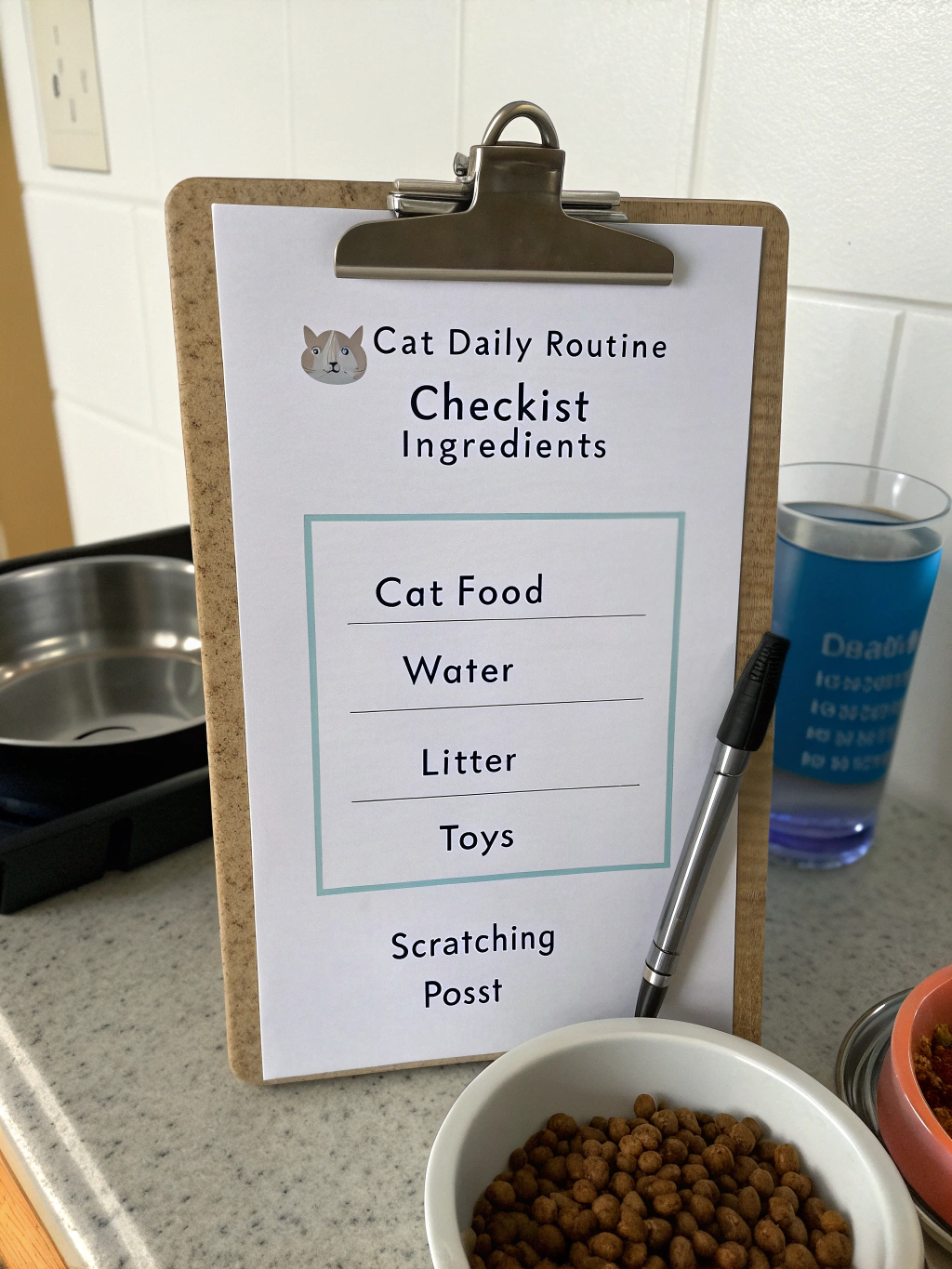
Building a successful cat daily routine checklist starts with having the right supplies readily available:
Litter Box and Supplies: Invest in at least one litter box per cat, plus one extra. Choose clumping, low-dust litter and keep a scoop, liner bags, and odor neutralizer nearby. Self-cleaning boxes offer convenience for busy households.
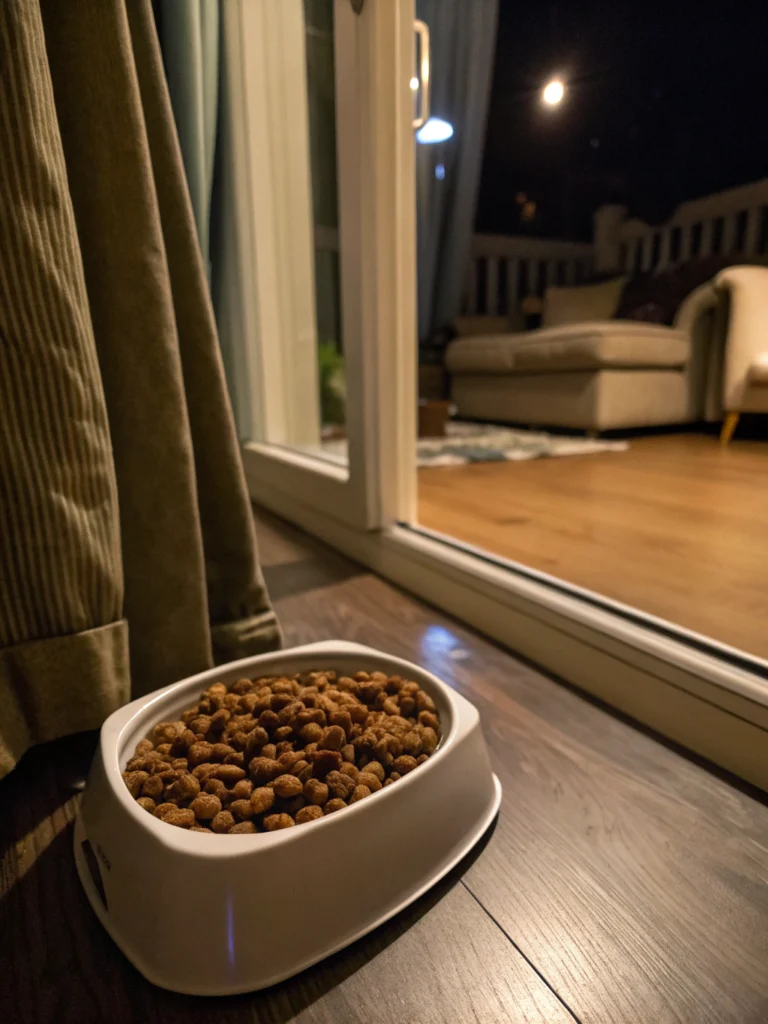
Quality Cat Food: Stock both wet and dry food appropriate for your cat’s age, weight, and health status. Store food in airtight containers to maintain freshness and nutritional value.
Water Fountain or Bowls: Cats are naturally attracted to running water. A fountain encourages hydration, which is crucial for kidney and urinary health. Alternatively, use ceramic or stainless steel bowls changed twice daily.
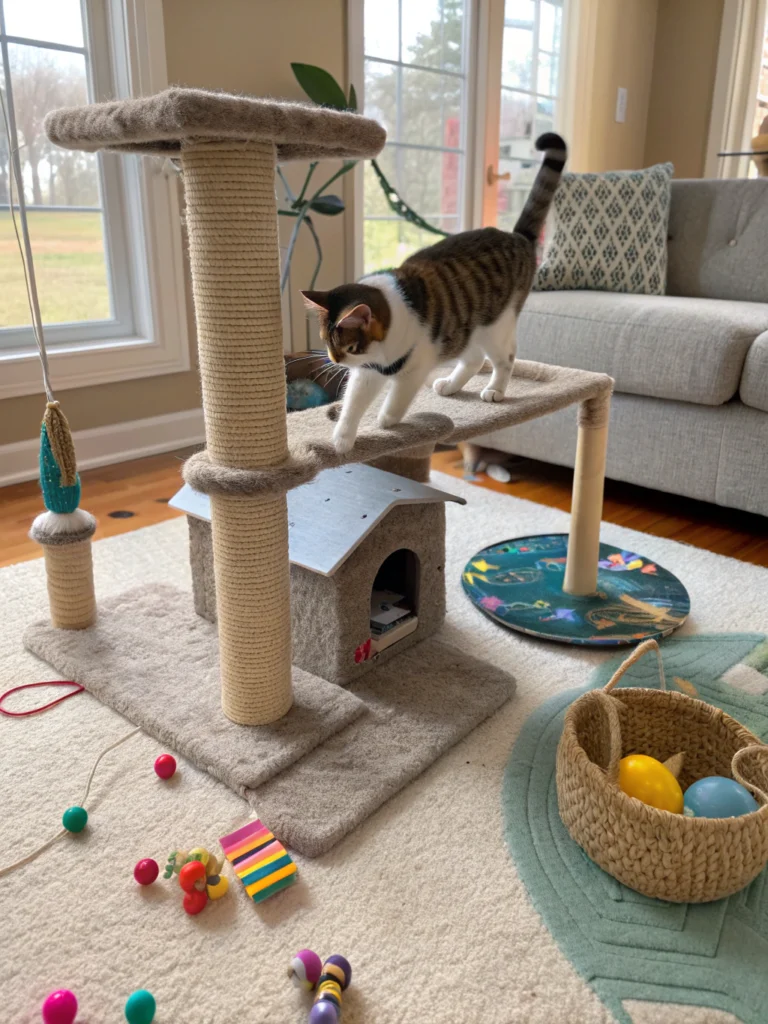
Interactive Toys: Rotate between feather wands, puzzle feeders, laser pointers, and catnip toys to provide mental stimulation and prevent boredom.
Scratching Posts: Essential for nail maintenance and territorial marking. Place multiple posts in different areas, varying textures (sisal, cardboard, carpet).
Grooming Tools: Keep a brush appropriate for your cat’s coat length, nail clippers, and dental care supplies. Long-haired cats benefit from de-shedding tools.
Comfortable Bedding: Provide multiple resting spots including elevated perches, enclosed beds, and window seats that offer security and environmental enrichment.
Carrier and First Aid Kit: Essential for vet visits and emergencies. Keep the carrier accessible and familiar to reduce travel stress.
Optional Enhancements: Consider cat grass, calming pheromone diffusers, window perches, and treat-dispensing toys for additional enrichment.
Timeline / Progress Expectations
Understanding realistic timelines helps manage expectations when implementing your cat daily routine checklist:
Week 1-2: Routine Introduction
Your cat may show resistance or confusion as they adjust to new feeding times, play sessions, and care activities. Consistency is critical during this adaptation period.
Week 3-4: Pattern Recognition
Most cats begin anticipating routine activities. You’ll notice your cat waiting near their feeding area at meal times or bringing toys during scheduled play periods.
Month 2-3: Behavioral Improvements
Studies show cats demonstrate reduced anxiety behaviors, improved litter box habits, and better sleep patterns once routines are established. Destructive behaviors typically decrease by 30-50%.
Ongoing Maintenance
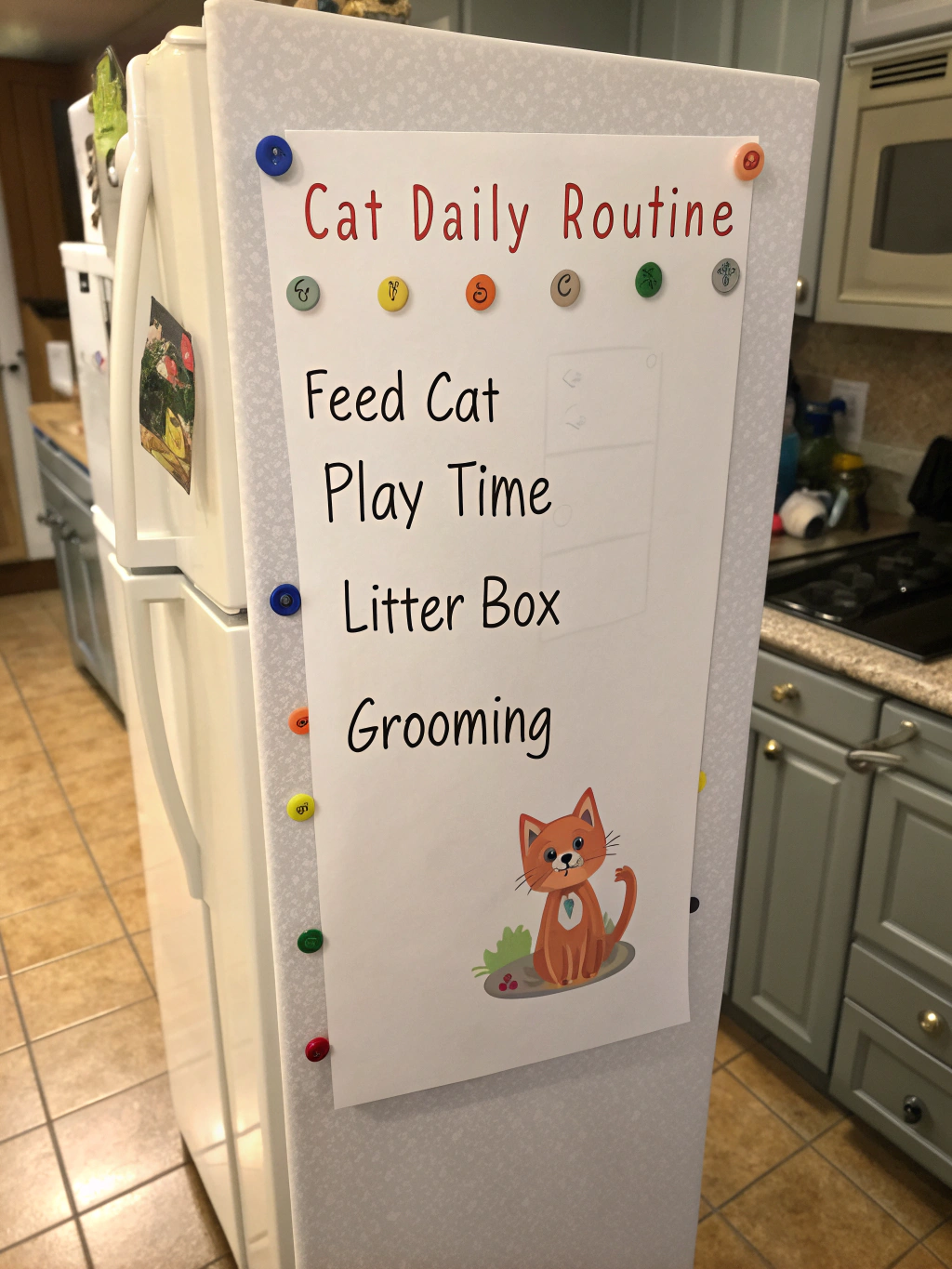
Daily routines should include 15-20 minutes of active play, two feeding sessions, litter box scooping, and brief grooming checks. Weekly tasks include deep litter box cleaning, toy rotation, and health assessments. Monthly activities involve nail trimming, thorough grooming sessions, and supply restocking.
Seasonal Adjustments
Expect to modify routines during seasonal changes. Cats shed more during spring and fall, requiring increased grooming. Winter months may necessitate additional indoor enrichment activities.
Step-by-Step Instructions
Morning Routine (6:00-9:00 AM)
Begin your day with a consistent wake-up time for feeding. Cats are crepuscular, naturally active during dawn. Provide fresh water and serve half their daily food portion. While they eat, scoop the litter box—this encourages immediate use and maintains hygiene standards. Spend 5-10 minutes in gentle play using interactive toys to channel hunting instincts productively.
Midday Check (12:00-2:00 PM)
If you’re home, engage in a brief play session or provide puzzle feeders for mental stimulation. Refresh water bowls and check that litter boxes remain clean. This is an excellent time for short grooming sessions, which many cats enjoy during their natural rest periods.
Evening Routine (5:00-8:00 PM)
Serve the second daily meal at a consistent time. Follow dinner with an energetic 10-15 minute play session to tire your cat before nighttime. Use wand toys or laser pointers to encourage full-body movement. Rotate toys weekly to maintain interest and novelty.
Nighttime Wind-Down (9:00-11:00 PM)
Perform final litter box maintenance and ensure fresh water is available. Provide a small treat or engage in calm activities like gentle petting or brushing. This signals bedtime and helps establish sleep boundaries, reducing nighttime disturbances.
Weekly Deep-Clean Tasks
Completely change litter and sanitize boxes with pet-safe cleaners. Wash food and water bowls in hot, soapy water. Vacuum cat furniture, beds, and favorite lounging areas to remove hair and dander. Inspect toys for damage and replace as needed.
Health Benefits / Cat Advantages
Implementing a structured cat daily routine checklist delivers measurable health advantages:
Reduced Stress and Anxiety: Research published in the Journal of Feline Medicine demonstrates that predictable routines decrease cortisol levels in cats by up to 35%, particularly benefiting anxious or rescue cats.
Optimal Weight Management: Scheduled feeding prevents obesity by controlling portion sizes and preventing free-feeding habits. Studies indicate that cats on feeding schedules are 23% less likely to become overweight.
Enhanced Mental Stimulation: Daily play sessions and environmental enrichment reduce depression, aggression, and destructive behaviors. Interactive play mimics hunting sequences, satisfying instinctual needs.
Better Digestive Health: Consistent meal times regulate digestive processes, reducing vomiting, constipation, and other gastrointestinal issues.
Early Disease Detection: Regular interaction during daily routines allows owners to notice subtle changes in behavior, appetite, or physical condition, enabling early veterinary intervention.
Improved Human-Cat Bond: Predictable interactions build trust and strengthen emotional connections, creating a more harmonious household environment.
Dental and Coat Health: Routine grooming prevents matting, reduces hairballs, and provides opportunities to inspect for skin issues or parasites.
Alternative Methods & Tips
For Small Living Spaces: Maximize vertical territory with wall-mounted shelves and cat trees. Use under-furniture storage for supplies. Consider automated feeders and self-cleaning litter boxes to streamline routines.
Budget-Conscious Solutions: DIY toys from cardboard boxes, paper bags, and household items provide enrichment without expense. Rotate existing toys rather than constantly purchasing new ones.
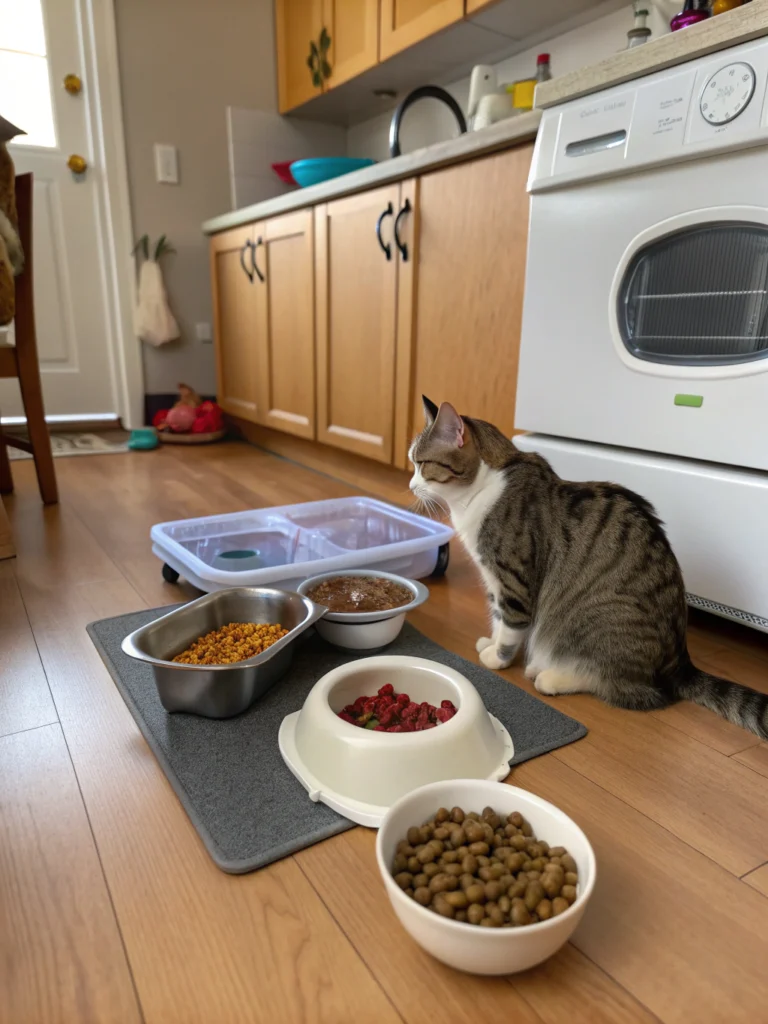
Multi-Cat Households: Establish individual feeding stations to prevent resource guarding. Provide multiple litter boxes in separate locations. Schedule one-on-one play sessions to address each cat’s unique personality and energy level.
Senior Cat Modifications: Older cats may need adjusted activity levels, softer bedding, easier litter box access, and more frequent health monitoring. Gentle play sessions prevent arthritis and maintain mobility.
Indoor/Outdoor Transitions: For cats transitioning indoors, increase environmental enrichment with window perches, cat TV videos, and supervised outdoor enclosure time.
Working Professional Adaptations: Automated feeders maintain meal schedules during work hours. Motion-activated toys provide midday stimulation. Consider hiring a pet sitter for extended absences.
Common Mistakes to Avoid
Inconsistent Feeding Times: Irregular meals disrupt digestive patterns and create anxiety. Stick to the same schedule within 30-minute windows, even on weekends.
Neglecting Litter Box Maintenance: Dirty boxes are the leading cause of inappropriate elimination. Scoop at least twice daily and perform weekly deep cleans.
Insufficient Play and Enrichment: Boredom leads to destructive behaviors, obesity, and depression. Minimum 15-20 minutes of active play daily is non-negotiable.
Overfeeding Treats: Treats should comprise no more than 10% of daily caloric intake. Excessive treats contribute to obesity and nutritional imbalances.
Ignoring Dental Care: Dental disease affects 70% of cats by age three. Incorporate weekly tooth brushing or dental treats into routines.
Skipping Regular Vet Visits: Annual wellness exams catch health issues early. Don’t wait for obvious symptoms to seek veterinary care.
Punishment-Based Training: Negative reinforcement damages trust and increases anxiety. Use positive reinforcement exclusively for behavior modification.
Lack of Routine Flexibility: While consistency is important, overly rigid schedules create stress when disruptions occur. Build in minor flexibility for special circumstances.
Storage & Maintenance Tips
Food Storage Best Practices: Store dry cat food in airtight containers in cool, dry locations away from direct sunlight. Use food within 6 weeks of opening for optimal freshness. Refrigerate opened wet food up to 3 days in sealed containers.
Litter Management: Store litter in original packaging or sealed bins to prevent moisture absorption and odor transfer. Keep supplies in accessible locations near litter boxes for convenient maintenance.
Toy Organization: Rotate toy selection weekly, storing inactive toys in breathable bins to maintain newness and interest. Wash fabric toys monthly in gentle, fragrance-free detergent.
Cleaning Supply Storage: Keep cat-safe enzymatic cleaners, paper towels, and spare supplies near litter box locations. Store grooming tools in designated caddies for easy access.
Medication and Supplements: If applicable, store in original containers according to label instructions. Set phone reminders for administration times to maintain consistency.
Seasonal Item Storage: Rotate seasonal enrichment items (cooling mats in summer, heated beds in winter) and store off-season items properly to extend their lifespan.
Conclusion
Creating an effective cat daily routine checklist transforms chaotic pet care into a systematic, rewarding experience that benefits both you and your feline companion. By implementing consistent feeding schedules, engaging play sessions, regular grooming, and proactive health monitoring, you’re investing in your cat’s long-term happiness and wellbeing. Remember that every cat is unique—adjust these guidelines to match your pet’s individual personality, age, and health requirements. Start small, remain consistent, and gradually build comprehensive routines that become second nature. Your efforts will be rewarded with a healthier, happier, and more well-adjusted cat.
FAQs
Q: How long does it take for a cat to adjust to a new daily routine?
A: Most cats adapt to new routines within 2-4 weeks with consistent implementation. Younger cats typically adjust faster than older cats or those with previous trauma. Maintain patience and consistency, rewarding positive responses with treats and affection to accelerate acceptance.
Q: What’s the minimum time commitment required for proper daily cat care?
A: Plan for approximately 30-45 minutes daily for essential tasks including feeding (10 minutes), litter maintenance (5-10 minutes), play sessions (15-20 minutes), and basic grooming checks (5 minutes). Weekly deep-cleaning tasks add an additional hour.
Q: Can I change my cat’s feeding schedule if current times don’t work?
A: Yes, but do so gradually. Shift meal times by 15-minute increments every few days until reaching your target schedule. Sudden changes cause digestive upset and anxiety. The transition typically takes 1-2 weeks for significant time adjustments.
Q: How many litter boxes do I really need for one cat?
A: The veterinary recommendation is one box per cat plus one extra. For a single cat, two boxes are ideal, especially in multi-level homes. This prevents accidents if one box becomes soiled and accommodates cats who prefer separate boxes for urination and defecation.
Q: What if my cat refuses to engage during scheduled play times?
A: Experiment with different toy types, times of day, and play styles. Some cats prefer dawn/dusk activity periods aligning with natural hunting instincts. Try puzzle feeders, different toy textures, or shorter, more frequent sessions. Consult your veterinarian if lethargy persists, as it may indicate health issues.