How to Mentally Stimulate Indoor Cats best in 2026
How to Mentally Stimulate Indoor Cats best in 2026
Table of Contents
How to Mentally Stimulate Indoor Cats
Introduction
Did you know that indoor cats sleep an average of 16-20 hours per day, often due to boredom and lack of mental engagement? While keeping cats indoors protects them from outdoor dangers, it can also lead to behavioral problems, obesity, and depression if their minds aren’t properly stimulated. Understanding how to mentally stimulate indoor cats is essential for maintaining their physical health and emotional wellbeing. Indoor cats need environmental enrichment that mimics the hunting, exploring, and problem-solving activities they would naturally engage in outdoors. By providing proper mental stimulation, you can transform your cat’s daily routine from monotonous to enriching, resulting in a happier, healthier, and more well-adjusted feline companion.
Cat Supplies & Essentials

Creating a mentally stimulating environment for your indoor cat requires the right supplies and tools. Here’s a comprehensive list of essentials:
Interactive Toys: Puzzle feeders, treat-dispensing balls, and electronic toys that mimic prey movements are crucial for mental engagement. These items challenge your cat’s problem-solving abilities while satisfying their hunting instincts.
Scratching Posts and Cat Trees: Multi-level cat trees with various perches, hiding spots, and scratching surfaces provide physical exercise and mental stimulation. Vertical space allows cats to observe their environment from different vantage points, which is naturally enriching.
Window Perches: These allow cats to watch outdoor activities, providing hours of visual stimulation from birds, squirrels, and passing pedestrians.
Rotating Toy Collection: Feather wands, catnip mice, crinkle balls, and laser pointers keep playtime fresh and exciting. Rotating toys weekly prevents boredom.
Cat Tunnels and Hideaways: Collapsible tunnels and cardboard boxes create exploration opportunities and satisfy your cat’s natural desire for enclosed spaces.
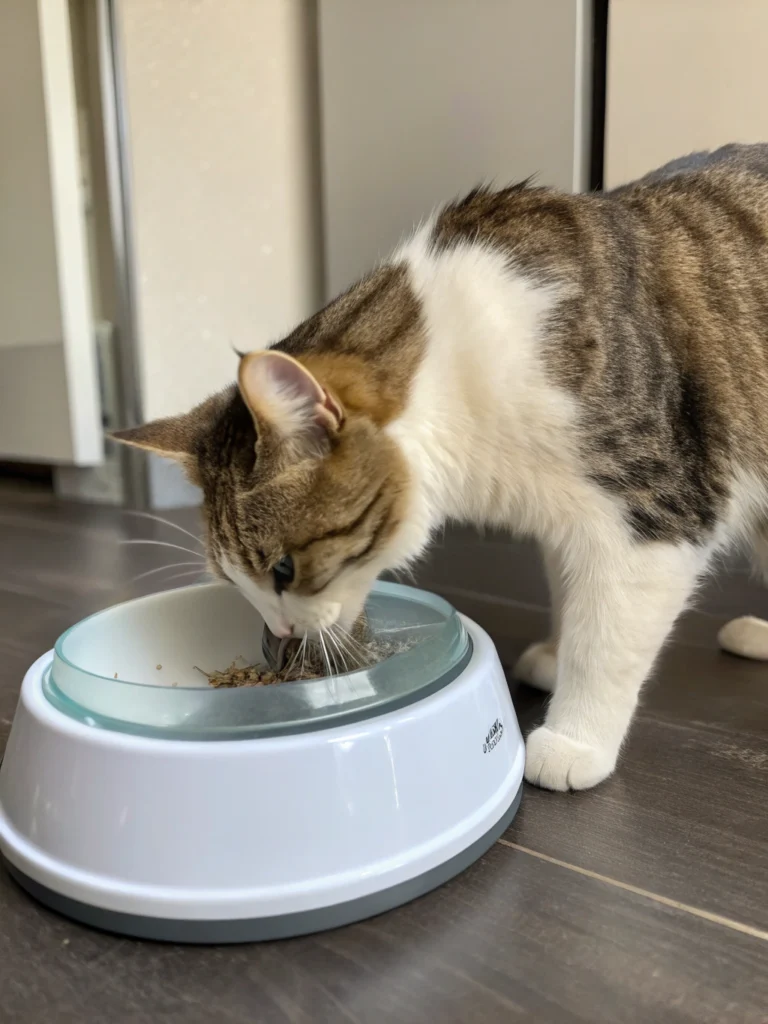
Food Puzzles: Slow feeders and food puzzles turn mealtime into a mentally stimulating activity that mimics natural foraging behavior.
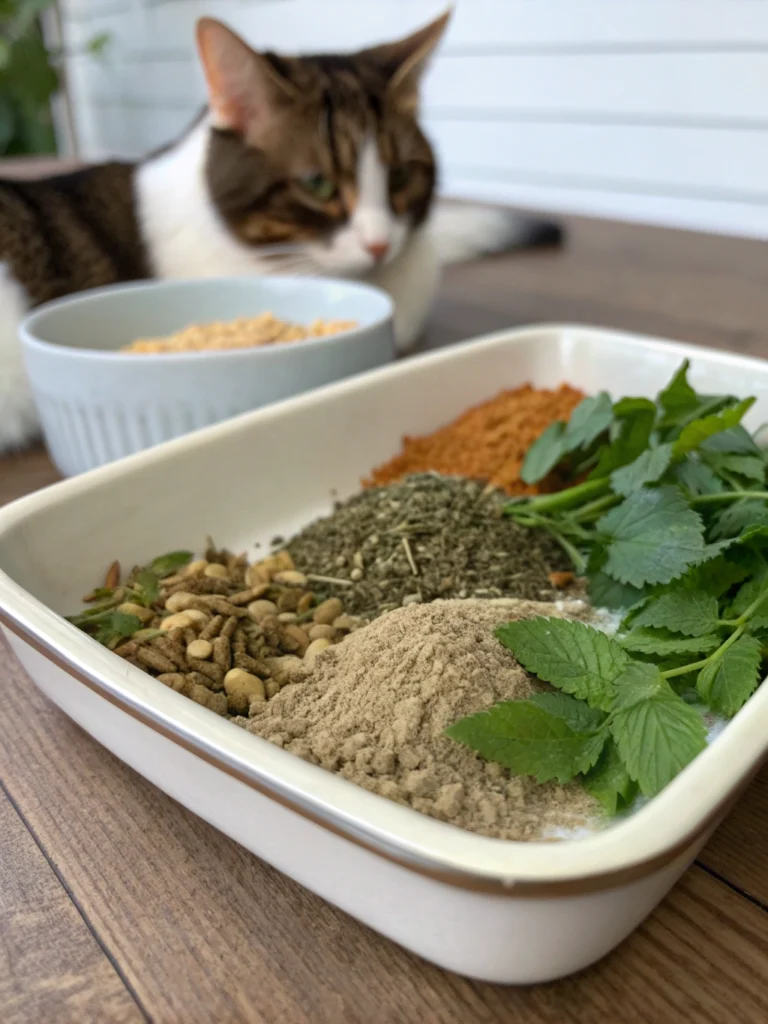
Catnip and Cat Grass: These plants provide sensory enrichment and can be refreshed regularly to maintain interest.
Quality Litter Boxes: Clean, appropriately sized litter boxes (one per cat plus one extra) maintain your cat’s comfort and reduce stress.
Water Fountains: Flowing water encourages hydration while providing auditory and visual stimulation.
Timeline / Progress Expectations
Understanding realistic timelines helps you maintain consistent enrichment efforts and recognize your cat’s progress:
Week 1-2: Introduction phase where your cat explores new toys and puzzles. Some cats adapt immediately, while more cautious cats may take several days to approach new items. Expect curiosity mixed with caution.
Week 3-4: Most cats begin showing increased activity levels and interest in enrichment activities. You’ll notice more playful behavior and reduced signs of boredom like excessive sleeping or attention-seeking.
Month 2-3: Behavioral improvements become evident, including reduced destructive behaviors, better sleep patterns at night, and improved social interactions. Cats typically establish favorite activities during this period.
Ongoing: Cat mental stimulation requires continuous effort. Rotate toys every 7-10 days, introduce new puzzles monthly, and maintain daily play sessions of 15-30 minutes split into multiple sessions.
Daily Routine: Dedicate 10-15 minutes in the morning and evening for interactive play. Schedule feeding times with puzzle feeders to create structure.
Weekly Tasks: Rotate available toys, clean and reorganize enrichment items, and introduce one new activity or challenge.
Seasonal Adjustments: Provide bird-watching opportunities during migration seasons, adjust activity levels during temperature extremes, and offer different textures and toys throughout the year.
Step-by-Step Instructions
Step 1: Assess Your Cat’s Current Activity Level
Observe your cat for 3-5 days, noting sleep patterns, activity levels, and existing play preferences. Document when your cat is most active and what naturally captures their attention. This baseline helps you tailor enrichment strategies to your cat’s individual personality and energy level.
Step 2: Create Vertical Territory
Install cat shelves, trees, or window perches at varying heights. Cats feel more secure when they can survey their environment from elevated positions. Place these strategically near windows or in rooms where family members spend time, ensuring your cat feels included in household activities.
Step 3: Establish Interactive Play Sessions
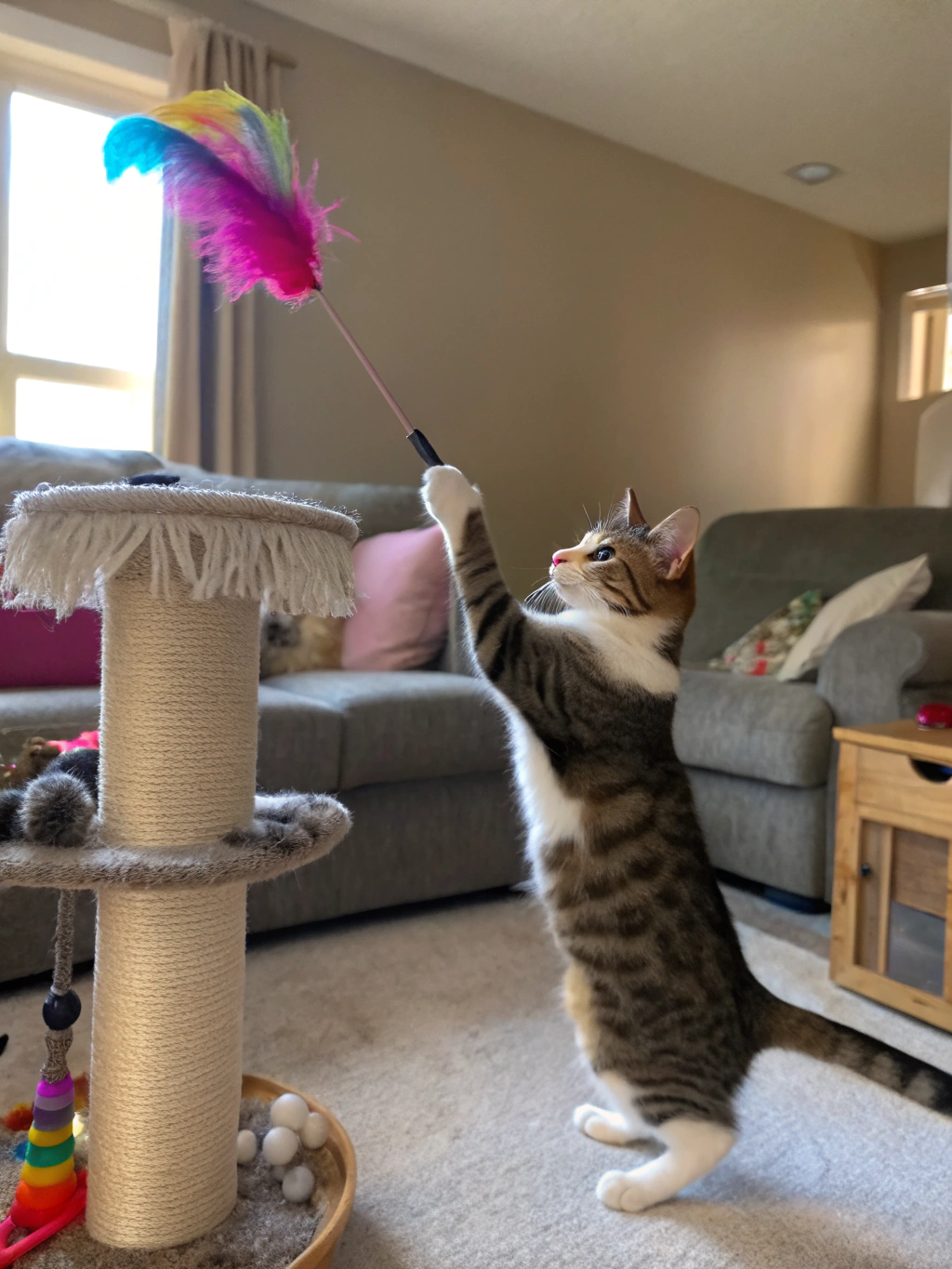
Schedule two 10-15 minute play sessions daily using wand toys or interactive toys that mimic prey. Move toys erratically, allow your cat to “catch” the prey occasionally, and end sessions with a successful hunt followed by a small treat. This satisfies hunting instincts and provides mental and physical exercise.
Step 4: Implement Food Puzzles
Transition from bowl feeding to puzzle feeders gradually. Start with simple puzzles and increase difficulty as your cat masters each level. This transforms eating from a passive to an active, mentally engaging activity that can occupy 20-30 minutes per meal.
Step 5: Rotate Environmental Enrichment
Change your cat’s environment weekly by moving furniture slightly, rotating available toys, or introducing new scents (cat-safe herbs or worn clothing). Novel stimuli keep your cat mentally engaged and curious about their surroundings.
Step 6: Provide Sensory Stimulation
Play cat-specific videos or bird sounds, introduce safe plants like cat grass, and create sniffing opportunities with catnip or silvervine. Engaging multiple senses creates a richer, more stimulating environment.
Step 7: Train with Positive Reinforcement
Teach simple tricks like sit, high-five, or come when called using clicker training or treats. Training sessions of 5-10 minutes provide mental challenges while strengthening your bond with your cat.
Health Benefits / Cat Advantages
Proper mental stimulation offers numerous health advantages for indoor cats:
Behavioral Improvements: Mentally engaged cats display fewer destructive behaviors, reduced aggression, and decreased anxiety. Studies show that enriched environments can reduce stress-related behaviors by up to 60%.
Weight Management: Active, mentally stimulated cats are less likely to become obese. Puzzle feeders slow eating and increase caloric expenditure through problem-solving activities.
Cognitive Health: Mental challenges help maintain cognitive function as cats age, potentially delaying the onset of feline cognitive dysfunction syndrome (similar to dementia in humans).
Reduced Stress and Anxiety: Predictable routines combined with novel enrichment reduce cortisol levels, resulting in calmer, more confident cats.
Improved Sleep Quality: Appropriately stimulated cats sleep more soundly at appropriate times (like nighttime), rather than experiencing disrupted sleep-wake cycles.
Enhanced Human-Animal Bond: Interactive play and training strengthen the relationship between cats and their owners, leading to more affectionate and responsive pets.
Physical Health: Mental stimulation often involves physical activity, supporting cardiovascular health, muscle tone, and joint flexibility, particularly important for indoor cats with limited space.
Alternative Methods & Tips
For Small Living Spaces: Maximize vertical space with wall-mounted shelves and cat trees. Use door-mounted toys and window-mounted perches. Rotate enrichment items more frequently to compensate for limited square footage.
Budget-Friendly Options: Create DIY puzzles using toilet paper rolls stuffed with treats, make toys from cardboard boxes, use crumpled paper balls, and rotate hiding spots using items you already own. Empty boxes and paper bags provide free entertainment.
For Senior Cats: Provide lower-impact enrichment like snuffle mats, gentle puzzle feeders, heated beds near windows, and shorter, more frequent play sessions with slower-moving toys.
For High-Energy Cats: Invest in exercise wheels, more challenging puzzle feeders, and increase daily play sessions to 30-45 minutes. Consider leash training for supervised outdoor exploration.
Multi-Cat Households: Ensure each cat has individual resources and enrichment opportunities. Create separate play sessions to prevent competition and establish territory through multiple feeding stations and vertical spaces.
Climate Considerations: In hot climates, focus on indoor enrichment during peak heat hours. In cold climates, create cozy observation spots near heated windows for bird-watching.
Common Mistakes to Avoid
Inconsistent Play Schedules: Cats thrive on routine. Skipping play sessions or providing irregular enrichment leads to behavioral regression and increased boredom.
Over-Reliance on Solo Toys: While independent toys are useful, they don’t replace interactive play with humans. Cats need the social bonding and unpredictable movements that come from human-directed play.
Not Rotating Toys: Leaving all toys available constantly leads to habituation where cats lose interest. Rotate 75% of toys weekly to maintain novelty.
Inappropriate Toy Safety: Avoid toys with small detachable parts, strings that could be swallowed, or toys small enough to be ingested. Supervise play with certain toys like feather wands.
Ignoring Individual Preferences: Not all cats enjoy the same activities. Some prefer hunting-style play, others enjoy puzzle-solving, and some favor observation activities. Tailor enrichment to your cat’s personality.
Punishment for Natural Behaviors: Scratching, climbing, and pouncing are normal cat behaviors. Instead of punishing these actions, redirect them to appropriate outlets like scratching posts and designated play areas.
Neglecting Mental Stimulation During Life Changes: During moves, new family members, or schedule changes, maintaining enrichment routines becomes even more critical for managing stress.
Storage & Maintenance Tips
Toy Storage: Keep toys in sealed containers organized by type. Store interactive toys separately from solo play items. Wash fabric toys monthly and disinfect hard toys weekly with pet-safe cleaners.
Food Puzzle Maintenance: Clean puzzle feeders after each use to prevent bacterial growth. Inspect regularly for cracks or damage where food particles could accumulate.
Scratching Post Care: Vacuum cat trees and scratching posts weekly. Replace worn sisal rope or cardboard when it becomes frayed or compressed to maintain effectiveness.
Environmental Hygiene: Clean litter boxes daily, wash food and water bowls daily, and vacuum enrichment areas weekly to remove fur and debris.
Seasonal Deep Cleaning: Quarterly, thoroughly clean all enrichment items, rotate storage areas, and assess which items need replacement or repair.
Rotation System: Label storage containers by week (Week 1-4) to simplify toy rotation. Include a mix of toy types in each container to maintain variety.
Safety Inspections: Monthly, inspect all toys and equipment for wear, loose parts, or damage. Discard anything that could pose a choking or injury hazard.
Conclusion
Providing adequate mental stimulation for your indoor cat isn’t just about preventing boredom—it’s essential for their overall health, happiness, and quality of life. By implementing the strategies outlined in this guide, including interactive play sessions, environmental enrichment, and puzzle feeding, you can transform your cat’s indoor environment into a stimulating, engaging space that meets their natural behavioral needs. Remember that consistency and variety are key; maintain regular routines while introducing novel experiences to keep your cat mentally sharp and physically active. Start today by implementing just one or two suggestions, and gradually build a comprehensive enrichment program tailored to your cat’s unique personality.
FAQs
How much time should I spend daily on cat mental stimulation?
Aim for a minimum of 20-30 minutes of dedicated interactive play and enrichment daily, ideally split into 2-3 shorter sessions. This can include 10-15 minutes of active play with wand toys, puzzle feeding time, and opportunities for exploration. Adjust based on your cat’s age, energy level, and individual needs—kittens and young cats may require 45-60 minutes, while senior cats may be satisfied with 15-20 minutes.
What are signs my indoor cat is bored or under-stimulated?
Common signs include excessive sleeping (even beyond the normal 16-20 hours), destructive behaviors like scratching furniture excessively, attention-seeking behaviors, overeating or weight gain, excessive vocalization, over-grooming, lethargy, and depression. You might also notice your cat following you constantly or creating their own “entertainment” through undesirable behaviors. If you observe multiple signs, increase enrichment activities immediately.
Are puzzle feeders suitable for all cats?
Most cats benefit from puzzle feeders, but introduce them gradually. Start with simple designs for beginners, cats with food motivation issues, or senior cats with cognitive decline. Monitor initially to ensure your cat isn’t becoming frustrated or isn’t eating enough. For multi-cat households, provide multiple puzzle feeders to prevent competition. Some cats with physical limitations may need adapted puzzles with larger openings or lower difficulty levels.
Can mental stimulation help with aggressive behavior?
Yes, many aggression issues stem from boredom, excess energy, or redirected hunting instincts. Providing adequate mental and physical stimulation through interactive play, particularly predatory-style hunting games, can significantly reduce aggressive behaviors. Schedule play sessions before typical aggression times, and ensure your cat has appropriate outlets for natural behaviors. However, if aggression persists or is severe, consult a veterinary behaviorist as underlying medical or anxiety issues may require professional intervention.
How do I know if I’m providing enough variety in enrichment?
Monitor your cat’s engagement levels with different activities. If your cat eagerly participates in enrichment activities, shows curiosity about new items, maintains healthy weight and activity levels, and displays minimal problem behaviors, you’re likely providing sufficient variety. If your cat ignores enrichment items, returns to destructive behaviors, or seems disinterested, increase variety by introducing different toy types, changing feeding methods, or creating new environmental challenges. Aim to introduce something new (even repositioning existing items) weekly to maintain interest.