How to Introduce a New Cat at Home in 2026
How to Introduce a New Cat at Home in 2026
Table of Contents
How to Introduce a New Cat at Home
Introduction
Did you know that nearly 60% of cat introductions fail within the first week due to rushed or improper methods? Many cat owners underestimate the complexity of how to introduce a new cat at home, leading to stress, aggression, and long-term behavioral issues. Whether you’re adding a kitten to your household or welcoming an adult rescue cat, understanding the nuances of feline territory, hierarchy, and communication is essential. This comprehensive guide will walk you through every step of the process, ensuring a smooth transition for both your resident cat and your new furry family member. By following a structured, patient approach to introducing cats, you’ll create a harmonious multi-cat household built on trust and positive associations.
Cat Supplies & Essentials
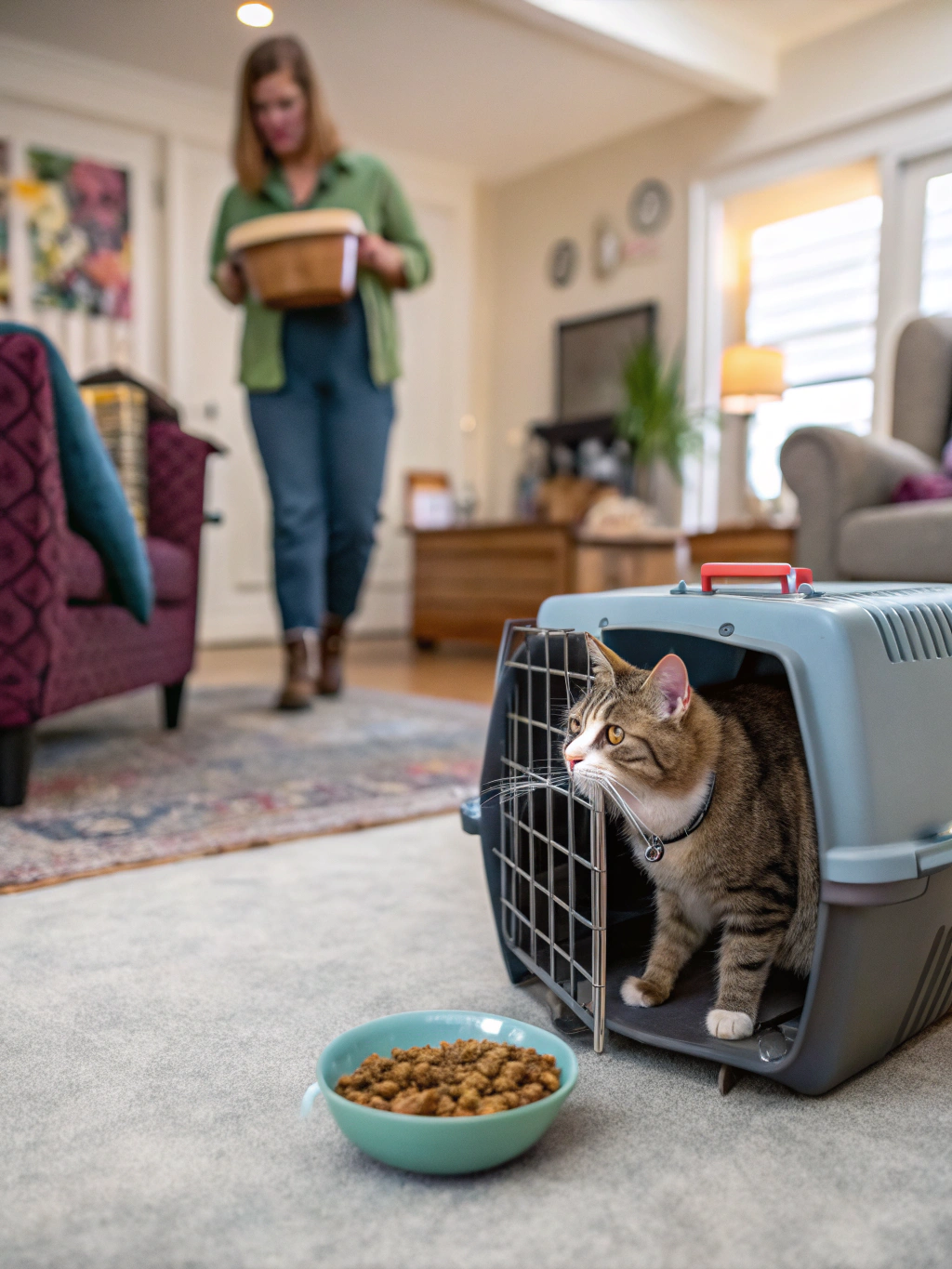
Before bringing your new cat home, gather these essential supplies to ensure a successful introduction:
Separate Litter Boxes: Provide at least one litter box per cat, plus one extra. Place them in different locations to prevent territorial disputes and ensure each cat has privacy.
High-Quality Cat Food: Purchase the food your new cat is already eating to avoid digestive upset. Gradually transition to your preferred brand over 7-10 days if needed.
Food and Water Bowls: Invest in separate feeding stations for each cat, ideally in different rooms initially. Stainless steel or ceramic bowls are most hygienic.
Cat Carrier: A sturdy, secure carrier is essential for safely transporting your new cat and providing a temporary safe space during initial introductions.
Interactive Toys: Stock up on wand toys, puzzle feeders, and balls to redirect energy and create positive associations during the introduction period.
Scratching Posts: Multiple scratching posts in various locations help cats mark territory appropriately and reduce stress-related scratching.
Comfortable Beds: Provide separate resting areas with soft beds or blankets, allowing each cat to establish their own safe zones.
Pheromone Diffusers: Products like Feliway can significantly reduce anxiety and territorial stress during introductions by mimicking natural calming pheromones.
Baby Gates or Screen Doors: These allow visual contact while maintaining physical separation during the gradual introduction process.
Grooming Supplies: Brushes, nail clippers, and grooming gloves help maintain hygiene and can be used for scent-mixing during introductions.
Timeline / Progress Expectations
Understanding realistic timelines prevents frustration and ensures you don’t rush the process:
Days 1-3: Complete isolation phase. Your new cat should remain in a separate room with no direct contact with resident cats. Most cats will explore their room within 24-48 hours.
Days 4-7: Scent introduction phase. Begin swapping bedding and rubbing towels on each cat to exchange scents. Expect some hissing or growling when cats smell each other’s scent—this is normal.
Week 2: Visual introduction through barriers. Use baby gates or crack doors open slightly. Initial reactions may include staring, hissing, or posturing. Sessions should last 5-10 minutes initially.
Weeks 3-4: Supervised face-to-face meetings in neutral territory. Early interactions should be brief (10-15 minutes) and always end on a positive note. Some cats show acceptance within 2-3 weeks, while others need 6-8 weeks.
Months 2-3: Most cats establish a peaceful coexistence by this point, though true friendship may take longer. About 70% of properly introduced cats develop at least tolerance within 3 months.
Ongoing: Continue monitoring interactions and maintain separate resources. Some cats never become best friends but can live peacefully together with proper management.
Step-by-Step Instructions
Step 1: Prepare the Sanctuary Room
Set up a comfortable, quiet room exclusively for your new cat before bringing them home. Include all essentials: litter box, food, water, bed, toys, and scratching post. This safe space allows your new cat to decompress without the stress of encountering resident pets. Place familiar items from the shelter or previous home to provide comfort through recognizable scents.
Step 2: Bring Your New Cat Home Quietly
Transport your new cat in a secure carrier and take them directly to their sanctuary room without allowing contact with resident cats. Minimize noise and commotion. Open the carrier door and let the cat exit on their own timeline—some emerge immediately while others need hours. Spend 20-30 minutes sitting quietly in the room to begin building trust.
Step 3: Exchange Scents
After 3-4 days, begin the scent exchange process. Rub a clean cloth on your resident cat’s cheeks and place it near your new cat’s food bowl, and vice versa. Swap bedding between cats every 1-2 days. You can also allow cats to explore each other’s spaces while the other is secured elsewhere, creating familiarity without confrontation.
Step 4: Feed Near the Door
Start feeding both cats on opposite sides of the closed door to create positive associations. Begin with bowls several feet away and gradually move them closer over several days as cats remain calm. This classical conditioning technique helps cats associate each other’s presence with something pleasurable.
Step 5: Visual Introduction
Once both cats eat calmly near the door, introduce visual contact using a baby gate or by opening the door slightly. Keep sessions short (5-10 minutes) and supervise closely. Reward calm behavior with treats and praise. If either cat shows aggression, you’ve moved too quickly—return to the previous step for a few more days.
Step 6: Supervised Face-to-Face Meetings
When visual meetings consistently result in calm or curious behavior, allow direct contact in a neutral room with escape routes available. Keep sessions brief initially and always supervise. Have toys or treats ready to redirect attention if tension builds. Never leave cats unsupervised until you’re completely confident in their interactions.
Step 7: Gradually Increase Interaction Time
Slowly extend the duration and frequency of supervised interactions. Monitor body language closely: relaxed postures, slow blinks, and mutual grooming indicate positive progress. Separate cats if you see prolonged staring, ears flattened back, raised fur, or tense body postures. Most successful introductions involve gradual increases over 4-8 weeks.
Step 8: Maintain Separate Resources
Even after successful integration, maintain separate feeding stations, litter boxes, and resting areas. This prevents resource guarding and reduces territorial stress. Provide vertical spaces like cat trees so cats can establish hierarchy without conflict.
Health Benefits / Cat Advantages
Proper cat introductions offer significant physical and psychological benefits:
Reduced Chronic Stress: Studies show that gradual introductions reduce cortisol levels by up to 40% compared to rushed introductions, preventing stress-related health issues like urinary problems and weakened immunity.
Enhanced Mental Stimulation: Multi-cat households provide social enrichment, reducing boredom and associated behavioral problems. Cats with feline companions show 35% less destructive behavior when left alone.
Improved Socialization Skills: Properly introduced cats develop better communication skills and confidence, making future introductions or veterinary visits less stressful.
Physical Activity: Cats with compatible housemates engage in more play behavior, helping maintain healthy weight and reducing obesity-related conditions like diabetes.
Emotional Wellbeing: Many cats form strong bonds with housemates, providing companionship that reduces separation anxiety and depression, particularly in cats whose owners work long hours.
Natural Behavioral Outlets: Multiple cats can engage in natural behaviors like play-hunting and grooming, contributing to overall behavioral health and satisfaction.
Alternative Methods & Tips
Small Living Spaces: In apartments, use vertical space effectively with wall-mounted shelves and cat trees. Even in studios, you can section off areas with furniture to create separate zones during introductions.
Indoor/Outdoor Considerations: If introducing an outdoor cat to an indoor cat, keep the outdoor cat inside for at least 2-3 weeks before introductions to reduce stress and prevent escape attempts during the process.
Age-Appropriate Strategies: Kittens typically integrate faster (2-4 weeks) than adult cats. Senior cats may need extended timelines (8-12 weeks) and extra patience due to established routines and reduced adaptability.
Budget-Friendly Options: Can’t afford pheromone diffusers? Use scent-swapping more frequently. Repurpose cardboard boxes as hiding spots and use socks tied to strings as DIY interactive toys.
Multi-Cat Households: Introducing a third or fourth cat requires introducing the newcomer to each resident cat individually before group meetings, extending the timeline by several weeks.
Personality Matching: High-energy cats often do better with similarly active companions, while shy cats may prefer calmer housemates. Consider temperament matching when selecting a new cat.
Climate Considerations: In hot climates, ensure each cat has access to cool resting spots during introductions. In cold weather, provide warm separate sleeping areas to prevent resource competition.
Common Mistakes to Avoid
Rushing the Process: The most common error is moving too quickly through stages. Rushing causes setbacks and can create permanent negative associations. Always progress based on your cats’ comfort, not a predetermined schedule.
Skipping the Isolation Phase: Allowing immediate contact overwhelms both cats and can result in traumatic first impressions that take months to overcome.
Punishing Negative Reactions: Never punish hissing, growling, or defensive behavior—these are normal communication methods. Punishment increases fear and aggression.
Forcing Interaction: Don’t hold cats near each other or trap them in the same room to “work it out.” This creates trauma and destroys trust.
Ignoring Body Language: Learn to read subtle stress signals like tail twitching, ear positioning, and pupil dilation. Intervene before situations escalate to swatting or fighting.
Inconsistent Routines: Maintaining your resident cat’s established routines throughout the introduction process prevents additional stress and resentment toward the newcomer.
Neglecting the Resident Cat: Giving excessive attention to the new cat creates jealousy. Ensure your resident cat receives priority attention and reassurance.
Inadequate Resources: Sharing resources too soon creates competition and territorial behavior. Maintain separate everything until cats are fully integrated.
Storage & Maintenance Tips
Cat Food Storage: Store dry food in airtight containers in cool, dry locations to maintain freshness and prevent contamination. Opened wet food should be refrigerated and used within 3 days. Label containers with purchase dates.
Litter Box Maintenance: Scoop all litter boxes twice daily during introductions, as cleanliness reduces territorial marking. Completely change litter and wash boxes with unscented soap weekly.
Toy Rotation: Clean toys weekly with pet-safe disinfectant and rotate them to maintain interest. Store interactive toys safely to prevent unsupervised access to strings or small parts.
Feeding Station Hygiene: Wash food and water bowls daily with hot, soapy water. Replace plastic bowls every 6 months as scratches harbor bacteria.
Bedding Care: Wash cat beds, blankets, and carriers monthly (or immediately if soiled) using fragrance-free detergent. During introductions, avoid washing items used for scent-swapping.
Carrier Maintenance: Keep carriers assembled and accessible with comfortable bedding inside. Cats who view carriers as normal furniture experience less stress during necessary use.
Seasonal Cleaning: Deep clean the sanctuary room and all cat areas quarterly, replacing scratching posts when worn and checking for hazards like loose strings or damaged toys.
Conclusion
Successfully introducing a new cat at home requires patience, preparation, and a commitment to gradual, positive experiences. By following this step-by-step guide and respecting each cat’s individual timeline, you’ll build the foundation for a peaceful multi-cat household. Remember that every cat is unique—some will become inseparable companions within weeks, while others may simply coexist peacefully, and both outcomes represent success. Invest the time upfront to prevent behavioral issues and ensure all your cats feel safe, valued, and comfortable in their shared home.
FAQs
How long does it typically take to introduce a new cat to a resident cat?
Most successful cat introductions take 4-8 weeks, though timelines vary significantly based on individual personalities, ages, and previous socialization. Kittens often integrate within 2-4 weeks, while adult cats with limited social experience may need 8-12 weeks or longer. Never rush the process—allowing adequate time prevents long-term behavioral issues and creates stronger foundations for positive relationships.
What are the signs that cats are ready to move to the next introduction stage?
Look for relaxed body language including normal eating near the barrier, casual interest in the other cat without intense staring, soft or curious vocalizations rather than hissing, and comfortable postures like sitting or lying down during visual contact. Both cats should appear calm and curious rather than fearful or aggressive before progressing. If either cat shows stress, remain at the current stage longer.
Can I introduce a new cat if my resident cat has never lived with other cats?
Yes, though these introductions often require extra patience and extended timelines. Cats without previous feline socialization may need 8-12 weeks to adjust. Start with very gradual exposure and watch for signs of extreme stress. Some adult cats who’ve always been solitary may never fully accept a companion, so consider fostering first or choose a particularly calm, confident new cat.
What should I do if my cats fight during introduction?
Immediately separate the cats without picking them up (use a barrier like cardboard or towels to avoid bites). Return to an earlier introduction stage for at least a week before trying again. Ensure you’re providing adequate resources and not rushing the process. If serious fighting occurs repeatedly despite following protocols, consult a certified cat behaviorist for personalized guidance.
Is it normal for cats to hiss at each other during introductions?
Yes, hissing is a normal communication method that allows cats to set boundaries without physical conflict. Brief hissing during early introduction stages is expected and actually healthier than silent, tense standoffs. However, prolonged hissing, growling, or any aggressive lunging indicates you should slow the process. Reward both cats for calm behavior and never punish normal feline communication.