How to Reduce Cat Stress Naturally in 2026
How to Reduce Cat Stress Naturally in 2026
Table of Contents
How to Reduce Cat Stress Naturally
Introduction
Did you know that up to 40% of domestic cats suffer from stress-related behavioral issues, according to recent veterinary studies? Many cat owners unknowingly contribute to their feline’s anxiety through environmental changes, lack of enrichment, or inconsistent routines. Understanding how to reduce cat stress naturally is essential for every responsible pet parent who wants to ensure their companion lives a balanced, healthy life. Cats are sensitive creatures whose wellbeing depends heavily on their environment, diet, and daily interactions. This comprehensive guide will walk you through proven, natural methods to calm cats naturally, improve their mental health, and create a peaceful home atmosphere that benefits both you and your feline friend.
Cat Supplies & Essentials
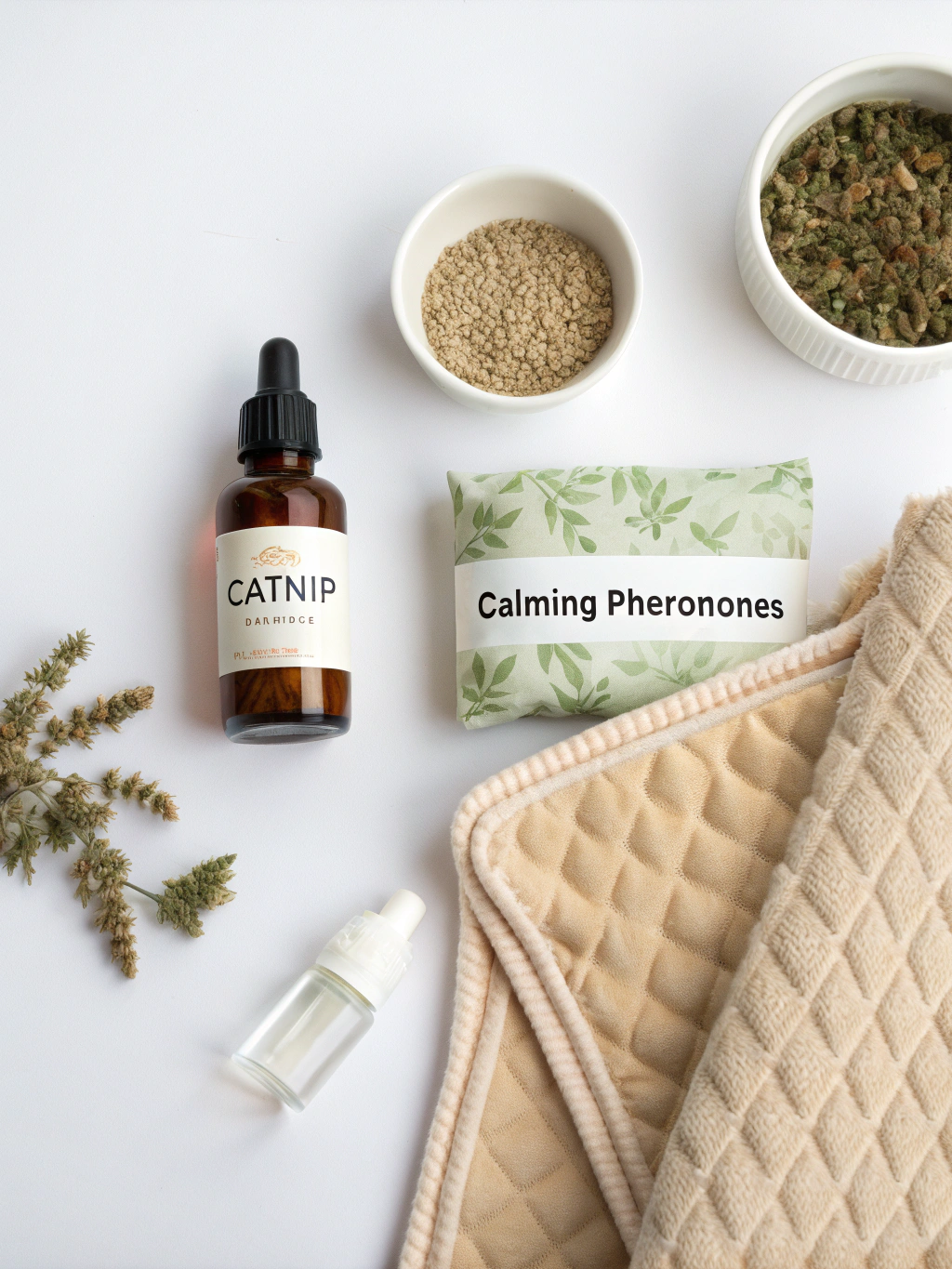
Creating a stress-free environment starts with having the right supplies. Here’s what every cat owner needs to naturally reduce feline anxiety:
Essential Items:
- Litter Boxes: Provide one box per cat plus one extra. Clean boxes reduce territorial stress and eliminate anxiety-related accidents.
- High-Quality Cat Food: Nutrient-rich diets with proper protein levels support neurological health and stress resilience.
- Interactive Toys: Wand toys, puzzle feeders, and treat-dispensing balls offer mental stimulation and natural stress relief.
- Scratching Posts: Multiple vertical and horizontal scratchers satisfy natural instincts and prevent frustration.
- Cat Beds & Hideaways: Elevated perches and enclosed spaces provide safe retreats where cats can decompress.
- Pheromone Diffusers: Synthetic calming pheromones mimic natural feline facial pheromones to create comfort.
- Grooming Tools: Brushes and nail clippers help maintain physical comfort and strengthen your bond.
- Cat Carriers: Comfortable carriers reduce travel-related stress during vet visits.
- Water Fountains: Running water encourages hydration, which supports overall health and stress management.
Optional Items:
- Cat grass or catnip for natural stimulation
- Window perches for environmental enrichment
- Calming herbal supplements (consult your vet first)
- Soft background music designed for cats
Timeline / Progress Expectations
Understanding realistic timelines helps cat owners stay patient and consistent when implementing stress-reduction strategies.
Immediate to 3 Days:
Initial introduction of calming products like pheromone diffusers begins working within hours, though full effects manifest after 24-48 hours.
Week 1-2:
Cats typically adapt to new enrichment toys and environmental modifications. You’ll notice increased exploration and reduced hiding behaviors.
Weeks 3-4:
Significant behavioral improvements emerge. Stressed cats show decreased aggression, improved litter box habits, and better appetite regulation.
Months 2-3:
Long-term routine establishment solidifies. Cats demonstrate consistent confidence, reduced anxiety symptoms, and healthier social interactions.
Daily Routines:
Implement 15-20 minute play sessions twice daily, consistent feeding times, and regular quiet interaction periods.
Weekly Maintenance:
Deep clean litter boxes, rotate toys to maintain novelty, and assess environmental stressors that may need addressing.
Seasonal Adjustments:
Modify enrichment during winter (more indoor activities) and summer (cooling mats, hydration focus) to maintain consistent stress management.
Step-by-Step Instructions
Step 1: Identify Stress Triggers
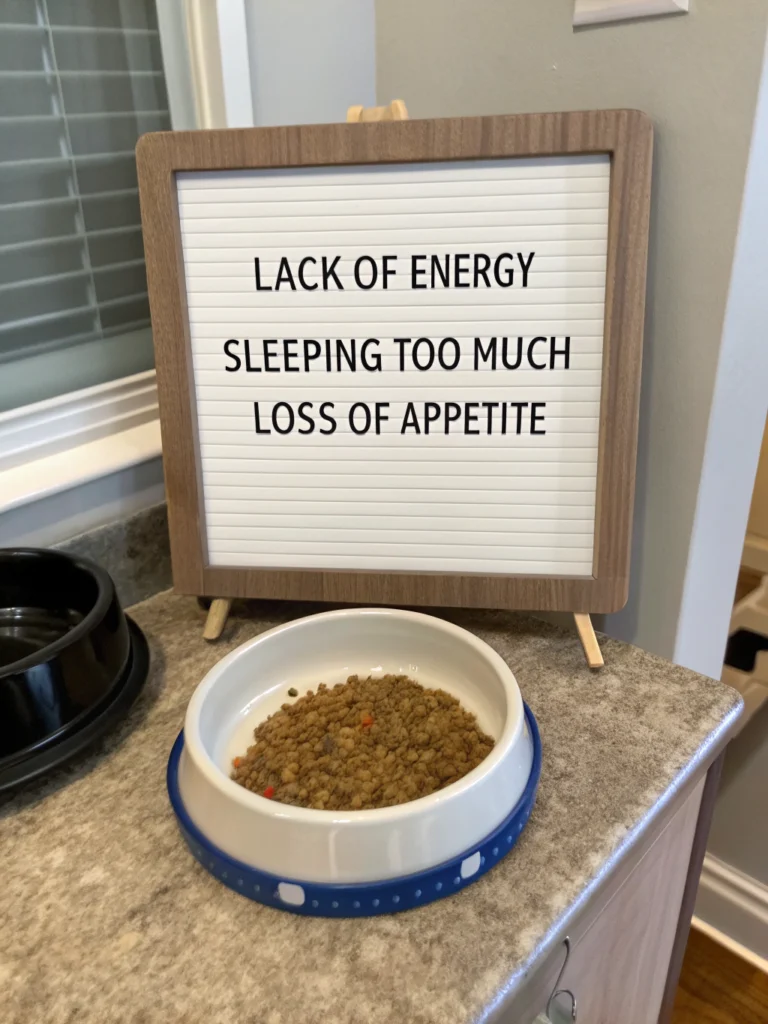
Observe your cat’s behavior patterns closely. Common stress indicators include excessive grooming, hiding, aggression, decreased appetite, or inappropriate elimination. Keep a journal documenting when these behaviors occur to identify environmental triggers like loud noises, schedule changes, or new pets.
Step 2: Create Safe Spaces
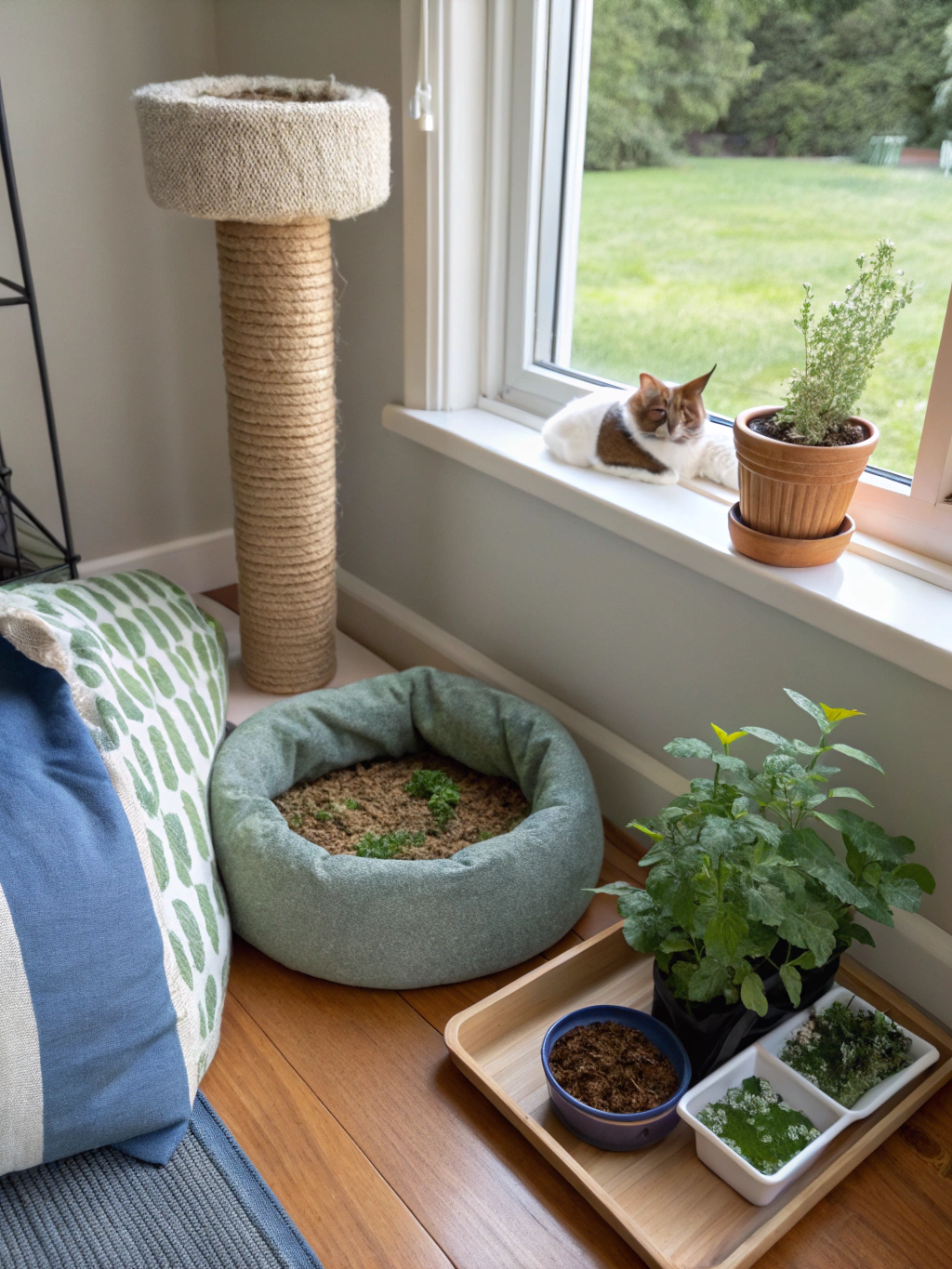
Designate quiet zones throughout your home where your cat can retreat without interruption. Place comfortable beds, blankets with familiar scents, and hiding boxes in these areas. Ensure each cat in multi-cat households has their own safe space to prevent territorial stress.
Step 3: Establish Consistent Routines
Feed your cat at the same times daily, maintain regular play schedules, and keep litter box locations stable. Cats thrive on predictability, and consistent routines dramatically reduce anxiety levels by creating a sense of security and control.
Step 4: Implement Environmental Enrichment
Rotate interactive toys weekly to maintain novelty. Create vertical spaces with cat trees or wall-mounted shelves. Introduce puzzle feeders that engage hunting instincts. Place bird feeders outside windows for “cat TV” entertainment that provides natural mental stimulation.
Step 5: Practice Gentle Interaction Techniques
Allow your cat to initiate contact rather than forcing interactions. Use slow blinks to communicate trust, speak in calm tones, and respect your cat’s boundaries. Short, positive interactions multiple times daily build confidence better than infrequent lengthy sessions.
Step 6: Incorporate Calming Supplements
After veterinary consultation, consider natural supplements like L-theanine, chamomile, or valerian root. These herbal options support the nervous system naturally without pharmaceutical side effects, complementing behavioral modification strategies.
Health Benefits / Cat Advantages
Implementing natural stress reduction techniques offers numerous evidence-based health benefits:
Mental Health Improvements:
Reduced anxiety correlates with decreased cortisol levels, improving cognitive function and emotional stability. Studies show enriched environments can reduce stress-related behaviors by up to 60%.
Physical Health Advantages:
Lower stress levels strengthen immune function, reduce inflammation, and decrease risk of stress-related conditions like feline idiopathic cystitis, which affects approximately 1-3% of cats annually.
Behavioral Benefits:
Naturally calmed cats display improved social behaviors, better litter box habits, reduced aggression, and enhanced human-animal bonds. They’re more playful, curious, and engaged with their environment.
Nutritional Optimization:
Stress-free cats maintain healthier appetites and better digestion, leading to improved nutrient absorption and optimal body condition.
Longevity Impact:
Chronic stress shortens lifespan by contributing to various health conditions. Natural stress management can add quality years to your cat’s life.
Alternative Methods & Tips
For Small Living Spaces:
Maximize vertical territory with wall-mounted shelves and tall cat trees. Use window perches and rotating toys to create variety within limited square footage.
Indoor-Only Cats:
Simulate outdoor experiences with cat grass, controlled access to screened porches (catios), and varied sensory enrichment including nature sounds and different textures.
Multi-Cat Households:
Provide multiple resource stations (food, water, litter boxes) to reduce competition. Introduce cats gradually using scent-swapping and controlled visual contact before physical meetings.
Budget-Friendly Options:
Create DIY puzzle feeders from cardboard boxes, use paper bags for exploration, and make toys from household items like paper balls or feathers on strings.
Climate Considerations:
In hot climates, provide cooling mats and ensure adequate hydration stations. In cold regions, offer heated beds and maintain consistent indoor temperatures.
Senior Cat Modifications:
Lower resource placement for arthritic cats, provide softer bedding, and adjust play intensity to match declining energy levels while maintaining mental stimulation.
Common Mistakes to Avoid
Inconsistent Routines:
Frequent schedule changes create unpredictability that heightens anxiety. Maintain consistent feeding, play, and interaction times even on weekends.
Over-Stimulation:
Forcing interaction when your cat shows stress signals (flattened ears, dilated pupils, tail twitching) worsens anxiety. Respect withdrawal behaviors and allow voluntary engagement.
Insufficient Resources:
In multi-cat homes, sharing essential resources creates competition stress. Follow the “n+1 rule” for litter boxes and provide multiple feeding stations.
Punishment-Based Training:
Negative reinforcement increases fear and stress. Use positive reinforcement exclusively, rewarding desired behaviors with treats and praise.
Neglecting Environmental Changes:
Failing to prepare cats for moves, renovations, or new family members causes severe stress. Introduce changes gradually with familiar items and calming aids.
Inadequate Play:
Insufficient mental and physical stimulation leads to boredom-related stress. Dedicate at least 20-30 minutes daily to interactive play sessions.
Ignoring Medical Issues:
Behavioral changes may indicate underlying health problems. Always rule out medical causes before addressing purely behavioral stress.
Storage & Maintenance Tips
Food Storage:
Keep dry food in airtight containers in cool, dry locations to maintain freshness and prevent contamination. Refrigerate opened wet food and use within 24-48 hours.
Litter Box Hygiene:
Scoop daily and completely change litter weekly. Deep clean boxes monthly with mild soap and water, avoiding harsh chemicals that may deter use.
Toy Maintenance:
Wash fabric toys monthly in pet-safe detergent. Inspect toys weekly for damage and discard broken items that pose choking hazards. Rotate toys every 5-7 days to maintain interest.
Scratching Post Care:
Replace worn sisal or cardboard surfaces when flattened. Position posts near sleeping areas and windows where cats naturally stretch after waking.
Bedding Cleanliness:
Wash cat beds weekly in hot water to eliminate dust mites and allergens. Maintain familiar scents by alternating between two sets during washing.
Seasonal Deep Cleaning:
Quarterly, thoroughly clean all cat areas including behind furniture, under beds, and in closets where dander accumulates. This reduces allergens that may stress sensitive cats.
Product Rotation Schedule:
Track pheromone diffuser replacement dates, supplement expiration dates, and toy condition in a simple calendar system to ensure optimal effectiveness.
Conclusion
Learning how to reduce cat stress naturally transforms both your life and your feline companion’s wellbeing. By implementing environmental enrichment, establishing consistent routines, providing appropriate resources, and respecting your cat’s individual personality, you create a harmonious home where stress becomes manageable rather than overwhelming. Remember that every cat is unique—what works for one may need adjustment for another. Stay patient, observe carefully, and celebrate small improvements as your cat gradually becomes more relaxed and confident. Start today by identifying one stress trigger and implementing a single strategy from this guide. Your cat’s improved health and happiness will be worth every effort.
Ready to transform your cat’s environment? Share your stress-reduction success stories in the comments below, and explore our related posts on cat behavior and wellness for more expert insights!
FAQs
How long does it take to see results when reducing cat stress naturally?
Most cats show initial improvements within 1-2 weeks of implementing environmental changes and enrichment strategies. Significant behavioral changes typically emerge after 3-4 weeks of consistent application. However, cats with chronic stress or anxiety may require 2-3 months for complete transformation. Patience and consistency are crucial—avoid changing strategies too quickly before giving methods adequate time to work.
Can diet really help reduce my cat’s stress levels?
Absolutely. High-quality protein supports neurotransmitter production essential for mood regulation. Omega-3 fatty acids reduce inflammation that can contribute to anxiety. Some prescription diets contain calming ingredients like hydrolyzed milk protein (alpha-casozepine) that naturally reduce stress hormones. Always consult your veterinarian before making significant dietary changes to ensure nutritional completeness.
What are the signs my cat is experiencing chronic stress?
Common indicators include excessive grooming (creating bald patches), changes in appetite, litter box avoidance, increased hiding, aggression toward people or other pets, excessive vocalization, and changes in sleep patterns. Physical symptoms may include vomiting, diarrhea, or urinary issues. If you notice multiple symptoms persisting beyond a few days, consult your veterinarian to rule out medical conditions.
Are pheromone diffusers safe and effective for all cats?
Pheromone products are generally safe for cats of all ages with no known side effects. Clinical studies show effectiveness rates of 70-90% for stress reduction. However, individual responses vary—some cats show dramatic improvement while others show minimal change. Diffusers work best when combined with environmental modifications and behavioral strategies rather than as standalone solutions.
How can I reduce stress in a multi-cat household?
Provide separate resources (food bowls, water stations, litter boxes, resting areas) in different locations to minimize competition. Create multiple vertical pathways so cats can avoid each other when desired. Introduce new cats gradually using scent-swapping and controlled visual contact. Ensure adequate space—the general guideline is 18 square feet per cat minimum. Schedule individual play sessions with each cat to strengthen bonds and provide stress relief.