Cat Stress Triggers at Home in 2026
Cat Stress Triggers at Home in 2026
Table of Contents
Cat Stress Triggers at Home
Introduction
Did you know that nearly 70% of cats show behavioral signs of stress but their owners often overlook the symptoms? Our feline companions are incredibly sensitive creatures, and understanding the cat stress triggers at home can make the difference between a happy, healthy cat and one suffering in silence. While cats have a reputation for being independent and low-maintenance, they’re actually highly susceptible to environmental stressors that can impact their physical and mental health. From sudden household changes to subtle shifts in daily routines, cats experience anxiety in ways that often go unnoticed until behavioral problems emerge. Recognizing and addressing these stress triggers isn’t just about preventing unwanted behaviors—it’s essential for your cat’s overall wellbeing and longevity.
Cat Supplies & Essentials
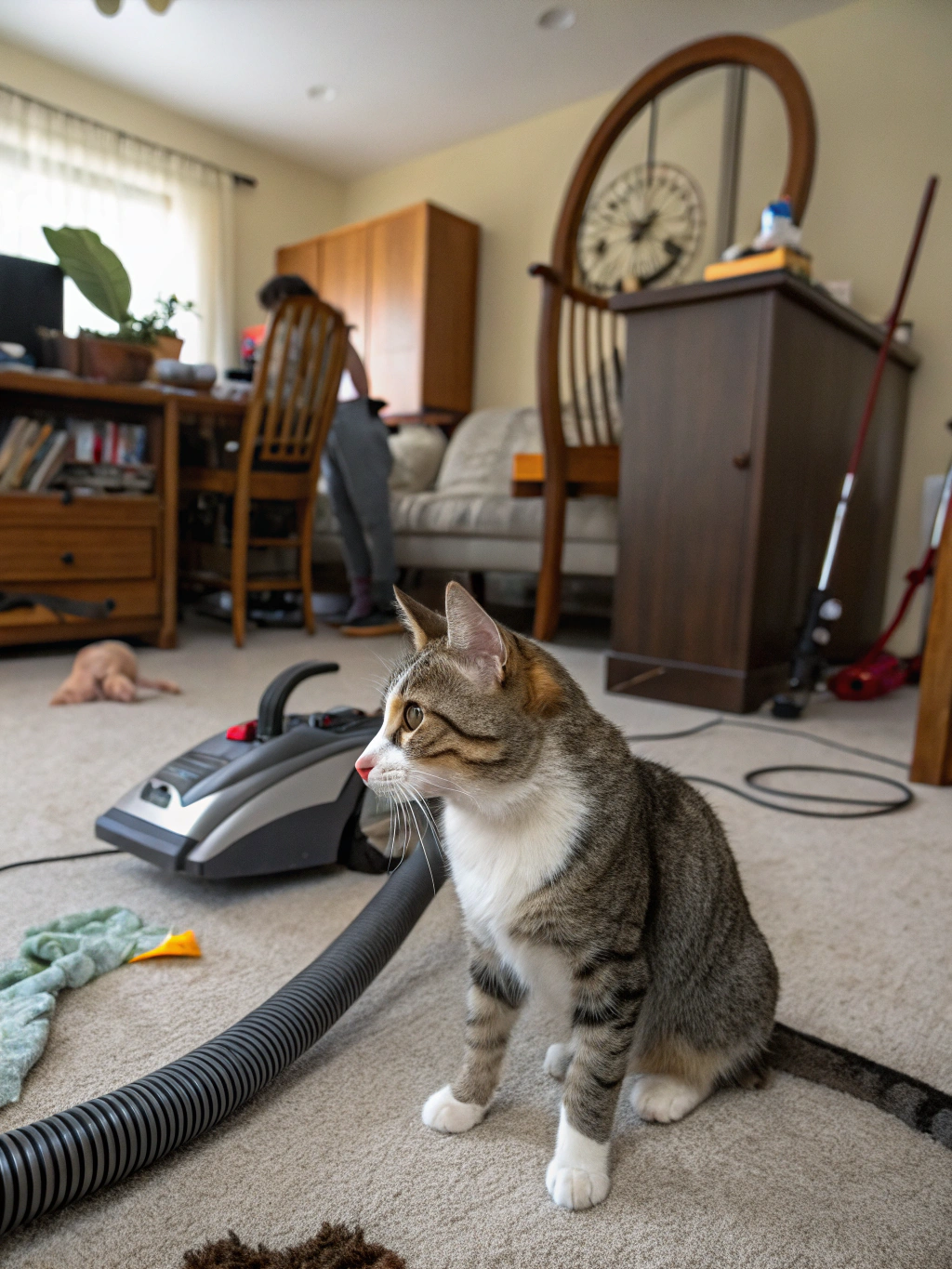
Creating a stress-free environment starts with having the right supplies and understanding how each contributes to your cat’s sense of security:
Litter Boxes: The golden rule is one box per cat, plus one extra. Choose large, uncovered boxes and place them in quiet, accessible locations. Covered boxes can trap odors and make cats feel vulnerable.
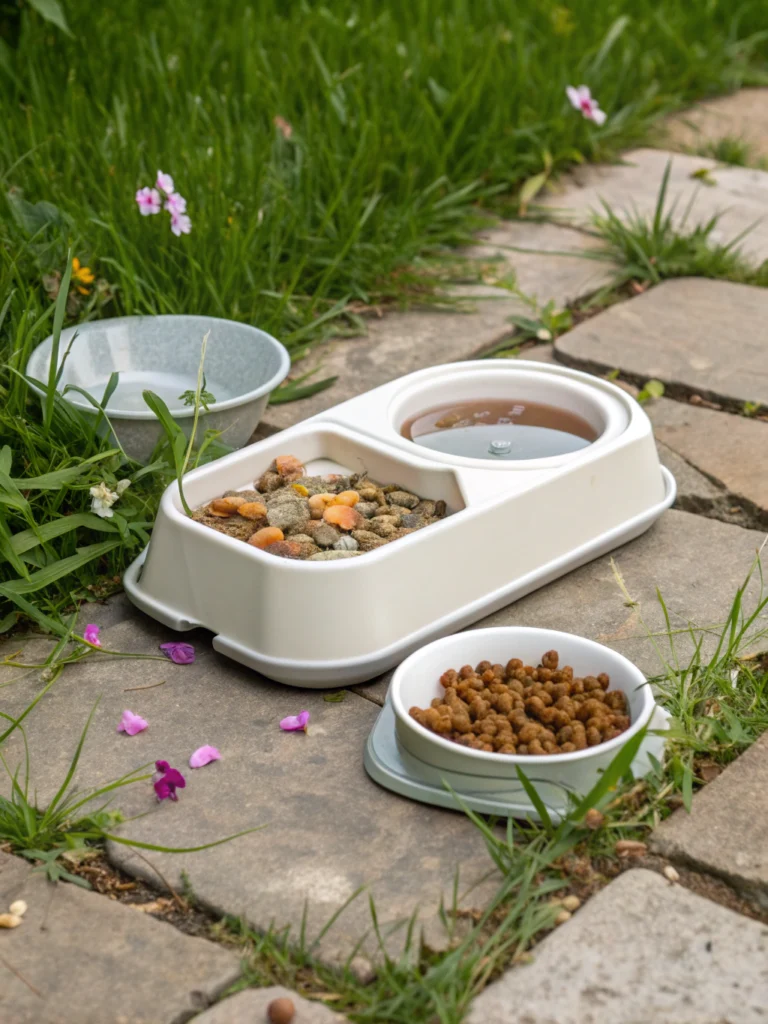
High-Quality Cat Food: Consistent nutrition reduces digestive stress. Choose age-appropriate formulas with high protein content and minimal fillers. Sudden food changes are a common stressor.
Interactive Toys: Puzzle feeders, feather wands, and laser pointers provide mental stimulation and natural hunting outlets. Rotate toys weekly to maintain interest and prevent boredom-induced stress.
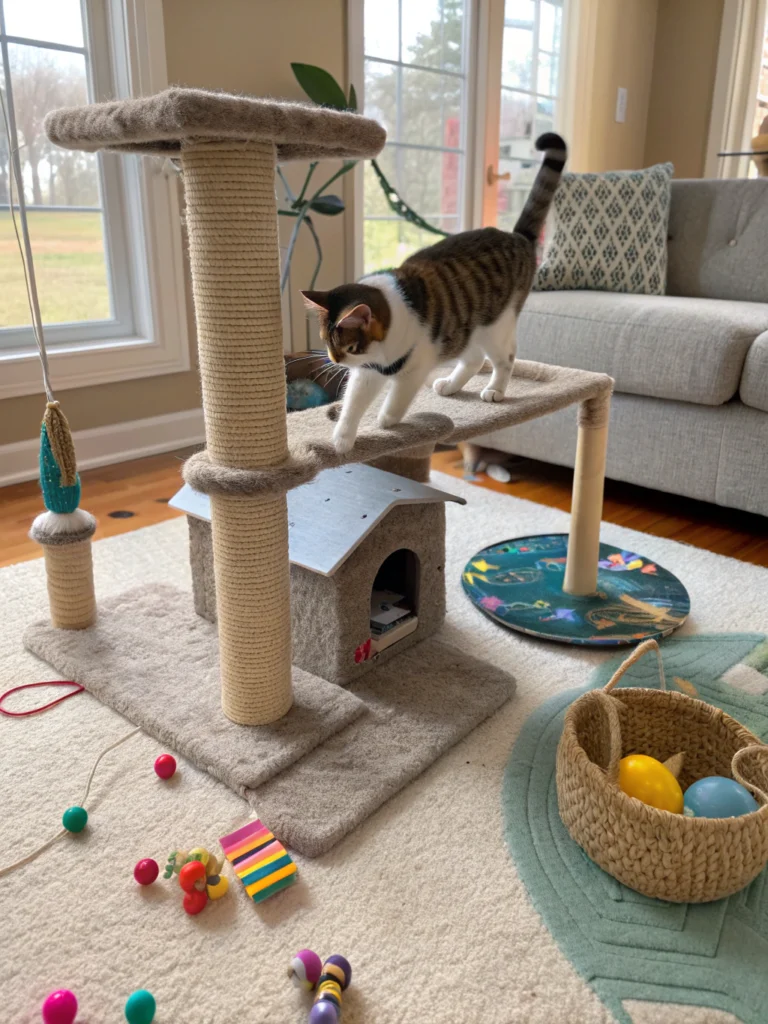
Scratching Posts: Essential for territorial marking and stress relief. Place multiple posts near resting areas and windows. Sisal-covered vertical posts at least 30 inches tall work best for most cats.
Safe Hiding Spaces: Cat beds, boxes, or cat trees with enclosed spaces give cats control over their environment. Elevated perches near windows offer security and environmental enrichment.
Carriers: A familiar carrier reduces travel anxiety. Keep it accessible with comfortable bedding so your cat associates it with positive experiences, not just vet visits.
Water Fountains: Running water encourages hydration and can reduce stress-related urinary issues. Many cats find stagnant water stressful and won’t drink enough.
Pheromone Diffusers: Optional but highly effective, these release calming synthetic pheromones that mimic the natural facial pheromones cats produce when they feel safe.
Timeline / Progress Expectations
Understanding stress reduction timelines helps set realistic expectations:
Immediate (24-48 hours): After removing an acute stressor, you may notice slight improvements in appetite and grooming behavior. However, complete recovery takes longer.
Week 1-2: Introduction of calming products like pheromone diffusers typically shows initial effects. Cats begin exploring new safe spaces and gradually resuming normal eating patterns.
Week 3-4: Behavioral modifications and environmental enrichment start showing measurable results. Litter box issues often improve, and aggressive or hiding behaviors decrease noticeably.
Month 2-3: Long-term stress management techniques become routine. Cats display more confidence, increased playfulness, and stable eating and sleeping patterns.
Seasonal Considerations: Holiday seasons often bring increased household activity and stress. Begin stress-prevention strategies 2-3 weeks before anticipated disruptions for best results.
Daily Routine: Maintain consistent feeding times (within 30-minute windows), two 15-minute play sessions, and quiet hours before bedtime to establish security through predictability.
Step-by-Step Instructions
Step 1: Identify Your Cat’s Stress Signals
Learn to recognize subtle signs including excessive grooming, changes in litter box habits, decreased appetite, increased vocalization, or withdrawal. Document behaviors in a journal to identify patterns and specific stressed cat causes.
Step 2: Assess Environmental Stressors
Walk through your home from your cat’s perspective. Look for loud appliances, lack of escape routes, conflicts with other pets, inadequate litter boxes, or insufficient vertical territory. Even seemingly minor changes like new furniture can trigger anxiety.
Step 3: Create Safe Zones
Designate at least one room as a cat sanctuary with all essentials—food, water, litter box, scratching post, and hiding spots. This space should remain consistent and free from unpredictable disturbances.
Step 4: Implement Gradual Changes
Never make sudden environmental changes. If introducing new items, pets, or people, use gradual desensitization over 2-4 weeks. Allow your cat to investigate new objects at their own pace with positive reinforcement.
Step 5: Establish Predictable Routines
Feed meals at the same times daily, maintain consistent play schedules, and create bedtime rituals. Cats thrive on predictability, and routine reduces anxiety-related behaviors by up to 60% according to feline behavioral studies.
Step 6: Provide Environmental Enrichment
Rotate toys every 3-4 days, offer window perches with bird feeders outside, use puzzle feeders for meals, and dedicate 15-20 minutes twice daily to interactive play. Mental stimulation prevents stress from boredom and frustration.
Step 7: Monitor and Adjust
Track behavioral improvements weekly. If stress signs persist beyond 4-6 weeks despite interventions, consult a veterinary behaviorist to rule out medical causes and develop a specialized treatment plan.
Health Benefits / Cat Advantages
Addressing stress triggers provides comprehensive health advantages:
Improved Immune Function: Chronic stress suppresses immune response, making cats susceptible to infections. Stress reduction can decrease upper respiratory infections by approximately 40% in multi-cat households.
Better Digestive Health: Stress-induced gastrointestinal issues like vomiting, diarrhea, and inflammatory bowel disease significantly decrease when environmental stressors are managed effectively.
Reduced Urinary Problems: Feline idiopathic cystitis, a painful bladder condition, is directly linked to environmental stress. Stress management reduces recurrence rates by up to 75%.
Enhanced Mental Wellbeing: Cats in low-stress environments display more exploratory behavior, better social interactions, and improved cognitive function, particularly important for senior cats.
Longer Lifespan: Studies indicate that indoor cats living in enriched, low-stress environments live 2-3 years longer on average than those in high-stress situations.
Behavioral Stability: Proper stress management virtually eliminates stress-related aggression, inappropriate elimination, and destructive behaviors, strengthening the human-animal bond.
Optimal Weight Management: Stress eating or stress-induced anorexia both contribute to weight problems. Balanced cats maintain healthier weights with less intervention.
Alternative Methods & Tips
For Small Living Spaces: Maximize vertical territory with wall-mounted cat shelves and multi-level cat trees. Use furniture tops as pathways and install window perches for environmental stimulation.
Budget-Friendly Enrichment: Cardboard boxes, paper bags (handles removed), toilet paper rolls stuffed with treats, and homemade puzzle feeders provide excellent low-cost enrichment alternatives.
Multi-Cat Households: Multiply resources by the number of cats plus one. Create separate feeding stations, multiple water sources, and ensure each cat has personal territory to reduce competition stress.
Indoor-Outdoor Transitions: For cats transitioning to indoor-only life, provide supervised catio access or harness training for controlled outdoor exposure, reducing frustration and enrichment deprivation.
Age-Specific Solutions: Senior cats need easily accessible resources on ground level, while kittens require extra play stimulation. Adjust environmental complexity to match physical capabilities.
Climate Considerations: In hot climates, provide cool resting spots and ensure water availability. Cold climates require warm hiding spots away from drafts. Seasonal changes themselves can be stressors requiring gradual adjustments.
For Anxious Personalities: Some cats need extra security measures including calming music designed for cats, additional hiding spots, and more gradual introductions to changes than confident cats require.
Common Mistakes to Avoid
Insufficient Litter Boxes: Many owners provide too few boxes or place them in stressful locations like near noisy appliances. This single mistake causes up to 60% of inappropriate elimination issues.
Punishing Stress Behaviors: Yelling at or punishing a stressed cat intensifies anxiety and damages trust. Instead, identify and remove the underlying stressor while rewarding calm behavior.
Ignoring Subtle Signs: Waiting until stress manifests as serious behavioral problems or illness makes resolution more difficult. Address early warning signs immediately for best outcomes.
Inconsistent Routines: Weekend schedule changes or irregular feeding times create unpredictability that triggers anxiety in routine-dependent cats.
Overwhelming Changes: Introducing multiple changes simultaneously—new food, new litter, moved furniture—overwhelms cats’ coping mechanisms. Make one change at a time with 2-3 week intervals.
Neglecting Vertical Space: Cats naturally seek elevated positions for security. Homes without adequate vertical territory create constant low-level stress and territorial conflicts.
Forced Interactions: Making cats interact with unfamiliar people or pets before they’re ready increases fear and aggression. Always allow cats to approach new experiences voluntarily.
Over-relying on Treats: Using treats as the only stress management tool can create obesity and doesn’t address underlying environmental problems causing the stress.
Storage & Maintenance Tips
Food Storage: Keep dry food in airtight containers in cool, dark locations. Once opened, use within 4-6 weeks to maintain freshness and prevent stress from palatability changes.
Litter Box Maintenance: Scoop at least once daily, preferably twice. Completely empty and wash boxes weekly with unscented soap. Replace boxes yearly as scratches harbor bacteria and odors that stress cats.
Toy Hygiene: Wash fabric toys weekly in unscented detergent. Disinfect hard toys with pet-safe cleaners. Discard damaged toys that could pose choking hazards or cause frustration.
Water Fountain Cleaning: Disassemble and clean fountains every 3-5 days to prevent bacterial growth and maintain water appeal. Replace filters according to manufacturer recommendations.
Bedding Laundering: Wash cat bedding weekly in unscented detergent. Having multiple bed covers allows rotation while maintaining familiar scent, which provides security.
Seasonal Deep Cleaning: Quarterly, conduct thorough environmental assessments. Move furniture to clean underneath, check for hidden stressors, and refresh scratching posts and aging supplies.
Supply Organization: Keep cat care items in dedicated storage accessible during emergencies. Maintain supply reserves so you never run out of essential items, which creates household stress that cats sense.
Conclusion
Creating a stress-free home environment for your cat requires understanding, consistency, and proactive management of potential triggers. By recognizing the signs of feline stress, providing appropriate supplies, maintaining predictable routines, and implementing the strategies outlined in this guide, you’ll significantly improve your cat’s quality of life and strengthen your bond. Remember that every cat is unique—what stresses one cat may not affect another, so pay attention to your individual cat’s responses and adjust accordingly.
FAQs
How quickly can I expect to see improvement in my stressed cat’s behavior?
Most cats show initial improvement within 2-3 weeks of implementing stress-reduction strategies, though complete resolution may take 2-3 months. Acute stressors (like temporary construction noise) may resolve within days once removed, while chronic stress patterns require longer intervention periods. Consistency is crucial—intermittent application of stress-reduction techniques produces slower, less reliable results.
Can stress actually make my cat physically sick?
Absolutely. Chronic stress suppresses immune function and directly causes conditions like feline idiopathic cystitis, digestive issues, and exacerbates chronic conditions like asthma. Stress also triggers overgrooming leading to skin infections and hair loss. Many veterinarians estimate that 30-40% of feline health issues have stress as a contributing factor, making environmental management as important as medical treatment.
What’s the single most important thing I can do to reduce cat stress?
While comprehensive approaches work best, maintaining absolute consistency in daily routines—especially feeding times and play sessions—provides the foundation for security. Cats are creatures of habit, and predictability reduces anxiety more effectively than any single product or environmental change. Pair routine consistency with adequate resources (litter boxes, food stations, hiding spots) for optimal results.
Do multi-cat households always create more stress?
Not necessarily. Well-matched cats with sufficient resources often provide companionship that reduces stress. However, incompatible personalities, insufficient territory, or resource competition creates significant stress. The key is providing resources in quantities of (number of cats + 1) and ensuring each cat has personal space. Proper introductions over 2-4 weeks prevent most multi-cat stress issues.
When should I consult a veterinarian about my cat’s stress?
Consult your veterinarian if stress behaviors persist beyond 4-6 weeks despite environmental interventions, if your cat stops eating for more than 24 hours, shows aggression that endangers people or other pets, or displays potential medical symptoms like excessive urination, vomiting, or lethargy. Many veterinarians now offer behavioral consultations, and some prescribe anti-anxiety medications for severe cases while environmental modifications take effect.