How to Stop Cat Nighttime Activity best guide 2026
How to Stop Cat Nighttime Activity best guide 2026
Table of Contents
How to Stop Cat Nighttime Activity
Introduction
Did you know that nearly 65% of cat owners report being woken up by their feline companions at least once per week? If you’ve ever been jolted awake at 3 a.m. by a meowing, racing, or toy-tossing cat, you’re not alone. Understanding how to stop cat nighttime activity is one of the most common challenges faced by cat parents worldwide. Cats are naturally crepuscular creatures, meaning they’re most active during dawn and dusk, but with the right strategies, you can help your furry friend adjust to a more human-friendly sleep schedule. This comprehensive guide will walk you through proven techniques, essential supplies, and actionable steps to reclaim your peaceful nights while keeping your cat happy and healthy.
Cat Supplies & Essentials
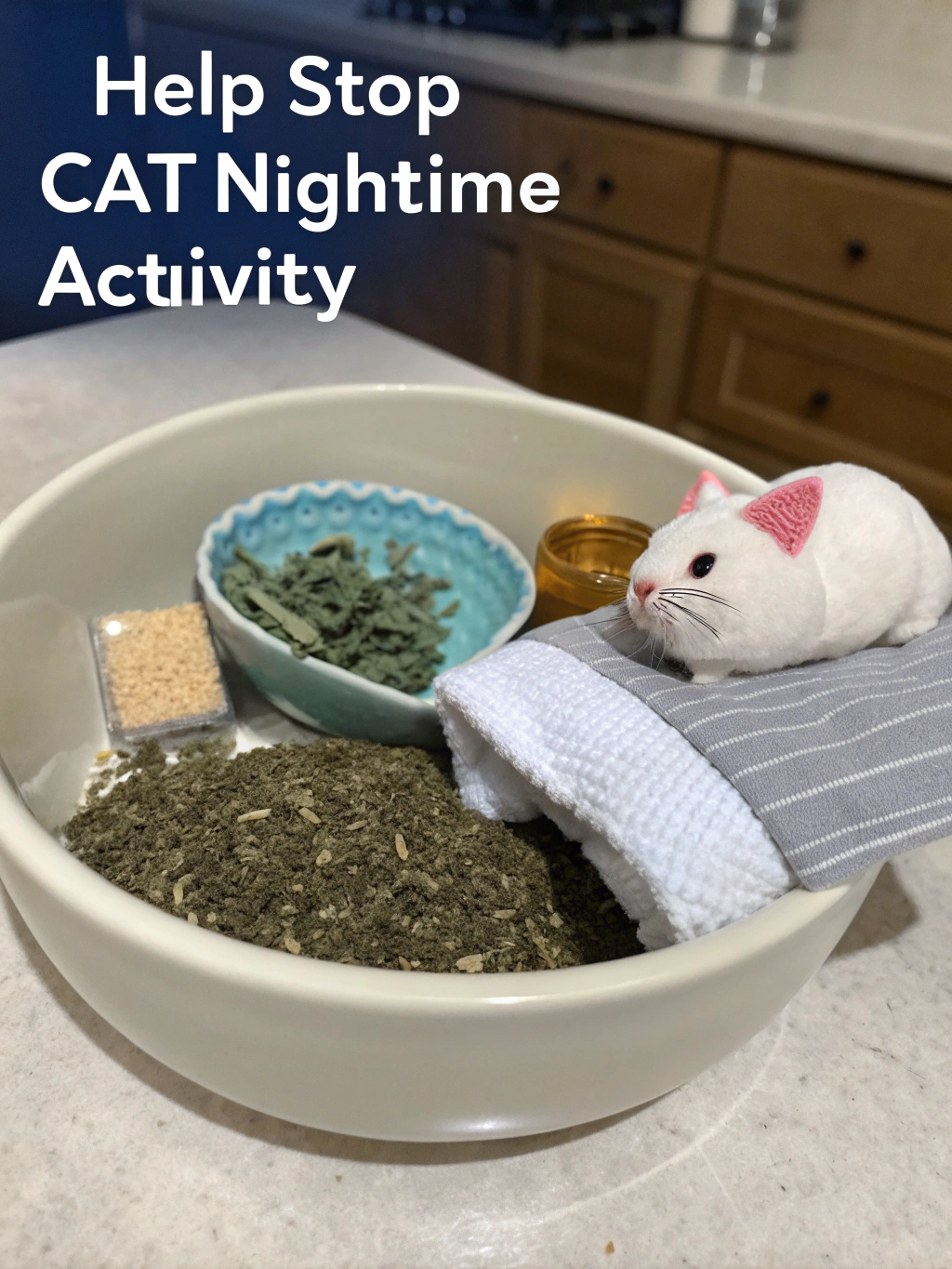
To effectively manage your cat active at night, you’ll need the right tools and supplies. Here’s a comprehensive list of essentials:
Interactive Toys: Puzzle feeders, electronic mice, and feather wands help exhaust your cat’s energy before bedtime. These toys stimulate natural hunting instincts and provide mental enrichment.
Automated Feeders: Programmable feeders can dispense meals during early morning hours, preventing hunger-driven wake-up calls. Look for models with portion control features.
Cat Trees and Scratching Posts: Multi-level climbing structures satisfy territorial instincts and provide daytime exercise opportunities. Position near windows for added stimulation.
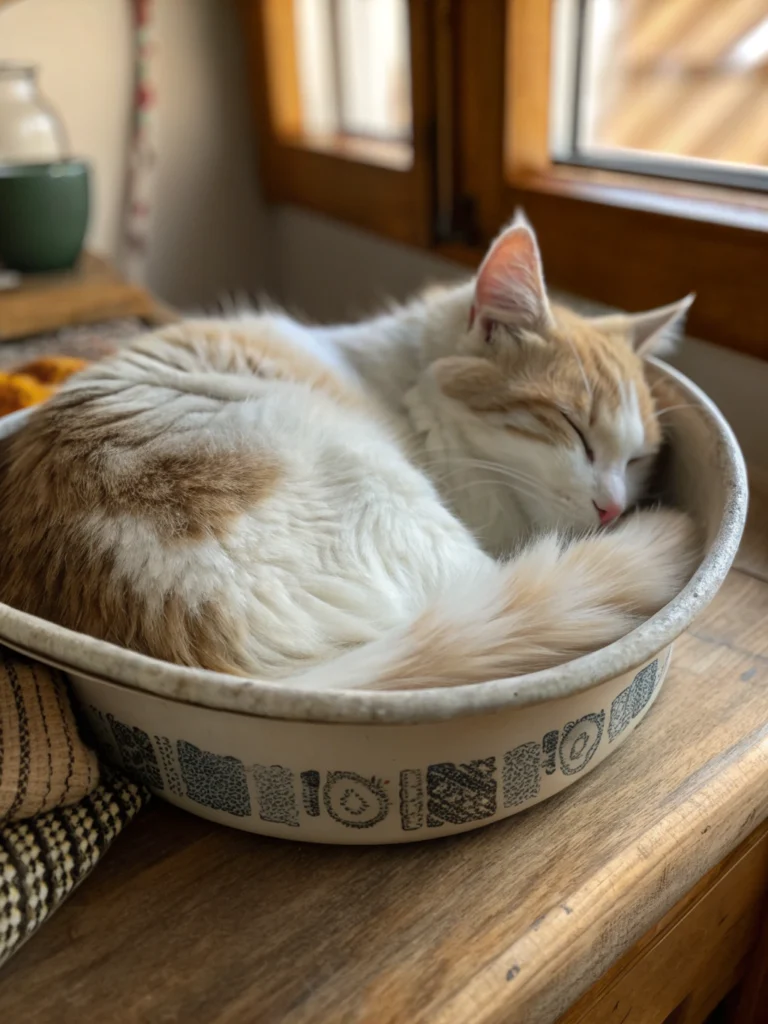
Comfortable Beds: Heated or self-warming beds placed in quiet areas encourage restful sleep. Memory foam options are ideal for senior cats.
Blackout Curtains: These help maintain consistent darkness, signaling sleep time to your cat’s internal clock.
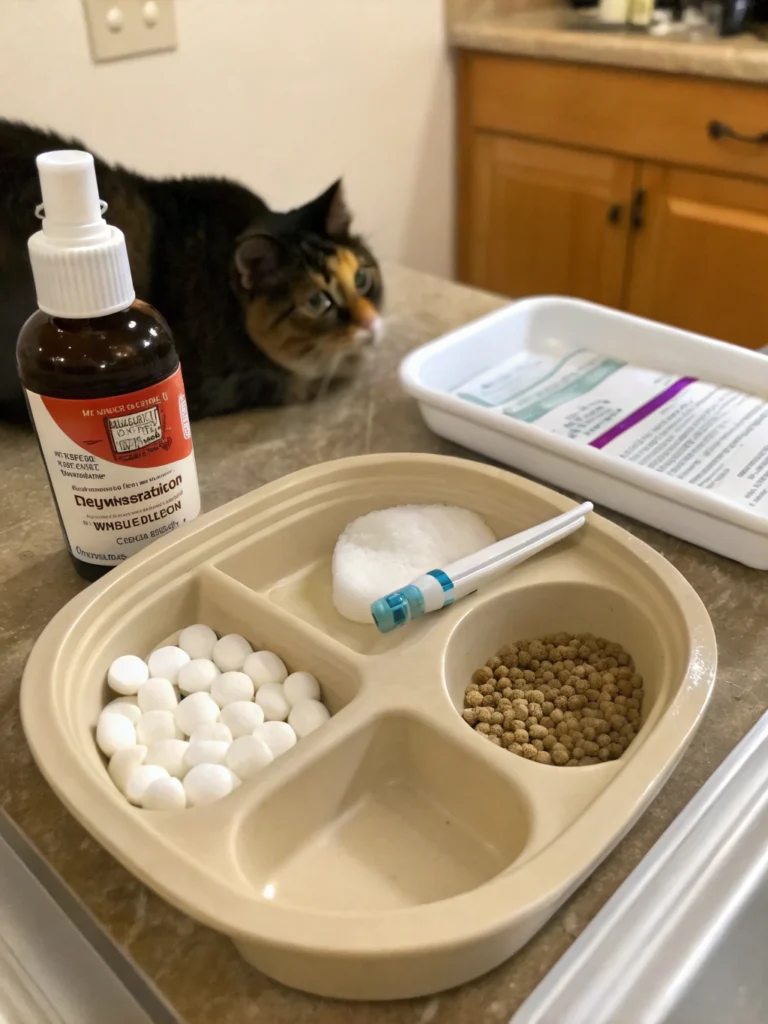
Calming Aids: Pheromone diffusers, calming collars, and anxiety-reducing sprays can create a peaceful nighttime environment.
Quality Cat Food: High-protein, grain-free formulas help stabilize energy levels throughout the day and night.
Water Fountains: Fresh, flowing water encourages proper hydration, which supports overall health and reduces nighttime restlessness.
Night Lights: Low-level lighting helps cats navigate safely without triggering full alertness.
Timeline / Progress Expectations
Managing nighttime activity requires patience and consistency. Here’s what to expect:
Week 1-2: Initial adjustment period where you implement new feeding schedules and play routines. Your cat may resist changes initially, showing increased vocalization or restlessness.
Week 3-4: Most cats begin adapting to the new schedule, with 40-50% reduction in nighttime disturbances. You’ll notice improved sleep patterns as their biological clock adjusts.
Week 5-8: Significant improvement typically occurs, with 70-80% of cats settling into consistent nighttime routines. Energy levels become more predictable.
Daily Routine: Plan for 20-30 minutes of active play before bedtime, with feeding occurring 30-60 minutes before your sleep time.
Seasonal Adjustments: During longer daylight hours, cats may require additional stimulation. Winter months often see naturally reduced activity levels.
Long-term Maintenance: After 2-3 months, behaviors should be well-established, though occasional regression may occur during environmental changes or stress.
Step 1: Establish a Consistent Play Schedule
Create an engaging play routine 1-2 hours before bedtime. Use interactive toys that mimic prey movements, such as feather wands or laser pointers. Dedicate 15-20 minutes to vigorous activity, encouraging jumping, running, and pouncing. This simulates a successful hunt, satisfying your cat’s predatory instincts.
Step 2: Implement Strategic Feeding Times
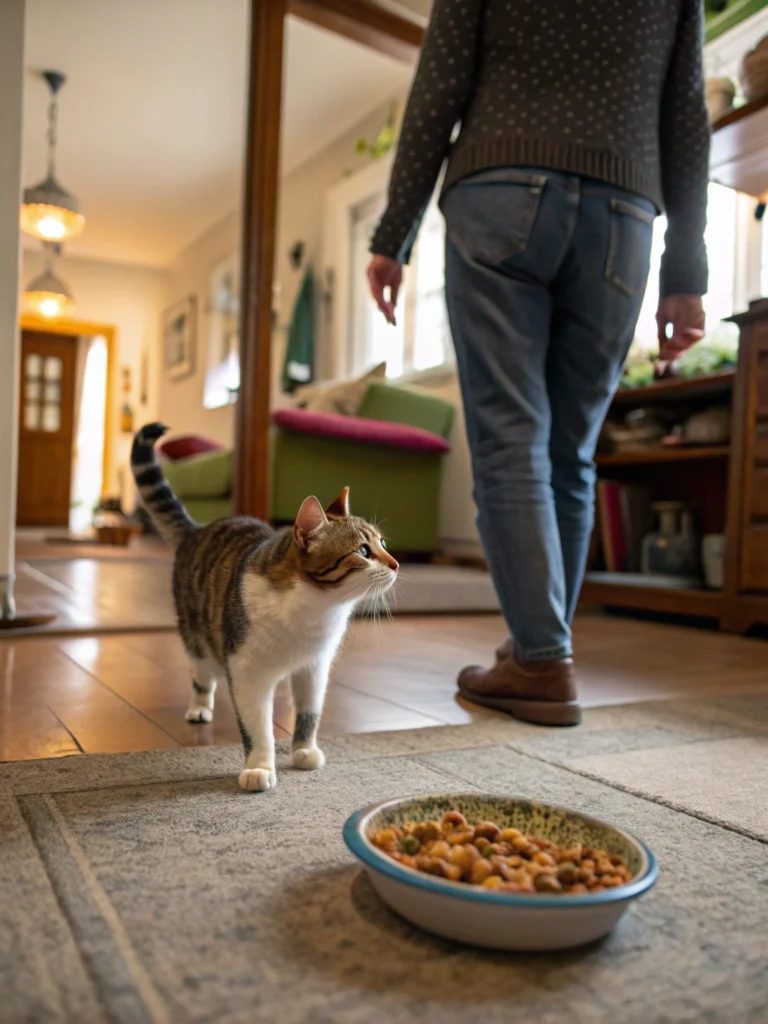
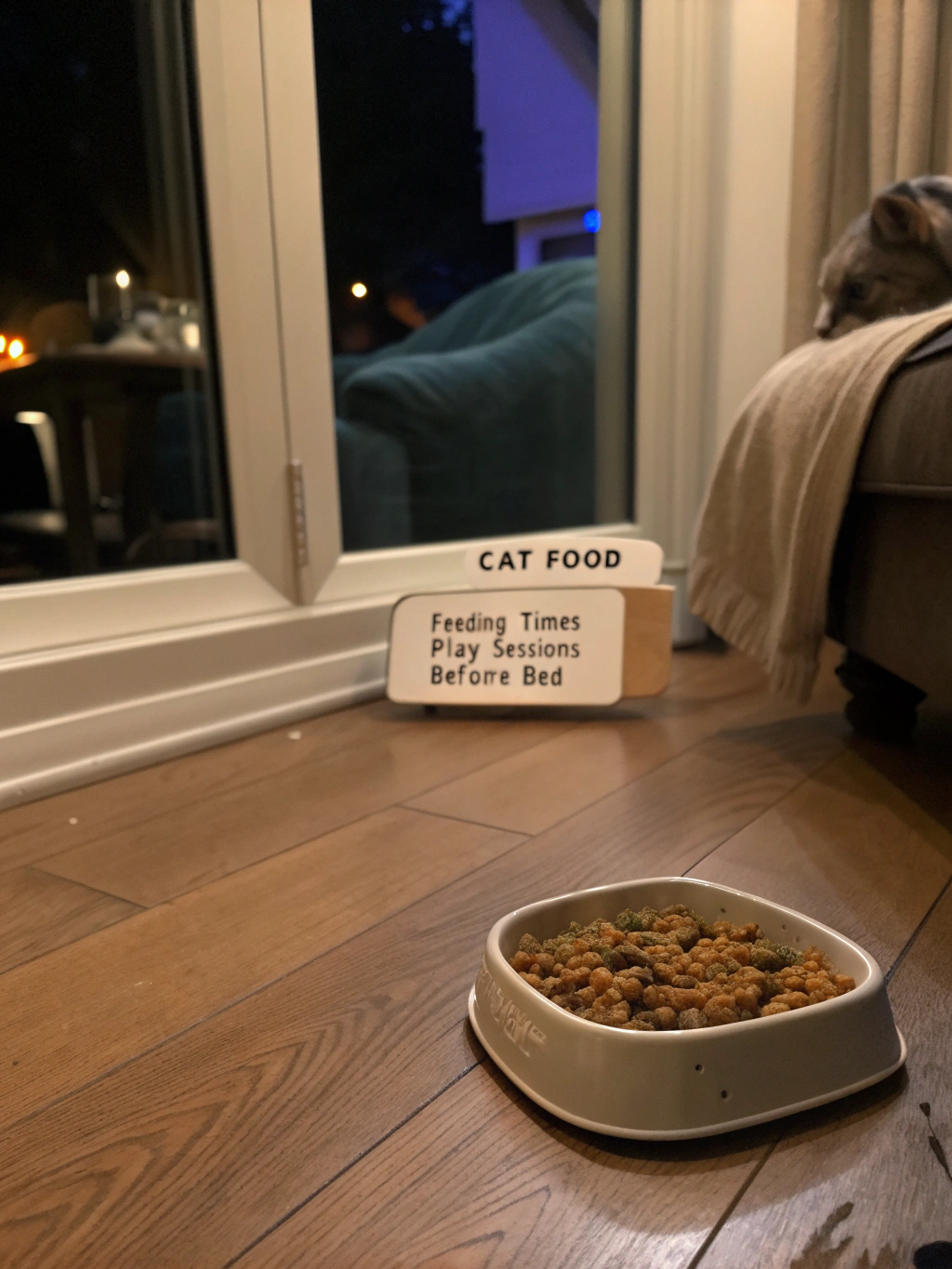
Schedule the main meal 30-60 minutes before your bedtime. Cats naturally sleep after eating, mimicking the rest period following a hunt. Consider splitting daily food into 3-4 smaller meals to prevent hunger-driven nighttime wake-ups.
Step 3: Create Environmental Enrichment
Rotate toys weekly to maintain novelty and interest. Set up window perches for bird-watching during the day. Introduce food puzzles that challenge your cat mentally and physically, helping exhaust energy reserves appropriately.
Step 4: Ignore Nighttime Attention-Seeking
Resist responding to nighttime meowing, pawing, or jumping on the bed. Any interaction reinforces the behavior. Use earplugs initially if needed, and remain consistent. Reward quiet behavior during appropriate hours.
Step 5: Optimize the Sleep Environment
Ensure your bedroom door stays closed, with your cat’s bed, water, and litter box accessible in another area. Maintain comfortable temperatures and minimize disruptive noises or lights.
Health Benefits / Cat Advantages
Properly managing your cat’s nighttime activity yields numerous health advantages:
Improved Sleep Quality: Both you and your cat benefit from consistent, uninterrupted sleep cycles, which support immune function and mental health.
Reduced Stress Levels: Structured routines decrease anxiety in cats by 35-40%, according to veterinary behavioral studies. Predictable schedules create security.
Weight Management: Scheduled feeding and play prevent obesity, which affects nearly 60% of domestic cats. Controlled portions and exercise maintain healthy body condition.
Enhanced Mental Stimulation: Interactive play and enrichment activities reduce boredom-related behaviors like destructive scratching or excessive vocalization by up to 50%.
Stronger Human-Animal Bond: Quality interactive time strengthens relationships, increasing mutual trust and affection.
Better Behavioral Health: Regular exercise releases endorphins, reducing aggression, anxiety, and depression in indoor cats.
Alternative Methods & Tips
Small Living Spaces: Utilize vertical space with wall-mounted shelves and cat trees. Rotating toys prevents boredom without requiring storage space.
Budget-Friendly Options: DIY toys using cardboard boxes, paper bags, and homemade treat puzzles provide enrichment without expensive purchases.
Multi-Cat Households: Ensure adequate resources (one litter box per cat plus one extra) and separate feeding areas to reduce competition-driven nighttime activity.
Senior Cats: Arthritis or cognitive dysfunction may cause nighttime restlessness. Consult veterinarians about pain management or supplements like omega-3 fatty acids.
Outdoor Cats Transitioning Indoors: Gradually increase indoor enrichment while slowly limiting outdoor access. Allow adjustment periods of 4-6 weeks.
Seasonal Adaptations: During summer’s longer days, provide additional afternoon play sessions. Winter may require less intervention as natural light decreases.
Common Mistakes to Avoid
Inconsistent Schedules: Varying feeding and play times confuses cats’ internal clocks. Maintain routines even on weekends.
Punishment-Based Training: Yelling or physical discipline increases anxiety, worsening nighttime behaviors. Use positive reinforcement exclusively.
Insufficient Daytime Stimulation: Bored cats sleep excessively during the day, becoming hyperactive at night. Provide continuous enrichment opportunities.
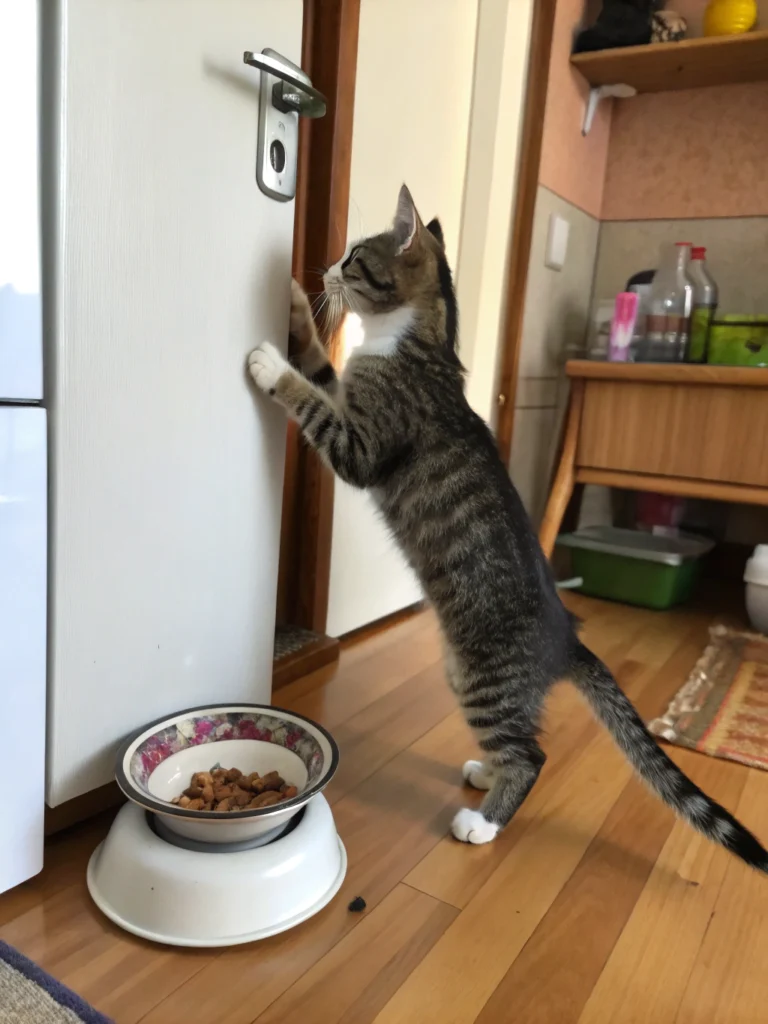
Free-Feeding: Unlimited food access eliminates natural eating-sleeping cycles. Switch to scheduled meals for better behavioral control.
Responding to Nighttime Demands: Even brief interactions reinforce attention-seeking behaviors. Maintain complete consistency in ignoring nighttime disturbances.
Neglecting Health Issues: Hyperthyroidism, dental pain, or urinary problems cause nighttime restlessness. Schedule veterinary check-ups to rule out medical causes.
Inadequate Exercise: 10 minutes of play isn’t sufficient for active breeds. Aim for 30-45 minutes daily, divided into sessions.
Storage & Maintenance Tips
Food Storage: Keep dry food in airtight containers in cool, dark locations. Opened wet food should be refrigerated and used within 3 days.
Toy Hygiene: Wash fabric toys weekly in hot water. Disinfect plastic toys with pet-safe cleaners monthly to prevent bacterial buildup.
Litter Box Maintenance: Scoop daily and completely change litter weekly. Deep clean boxes monthly with enzymatic cleaners to eliminate odor-causing bacteria.
Feeding Equipment: Wash food and water bowls daily with hot, soapy water. Replace plastic bowls every 6-12 months as scratches harbor bacteria.
Scratching Posts: Vacuum weekly to remove loose fibers. Replace worn sisal rope or cardboard inserts when fraying occurs.
Seasonal Cleaning: Deep clean cat areas quarterly, including washing bedding, vacuuming cat trees, and sanitizing play spaces.
Conclusion
Managing your cat’s nighttime activity doesn’t require sacrificing your sleep or your pet’s happiness. By implementing structured play schedules, strategic feeding times, and environmental enrichment, you can successfully redirect your cat’s natural instincts toward appropriate hours. Remember that consistency is crucial—most cats show significant improvement within 4-6 weeks of implementing these strategies. Start with one or two changes, gradually building a comprehensive routine that works for your household. Ready to reclaim your peaceful nights? Begin tonight with a dedicated pre-bedtime play session, and watch as your cat transforms into a contented, well-rested companion. Share your success stories in the comments, and explore our related guides on cat behavior and wellness for even more helpful tips!
FAQs
Why is my cat so active at night?
Cats are naturally crepuscular, meaning they’re most active during twilight hours. Domestic cats retain this instinct from their wild ancestors who hunted at dawn and dusk. Insufficient daytime stimulation, irregular feeding schedules, or medical issues like hyperthyroidism can exacerbate nighttime activity.
How long does it take to change a cat’s sleep schedule?
Most cats adapt to new routines within 3-6 weeks with consistent implementation. Younger cats typically adjust faster than seniors. The key is maintaining unwavering consistency with feeding times, play sessions, and ignoring nighttime attention-seeking behaviors.
What’s the best time to feed my cat to prevent nighttime waking?
Feed your cat’s largest meal 30-60 minutes before your bedtime. This mimics the natural hunt-eat-groom-sleep cycle, encouraging your cat to settle down for the night. Consider a small automatic feeder dispensing a snack at 5-6 a.m. to prevent early morning wake-ups.
Should I let my cat sleep in my bedroom?
This depends on your cat’s behavior. If your cat sleeps peacefully through the night, sharing your bedroom strengthens your bond. However, if your cat displays disruptive behaviors, keeping your bedroom off-limits while ensuring they have a comfortable alternative sleeping area is more practical.
Can medical issues cause increased nighttime activity?
Yes. Hyperthyroidism, cognitive dysfunction syndrome, arthritis pain, urinary tract infections, and high blood pressure can all cause restlessness and increased vocalization at night. If behavioral modifications don’t improve symptoms within 4 weeks, schedule a veterinary examination to rule out underlying health conditions.