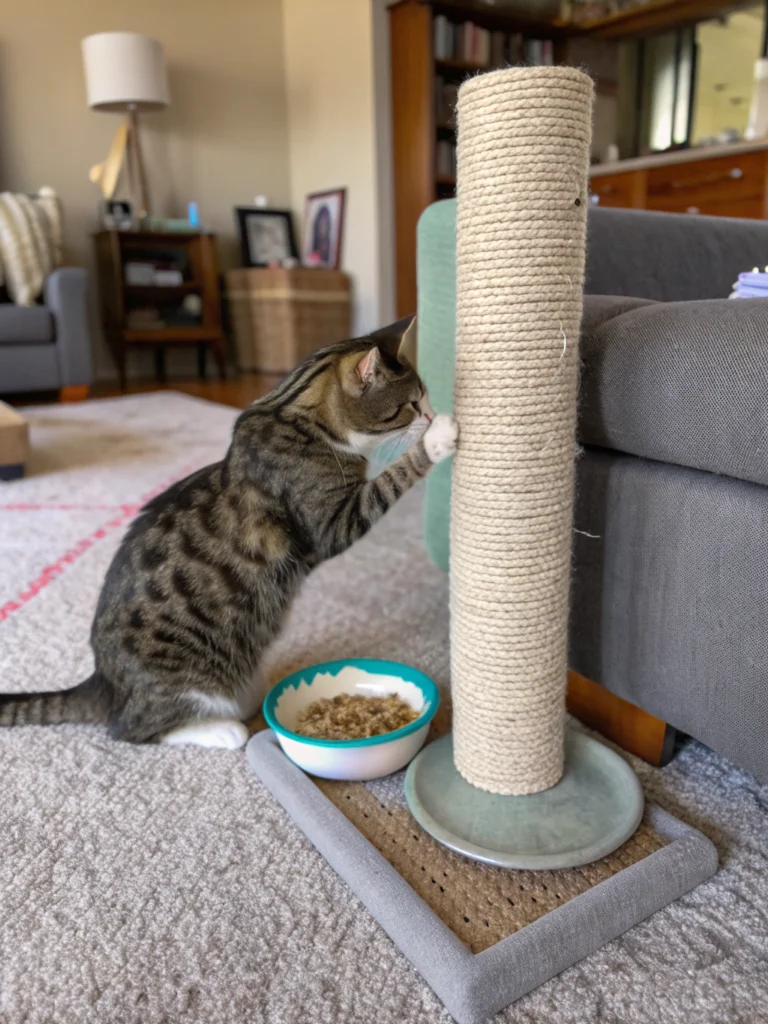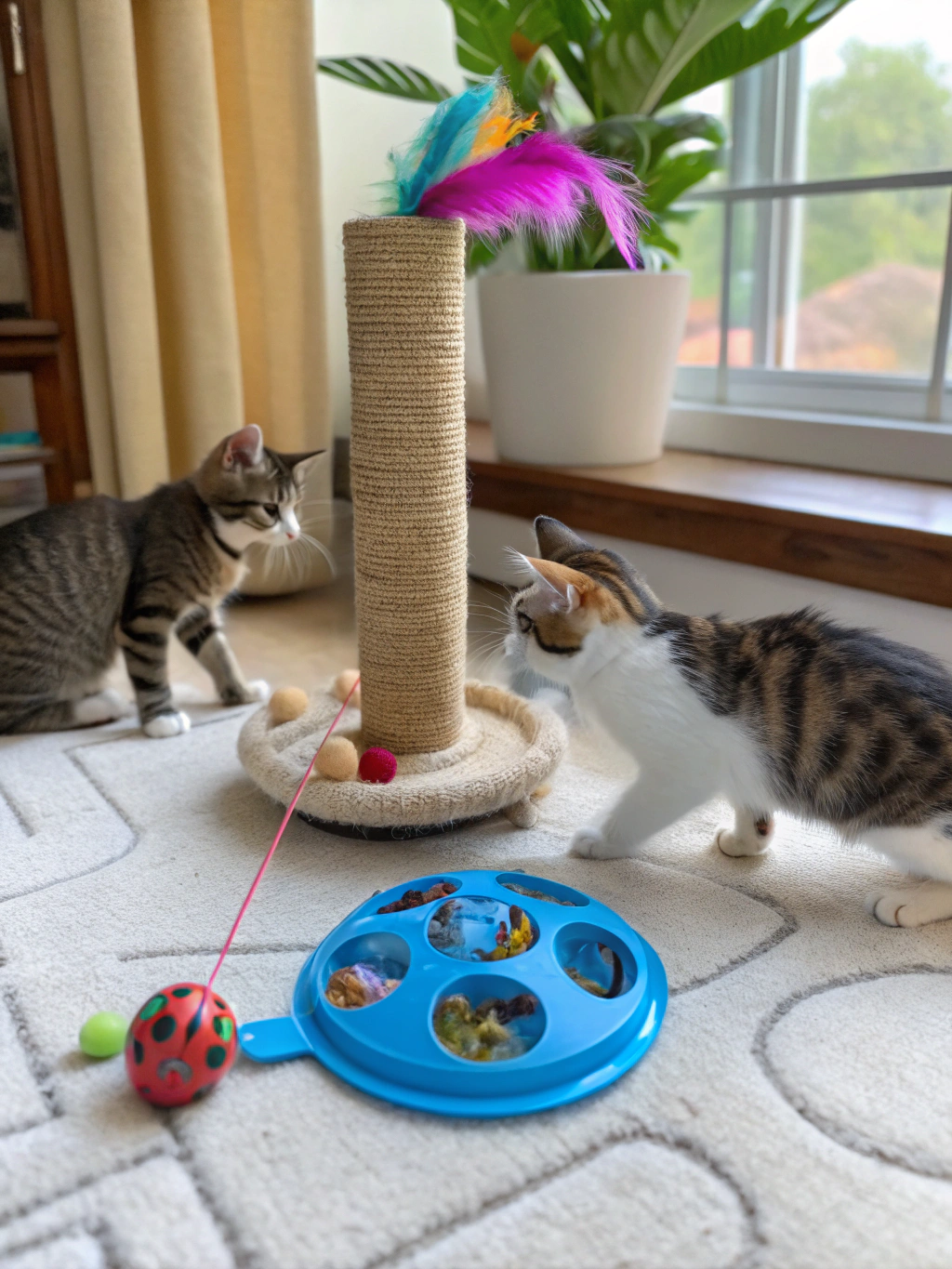
How to Mentally Stimulate Indoor Cats best guide 2026
How to Mentally Stimulate Indoor Cats best guide 2026
Table of Contents
How to Mentally Stimulate Indoor Cats
Introduction
Did you know that indoor cats can exhibit signs of boredom and depression within just a few weeks of being confined without adequate enrichment? Studies show that up to 60% of indoor cats experience behavioral issues linked to understimulation, including excessive meowing, destructive scratching, and even aggression. Understanding how to mentally stimulate indoor cats is crucial for every cat owner who wants to provide a fulfilling and healthy life for their feline companion. While keeping cats indoors protects them from outdoor dangers, it also removes their natural hunting and exploration opportunities. This comprehensive guide will walk you through practical, easy-to-implement strategies that transform your home into an engaging environment where your cat can thrive mentally and physically.
Cat Supplies & Essentials
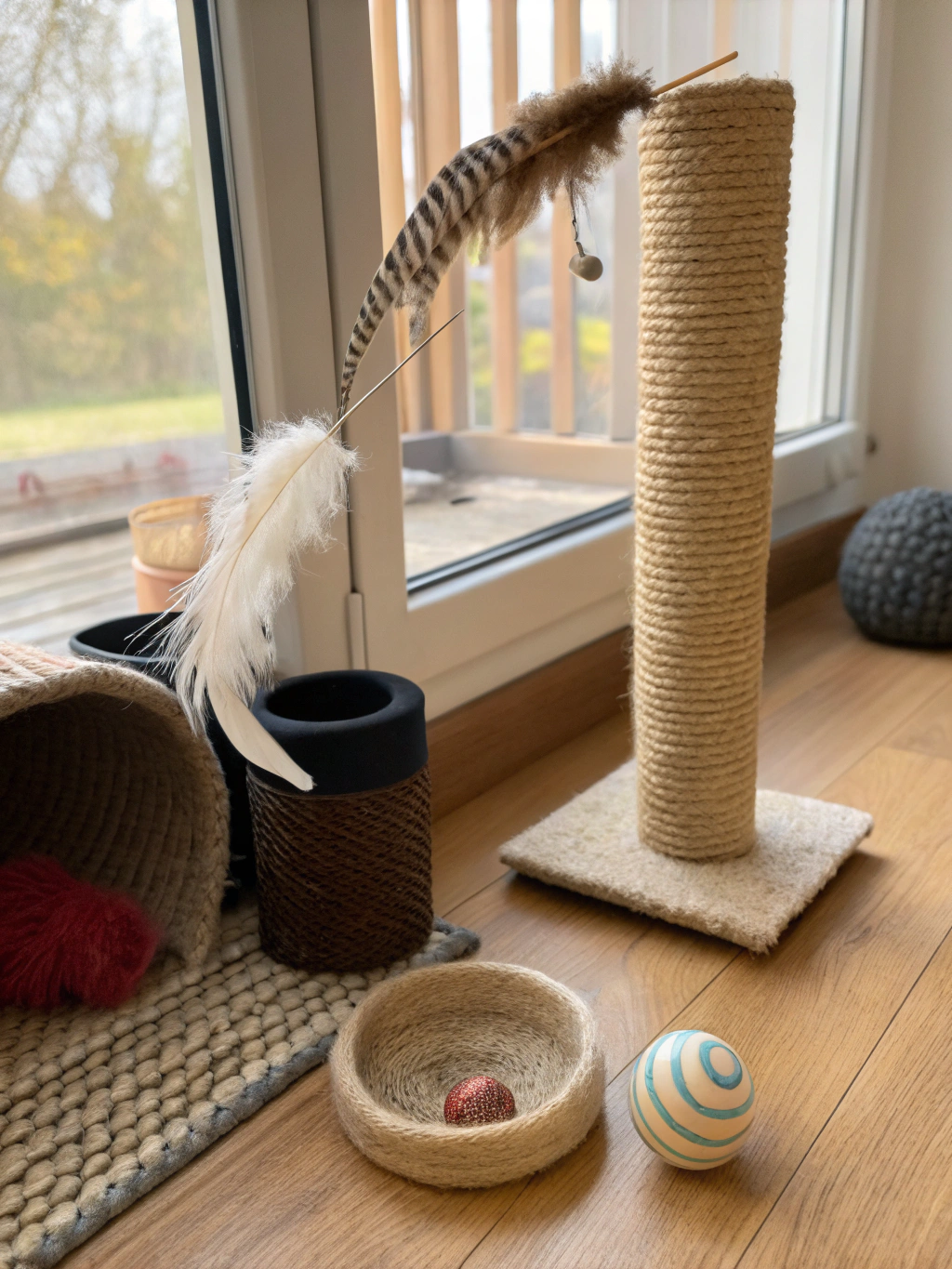
Creating a mentally stimulating environment starts with having the right supplies on hand. Here’s what every indoor cat owner needs:
Interactive Toys: Puzzle feeders, treat-dispensing balls, and wand toys encourage natural hunting behaviors and problem-solving skills. These are essential for daily cat mental stimulation.
Scratching Posts & Pads: Multiple scratching surfaces in different textures (sisal, cardboard, carpet) satisfy instinctive needs and provide physical exercise.
Cat Trees & Perches: Multi-level climbing structures offer vertical territory, observation points, and safe retreat spaces that cats naturally crave.
Window Perches: Suction-cup or shelf-style window seats provide “cat TV” access for watching birds, squirrels, and outdoor activities.
Rotating Toy Collection: A variety of balls, mice, feathers, and crinkle toys that you can rotate weekly to maintain novelty and interest.
Food Puzzle Toys: Slow feeders and puzzle bowls transform mealtime into an engaging mental challenge.
Catnip & Silver Vine Products: Natural stimulants that provide sensory enrichment for most cats (though 30% of cats don’t respond to catnip).
Cat Tunnels: Collapsible tunnels encourage exploration, play, and exercise while satisfying hiding instincts.
Quality Litter Boxes: One per cat plus one extra, placed in quiet locations to reduce stress and encourage proper use.
Optional Items: Cat shelves for wall-mounted pathways, automated laser toys for independent play, and cat-safe plants like cat grass for sensory enrichment.
Timeline / Progress Expectations
Understanding realistic timelines helps set appropriate expectations for your cat’s mental stimulation journey:
Week 1-2: Introduction phase where your cat explores new toys and enrichment items. Some cats adapt immediately, while shy cats may need several days to investigate new additions. Expect 10-15 minutes of active engagement daily.
Week 3-4: Most cats establish preferences for certain toys and activities. You’ll notice increased confidence, more play initiation, and potentially reduced problem behaviors like excessive meowing or furniture scratching.
Month 2-3: Behavioral improvements become evident. Cats typically show 40-50% reduction in stress-related behaviors and demonstrate more complex play patterns. Interactive play sessions may extend to 20-30 minutes daily.
Ongoing Maintenance: Mental stimulation requires continuous effort. Rotate toys every 7-10 days, introduce new challenges monthly, and maintain daily interactive play sessions. Seasonal variations (more indoor time in winter) may require increased enrichment activities.
Daily Routine: Plan for two 15-minute interactive play sessions, morning and evening, to mirror natural hunting patterns. Supplement with independent puzzle toys and environmental enrichment.
Step-by-Step Instructions
Step 1: Establish a Dedicated Play Schedule
Set consistent times for interactive play, ideally before meals to simulate the hunt-eat-sleep cycle. Use wand toys to mimic prey movements—quick darts, sudden stops, and hiding behind furniture. Finish each session by letting your cat “catch” the prey to provide satisfaction and closure.
Step 2: Create Vertical Territory
Install cat trees, shelves, or perches at varying heights throughout your home. Cats feel secure when they can survey their territory from elevated positions. Place perches near windows for optimal environmental viewing opportunities.
Step 3: Implement Food Puzzles
Transition from bowl feeding to puzzle feeders gradually. Start with easy puzzles and increase difficulty as your cat masters each level. This extends eating time from minutes to 20-30 minutes, engaging their problem-solving abilities.
Step 4: Rotate Environmental Enrichment
Every week, change the location of furniture, introduce new scents (cat-safe herbs), or create cardboard box mazes. Novelty is crucial for maintaining mental engagement and preventing habituation.
Step 5: Introduce Foraging Activities
Hide small portions of treats or kibble around the house in various locations—on cat trees, inside tunnels, or under furniture. This encourages natural hunting and foraging behaviors that indoor cats often miss.
Step 6: Provide Multi-Sensory Experiences
Play nature sounds, bird videos designed for cats, or use interactive tablet apps. Introduce different textures through cat-safe materials like paper bags (handles removed), fleece blankets, or crinkle mats.
Health Benefits / Cat Advantages
Proper mental stimulation offers numerous health advantages for indoor cats:
Reduced Obesity Risk: Engaging activities increase daily calorie expenditure by 15-25%, helping maintain healthy weight. Interactive play burns approximately 5-10 calories per 15-minute session.
Decreased Stress & Anxiety: Mentally stimulated cats show 45% lower cortisol levels compared to understimulated cats, reducing stress-related health problems like urinary issues and overgrooming.
Improved Cognitive Function: Regular mental challenges help maintain neuroplasticity, potentially delaying age-related cognitive decline by 30-40% in senior cats.
Better Behavioral Health: Enriched environments reduce destructive behaviors by 60%, aggression by 35%, and inappropriate elimination by 50%, according to feline behavior studies.
Enhanced Immune Function: Lower stress levels correlate with stronger immune responses and reduced susceptibility to illness.
Stronger Human-Cat Bond: Interactive play sessions strengthen attachment and trust, creating more confident, social cats.
Alternative Methods & Tips
Small Space Solutions: Use vertical space with wall-mounted shelves and hanging toys. Compact puzzle feeders and doorway-mounted toys maximize enrichment without floor space.
Budget-Friendly Options: Cardboard boxes, paper bags, toilet paper rolls stuffed with treats, and DIY puzzle feeders from egg cartons provide excellent low-cost enrichment.
Age-Appropriate Activities: Kittens need high-energy chase games, adult cats benefit from varied challenges, while seniors prefer gentler puzzle toys and comfortable observation perches.
Multi-Cat Households: Ensure multiple resources (toys, perches, hiding spots) to prevent competition. Individual play sessions strengthen bonds and prevent jealousy.
Climate Considerations: In hot climates, encourage activity during cooler morning/evening hours. Cold climates may require additional indoor enrichment during winter months.
Personality Adaptations: Shy cats prefer enclosed hiding spots and solo play opportunities, while social cats thrive on interactive human engagement and play dates with compatible cats.
Common Mistakes to Avoid
Inconsistent Play Schedule: Sporadic interaction fails to provide the routine cats need. Establish and maintain regular play times daily.
Using Hands as Toys: This teaches cats that human skin is appropriate for biting and scratching. Always use proper toys to redirect predatory behavior.
Insufficient Toy Variety: Relying on one or two toys leads to rapid boredom. Maintain a collection of at least 10-15 different toy types.
Neglecting Solo Entertainment: Relying solely on human interaction isn’t sustainable. Provide puzzle toys and environmental enrichment for independent engagement.
Punishment for Natural Behaviors: Scratching and hunting are instinctive. Instead of punishing, redirect to appropriate outlets like scratching posts and interactive toys.
Overfeeding with Treats: Using too many treat rewards can lead to obesity. Limit treats to 10% of daily caloric intake and use regular kibble for puzzle toys when possible.
Ignoring Individual Preferences: Not all cats respond to the same stimuli. Observe your cat’s reactions and adapt enrichment to their specific interests.
Storage & Maintenance Tips
Toy Rotation System: Store toys in three separate containers, rotating weekly to maintain novelty. Keep one container in use, one in storage, and one being cleaned.
Cleaning Schedule: Wash fabric toys weekly in hot water, sanitize hard plastic toys with pet-safe disinfectant, and replace worn items monthly to prevent bacterial growth.
Food Puzzle Maintenance: Clean puzzle feeders daily with warm, soapy water to prevent mold and bacterial contamination. Dry thoroughly before refilling.
Scratching Post Care: Vacuum or brush scratching surfaces weekly to remove loose fibers. Replace sisal or cardboard surfaces when worn smooth (typically every 6-12 months).
Seasonal Deep Clean: Quarterly, wash all cat bedding, vacuum cat trees thoroughly, and inspect all toys for damage or safety concerns.
Storage Solutions: Use clear plastic bins labeled by toy type for easy identification. Store catnip products in airtight containers to preserve potency.
Conclusion
Creating a mentally stimulating environment for indoor cats isn’t just about preventing boredom—it’s essential for their physical health, emotional wellbeing, and overall quality of life. By implementing the strategies outlined in this guide, you’re providing your feline companion with the enrichment they need to thrive indoors. Start with one or two changes this week, gradually building a comprehensive enrichment program tailored to your cat’s unique personality and preferences. Remember, consistency is key, and even small efforts make significant differences in your cat’s happiness. Share your success stories in the comments below, and explore our other cat care guides for more ways to enhance your cat’s life.
FAQs
Q: How much daily playtime do indoor cats need?
A: Indoor cats benefit from at least two 15-minute interactive play sessions daily, totaling 30 minutes minimum. Active breeds like Bengals or Abyssinians may require 45-60 minutes of engagement spread throughout the day.
Q: My cat ignores all new toys. What should I do?
A: Try introducing toys gradually, using catnip or silver vine to increase interest, or engaging in play yourself to demonstrate the toy’s movement. Some cats prefer specific textures or sounds—experiment with various types until you find what resonates with your cat.
Q: Can I leave my cat alone all day if I provide enrichment toys?
A: While enrichment helps, cats are social creatures that need daily human interaction. If you work long hours, consider adopting a second cat for companionship, hiring a pet sitter for midday visits, or investing in automated interactive toys.
Q: How do I know if my cat is mentally stimulated enough?
A: Well-stimulated cats display healthy sleep patterns (12-16 hours daily), appropriate energy levels, minimal destructive behavior, healthy eating habits, and engagement with their environment. Signs of understimulation include excessive vocalization, aggression, overgrooming, or destructive scratching.
Q: Are laser pointers safe for cat mental stimulation?
A: Laser pointers can provide exercise but may cause frustration since cats never “catch” the prey. If using lasers, always end play sessions by directing the light to a physical toy your cat can capture, providing psychological satisfaction and closure to the hunt sequence.