Cat Care Mistakes New Owners Make in 2026
Cat Care Mistakes New Owners Make in 2026
Table of Contents
Cat Care Mistakes New Owners Make
Introduction
Did you know that nearly 63% of new cat owners underestimate the complexity of feline care during the first six months? While cats are often perceived as low-maintenance pets compared to dogs, the reality is far more nuanced. Many well-intentioned pet parents unknowingly create behavioral issues, health problems, and stress for their feline companions simply by overlooking critical care elements. Understanding the cat care mistakes new owners make can mean the difference between a thriving, happy cat and one struggling with anxiety, obesity, or behavioral disorders. This comprehensive guide will walk you through everything you need to know to avoid the most common pitfalls and set both you and your cat up for long-term success.
Cat Supplies & Essentials
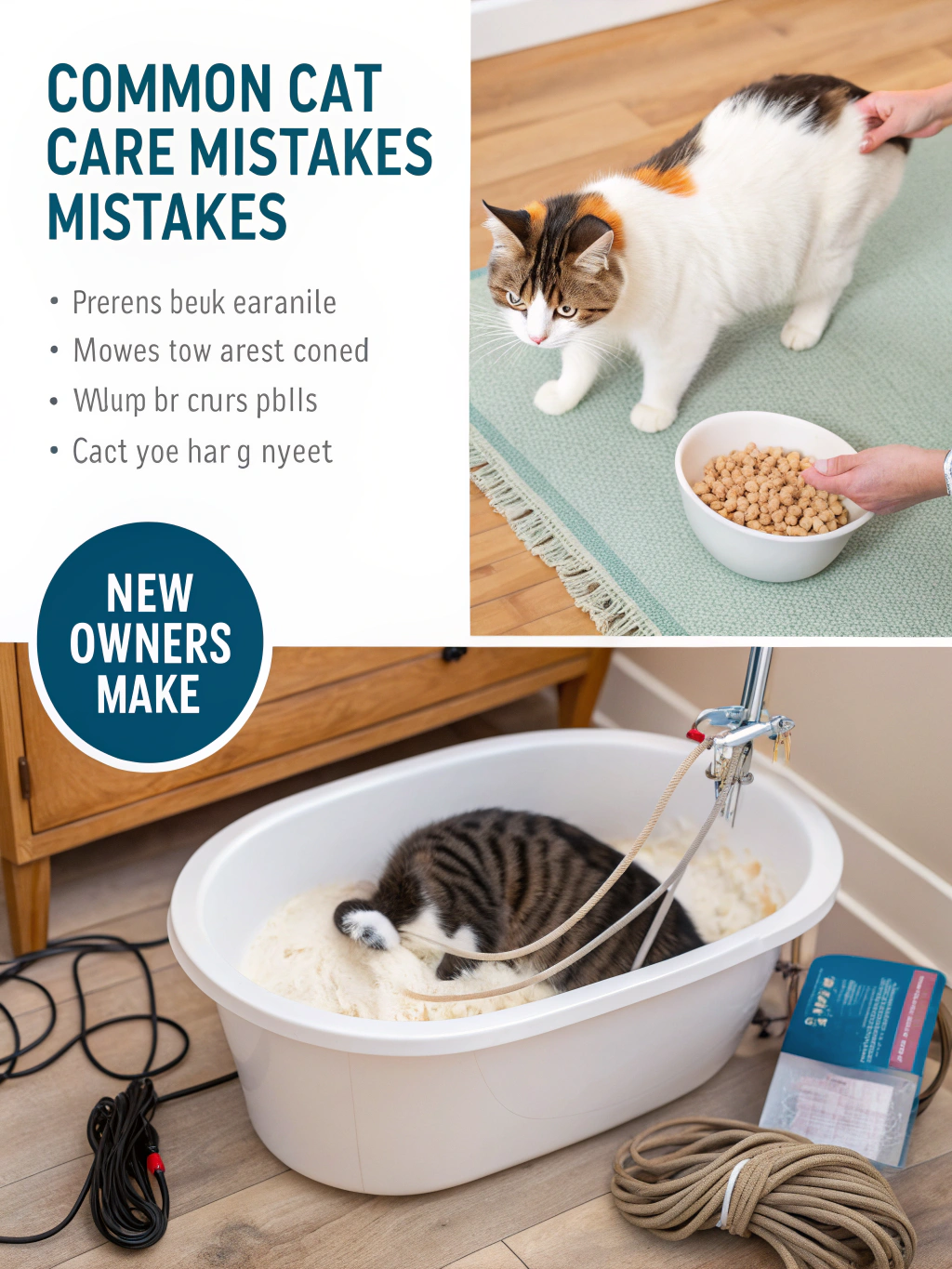
Proper cat care begins with having the right supplies on hand. Here’s a detailed breakdown of essential items every new cat owner needs:
Litter Boxes: You’ll need at least one box per cat, plus one extra. Opt for large, uncovered boxes (most cats prefer privacy without feeling trapped). Self-cleaning models can save time but may frighten noise-sensitive cats.
High-Quality Cat Food: Choose age-appropriate food—kitten formula for cats under one year, adult formula for 1-7 years, and senior formulas for older cats. Look for animal protein as the first ingredient and avoid excessive fillers.
Water Fountains: Cats are naturally attracted to running water and often don’t drink enough from still bowls. A fountain encourages hydration, which is crucial for kidney health.
Scratching Posts: Multiple posts of varying heights and textures (sisal, carpet, cardboard) satisfy natural scratching instincts and protect your furniture.
Interactive Toys: Feather wands, laser pointers, puzzle feeders, and mice toys provide essential mental stimulation and exercise.
Grooming Tools: A quality brush suited to your cat’s coat length, nail clippers, and dental care products prevent matting, overgrown claws, and periodontal disease.
Cat Carrier: A sturdy, well-ventilated carrier is essential for vet visits and emergency evacuations.
Comfortable Bed: While cats will sleep anywhere, providing a dedicated, washable bed in a quiet location gives them a secure resting spot.
Optional Items: Cat trees, window perches, catnip toys, and calming pheromone diffusers enhance your cat’s environment and wellbeing.
Timeline / Progress Expectations
Understanding realistic timelines helps prevent frustration and ensures you’re meeting your cat’s developmental needs appropriately.
First Week: Your cat will likely hide and explore cautiously. Appetite may be reduced due to stress. Focus on establishing a consistent feeding schedule and showing them the litter box location repeatedly.
Weeks 2-4: Most cats begin showing their personality and establish routines. Litter box consistency should improve significantly. Begin introducing interactive play sessions of 10-15 minutes twice daily.
Months 2-3: Your cat should be fully adjusted to your home. This is an ideal time to establish grooming routines and more advanced enrichment activities. Behavioral issues that persist beyond this point may require professional intervention.
Dietary Transitions: When changing food brands or types, do so gradually over 7-10 days, mixing increasing amounts of new food with the old to prevent digestive upset.
Training Milestones: Cats can learn basic commands (sit, come) within 2-4 weeks with consistent positive reinforcement. Litter box training for kittens typically takes 2-3 weeks, while adult cats usually adapt within days.
Seasonal Routines: Indoor enrichment becomes more critical during winter months when outdoor stimulation is limited. Increase play sessions by 5-10 minutes daily during these periods.
Step-by-Step Instructions
Teaching Your Cat to Use a Scratching Post
Start by placing the post near your cat’s favorite sleeping area—cats naturally stretch and scratch after waking. Rub catnip on the post and use treats to reward any interaction. If your cat scratches furniture, interrupt gently with a noise, then redirect to the appropriate post and reward immediately.
Transitioning to a New Diet
Begin by replacing just 25% of the old food with new food for the first 2-3 days. Increase to 50% for days 4-6, then 75% for days 7-9, finally switching completely by day 10. Monitor stool consistency throughout—if diarrhea occurs, slow the transition.
Introducing Interactive Play
Schedule two 15-minute sessions daily, ideally before meals to mimic natural hunting-then-eating patterns. Use wand toys to simulate prey movements—erratic patterns with pauses work best. Always let your cat “catch” the prey periodically to prevent frustration, and end sessions with a small treat.
Establishing a Grooming Routine
Start with short 3-5 minute sessions when your cat is relaxed. Use gentle strokes in the direction of fur growth, focusing on areas your cat enjoys being petted. Gradually introduce nail trimming by handling paws regularly and rewarding tolerance before attempting any cutting. For longhaired breeds, work up to 10-15 minute sessions every other day.
Health Benefits / Cat Advantages
Understanding how proper care directly impacts feline health motivates consistent practices:
Mental Stimulation: Interactive play reduces stress hormones by up to 40% and significantly decreases destructive behaviors. Puzzle feeders engage natural hunting instincts and can extend meal times from minutes to 20-30 minutes, preventing rapid eating and vomiting.
Nutrition Optimization: High-quality protein sources support lean muscle mass and organ function. Adequate hydration through fountains and wet food reduces kidney disease risk by approximately 30% in aging cats.
Weight Management: Controlled feeding and active play prevent obesity, which affects over 60% of domestic cats and leads to diabetes, arthritis, and shortened lifespan.
Behavioral Wellbeing: Cats with appropriate scratching surfaces, vertical territory, and regular play exhibit 65% fewer stress-related behaviors like inappropriate elimination or aggression.
Dental Health: Regular tooth brushing can reduce periodontal disease incidence by 70%, preventing pain, tooth loss, and systemic infections that affect heart and kidney function.
Alternative Methods & Tips
Small Space Solutions: Utilize vertical space with wall-mounted shelves and tall cat trees. Window perches provide entertainment without floor space. Rotate toys weekly to maintain novelty in limited environments.
Indoor/Outdoor Considerations: If allowing outdoor access, consider “catios” (enclosed outdoor spaces) that provide stimulation while protecting your cat from vehicles, predators, and diseases. For indoor-only cats, bring the outdoors in with cat grass, bird feeders positioned outside windows, and nature videos designed for cats.
Feeding Alternatives: For cats who gulp food, try slow-feeder bowls, or scatter kibble on flat surfaces for “hunt-and-forage” feeding. Multiple small meals (4-6 daily) better mimic natural eating patterns than two large ones.
Age-Appropriate Adjustments: Kittens need toys they can safely chew during teething, while senior cats benefit from heated beds and lower-entry litter boxes. Adjust play intensity accordingly—gentler, shorter sessions for older cats.
Budget-Friendly Enrichment: Cardboard boxes, paper bags (handles removed), crumpled paper balls, and homemade puzzle feeders from toilet paper tubes cost nothing but provide significant engagement.
Climate Adaptations: In hot climates, provide multiple water sources and cool resting spots. In cold areas, ensure beds are away from drafts and consider heated pads for senior cats.
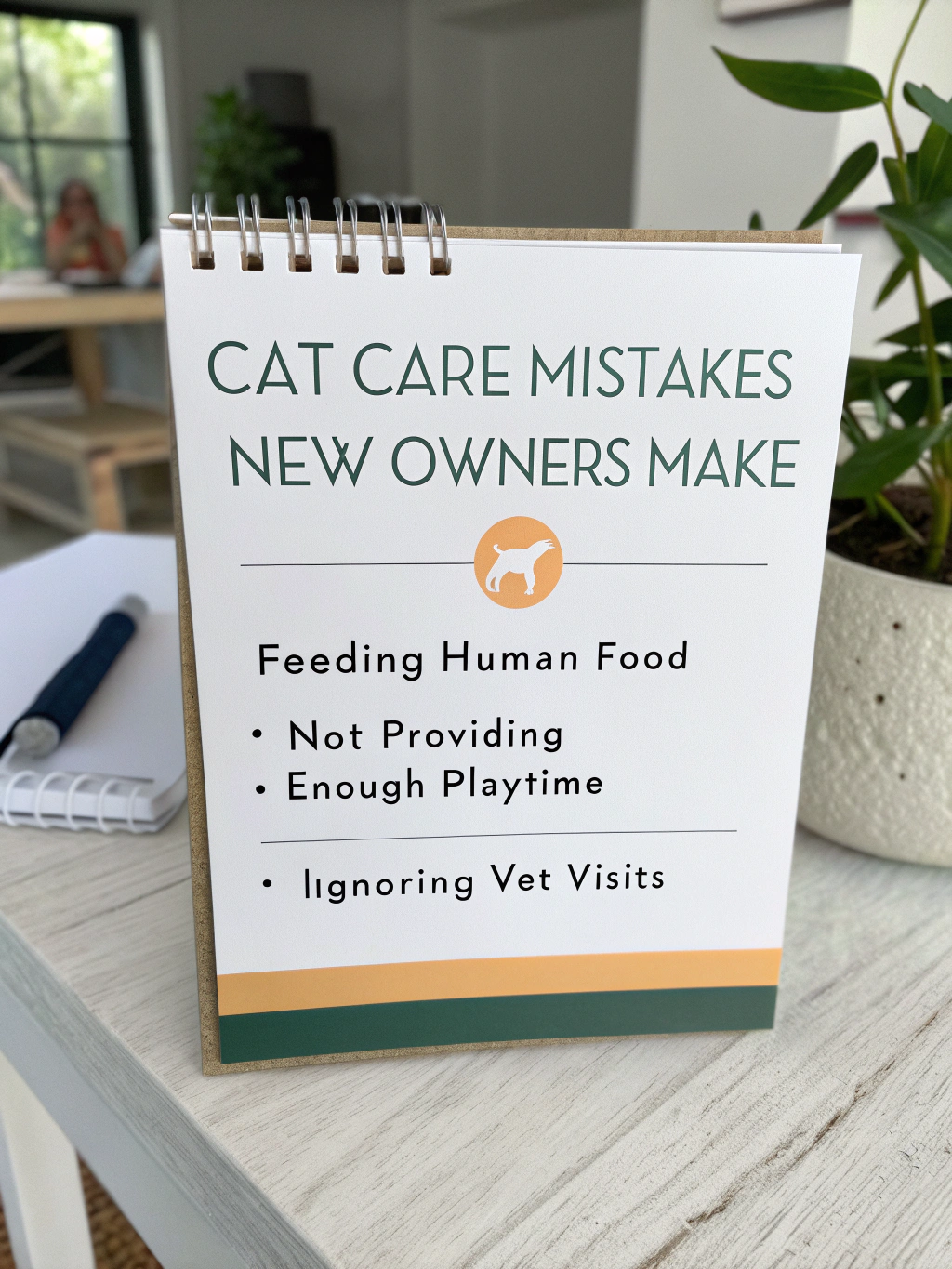
Common Mistakes to Avoid
Recognizing new cat owner errors helps prevent long-term issues:
Inconsistent Feeding Schedules: Cats thrive on routine. Irregular meal times increase anxiety and can lead to stress-related behaviors. Establish set feeding times and stick to them within a 30-minute window.
Litter Box Neglect: Boxes should be scooped daily and completely changed weekly. Cats are fastidious and may refuse dirty boxes, leading to inappropriate elimination. The “one box per cat plus one” rule is critical in multi-cat households.
Insufficient Water Access: Many owners provide just one water bowl, but cats prefer multiple sources away from food. Dehydration contributes significantly to kidney disease, especially in older cats.
Over-Treating: Treats should comprise no more than 10% of daily caloric intake. Excessive treating leads to nutritional imbalances and obesity.
Punishment-Based Training: Cats don’t respond to punishment and will only become fearful or aggressive. Always use positive reinforcement—rewarding desired behaviors creates lasting change.
Ignoring Dental Care: Most owners never brush their cat’s teeth, yet dental disease is one of the most common feline health problems. Start early and make it routine.
Lack of Environmental Enrichment: Boredom leads to destructive behaviors, obesity, and depression. Even indoor cats need daily mental and physical stimulation.
Skipping Annual Vet Visits: Cats hide illness instinctively. Annual wellness exams catch problems early, and senior cats (7+) should be seen twice yearly.
Storage & Maintenance Tips
Proper maintenance ensures your cat’s environment remains healthy and hygienic:
Food Storage: Keep dry food in airtight containers in cool, dark locations to preserve freshness and prevent pest infestation. Once opened, use dry food within 6 weeks and wet food within 48 hours (refrigerated).
Litter Box Cleaning: Scoop at least once daily, preferably twice. Completely empty, scrub with mild soap, and refill weekly. Replace boxes annually as plastic absorbs odors.
Toy Maintenance: Wash fabric toys monthly in hot water. Inspect toys weekly for damage—remove any with loose parts that could be swallowed. Rotate toys every 3-4 days to maintain interest.
Water Fountain Care: Disassemble and clean fountains weekly to prevent biofilm buildup and bacterial growth. Replace filters according to manufacturer recommendations, typically monthly.
Bedding Hygiene: Wash cat beds and blankets in hot water weekly to eliminate parasites, dander, and bacteria.
Scratching Post Replacement: Replace sisal and cardboard posts when significantly worn—cats lose interest when surfaces no longer provide satisfying resistance.
Seasonal Deep Cleaning: Twice yearly, thoroughly clean all cat areas, including behind furniture where fur and dander accumulate. This reduces allergens and prevents pest problems.
Conclusion
Successfully navigating cat ownership means understanding that feline care extends far beyond food and water. By recognizing and avoiding common mistakes, establishing consistent routines, and prioritizing both physical and mental enrichment, you’ll create an environment where your cat can thrive. Remember that every cat is unique—what works perfectly for one may need adjustment for another. Stay observant, remain patient, and don’t hesitate to consult your veterinarian or a certified cat behaviorist when challenges arise. The investment you make in proper care during those crucial first months pays dividends in the form of a healthy, well-adjusted companion for years to come.
FAQs
How often should I play with my cat each day?
Aim for at least two 15-minute interactive play sessions daily, ideally before meal times. Kittens and high-energy breeds may need 30-45 minutes total. Watch for signs your cat is tired (decreased interest, panting) and adjust accordingly. Consistent daily play prevents obesity, destructive behaviors, and strengthens your bond.
What’s the best way to transition my cat to a new food?
Always transition gradually over 7-10 days to prevent digestive upset. Start with 75% old food and 25% new food for 2-3 days, then move to 50/50 for another 2-3 days, then 25% old and 75% new, before switching completely. If diarrhea or vomiting occurs at any stage, slow the transition. Abrupt food changes are one of the most common mistakes that lead to gastrointestinal issues.
How many litter boxes do I really need?
Follow the “one per cat plus one” rule. For a single cat, this means two boxes in different locations. Multi-cat households need enough boxes so no cat ever feels cornered or forced to share. Place boxes on different floors if possible, away from food and water, in quiet but accessible locations.
Is it normal for my cat to sleep 15+ hours a day?
Yes, adult cats typically sleep 12-16 hours daily, while kittens and seniors may sleep even more. However, sudden changes in sleep patterns, lethargy during normally active times, or difficulty waking may indicate health issues warranting veterinary attention. Ensure your cat has bursts of activity during waking hours—complete inactivity isn’t normal.
When should I take my new cat to the vet?
Schedule a wellness exam within the first week of adoption, even if the shelter or breeder says the cat is healthy. This establishes baseline health metrics, allows you to discuss any concerns, and creates a relationship with your veterinarian. Subsequently, healthy adult cats need annual exams, while kittens and seniors require more frequent visits. Never delay if you notice concerning symptoms like appetite changes, litter box issues, or behavioral shifts.