Proven way to grow: 5 Signs of Cat Digestion Problems
Proven way to grow: 5 Signs of Cat Digestion Problems
Understanding and Managing Your Cat’s Digestive Health
Introduction
As cat parents, we’ve all experienced the concern that comes with cat digestion problems. Those unnerving moments when our feline friends show discomfort after meals can leave us worried and searching for answers. One particularly common issue that many cat owners face is cat vomiting, which can range from occasional hairballs to signs of more serious health concerns. Understanding the causes behind these digestive issues and learning how to address them properly can significantly improve your cat’s quality of life and strengthen your bond with them. In this comprehensive guide, we’ll explore effective strategies to identify, manage, and prevent common feline digestive concerns.
Step-by-Step Instructions for Managing Digestive Issues
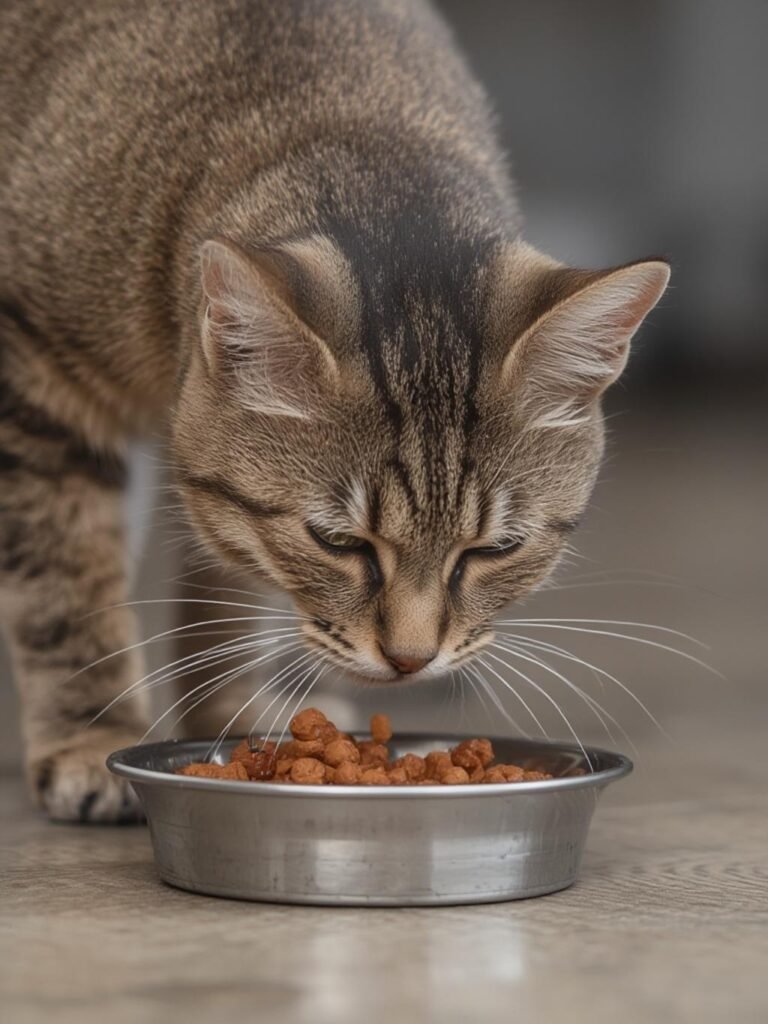
1. Monitor Eating Patterns: Keep track of your cat’s eating habits. Sudden changes in appetite or eating too quickly can contribute to cat digestion problems. Consider using puzzle feeders or food distribution toys to slow down fast eaters.
2. Evaluate Your Cat’s Diet: Gradually transition to high-quality, easily digestible cat food. Look for options with limited ingredients if you suspect food sensitivities. Premium foods typically contain fewer fillers that can trigger gastrointestinal upset.
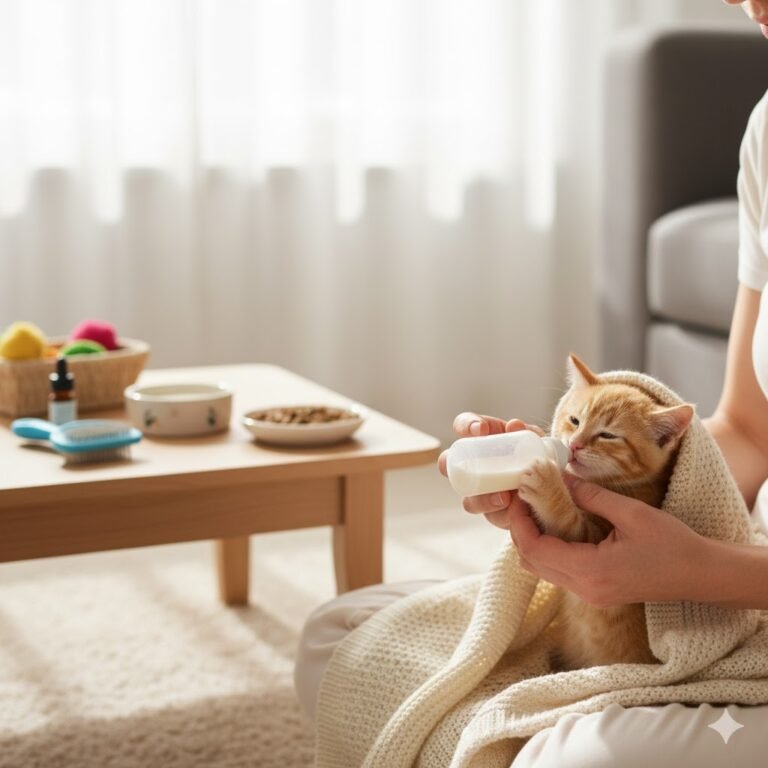
3. Implement a Hairball Management Routine: Regular brushing (daily for long-haired cats, 2-3 times weekly for short-haired) can significantly reduce cat vomiting related to hairballs. Consider adding a small amount of hairball remedy paste or a quarter teaspoon of pure pumpkin to their meals.
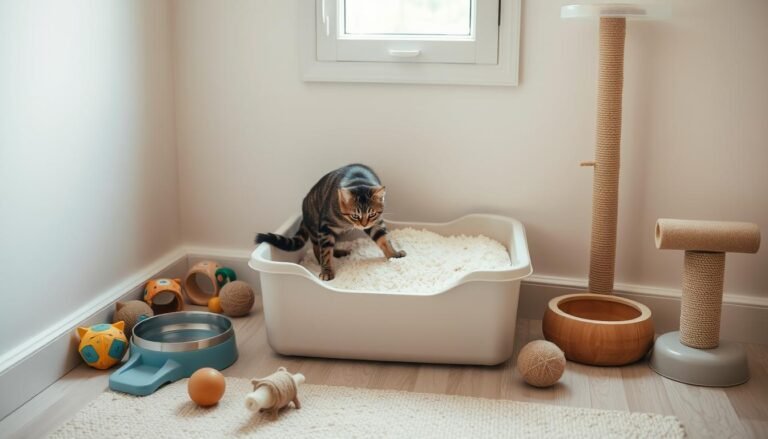
4. Create a Stress-Free Environment: Cats with anxiety may experience digestive issues. Establish quiet feeding areas away from household traffic, competing pets, or loud appliances to reduce stress-related digestive upset.
5. Maintain a Consistent Feeding Schedule: Feed smaller, more frequent meals at the same times each day to promote digestive regularity and prevent overloading the digestive system.
Tips for Optimal Feline Digestive Health
– Hydration is Key: Ensure your cat drinks enough water by placing multiple water stations throughout your home. Some cats prefer running water, so consider a cat fountain to encourage drinking.
– Elevated Feeding Stations: Raised food bowls can help some cats digest more comfortably by allowing food to travel more naturally through the esophagus.
– Probiotic Supplements: Ask your veterinarian about feline-specific probiotic supplements to support gut health and beneficial bacteria balance.
– Watch for Hidden Dangers: Keep plants, strings, and small objects that could cause intestinal blockages out of your cat’s reach.
– Regular Veterinary Check-ups: Annual wellness exams can catch digestive issues before they become serious problems.
Alternative Methods for Digestive Support
– Limited Ingredient Diets: Some cats benefit from simpler diets with fewer ingredients, making it easier to identify potential food sensitivities.
– Novel Protein Sources: If your cat shows signs of food allergies, trying protein sources they haven’t been exposed to (such as duck or rabbit) might help resolve digestive issues.
– Raw or Home-Cooked Diets: Under veterinary guidance, some cats with persistent digestive sensitivities respond well to carefully prepared raw or home-cooked meals.
– Acupressure Techniques: Gentle massage along your cat’s abdomen in a clockwise direction may help stimulate digestion and relieve minor discomfort.
– Herbal Supplements: Slippery elm bark or cat-safe digestive herbs may provide relief for some cats (always consult your veterinarian first).
Conclusion
Addressing cat digestion problems requires patience, observation, and sometimes medical intervention. By implementing the strategies outlined above, you can help your feline companion enjoy better digestive health and fewer episodes of cat vomiting. Remember that persistent or severe digestive issues warrant a veterinary visit, as they could indicate underlying health conditions requiring professional treatment. The bond between you and your cat grows stronger when you’re attentive to their needs—including their digestive comfort. With consistent care, dietary awareness, and proper management techniques, you can help your cat maintain optimal digestive health for years to come.