Quick way to grow past 7 cat feeding problems
Quick way to grow past 7 cat feeding problems
Table of Contents
How to Solve Your Cat’s Mealtime Challenges: A Complete Guide
Introduction
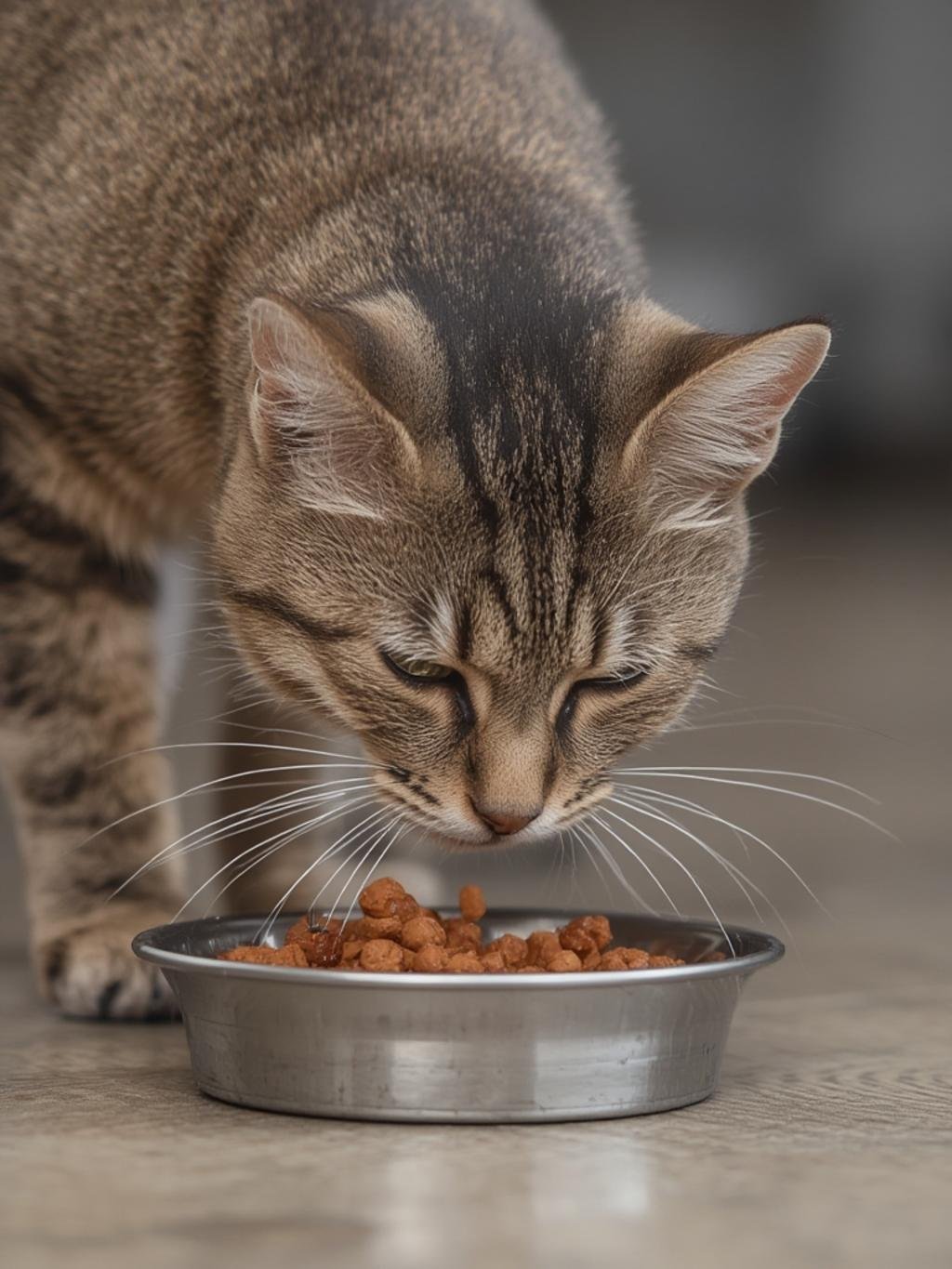
If you’ve noticed your feline friend turning up their nose at dinner or displaying unusual behavior around their food bowl, you’re not alone. Many cat parents struggle with cat feeding problems that can leave both pet and owner frustrated. Whether your kitty is overeating, undereating, or being particularly finicky, these mealtime challenges can be concerning. Understanding and addressing cat appetite issues requires patience and a strategic approach. In this comprehensive guide, we’ll explore effective solutions to common feeding difficulties and help you establish healthier mealtime routines that benefit both you and your feline companion.
Step-by-Step Instructions to Resolve Feeding Challenges
1. Establish a consistent feeding schedule
Cats thrive on routine. Set specific times for meals and stick to them daily. This predictability helps regulate their hunger signals and can significantly reduce cat feeding problems related to irregular eating patterns.
2. Create an optimal dining environment
- Place food bowls in quiet, low-traffic areas
- Keep food stations away from litter boxes
- Use shallow, wide dishes to prevent whisker fatigue
- Elevate food bowls slightly for older cats or those with joint issues
3. Transition food gradually
When addressing cat appetite issues, any dietary changes should occur over 7-10 days. Begin by mixing 25% new food with 75% old food, gradually adjusting the ratios until you’ve completely switched to the new option.
4. Monitor and document eating behaviors
Keep a journal of your cat’s eating habits, noting when they eat, how much, and any environmental factors that might influence their appetite. This information can be invaluable for identifying patterns and potential solutions.
Tips for Encouraging Healthy Eating Habits
1. Experiment with food temperature: Some cats prefer their food at room temperature or slightly warmed (never hot), as this enhances aromas and makes meals more enticing.
2. Consider food texture preferences: Your cat may favor certain textures—pâté, chunks in gravy, or dry kibble. Some cats with dental sensitivities may avoid certain food consistencies altogether.
3. Use puzzle feeders: These interactive feeding tools stimulate your cat’s natural hunting instincts while slowing down fast eaters, making mealtime more engaging and satisfying.
4. Separate multiple cats during feedings: Food competition can create stress and exacerbate feeding difficulties. Give each cat their own space and time to eat peacefully.
5. Check for dental issues: Mouth pain can significantly impact your cat’s willingness to eat. Schedule regular dental check-ups to catch potential problems early.
Alternative Methods for Addressing Feeding Challenges
Meal Rotation Strategy
Rather than offering the same food consistently, create a rotation of 3-4 high-quality options. This variety prevents food fatigue while ensuring nutritional balance, often solving selective eating behaviors.
The “Hunt, Catch, Kill, Eat” Method
This approach mimics a cat’s natural feeding sequence by:
- Hiding small portions of food around your home
- Using treat-dispensing toys that require physical interaction
- Scheduling multiple small meals throughout the day instead of larger ones
- Incorporating brief play sessions before mealtimes
Appetite Stimulation Techniques
For cats experiencing diminished interest in food, try:
- Sprinkling nutritional yeast on meals (with veterinary approval)
- Offering small amounts of wet food or broth as “appetizers”
- Using specialized feline appetite stimulants if recommended by your veterinarian
Conclusion
Resolving cat feeding problems requires patience, consistency, and sometimes creative problem-solving. By implementing the strategies outlined above, you can address many common mealtime challenges and help your cat develop healthier eating habits. Remember that sudden or persistent cat appetite issues can indicate underlying health concerns, so consult your veterinarian if your cat’s eating behavior changes dramatically or doesn’t improve with these interventions. With the right approach, you can transform frustrating mealtimes into positive experiences that strengthen the bond with your feline friend while supporting their nutritional needs and overall wellbeing.