Proven Way to Grow: 10 How to Tell If a Cat Is Sick
Proven Way to Grow: 10 How to Tell If a Cat Is Sick
Table of Contents
Proven Way to Grow: 10 How to Tell If a Cat Is Sick
Introduction
Cats are masters of disguise when it comes to their health. Their evolutionary instinct to hide weakness makes detecting how to tell if a cat is sick particularly challenging for pet owners. As natural predators who could also become prey in the wild, cats instinctively conceal their vulnerabilities. This survival mechanism, while beneficial in nature, can be problematic in domestic settings where we’re responsible for their wellbeing. Recognizing subtle cat illness signs early can make the difference between minor treatment and serious medical intervention.
Step-by-Step Instructions for Health Assessment
1. Monitor Food and Water Intake
Reduced appetite or increased thirst are telltale indicators of potential health issues. Track consumption patterns daily, noting any significant changes.
2. Observe Litter Box Habits
Healthy elimination patterns matter. Changes in frequency, consistency, color, or difficulty urinating are critical cat illness signs that warrant attention. Straining in the litter box could indicate a urinary blockage—a life-threatening emergency.
3. Check Physical Appearance
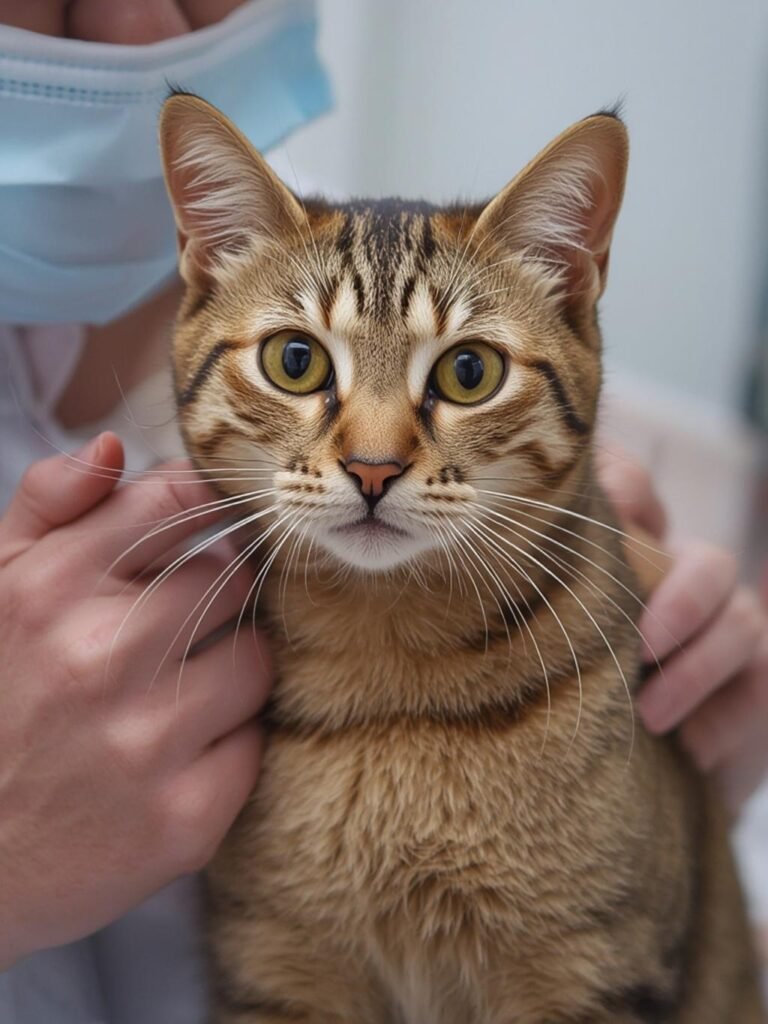
Examine your cat’s coat, eyes, ears, and mouth weekly. Dull fur, excessive grooming, discharge from eyes or ears, or bad breath often precede more serious symptoms.
4. Assess Energy Levels and Behavior
Lethargy, increased sleep, hiding, aggression, or decreased interest in play could indicate discomfort or pain. Understanding how to tell if a cat is sick often begins with noticing these behavioral shifts.
5. Check for Physical Abnormalities
Gently feel for lumps, swellings, or sensitive areas. Weight changes, particularly unintended loss, may signal underlying conditions.
Tips for Better Health Monitoring
– Establish Baseline Knowledge: Document your cat’s normal behaviors, eating habits, and activity levels when healthy to more easily identify abnormalities.
– Create a Health Journal: Record observations including appetite changes, water consumption, elimination patterns, and behavior modifications.
– Schedule Regular Veterinary Check-ups: Annual or bi-annual wellness exams can catch issues before they become serious problems.
– Invest in a Digital Scale: Weighing your cat consistently (same time, same scale) helps track subtle weight fluctuations that might otherwise go unnoticed.
– Dental Awareness: Poor oral health can lead to systemic problems. Regular dental checks prevent more serious issues.
Alternative Methods for Health Assessment
Temperature Monitoring
While rectal temperature measurement is most accurate (normal range 100.5-102.5°F), newer technologies like infrared thermometers offer less invasive alternatives.
Activity Trackers
Smart collars can track movement patterns, sleep quality, and scratching frequency, potentially alerting you to changes before visible symptoms appear.
Telemedicine
Many veterinarians now offer virtual consultations for preliminary assessments when you notice concerning symptoms but aren’t sure if an in-person visit is necessary.
Wellness Blood Work
Consider semi-annual blood tests for senior cats or those with chronic conditions to catch biochemical changes before clinical symptoms develop.
Conclusion
Becoming proficient at recognizing how to tell if a cat is sick requires attentiveness, consistency, and knowledge of your individual pet’s normal state. Early detection of health issues significantly improves prognosis and often reduces treatment costs. Remember that subtle behavioral changes often precede obvious cat illness signs, making your observations invaluable to your veterinarian’s diagnostic process. Trust your instincts—if something seems off with your feline companion, it’s better to seek professional advice than wait for more definitive symptoms. Your vigilance as a pet parent plays a crucial role in ensuring your cat lives a long, healthy, and comfortable life.