Quick way to grow: Cat grooming for beginners in 7 steps
Quick way to grow: Cat grooming for beginners in 7 steps
Table of Contents
Quick Way to Grow: Cat Grooming for Beginners in 7 Steps
Introduction
mastering cat grooming for beginners can transform your relationship with your pet while ensuring their health and happiness. Grooming isn’t just about aesthetics—it’s a vital component of preventive health care that reduces hairballs, prevents skin infections, and strengthens the bond between you and your cat. This comprehensive guide breaks down essential grooming tasks into seven manageable steps, perfect for first-time cat parents or anyone looking to refine their technique. Whether you have a long-haired Persian or a sleek Siamese, these beginner cat grooming tips will help you build confidence and establish a stress-free routine that benefits both you and your feline companion.
Cat Supplies & Essentials
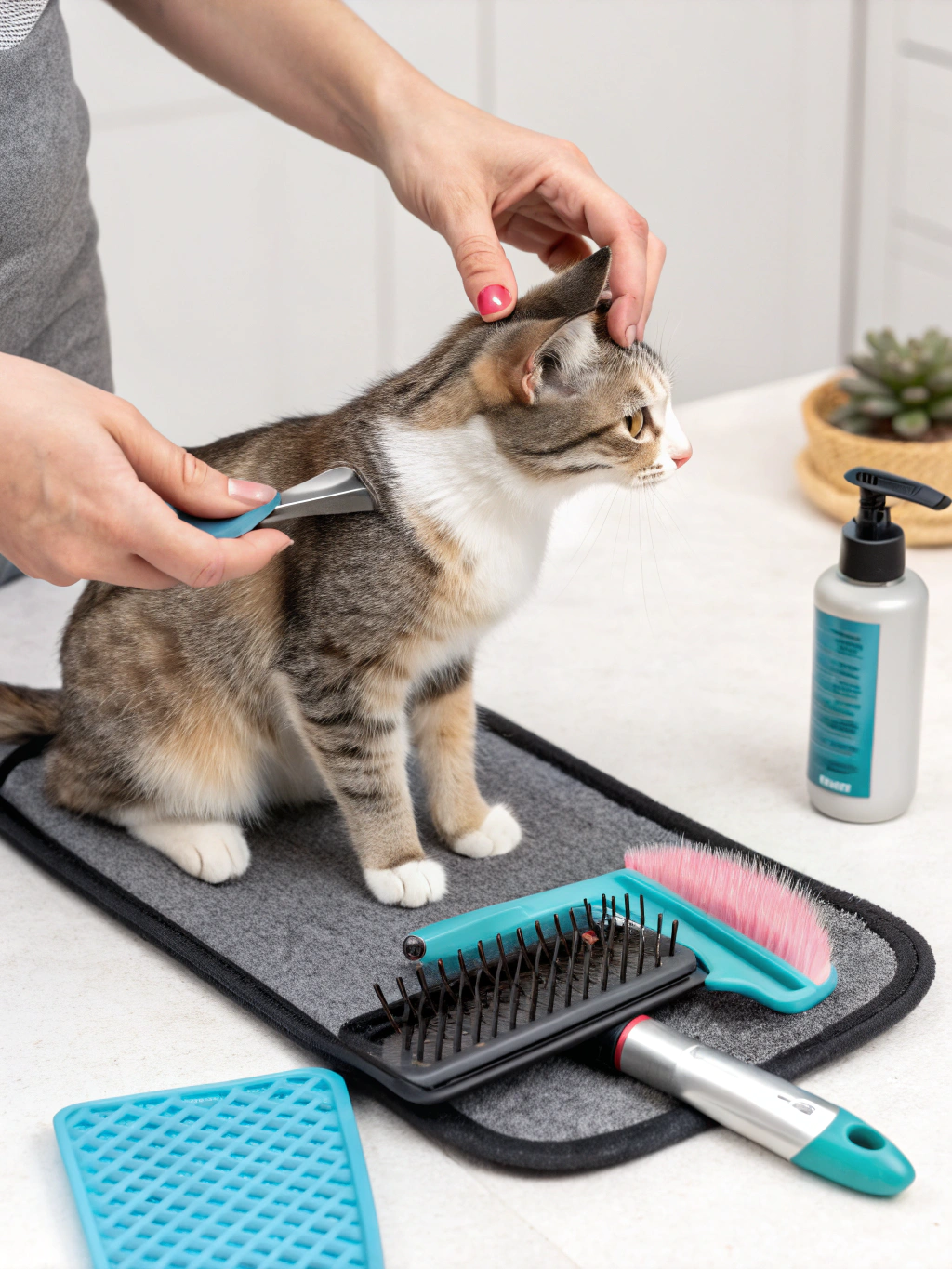
Before diving into grooming techniques, gathering the right supplies is crucial for success. Here’s what every beginner needs:
Grooming Tools:
- Slicker Brush: Essential for removing loose fur and preventing mats, especially in medium to long-haired cats
- Metal Comb: Perfect for detecting tangles and checking for fleas or skin issues
- Nail Clippers: Cat-specific guillotine or scissor-style clippers designed for small, curved claws
- Grooming Gloves: Ideal for nervous cats who dislike traditional brushes
Bathing Essentials:
- Cat-Safe Shampoo: pH-balanced formulas specifically designed for feline skin
- Non-Slip Bath Mat: Provides security and reduces anxiety during bathing
- Towels or Pet Dryer: Soft microfiber towels or a low-heat pet dryer for gentle drying
Additional Items:
- Ear Cleaning Solution: Veterinarian-approved formula for safe ear maintenance
- Cotton Balls or Pads: For gentle cleaning of ears and eyes
- Dental Care Kit: Toothbrush and cat toothpaste for oral hygiene
- Treats: High-value rewards to create positive associations with grooming
Optional Substitutions:
For budget-conscious owners, a fine-toothed human comb can temporarily replace a metal pet comb, while baby wipes (fragrance-free) can substitute for specialized pet wipes in a pinch.
Timeline / Progress Expectations
Understanding realistic timelines helps prevent frustration and sets achievable goals:
Week 1-2: Acclimation Phase
Introduce grooming tools gradually. Allow your cat to sniff and investigate brushes, clippers, and other supplies. Most cats require 5-10 short sessions (2-3 minutes each) before accepting touch with grooming tools.
Week 3-4: Basic Routine Establishment
Begin implementing brief grooming sessions every 2-3 days. Short-haired cats typically adapt within 2 weeks, while long-haired breeds may need 3-4 weeks to accept regular brushing without stress.
Month 2-3: Skill Development
Expand to nail trimming and ear cleaning. Expect gradual improvement—most cats tolerate nail trimming by the 4-6 week mark if introduced properly with positive reinforcement.
Long-Term Maintenance:
- Short-haired cats: Weekly brushing (5-10 minutes)
- Long-haired cats: 3-4 times weekly brushing (10-15 minutes)
- Nail trimming: Every 2-3 weeks
- Ear checks: Monthly
- Bathing: Every 4-6 months (unless medically necessary or for show cats)
Seasonal considerations matter too—cats shed heavily during spring and fall, requiring more frequent brushing during these transition periods.
Step 1: Create a Calm Grooming Environment
Choose a quiet, well-lit space away from household chaos. A bathroom or bedroom works perfectly. Place a non-slip mat on a table or counter at a comfortable working height. Before starting, engage your cat in 5-10 minutes of play to release excess energy and create a relaxed mindset. Keep treats within easy reach and ensure all grooming tools are accessible. Never restrain forcefully—if your cat shows extreme distress, pause and try again later. Consistency in location helps cats anticipate and accept grooming as routine.
Step 2: Master the Art of Brushing
Begin with short, gentle strokes in the direction of fur growth. Start with areas your cat enjoys being petted—typically the cheeks, chin, and back. Gradually work toward more sensitive areas like the belly and legs. For long-haired cats, work in small sections, holding the base of the fur to prevent painful pulling. A slicker brush removes loose undercoat effectively, while a metal comb detects hidden mats. Brush 2-3 times weekly for short-haired breeds and daily for long-haired varieties. Regular brushing reduces hairballs by up to 80% according to veterinary studies.
Step 3: Tackle Nail Trimming with Confidence
Nail trimming intimidates many beginners, but proper technique makes it manageable. Start by gently pressing your cat’s paw pads to extend the claws. Identify the pink “quick” containing blood vessels—cut only the clear, curved tip to avoid pain and bleeding. Trim one or two nails during initial sessions, gradually increasing as your cat’s tolerance builds. Use sharp, cat-specific clippers positioned perpendicular to the nail. Reward immediately after each successful clip. If you accidentally cut the quick, apply styptic powder to stop bleeding and offer extra treats to maintain positive associations.
Step 4: Clean Ears Safely and Effectively
Healthy cat ears are pale pink without excessive wax, debris, or odor. Gently fold back the ear flap and inspect weekly. Apply veterinary-approved ear cleaner to a cotton ball—never insert anything into the ear canal. Wipe visible portions of the inner ear gently, using a fresh cotton ball for each ear to prevent cross-contamination. Dark, coffee-ground-like debris may indicate ear mites, requiring veterinary attention. Most cats need ear cleaning monthly, though some breeds with larger ear canals may require more frequent maintenance.
Step 5: Maintain Dental Hygiene
Dental disease affects over 70% of cats by age three, making oral care crucial. Introduce dental care gradually by letting your cat taste cat-specific toothpaste (never use human toothpaste, which contains toxic ingredients). Use a finger brush or small cat toothbrush to gently brush outer tooth surfaces in circular motions. Focus on the gum line where plaque accumulates. Aim for 2-3 times weekly, though daily brushing provides optimal benefits. Dental treats and water additives offer supplementary support but shouldn’t replace brushing.
Step 6: Bathe When Necessary
Most cats self-groom effectively, but occasional baths benefit cats with skin conditions, obesity preventing self-grooming, or after exposure to toxic substances. Fill a sink or tub with 3-4 inches of lukewarm water. Place your cat gently in the water, speaking soothingly. Wet the coat thoroughly, avoiding the face and ears. Apply cat-safe shampoo, lather gently, and rinse completely—residual soap causes skin irritation. Towel dry or use a pet dryer on the lowest heat setting. Never bathe cats more than once monthly unless veterinarian-directed, as excessive bathing strips natural oils.
Step 7: Check Eyes and Facial Folds
Healthy cat eyes are bright and clear without excessive discharge. Gently wipe away any crusty debris from the inner corners using a damp cotton ball, wiping outward. Use a fresh cotton ball for each eye to prevent spreading potential infections. Flat-faced breeds like Persians require daily facial fold cleaning to prevent bacterial buildup. Dampen a soft cloth with warm water and gently clean between folds, drying thoroughly afterward. Persistent eye discharge, redness, or squinting warrants veterinary evaluation.
Health Benefits / Cat Advantages
Regular grooming delivers substantial health benefits beyond appearance. Consistent brushing distributes natural skin oils, promoting a lustrous coat while reducing shedding by up to 90% during peak seasons. Early detection of lumps, skin abnormalities, parasites, or injuries becomes possible through hands-on grooming sessions—studies show groomed cats have 40% earlier detection rates for health issues requiring veterinary intervention.
Nail maintenance prevents overgrowth that can curve into paw pads, causing pain and infection. Proper dental care reduces the risk of periodontal disease, which has been linked to kidney, liver, and heart problems in cats. The bonding aspect shouldn’t be overlooked—regular positive grooming interactions strengthen the human-animal bond, reducing stress hormones in both cats and owners.
Cats who receive consistent grooming show decreased anxiety levels and increased sociability. The physical touch involved mimics maternal grooming behaviors, triggering endorphin release and creating feelings of security. For indoor cats especially, grooming provides valuable one-on-one attention that enriches their environment and mental wellbeing.
Alternative Methods & Tips
For Small Living Spaces:
Utilize vertical grooming stations with wall-mounted shelves at comfortable heights. Fold-down tables maximize space efficiency while providing stable grooming surfaces.
For Anxious or Aggressive Cats:
Consider the “burrito method”—wrap your cat in a towel, exposing only the area being groomed. This containment reduces stress while protecting you from scratches. Alternatively, use calming pheromone sprays 15 minutes before grooming sessions.
For Senior or Arthritic Cats:
Lower grooming surfaces reduce jumping strain. Extra-soft brushes prevent discomfort on sensitive skin. Break sessions into shorter, more frequent intervals to accommodate reduced tolerance.
Budget-Friendly Alternatives:
Professional grooming services cost $50-$100 per session, but DIY grooming requires only a $30-$50 initial investment in basic tools lasting years. Make homemade dental wipes using gauze wrapped around your finger dampened with pet-safe dental solution.
Climate Considerations:
In humid environments, increase brushing frequency to prevent moisture-related skin issues. In dry climates, consider omega-3 supplements to combat dry skin and static-prone coats.
Common Mistakes to Avoid
1. Rushing the Process:
Forcing reluctant cats creates long-term grooming aversion. Always prioritize gradual acclimation over speed.
2. Using Human Products:
Human shampoos, soaps, and dental products contain ingredients toxic to cats. Always select products specifically formulated for feline use.
3. Ignoring Body Language:
Flattened ears, dilated pupils, tail lashing, and growling signal stress. Continuing despite these warnings damages trust and can result in injury.
4. Inconsistent Schedules:
Sporadic grooming attempts confuse cats and prevent routine establishment. Consistency builds acceptance and cooperation.
5. Cutting Nails Too Short:
Hitting the quick causes pain and bleeding, creating negative associations. When in doubt, trim less—you can always remove more later.
6. Bathing Too Frequently:
Over-bathing strips protective skin oils, leading to dryness, irritation, and increased grooming resistance.
7. Neglecting Tool Maintenance:
Dirty brushes transfer bacteria and oils. Clean grooming tools weekly with mild soap and water, drying thoroughly before storage.
Storage & Maintenance Tips
Proper storage extends tool lifespan while maintaining hygiene standards:
Grooming Tools:
Store brushes and combs in a dedicated container away from moisture. Clean after each use by removing trapped fur and washing monthly with antibacterial soap. Replace slicker brushes when bristles bend permanently or metal combs showing rust.
Bathing Supplies:
Keep shampoos in cool, dry locations away from direct sunlight. Check expiration dates—expired products lose effectiveness and may irritate skin. Store towels in clean, dry areas to prevent mildew.
Nail Care:
Disinfect clippers after each use with rubbing alcohol. Sharpen or replace annually to ensure clean cuts that don’t crush or split nails.
Seasonal Maintenance:
Deep clean all grooming supplies quarterly. During heavy shedding seasons (spring/fall), increase brush cleaning frequency to 2-3 times weekly. Rotate towels and bathing mats regularly, washing in hot water to eliminate bacteria.
Organization System:
Use labeled containers or caddies to keep supplies accessible and organized. This preparation reduces grooming session stress and ensures you’re never searching for tools mid-grooming.
Conclusion
Mastering cat grooming for beginners transforms from overwhelming to empowering with the right approach, tools, and patience. These seven steps provide a solid foundation for maintaining your cat’s health, comfort, and appearance while strengthening your bond. Remember that every cat progresses at their own pace—celebrate small victories and remain consistent in your efforts. Regular grooming isn’t just about aesthetics; it’s preventive healthcare that catches potential issues early and keeps your feline friend thriving.
FAQs
Q: How often should I groom my cat?
A: Grooming frequency depends on coat type. Short-haired cats benefit from weekly brushing, while long-haired breeds require 3-4 sessions weekly. Nail trimming should occur every 2-3 weeks, ear checks monthly, and dental care 2-3 times weekly for optimal health.
Q: My cat hates being groomed—what can I do?
A: Start with very brief sessions (1-2 minutes) paired with high-value treats. Groom only areas your cat enjoys being touched initially, gradually expanding over weeks. Use calming pheromones, choose quiet times when your cat is naturally relaxed, and never force restraint. Some cats respond well to grooming during meal times when they’re distracted.
Q: Can I use regular human nail clippers on my cat?
A: While possible in emergencies, human nail clippers aren’t ideal. Cat-specific clippers are designed for the curved shape and thickness of feline claws, providing cleaner cuts with less splitting or crushing. The investment (typically $5-$15) significantly improves results and reduces injury risk.
Q: When should I seek professional grooming help?
A: Consider professional groomers for severe matting that can’t be brushed out, cats with extreme grooming anxiety despite gradual training, specialized breed cuts (like lion cuts for Persians), or if you’re uncomfortable performing certain tasks. Professional groomers also offer valuable technique demonstrations for nervous beginners.
Q: Are there cats that don’t need grooming?
A: All cats benefit from regular grooming, though some require less intensive care. Short-haired breeds with healthy self-grooming habits need minimal assistance, but regular brushing still reduces hairballs and allows health monitoring. Senior cats, overweight cats, and those with arthritis often can’t groom effectively and require more human intervention to maintain coat and skin health.