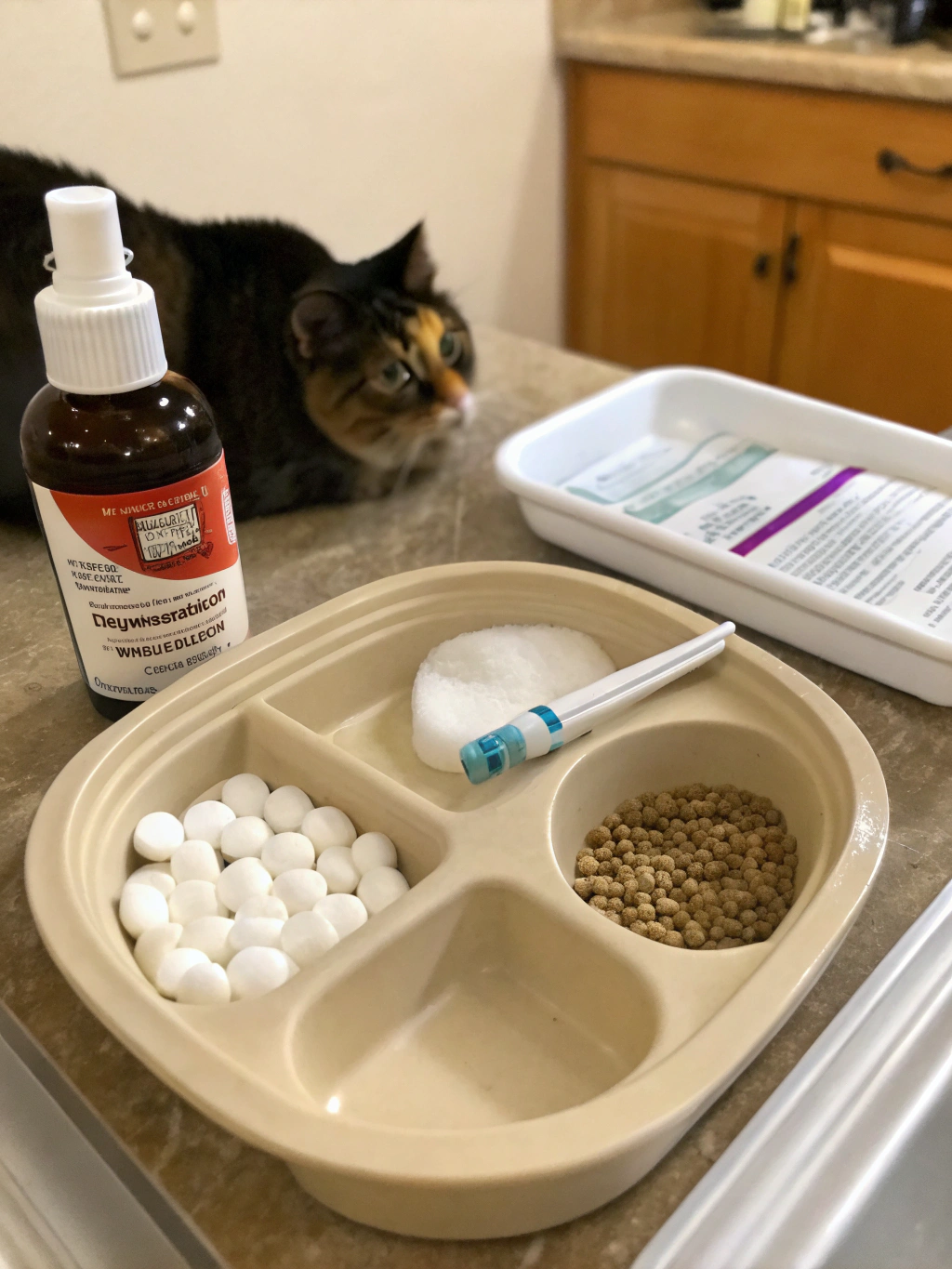
Cat Eye Infection Care at Home
Cat Eye Infection Care at Home
Table of Contents
Cat Eye Infection Care at Home
Introduction
Did you know that over 60% of cats will experience some form of eye issue during their lifetime, yet most pet owners wait too long before seeking proper care? When it comes to cat eye infection care, early intervention at home can make the difference between a minor irritation and a serious health complication. Cat eyes are remarkably expressive and sensitive, making them vulnerable to infections from bacteria, viruses, allergens, and environmental irritants. This comprehensive guide will walk you through everything you need to know about managing cat eye problems safely and effectively from the comfort of your home.
Cat Supplies & Essentials
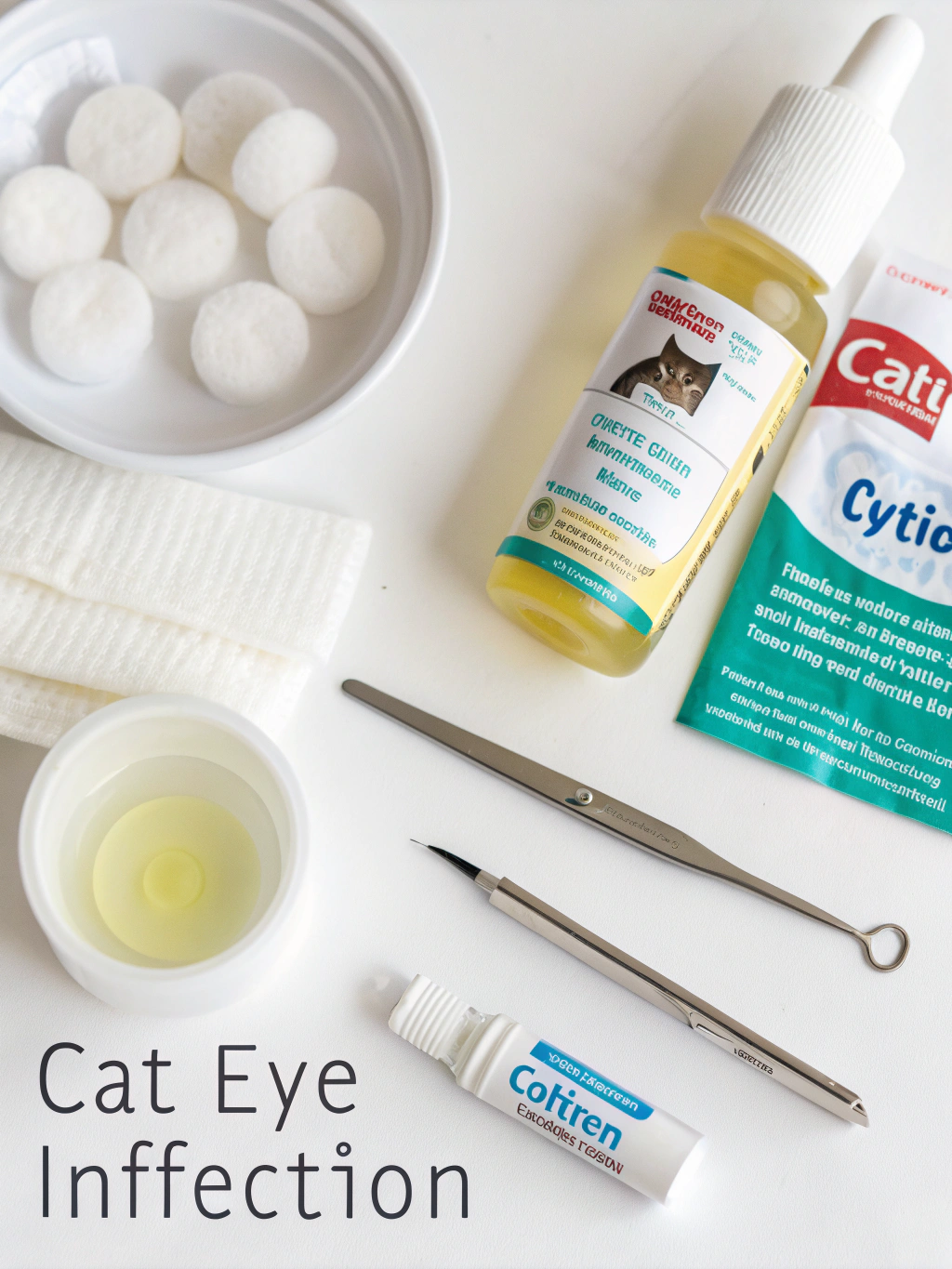
When dealing with cat eye infections, having the right supplies on hand is crucial for effective home care:
Sterile Saline Solution: A preservative-free eye wash helps flush out debris and soothe irritated eyes. Look for solutions specifically formulated for pet use or medical-grade saline.
Soft Cotton Pads or Gauze: Essential for gently cleaning discharge around the eye area. Never use cotton balls that can leave fibers behind.
Clean Towels: Designate specific towels for eye care to prevent cross-contamination. Soft, lint-free microfiber works best.
Elizabethan Collar (E-Collar): Prevents your cat from pawing at or scratching the infected eye, which could worsen the condition.
Warm Compress Materials: Clean washcloths for applying gentle warmth to reduce swelling and discomfort.
Stainless Steel Feeding Bowls: Elevated bowls reduce strain on the eyes during meal times and prevent bacterial contamination.
Air Humidifier: Maintains optimal moisture levels to prevent eye dryness and support healing.
Quality Cat Food: Immune-supporting nutrition with omega-3 fatty acids, vitamin A, and taurine promotes eye health.
Pet-Safe Cleaning Products: For sanitizing the environment and reducing irritants that could aggravate eye conditions.
Optional Items: A magnifying glass for inspecting the eye, petroleum jelly for protecting fur around the eye area, and a notebook to track symptoms and progress.
Timeline / Progress Expectations
Understanding the healing timeline helps you monitor your cat’s recovery effectively:
Days 1-3: Initial symptom recognition and beginning of home care routine. You should notice reduced discharge if cleaning twice daily. Most cats show slight improvement in comfort levels, with less squinting or pawing.
Days 4-7: Significant reduction in redness and swelling for minor infections. Discharge should change from thick and colored to clear or minimal. If symptoms worsen or don’t improve by day 5, veterinary intervention is necessary.
Weeks 2-3: Most mild to moderate infections resolve completely with consistent care. Eyes should appear clear, bright, and fully open. Your cat’s normal activity levels and appetite should return.
Daily Routine: Clean the affected eye 2-3 times daily, administer prescribed medications if applicable, monitor for changes, and maintain a stress-free environment.
Weekly Assessment: Evaluate overall eye clarity, check for recurring discharge, assess your cat’s comfort level, and ensure the surrounding environment remains clean and irritant-free.
Seasonal Considerations: Spring and fall may bring increased allergen exposure, requiring more vigilant eye care. Winter heating can dry out eyes, while summer humidity may slow healing in bacterial infections.
Step-by-Step Instructions for Cat Eye Infection Care
Step 1: Prepare Your Workspace and Cat
Gather all supplies within arm’s reach before restraining your cat. Choose a quiet, well-lit area where your cat feels comfortable. Gently wrap your cat in a towel if they’re resistant, leaving only the head exposed. Speak in soothing tones throughout the process to reduce anxiety.
Step 2: Examine the Affected Eye
Carefully inspect the eye under good lighting. Look for redness, swelling, discharge color and consistency, foreign objects, cloudiness, or changes in pupil size. Document what you observe with photos if possible for tracking progress or veterinary consultation.
Step 3: Clean Away Discharge
Dampen a cotton pad with warm sterile saline solution. Gently wipe from the inner corner of the eye (near the nose) outward toward the ear. Use a fresh cotton pad for each wipe to avoid reintroducing bacteria. Never wipe back and forth or use the same pad on both eyes.
Step 4: Apply Warm Compress (If Needed)
For swollen or crusty eyes, soak a clean washcloth in warm (not hot) water. Gently hold it against the closed eye for 3-5 minutes. This helps soften crusted discharge and improves circulation to promote healing.
Step 5: Administer Eye Drops or Ointment (If Prescribed)
Hold your cat’s head steady by gently placing your hand on top of their head. With your other hand, pull down the lower eyelid slightly. Apply drops or ointment to the inner corner of the eye without touching the applicator to the eye surface. Allow your cat to blink naturally to distribute the medication.
Step 6: Prevent Self-Trauma
If your cat persistently paws at their eye, fit them with an e-collar. Ensure it’s the proper size—your cat should be able to eat and drink comfortably but unable to reach their face with their paws.
Step 7: Monitor and Document Progress
Keep a daily log noting discharge amount and color, redness level, swelling, behavioral changes, and appetite. This information is invaluable if veterinary care becomes necessary.
Health Benefits / Cat Advantages
Proper cat eye infection care delivers numerous benefits beyond resolving the immediate infection:
Improved Vision Quality: Clearing infections quickly prevents scarring that can permanently damage vision. Cats with healthy eyes navigate their environment more confidently and maintain better hunting instincts.
Enhanced Quality of Life: Cats without eye discomfort are more playful, social, and engaged with their surroundings. Research shows that cats with untreated eye issues withdraw from interaction up to 40% more than healthy cats.
Stronger Immune Response: Addressing eye infections promptly prevents the spread to other body systems. The immune support provided through proper nutrition during recovery strengthens overall disease resistance.
Better Behavioral Health: Eye pain causes stress and irritability. Resolving infections quickly maintains your cat’s normal, affectionate temperament and reduces stress-related behaviors like inappropriate elimination or aggression.
Prevention of Secondary Complications: Early home care prevents more serious issues like corneal ulcers, glaucoma, or systemic infections that require expensive veterinary interventions.
Bonding Opportunity: The gentle care routine strengthens the trust between you and your cat, making future medical care easier to administer.
Alternative Methods & Tips
For Multi-Cat Households: Isolate the infected cat to prevent transmission of contagious infections. Wash hands thoroughly between handling different cats. Disinfect shared spaces and items daily.
Small Space Solutions: Create a comfortable recovery area in a bathroom or laundry room with everything your cat needs. This containment simplifies environmental control and monitoring.
Budget-Friendly Options: Homemade saline solution (1/4 teaspoon non-iodized salt in 1 cup distilled water) works for basic cleaning. Use clean, old t-shirts cut into squares instead of disposable cotton pads.
For Outdoor Cats: Transition to indoor-only during treatment to reduce exposure to irritants, bacteria, and trauma. If impossible, create a sheltered outdoor recovery space with minimal dust and pollen exposure.
Age-Appropriate Care: Senior cats with weakened immune systems may require extended treatment periods. Kittens need gentler handling and may benefit from additional veterinary monitoring.
Climate Considerations: In dry climates, use humidifiers to maintain 40-50% humidity. In humid environments, ensure good air circulation to prevent bacterial growth.
Natural Support Options: After veterinary clearance, chamomile tea compresses (cooled) can soothe inflammation. Nutritional support with lysine supplements may help cats prone to viral eye infections.
Common Mistakes to Avoid
Using Human Eye Drops: Many human medications contain ingredients toxic to cats. Always use veterinary-approved products or plain saline only.
Discontinuing Treatment Too Early: Even if symptoms improve, complete the full treatment course to prevent recurrence and antibiotic resistance.
Cross-Contaminating Between Eyes: If only one eye is infected, never use the same supplies on the healthy eye without cleaning them first.
Delaying Veterinary Care: Home care works for minor issues only. Seek immediate veterinary attention for sudden blindness, obvious pain, green or yellow thick discharge, eye bulging, or no improvement after 48 hours of home treatment.
Over-Cleaning: Excessive wiping irritates delicate tissue. Two to three times daily is sufficient for most cases.
Ignoring Environmental Factors: Continuing to use dusty litter, smoking indoors, or exposing your cat to chemical cleaners sabotages healing efforts.
Restraining Too Roughly: Forceful handling creates fear and makes future treatments nearly impossible. Patience and gentle techniques are essential.
Missing Underlying Causes: Recurring infections often indicate allergies, blocked tear ducts, or systemic illness requiring professional diagnosis.
Storage & Maintenance Tips
Medication Storage: Keep eye medications in a cool, dry place away from direct sunlight. Check expiration dates monthly. Most opened eye medications expire within 30 days regardless of the printed date.
Supply Organization: Designate a clean container exclusively for eye care supplies. Sterilize or replace items weekly to prevent bacterial contamination.
Cleaning Protocol: Wash and disinfect bowls, beds, and toys weekly using pet-safe cleaners. Vacuum frequently to reduce dust and allergens that irritate healing eyes.
Litter Box Hygiene: Scoop daily and completely change litter weekly. Consider switching to low-dust formulas that won’t irritate eyes during use.
Air Quality Maintenance: Replace HVAC filters monthly during treatment. Avoid air fresheners, candles, and strong cleaning products near your cat’s recovery area.
Compress and Towel Care: Wash eye care towels separately in hot water with unscented detergent. Dry on high heat to kill bacteria. Replace every two weeks.
Water and Food Freshness: Change water daily and wash bowls with hot, soapy water. Elevated fountains keep water cleaner and reduce eye strain during drinking.
Conclusion
Managing cat eye problems at home requires attention to detail, consistency, and knowing when professional help is necessary. By following these comprehensive guidelines, you can provide effective care that promotes healing while strengthening your bond with your feline companion. Remember that early intervention is key—the sooner you address eye issues, the better the outcome. Keep your supplies organized, maintain detailed records of your cat’s progress, and never hesitate to consult your veterinarian when symptoms persist or worsen.
FAQs
How can I tell if my cat’s eye infection is serious enough for a vet visit?
Seek immediate veterinary care if you notice green or yellow thick discharge, obvious pain indicated by keeping the eye completely closed, sudden vision loss, the eye appearing cloudy or bulging, no improvement after 48 hours of home care, or if both eyes become affected simultaneously. These signs indicate potentially serious conditions requiring professional diagnosis and prescription medications.
Can I use regular salt water from my kitchen to clean my cat’s eyes?
While homemade saline (1/4 teaspoon non-iodized salt dissolved in 1 cup of distilled water) can work in emergencies, commercial sterile saline is safer. Homemade solutions risk contamination if not prepared correctly, and incorrect salt ratios can irritate the eye further. If using homemade saline, prepare it fresh daily and store it in a sterilized container.
How long does it typically take for a cat eye infection to heal with home care?
Minor irritations and infections typically show significant improvement within 3-5 days of consistent home care, with complete resolution in 2-3 weeks. However, viral infections may take longer, and bacterial infections might require veterinary-prescribed antibiotics. If you don’t see noticeable improvement within 48-72 hours, professional evaluation is necessary to prevent complications.
Is it normal for my cat’s eye to look worse before it gets better?
Slight initial increase in tearing as the eye flushes out irritants is normal, but the eye should never become more swollen, red, or painful. Worsening symptoms indicate either an incorrect diagnosis, ineffective treatment, or a more serious underlying condition. Contact your veterinarian if symptoms intensify rather than gradually improve.
Can eye infections spread between my cats, and should I isolate the affected one?
Yes, many eye infections—particularly those caused by viruses like feline herpesvirus or bacteria—are highly contagious between cats. Isolate the infected cat in a separate room with dedicated supplies until symptoms resolve completely. Wash your hands thoroughly after handling the sick cat before touching other pets, and disinfect shared spaces daily during the infection period.