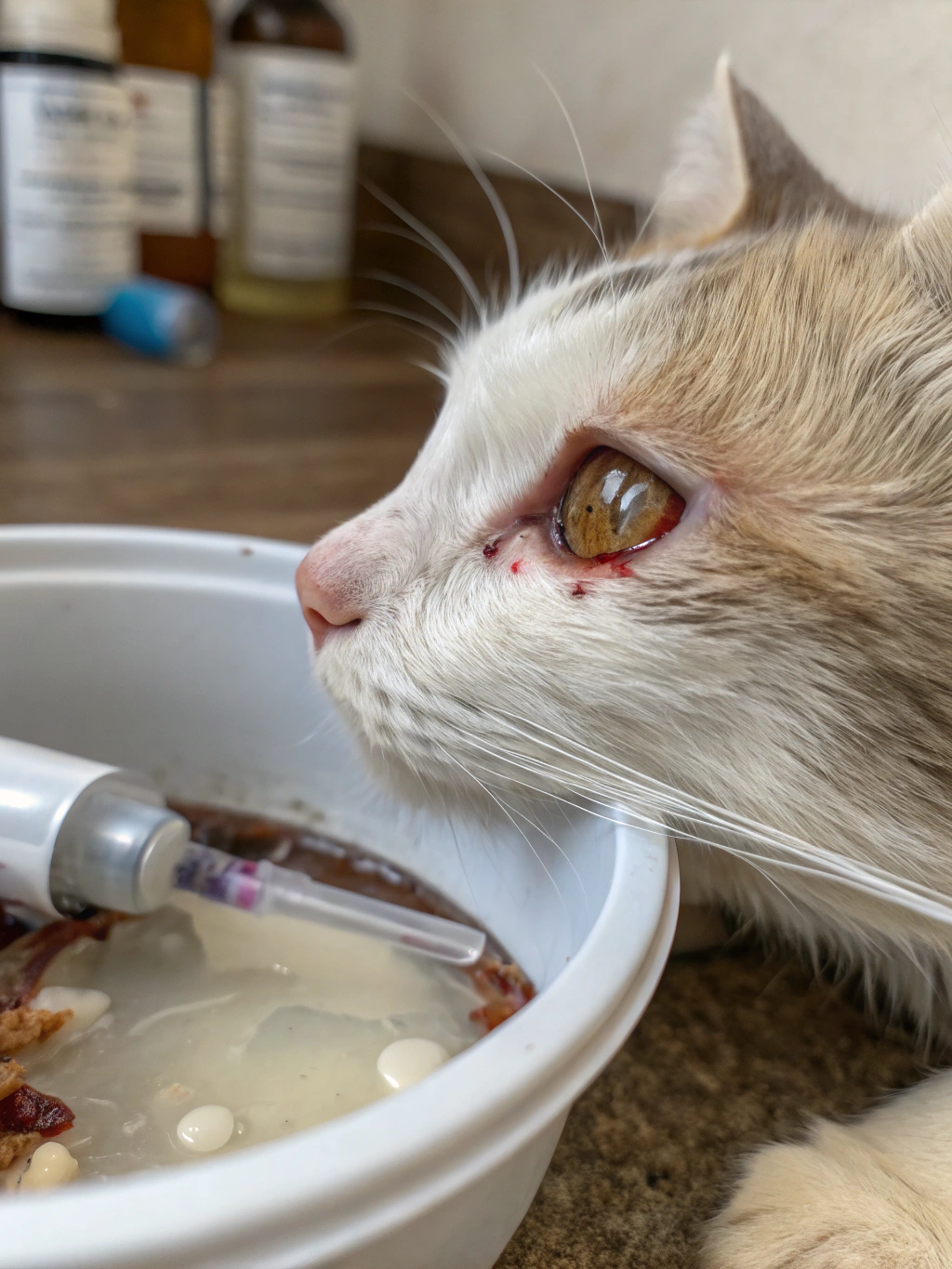
Cat Eye Infection Care at Home
Cat Eye Infection Care at Home
Table of Contents
Cat Eye Infection Care at Home
Introduction
Did you know that nearly 50% of cat owners will encounter a feline eye infection at some point during their pet’s lifetime? Eye infections in cats are surprisingly common, ranging from mild conjunctivitis to more serious conditions requiring veterinary attention. While professional veterinary care is essential for proper diagnosis and treatment, understanding cat eye infection care at home can make a significant difference in your cat’s comfort and recovery speed. This comprehensive guide will walk you through everything you need to know about identifying, treating, and preventing cat eye problems, empowering you to provide the best possible care for your feline companion while knowing when professional intervention is necessary.
Cat Supplies & Essentials
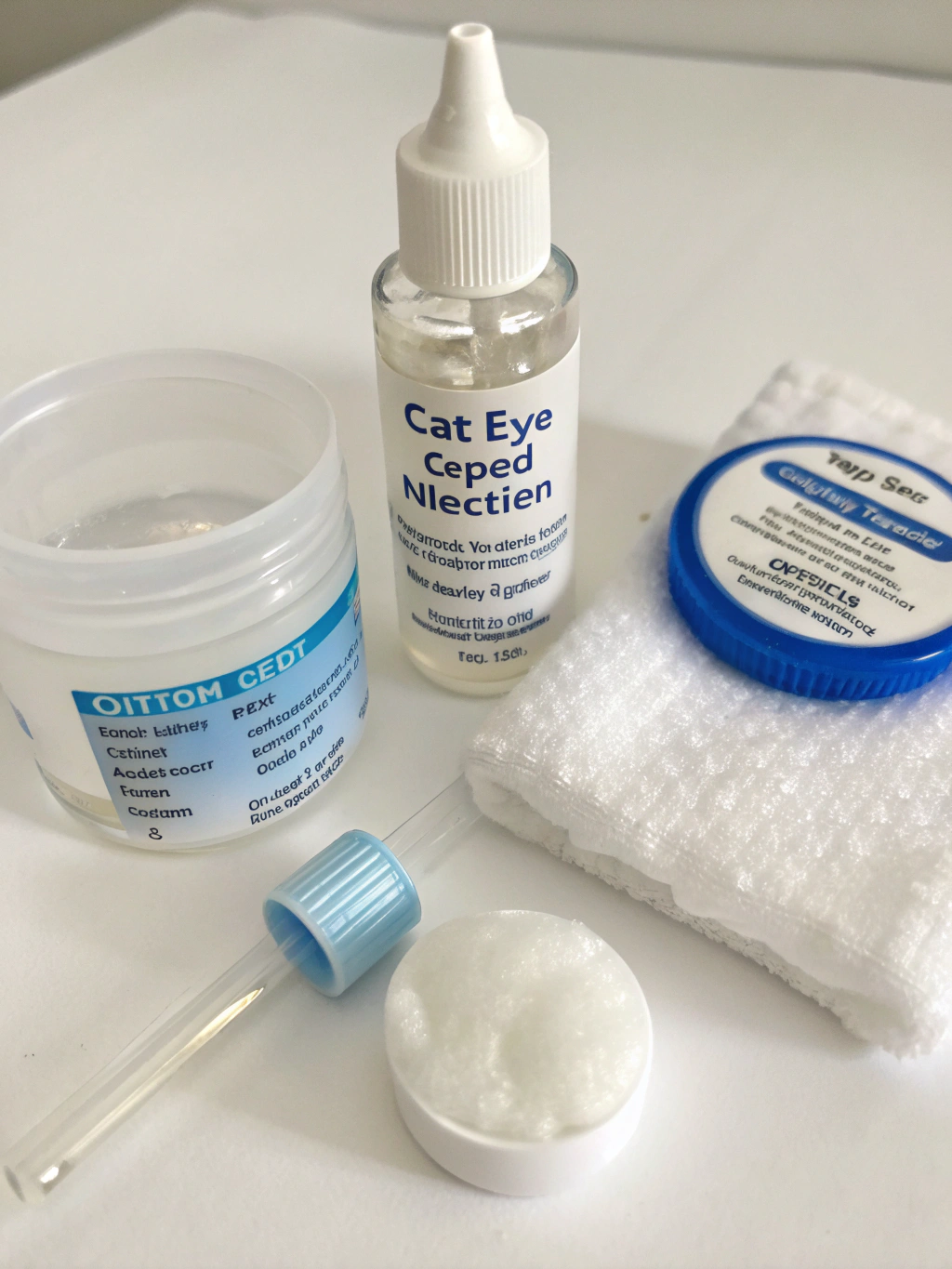
When dealing with cat eye infections, having the right supplies on hand is crucial for effective home care:
Sterile Saline Solution: Essential for gently cleaning discharge from around your cat’s eyes. Choose preservative-free formulations designed for veterinary or human eye care.
Cotton Balls or Gauze Pads: Soft, lint-free materials for applying cleaning solutions. Never use tissues or paper towels as they can leave irritating fibers.
Warm Compress Materials: Clean washcloths or soft towels for applying gentle warmth to reduce swelling and discomfort.
E-Collar (Elizabethan Collar): Prevents your cat from pawing at infected eyes, which can worsen the condition or introduce new bacteria.
Prescribed Medications: Keep any veterinary-prescribed eye drops, ointments, or oral antibiotics readily accessible and at the correct temperature.
Clean Towels: Several soft towels for wrapping and securing your cat during treatment sessions.
Treats and Rewards: High-value treats to create positive associations with treatment time.
Magnifying Glass: Helps you inspect the eye more closely for foreign objects or changes in condition.
Pet-Safe Cleaning Supplies: For sanitizing your cat’s environment, food bowls, and bedding to prevent reinfection.
Timeline / Progress Expectations
Understanding the typical recovery timeline helps you monitor your cat’s progress and identify when additional veterinary care is needed:
Days 1-3: Initial symptoms may include redness, discharge, squinting, or pawing at the eye. With proper treatment, discharge should begin to decrease by day three.
Days 4-7: Noticeable improvement should occur with reduced redness and clearer eyes. Your cat should show less discomfort and reduced squinting.
Week 2: Most mild to moderate infections show significant improvement, with minimal discharge and normal eye appearance returning.
Week 3-4: Complete resolution of symptoms typically occurs within this timeframe for uncomplicated infections.
Long-term Monitoring: Some cats may experience recurring eye issues, requiring ongoing preventive care and regular veterinary check-ups every 6-12 months.
Daily cleaning sessions should be performed 2-4 times daily for optimal results, with medication administration following your veterinarian’s specific schedule.
Step-by-Step Instructions
Step 1: Prepare Your Workspace and Supplies
Gather all necessary supplies in a quiet, well-lit room where your cat feels comfortable. Wash your hands thoroughly with antibacterial soap and ensure all materials are clean and ready to use before handling your cat.
Step 2: Safely Restrain Your Cat
Gently wrap your cat in a soft towel, leaving only the head exposed. This “burrito method” prevents scratching while reducing your cat’s anxiety. Speak in soothing tones throughout the process.
Step 3: Clean Away Discharge
Soak a cotton ball in sterile saline solution and gently wipe from the inner corner of the eye outward. Use a fresh cotton ball for each wipe and never reuse materials. Be extremely gentle to avoid causing additional irritation.
Step 4: Apply Warm Compress (If Recommended)
Soak a clean washcloth in warm (not hot) water, wring it out, and gently hold it against the affected eye for 5-10 minutes. This helps loosen crusted discharge and provides comfort.
Step 5: Administer Medications
If prescribed eye drops or ointment, tilt your cat’s head slightly upward. For drops, squeeze the recommended number into the eye without touching the dropper to the eye surface. For ointment, apply a small ribbon along the inner lower eyelid. Allow your cat to blink naturally to distribute the medication.
Step 6: Reward and Monitor
Immediately reward your cat with treats and affection to create positive associations. Monitor the eye throughout the day for changes in appearance or behavior.
Health Benefits / Cat Advantages
Proper eye infection care provides numerous benefits beyond treating the immediate problem:
Prevention of Vision Loss: Early intervention and consistent treatment prevent minor infections from progressing to serious conditions that could compromise vision.
Reduced Pain and Discomfort: Cats with untreated eye infections experience significant discomfort that affects their quality of life, appetite, and activity levels.
Strengthened Immune Response: Addressing infections promptly prevents them from becoming systemic issues that could tax your cat’s overall immune system.
Behavioral Improvements: Cats with healthy eyes are more playful, social, and confident. Studies show that cats recovering from eye infections exhibit 40% more interactive behavior within two weeks of treatment.
Cost Savings: Home care under veterinary guidance reduces the need for emergency visits and more expensive interventions, potentially saving hundreds of dollars.
Enhanced Bond: The careful attention and gentle care provided during treatment strengthens the trust and connection between you and your cat.
Alternative Methods & Tips
For Multi-Cat Households: Temporarily isolate the infected cat to prevent spreading contagious conditions and to reduce stress during treatment times.
For Anxious Cats: Consider using feline pheromone diffusers in the treatment area to create a calming environment. Some owners find success with gentle massage before treatment sessions.
Budget-Friendly Options: While medications require veterinary prescription, homemade saline solution (using distilled water and non-iodized salt) can be used for cleaning in non-emergency situations.
For Senior Cats: Older cats may require more frequent, gentler cleaning sessions. Consider warming saline solution slightly (test temperature first) for added comfort.
Outdoor Cat Considerations: Keep cats with eye infections indoors during treatment to prevent exposure to irritants, allergens, and additional pathogens.
Climate Adjustments: In dry climates, use a humidifier near your cat’s resting area to prevent eye dryness that can complicate healing.
Common Mistakes to Avoid
Using Human Eye Drops Without Veterinary Approval: Many over-the-counter human eye medications contain ingredients harmful to cats. Never use these without explicit veterinary permission.
Discontinuing Treatment Too Early: Even when symptoms improve, complete the full course of prescribed medications to prevent recurrence and antibiotic resistance.
Neglecting Environmental Factors: Failing to clean litter boxes, bedding, and food bowls can reintroduce bacteria and prolong infection.
Touching Multiple Eyes with Same Materials: If both eyes are affected, always use separate materials for each eye to prevent cross-contamination.
Forcing Treatment Aggressively: Aggressive restraint increases stress and creates negative associations. If your cat becomes extremely distressed, take a break and try again later.
Ignoring Worsening Symptoms: If symptoms don’t improve within 3-4 days or worsen at any time, seek immediate veterinary care rather than continuing home treatment alone.
Overlooking Underlying Causes: Eye infections can be symptoms of more serious conditions like feline herpesvirus, allergies, or autoimmune disorders requiring specific treatment approaches.
Storage & Maintenance Tips
Medication Storage: Store eye medications according to label instructions, typically in cool, dark places or refrigerated. Check expiration dates regularly and discard outdated products.
Cleaning Supply Hygiene: Wash and dry all reusable items like towels and washcloths in hot water with pet-safe detergent after each use. Replace cotton balls and gauze pads with fresh supplies for each treatment.
Environmental Maintenance: Deep clean your cat’s living area weekly during treatment, including washing bedding in hot water, sanitizing food and water bowls daily, and thoroughly cleaning litter boxes.
Supply Organization: Keep all eye care supplies in a dedicated container or drawer for easy access during treatment times. This reduces stress by minimizing preparation time.
Record Keeping: Maintain a treatment log noting dates, times, medications administered, and observations about your cat’s condition. This information is invaluable for veterinary follow-ups.
Seasonal Considerations: During allergy seasons, increase cleaning frequency of your cat’s environment and consider air purifiers to reduce airborne irritants that could complicate eye health.
Conclusion
Caring for a cat with an eye infection at home requires patience, consistency, and attention to detail, but the rewards of seeing your feline friend return to comfortable, clear-eyed health make every effort worthwhile. Remember that home care should always complement, not replace, professional veterinary diagnosis and treatment. By following these evidence-based guidelines for cat eye infection care, maintaining proper hygiene, and monitoring your cat’s progress closely, you’re providing the best possible support for your pet’s recovery.
FAQs
How can I tell if my cat’s eye infection requires immediate veterinary attention?
Seek immediate veterinary care if your cat shows signs of severe pain (excessive crying or hiding), sudden vision loss, pupils of different sizes, eye bulging or receding, thick yellow or green discharge, eye cloudiness, or symptoms accompanied by fever or lethargy. These indicate potentially serious conditions requiring professional intervention beyond home care capabilities.
Can I use chamomile tea or other natural remedies for my cat’s eye infection?
While some natural remedies are popular, they should never replace veterinary-approved treatments. Chamomile tea may cause allergic reactions in some cats and isn’t sterile, potentially introducing new bacteria. Always consult your veterinarian before trying alternative treatments, and stick with sterile saline solution for home cleaning between veterinary visits.
How long should I wait before taking my cat to the vet if home care isn’t working?
If you notice no improvement within 48-72 hours of starting home care, or if symptoms worsen at any point, contact your veterinarian immediately. Eye infections can progress rapidly, and delayed treatment may result in permanent vision damage or complications requiring more intensive treatment.
Are certain cat breeds more prone to eye infections?
Yes, brachycephalic breeds (flat-faced cats like Persians and Himalayans) are more susceptible to eye infections due to their facial structure, which can cause tear duct problems and increased eye exposure. These breeds require more vigilant eye care and regular preventive cleaning even when infections aren’t present.
Can my cat’s eye infection spread to other pets or humans in my household?
Some feline eye infections, particularly those caused by bacteria, can potentially spread to other cats, though they rarely affect humans. Viral infections like feline herpesvirus are species-specific and won’t infect humans or dogs. Practice good hygiene by washing hands thoroughly after treating your cat and keeping infected cats separated from other pets until cleared by your veterinarian.