Outdoor Cat Care Safety Guide
Outdoor Cat Care Safety Guide
Table of Contents
Outdoor Cat Care Safety Guide
Introduction
Did you know that outdoor cats face up to five times more health risks than their indoor counterparts, yet millions of cat owners still choose to let their feline friends explore the great outdoors? Whether your cat ventures outside occasionally or lives primarily outdoors, understanding proper outdoor cat care is essential for keeping them safe, healthy, and thriving. According to veterinary studies, outdoor cats are exposed to various hazards including traffic accidents, infectious diseases, parasites, predators, knowledge, you can significantly reduce these risks while allowing your cat to enjoy the mental and physical stimulation that outdoor exploration provides. This comprehensive guide will walk you through everything you need to know about caring for outdoor cats,
Cat Supplies & Essentials
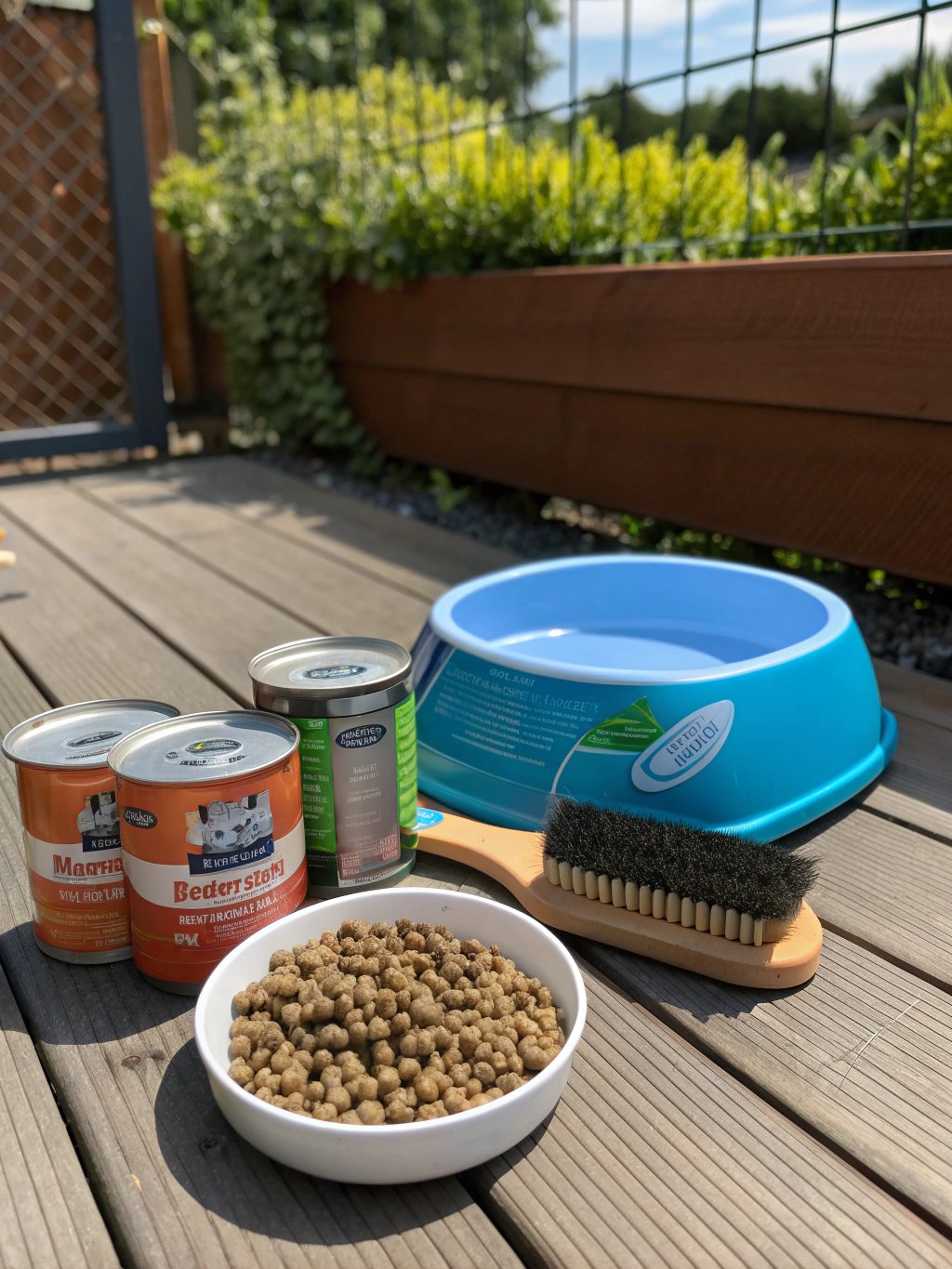
Properly equipping your outdoor cat requires thoughtful selection of supplies that address both indoor and outdoor needs:
Identification and Safety Gear: A breakaway collar with ID tags containing your contact information is non-negotiable. Microchipping provides permanent identification if the collar is lost. Consider GPS tracking collars for real-time location monitoring, which costs approximately $25-100 depending on features.
Quality Cat Food and Water Stations: Outdoor cats burn more calories and need nutrient-dense, high-protein food. Invest in weatherproof feeding stations that protect food from rain and pests. Automatic water fountains ensure fresh hydration, crucial for cats who roam extensively.
Shelter and Rest Areas: Even outdoor cats need safe retreat spaces. Insulated outdoor cat houses protect from extreme weather, with prices ranging from $50-200. Position them in quiet, protected locations away from high-traffic areas.
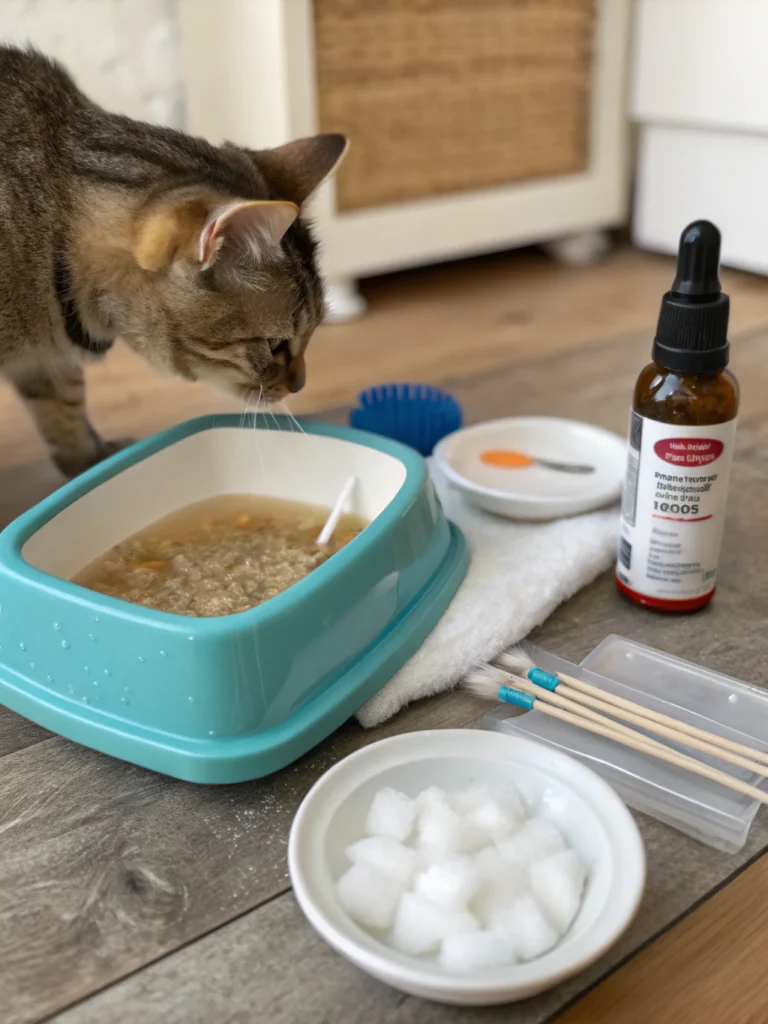
Grooming Tools: Outdoor cats accumulate more dirt and debris. Essential grooming supplies include slicker brushes for removing burrs, flea combs, nail clippers, and pet-safe wipes for quick cleanups between baths.
First Aid Kit: Assemble a cat-specific first aid kit containing antiseptic wipes, gauze, adhesive tape, tweezers for tick removal, digital thermometer, and emergency veterinary contact numbers.
Toys and Enrichment: Provide both indoor and outdoor toys. Outdoor cats benefit from puzzle feeders that satisfy hunting instincts and durable toys that withstand rough play.
Timeline / Progress Expectations
Understanding realistic timelines helps set appropriate expectations when transitioning cats to outdoor access or implementing safety protocols:
Week 1-2: Initial Outdoor Introduction: For cats new to outdoor access, begin with supervised 15-20 minute sessions. Most cats show curiosity mixed with caution during this phase. Establish feeding times that encourage return home.
Week 3-4: Building Confidence: Gradually increase outdoor time to 30-60 minutes. Cats typically establish preferred routes and territorial boundaries. Monitor behavior for signs of stress or overconfidence around roads.
Month 2-3: Routine Establishment: By this stage, outdoor cats develop consistent patterns—specific times they venture out and return. Expect 70-80% predictability in their schedule, though some cats remain more independent.
Seasonal Adjustments: Outdoor activity patterns change with seasons. Cats typically spend less time outside during extreme heat or cold, often reducing outdoor time by 40-50% during harsh weather.
Health Monitoring: Schedule veterinary check-ups every 3-6 months for outdoor cats versus annually for indoor cats. Expect more frequent parasite treatments—typically every 1-3 months depending on exposure risk.
Establishing Safe Outdoor Boundaries
Step 1: Create a Gradual Transition Plan
Start by accompanying your cat outside during initial explorations. Use a harness and leash if your cat is new to outdoor environments. This allows you to control their first experiences and identify potential hazards like busy roads, aggressive animals, or toxic plants in your vicinity.
Step 2: Implement Scheduled Outdoor Time
Establish consistent outdoor access times, ideally during daylight hours when visibility is better and traffic is more predictable. Call your cat indoors before dusk when nocturnal predators become active. Use specific calls or sounds that your cat associates with positive reinforcement like treats.
Step 3: Secure Your Yard or Territory
Inspect fencing for escape routes or entry points for predators. Consider cat-proof fencing modifications like roller bars that prevent climbing out, or enclosed “catios” that provide safe outdoor experiences without free-roaming risks.
Step 4: Train Reliable Recall Behavior
Practice recall training daily using high-value treats. Start indoors, then progress to controlled outdoor sessions. Consistency is key—use the same verbal cue and reward immediately when your cat responds. Most cats master basic recall within 4-6 weeks of daily practice.
Step 5: Monitor and Adjust
Regularly assess your cat’s outdoor experiences. Check for injuries, observe behavior changes, and adjust boundaries as needed. Document any concerning patterns like extended absences or new aggressive behaviors.
Health Benefits / Cat Advantages
Proper outdoor cat care delivers numerous physical and psychological benefits when managed safely:
Enhanced Physical Fitness: Outdoor cats typically maintain healthier body weights, with studies showing 25-30% lower obesity rates compared to sedentary indoor cats. Natural terrain provides varied exercise opportunities that strengthen muscles and improve coordination.
Mental Stimulation: Outdoor environments offer sensory-rich experiences—varied scents, sounds, and visual stimulation—that prevent boredom and associated behavioral problems. This environmental complexity reduces stress-related behaviors by approximately 40% according to feline behavioral research.
Natural Behavior Expression: Outdoor access allows cats to engage instinctive behaviors like hunting, climbing, and territorial patrolling. This fulfillment of natural drives contributes to overall contentment and reduces destructive indoor behaviors.
Vitamin D Synthesis: Direct sunlight exposure supports natural vitamin D production, contributing to bone health and immune function. Just 15-20 minutes of sun exposure provides substantial benefits.
Social Enrichment: Outdoor cats often interact with neighborhood cats, developing social skills and establishing territorial relationships that provide mental engagement.
Alternative Methods & Tips
Different living situations and cat personalities require customized approaches:
For Urban Environments: Consider leash training for controlled outdoor experiences in high-traffic areas. Window perches and enclosed balcony spaces provide safe outdoor access in apartments.
For Multiple Cats: Stagger outdoor times if cats show territorial aggression, or create separate outdoor zones. Some cats thrive with outdoor companions while others prefer solo exploration.
Climate Adaptations: In extreme climates, limit outdoor time during temperature extremes. Provide cooling mats for hot weather and heated shelters for cold conditions. Cats typically self-regulate, but monitoring prevents heat stroke or hypothermia.
Budget-Friendly Options: DIY outdoor shelters using insulated coolers or wooden crates cost under $30. Homemade toys like paper bags and cardboard boxes provide enrichment without expensive purchases.
For Senior or Special Needs Cats: Older cats benefit from shorter, supervised outdoor sessions in secure areas. Cats with health conditions may need restricted outdoor access—consult your veterinarian for personalized recommendations.
Common Mistakes to Avoid
Avoiding these frequent errors ensures safer outdoor experiences:
Skipping Parasite Prevention: Outdoor cats absolutely require year-round flea, tick, and heartworm prevention. Missing treatments exposes cats to serious diseases and infestations that cost significantly more to treat than prevent.
Inconsistent Feeding Schedules: Irregular feeding times reduce your leverage for calling cats home. Maintain predictable meal times indoors to ensure reliable returns.
Neglecting Vaccinations: Outdoor cats need additional vaccines beyond basic indoor protocols, including FeLV, FIV testing, and potentially rabies boosters. Vaccination gaps leave cats vulnerable to deadly diseases.
Ignoring Weather Conditions: Forcing outdoor time during storms, extreme heat, or freezing temperatures causes unnecessary stress and health risks. Respect your cat’s reluctance during harsh weather.
Inadequate Identification: Relying solely on collars without microchips creates risks. Breakaway collars can detach, making microchips essential for permanent identification.
Overlooking Spaying/Neutering: Unaltered outdoor cats contribute to overpopulation and experience higher injury rates from fighting and roaming. Spaying/neutering reduces these risks by 80-90%.
Storage & Maintenance Tips
Maintaining supplies and living areas ensures optimal health outcomes:
Food Storage: Store outdoor cat food in airtight containers to prevent spoilage and pest attraction. Dry food remains fresh for 4-6 weeks when properly sealed. Discard any food exposed to moisture within 24 hours.
Cleaning Protocols: Even outdoor cats need accessible indoor litter boxes. Scoop daily and completely change litter weekly. Clean outdoor feeding stations every 2-3 days to prevent bacterial growth.
Seasonal Equipment Checks: Inspect outdoor shelters monthly for damage, dampness, or pest infestations. Replace bedding quarterly or when soiled. Check collar condition weekly for fraying or looseness.
Toy Rotation: Rotate toys every two weeks to maintain interest. Clean outdoor toys monthly using pet-safe disinfectants. Discard damaged toys that present choking hazards.
Health Records: Maintain organized records of vaccinations, parasite treatments, and veterinary visits. Digital apps help track schedules and send reminders for upcoming preventive care.
Conclusion
Successfully caring for outdoor cats requires balancing their natural desires for exploration with practical safety measures that protect their wellbeing. By implementing proper identification systems, maintaining consistent routines, providing appropriate supplies, and staying vigilant about health care, you can significantly reduce the risks associated with outdoor access. Remember that every cat is unique—some thrive with extensive outdoor freedom while others prefer limited supervised excursions. Start gradually, observe your cat’s individual responses, and adjust your approach accordingly.
FAQs
How long should I let my cat stay outside each day?
There’s no universal answer, but most experts recommend limiting outdoor time to 2-4 hours daily, preferably during daylight. Start with shorter 30-minute sessions and gradually increase based on your cat’s confidence and your neighborhood’s safety level. Always bring cats indoors overnight when predator activity peaks and visibility drops.
What vaccinations do outdoor cats absolutely need?
Beyond core vaccines (rabies, FVRCP), outdoor cats should receive FeLV (feline leukemia) vaccination and regular FIV testing. Consult your veterinarian about additional region-specific vaccines based on local disease prevalence. Maintain boosters according to your vet’s recommended schedule, typically annually or every three years depending on vaccine type.
How can I prevent my outdoor cat from hunting wildlife?
While you cannot completely eliminate hunting instincts, several strategies reduce predation: attach bells to breakaway collars (though some cats learn to move silently), use brightly colored “Birdsbesafe” collar covers, limit outdoor access during dawn and dusk when prey is most active, and ensure your cat is well-fed before outdoor time to reduce hunger-driven hunting.
Is it safe to let my cat outside in winter?
Cats can safely enjoy outdoor time in winter with precautions. Limit sessions to 15-30 minutes when temperatures drop below freezing, provide insulated outdoor shelter, check paws for ice accumulation or chemical burns from de-icers, and monitor for signs of hypothermia like shivering or lethargy. Senior cats and those with health conditions should have minimal cold exposure.
How do I transition an indoor cat to outdoor access?
Begin with harness training indoors for 1-2 weeks. Progress to supervised backyard sessions lasting 10-15 minutes. Gradually increase time and distance over 4-6 weeks. Always accompany your cat initially, use high-value treats for positive associations, and establish reliable recall before allowing unsupervised access. Some cats never adjust to outdoor environments—respect your cat’s comfort level and don’t force the transition.