Indoor Cat Care Tips for a Healthy Life
Indoor Cat Care Tips for a Healthy Life
Table of Contents
Indoor Cat Care Tips for a Healthy Life
Introduction
Did you know that indoor cats can live up to 15-20 years compared to only 2-5 years for outdoor cats, yet many still suffer from obesity, behavioral issues, and stress-related illnesses? The secret to unlocking your feline companion’s full potential lies in understanding proper indoor cat care practices. While keeping cats indoors significantly reduces risks from traffic, predators, and diseases, it also presents unique challenges that require thoughtful attention. Creating an enriching indoor environment isn’t just about safety—it’s about ensuring your cat thrives physically, mentally, and emotionally. This comprehensive guide will walk you through everything you need to know about caring for indoor cats, from essential supplies to behavioral training techniques that transform your home into a cat paradise.
Cat Supplies & Essentials

Building a proper foundation for indoor cat care starts with having the right supplies on hand. Here’s a comprehensive breakdown of what every cat owner needs:
Litter Boxes: The golden rule is one box per cat plus one extra. Choose boxes that are 1.5 times your cat’s length for comfort. Self-cleaning options work well for busy owners, while traditional boxes allow better monitoring of your cat’s health through waste observation.
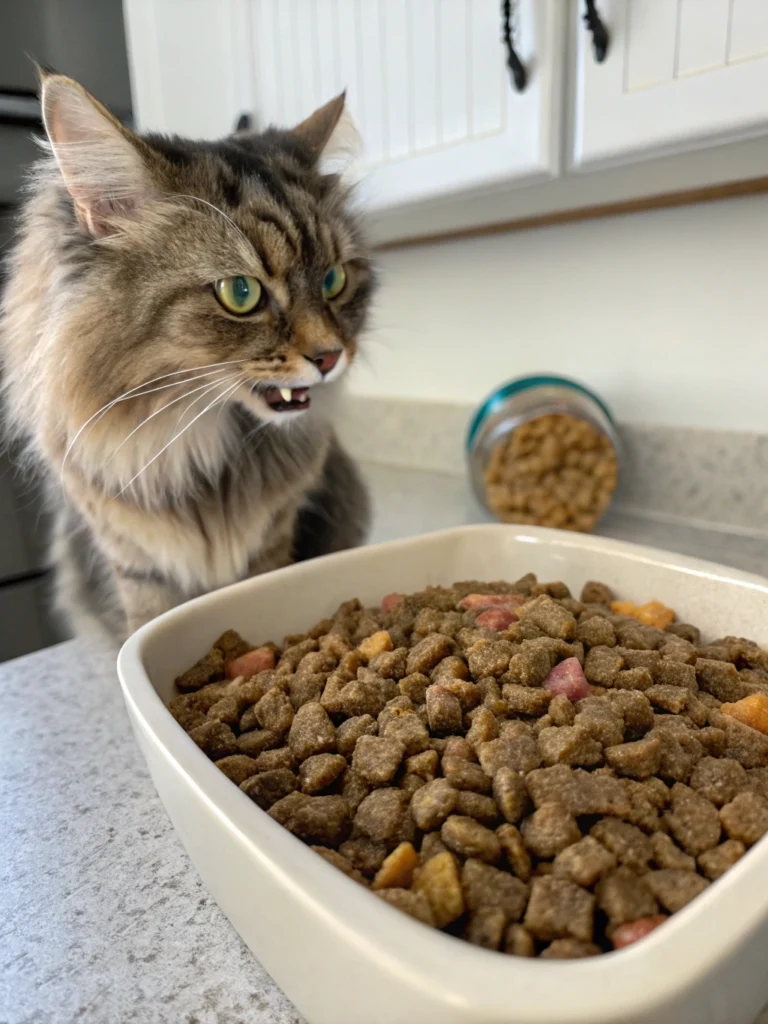
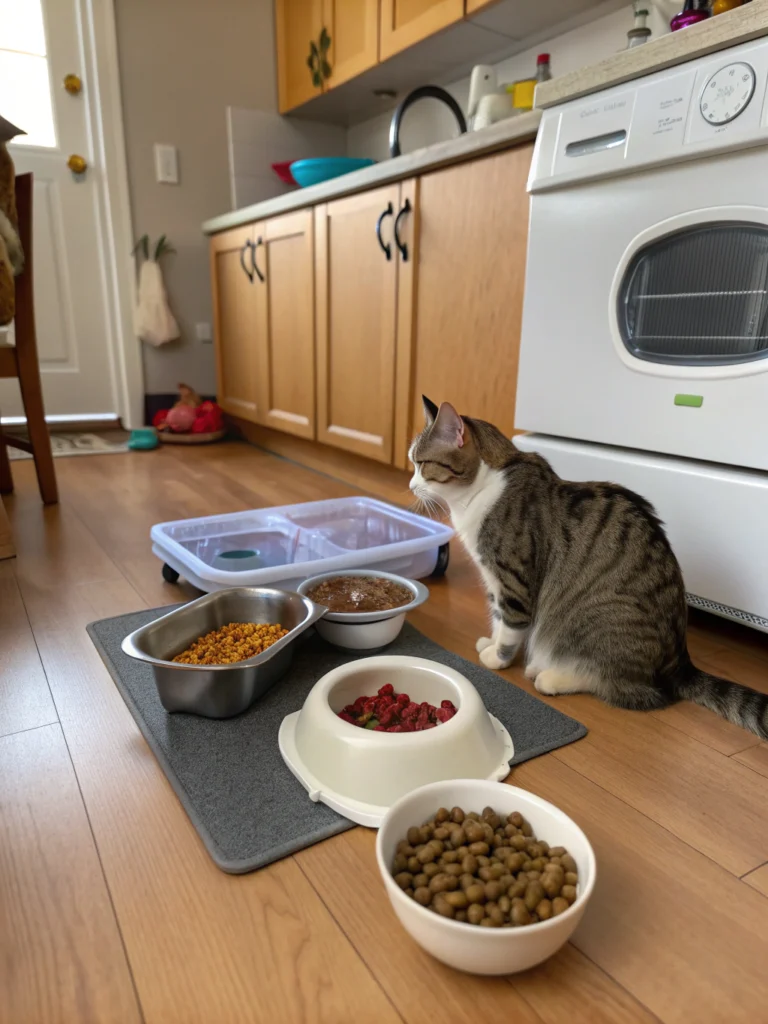
Premium Cat Food: Invest in high-protein, low-carbohydrate options that mirror cats’ natural carnivorous diet. Both wet and dry food serve different purposes—wet food provides hydration while dry food supports dental health.
Interactive Toys: Feather wands, puzzle feeders, laser pointers, and battery-operated mice keep cats mentally stimulated. Rotating toys weekly prevents boredom and maintains interest.
Scratching Posts: Essential for nail maintenance and territorial marking. Provide both vertical posts (minimum 32 inches tall) and horizontal scratching pads to accommodate different preferences.
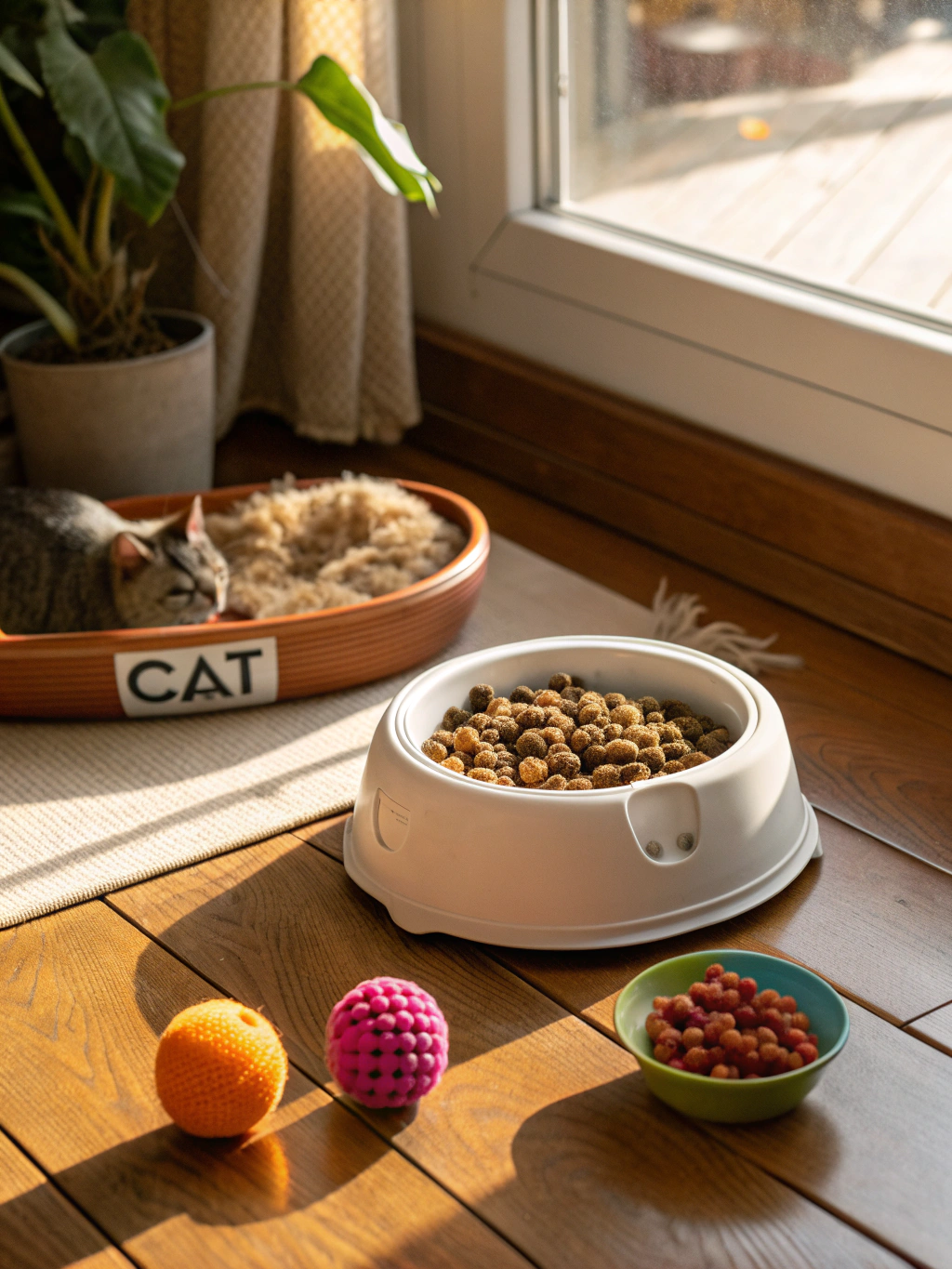
Comfortable Beds: Cats sleep 12-16 hours daily, so multiple sleeping spots—including heated beds for older cats—ensure proper rest and joint support.
Cat Carriers: A sturdy, well-ventilated carrier is crucial for vet visits and emergencies. Soft-sided carriers work for calm cats, while hard-shell versions provide better security for anxious felines.
Water Fountains: Running water encourages hydration, which is critical for preventing kidney disease and urinary tract infections—common issues in indoor cats.
Optional Additions: Cat trees for vertical territory, window perches for environmental enrichment, nail clippers, dental care products, and cat grass for digestive health.
Timeline / Progress Expectations
Understanding realistic timelines helps maintain patience and consistency in your cat care routine:
First Week: Your cat will explore and adjust to new supplies or routines. Expect curiosity mixed with caution. Litter box training typically takes 3-7 days for kittens.
Weeks 2-4: Behavioral patterns emerge. Most cats adapt to feeding schedules within two weeks and show improved litter box consistency within 2-3 weeks of establishing routines.
Months 2-3: Training achievements become visible. Cats can learn to respond to names, use scratching posts consistently, and accept grooming routines. Play patterns stabilize, revealing your cat’s activity preferences.
Ongoing Maintenance: Daily tasks include feeding (2-3 times), fresh water provision, and litter scooping. Weekly responsibilities involve toy rotation, bed washing, and thorough litter changes. Monthly tasks include nail trimming, weight monitoring, and supply inventory.
Seasonal Adjustments: Winter may require increased indoor stimulation, while summer demands extra hydration focus. Senior cats (7+ years) need gradual routine modifications to accommodate reduced mobility.
Step-by-Step Instructions
Step 1: Establish a Consistent Feeding Routine
Set specific meal times rather than free-feeding to prevent obesity and monitor appetite changes. Measure portions according to your cat’s weight and activity level. Place food stations away from litter boxes and create a calm eating environment.
Step 2: Create Vertical Territory
Install cat trees, shelves, or window perches at varying heights. Cats feel secure when they can survey their environment from elevated positions. This reduces stress and provides exercise as they climb.
Step 3: Implement Daily Play Sessions
Schedule two 15-20 minute interactive play sessions daily, ideally before meals to mimic the hunt-eat-sleep cycle. Use wand toys to simulate prey movement, encouraging your cat to stalk, chase, and pounce.
Step 4: Maintain Litter Box Hygiene
Scoop waste daily and completely change litter weekly. Place boxes in quiet, accessible locations away from food and water. Use unscented, clumping litter as most cats prefer it.
Step 5: Develop a Grooming Routine
Brush short-haired cats weekly and long-haired cats 3-4 times weekly to prevent hairballs and matting. Start grooming sessions young, keeping them brief and positive with treats and praise.
Step 6: Provide Mental Enrichment
Rotate toys every 3-4 days to maintain novelty. Introduce puzzle feeders that make cats “work” for food, stimulating natural hunting instincts. Consider cat TV (bird videos) or aquarium viewing for visual stimulation.
Health Benefits / Cat Advantages
Implementing comprehensive indoor cat care delivers measurable health improvements:
Weight Management: Structured feeding and regular play prevent obesity, which affects approximately 60% of indoor cats. Maintaining healthy weight reduces diabetes risk by 50% and arthritis development by 40%.
Mental Stimulation: Environmental enrichment decreases anxiety-related behaviors like excessive grooming or aggression by up to 70%. Puzzle feeders slow eating and engage problem-solving skills, reducing boredom.
Dental Health: Dry food and dental treats reduce plaque buildup by 20-30%, while regular checkups catch periodontal disease early—a condition affecting 70% of cats over age three.
Stress Reduction: Consistent routines and safe spaces lower cortisol levels, improving immune function and reducing stress-related illnesses like feline idiopathic cystitis.
Longevity: Proper indoor care, including regular veterinary visits and preventive care, can extend your cat’s lifespan by 10-15 years compared to outdoor cats facing environmental hazards.
Behavioral Stability: Cats with enriched environments display fewer destructive behaviors, better litter box habits, and stronger human-pet bonds through positive interaction.
Alternative Methods & Tips
For Small Living Spaces: Maximize vertical territory with wall-mounted shelves. Use fold-away cat tunnels and compact puzzle feeders. Window boxes provide outdoor views without requiring floor space.
Budget-Friendly Enrichment: Cardboard boxes become instant hiding spots. Paper bags (remove handles), crumpled paper balls, and empty toilet paper rolls stuffed with treats offer free entertainment. DIY scratching posts using carpet remnants and wood cost under $10.
Multi-Cat Households: Provide resources in multiple locations to prevent competition. Separate feeding stations reduce food aggression. Ensure enough litter boxes (number of cats + 1) in different areas.
Senior Cat Adaptations: Lower litter box entry points, provide heated beds for arthritic joints, and place food/water on ground level. Increase veterinary visits to biannually for early disease detection.
Climate Considerations: Warm climates require extra water stations and cool resting spots. Cold climates benefit from heated beds and increased caloric intake. Maintain consistent indoor temperatures between 65-75°F.
Personality-Based Approaches: Shy cats need more hiding spots and quiet zones. Active cats require additional play sessions and challenging toys. Food-motivated cats excel with puzzle feeders, while others prefer hunting-style play.
Common Mistakes to Avoid
Overfeeding: Free-feeding or treating excessively leads to obesity. Solution: Measure portions precisely and limit treats to 10% of daily calories.
Neglecting Litter Box Standards: Dirty boxes cause inappropriate elimination. Solution: Maintain one box per cat plus one, scoop daily, and avoid scented litters that deter use.
Insufficient Play: Lack of activity causes behavioral problems and obesity. Solution: Schedule mandatory play sessions twice daily, treating them as non-negotiable appointments.
Punishing Natural Behaviors: Scolding cats for scratching or climbing damages trust. Solution: Redirect behaviors to appropriate outlets like scratching posts and cat trees.
Inadequate Veterinary Care: Skipping annual exams allows preventable diseases to progress. Solution: Schedule yearly checkups (twice yearly for seniors) and maintain current vaccinations.
Inconsistent Routines: Irregular feeding or play times increases anxiety. Solution: Establish and maintain consistent daily schedules for all care activities.
Ignoring Environmental Needs: Bare environments cause stress and boredom. Solution: Provide hiding spots, perches, scratching surfaces, and interactive toys throughout your home.
Using Inappropriate Discipline: Spray bottles and yelling create fear without teaching. Solution: Use positive reinforcement—reward desired behaviors and redirect unwanted ones.
Storage & Maintenance Tips
Food Storage: Keep dry food in airtight containers to maintain freshness and prevent pest attraction. Store in cool, dry locations away from sunlight. Use opened wet food within 2-3 days when refrigerated.
Litter Management: Store litter in original containers with sealed lids to control dust and odors. Keep scoops clean by washing weekly with hot, soapy water. Replace litter boxes annually as scratches harbor bacteria.
Toy Hygiene: Wash fabric toys monthly in hot water. Disinfect plastic toys with pet-safe cleaners weekly. Discard toys with loose parts that pose choking hazards. Store rotating toys in sealed containers to maintain novelty.
Bedding Care: Wash cat beds weekly in hot water to eliminate dander, dirt, and parasites. Inspect for wear and replace when stuffing flattens or fabric tears.
Cleaning Supplies Organization: Maintain separate cleaning supplies for cat areas. Use enzyme-based cleaners for accidents, as they eliminate odors at the molecular level rather than masking them.
Seasonal Deep Cleaning: Quarterly, move furniture to vacuum underneath, wash all bedding, sanitize food/water bowls, and inspect for hidden hazards like exposed cords or toxic plants.
Supply Inventory: Monthly, check food expiration dates, medication supplies, and litter quantities. Keep a two-week supply buffer to avoid last-minute shortages.
Conclusion
Mastering indoor cat care transforms your feline friend’s quality of life while strengthening your bond. By implementing proper nutrition, consistent routines, environmental enrichment, and preventive healthcare, you’re setting the foundation for a long, healthy, and happy life together. Remember that every cat is unique—observe your companion’s preferences and adjust these guidelines accordingly. Start with one or two changes this week, whether it’s establishing a play routine or upgrading your litter box setup, and gradually incorporate additional strategies. Your commitment to excellence in indoor cat care directly translates to your cat’s wellbeing. Share your success stories in the comments below, and explore our related guides on cat behavior and nutrition for even more expert insights!
FAQs
How much daily exercise does an indoor cat need?
Indoor cats require at least 20-30 minutes of active play daily, split into two or three sessions. This mimics natural hunting patterns and prevents obesity. Interactive toys that encourage stalking, chasing, and pouncing provide the best workout. Adjust duration based on age—kittens need more frequent, shorter sessions, while senior cats benefit from gentler, extended play.
What’s the ideal litter box setup for indoor cats?
Provide one litter box per cat plus one extra, placed in quiet, accessible locations. Boxes should be 1.5 times your cat’s length, with low-dust, unscented clumping litter. Scoop daily and completely change litter weekly. Avoid covered boxes unless your cat specifically prefers them, as most cats favor open boxes with better ventilation.
How can I prevent my indoor cat from becoming bored?
Combat boredom through environmental enrichment: rotate toys every few days, provide puzzle feeders, install window perches for bird watching, create vertical climbing spaces, and schedule interactive play sessions. Cat TV (videos designed for cats) and hiding treats around your home encourage natural foraging behaviors. Consider adopting a second cat for companionship if your lifestyle permits.
What should I feed my indoor cat for optimal health?
Choose high-protein (minimum 30%), low-carbohydrate cat food formulated for indoor cats, which typically contains fewer calories to prevent weight gain. Wet food supports hydration, while dry food promotes dental health—many owners combine both. Measure portions according to package guidelines based on your cat’s weight, and adjust based on body condition. Avoid dog food, human food, and excessive treats.
How often should indoor cats visit the veterinarian?
Adult cats (1-7 years) need annual wellness exams including vaccinations, dental checks, and parasite prevention. Senior cats (7+ years) benefit from biannual visits to catch age-related issues early. Schedule immediate appointments for behavioral changes, appetite loss, litter box issues, or visible illness. Preventive care significantly reduces long-term healthcare costs and extends lifespan.