Proven Way to Grow: 5 Cat Boredom Signs You Miss
Proven Way to Grow: 5 Cat Boredom Signs You Miss
Table of Contents
Proven Way to Grow: 5 Cat Boredom Signs You Miss
Introduction
Have you noticed your feline friend sleeping more than usual, or perhaps engaging in destructive behavior around the house? You’re not alone—recent veterinary studies suggest that up to 60% of indoor cats experience behavioral issues linked to insufficient mental stimulation. Many cat owners mistakenly attribute these changes to aging or personality quirks, when in reality, their pets are desperately signaling boredom. Recognizing cat boredom signs early can prevent serious behavioral problems and dramatically improve your cat’s quality of life. This comprehensive guide reveals five subtle indicators that your cat needs more engagement, plus proven strategies to transform their daily routine into an enriching, stimulating experience that keeps them mentally sharp and physically healthy.
Cat Supplies & Essentials
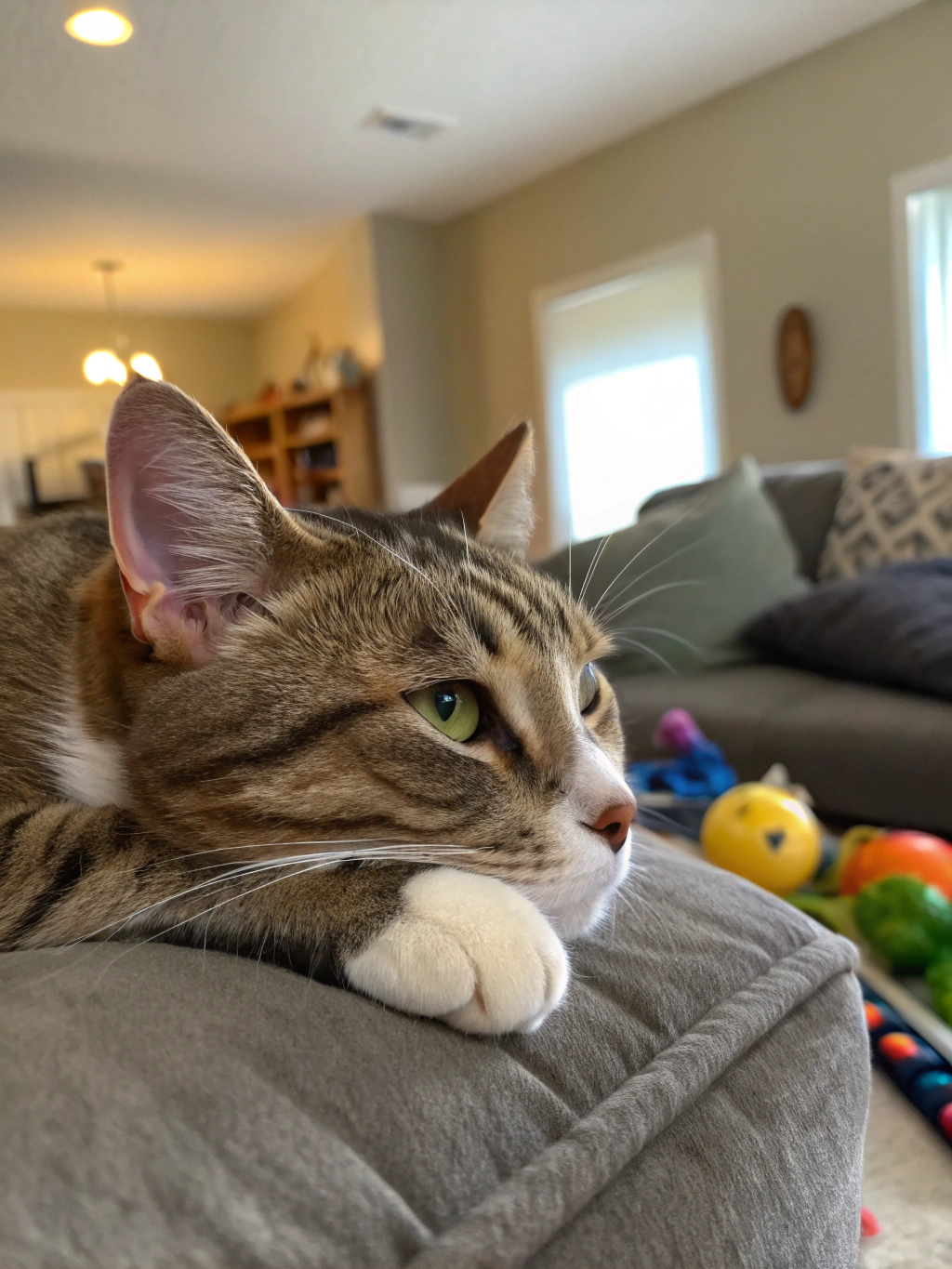
Combating feline boredom requires the right tools and environmental enrichment. Here’s what every cat owner should have:
Interactive Toys: Puzzle feeders, wand toys, and motorized mice provide mental stimulation and mimic hunting behavior. Rotate toys weekly to maintain novelty and interest.
Scratching Posts: Essential for territorial marking and claw maintenance. Choose tall, sturdy posts covered in sisal rope, positioned near windows or sleeping areas.
Cat Trees & Perches: Multi-level structures satisfy climbing instincts and provide observation points. Window-mounted perches offer entertainment through bird-watching.
Food Dispensing Toys: Slow feeders and treat-dispensing balls combine mealtime with mental exercise, preventing rapid eating and providing problem-solving challenges.
Quality Cat Food: Nutrient-rich, protein-based diets support energy levels necessary for active play. Consider incorporating wet food for hydration and variety.
Comfortable Beds: Multiple sleeping spots throughout your home give cats territory options and security, reducing stress-related boredom.
Litter Boxes: Maintain one box per cat plus one extra. Clean boxes prevent avoidance behaviors often mistaken for boredom-related acting out.
Grooming Tools: Regular brushing sessions provide bonding opportunities and sensory stimulation, particularly important for indoor cats.
Cat Tunnels & Hideaways: Collapsible tunnels and cardboard boxes create exploration opportunities and safe retreat spaces.
Water Fountains: Circulating water encourages hydration while providing visual and auditory stimulation that static bowls cannot offer.
Optional Additions: Catnip toys (for responsive cats), automated laser toys for independent play, and cat-safe plants like cat grass for sensory variety.
Timeline / Progress Expectations
Understanding realistic timeframes helps maintain consistency when addressing cat boredom signs:
Week 1-2: Initial introduction of new toys and enrichment activities. Your cat may show cautious interest or ignore new items—this is normal. Spend 15-20 minutes daily in interactive play sessions.
Week 3-4: Most cats begin showing increased engagement with environmental changes. Destructive behaviors typically decrease by 30-40% as mental stimulation increases. Establish consistent play schedules your cat anticipates.
Month 2: Behavioral improvements become noticeable. Excessive sleeping decreases, vocalization normalizes, and destructive scratching redirects to appropriate surfaces. Your cat should display more confident, curious behavior.
Month 3+: Long-term behavioral changes solidify. Cats develop problem-solving skills, maintain healthier weights, and exhibit reduced anxiety. Continue rotating toys and introducing new challenges monthly.
Daily Routine: Morning and evening play sessions (10-15 minutes each) align with cats’ natural crepuscular activity peaks. Midday enrichment through food puzzles maintains engagement.
Seasonal Adjustments: Indoor cats benefit from increased stimulation during winter months when outdoor observation opportunities decrease. Summer may require cooling mats and shade-focused perches.
Step-by-Step Instructions
Step 1: Conduct a Boredom Assessment
Observe your cat’s behavior over 3-5 days. Document sleeping hours, play attempts, vocalization frequency, and any destructive actions. Compare against typical cat behavior—healthy adult cats sleep 12-16 hours daily, but lethargy accompanied by disinterest signals problems.
Step 2: Implement Scheduled Interactive Play
Choose two consistent times daily for dedicated play sessions. Use wand toys to simulate prey movement—erratic, unpredictable patterns with pauses mimic hunting. Allow your cat to “catch” the prey periodically for satisfaction. End sessions gradually, transitioning to slower movements.
Step 3: Rotate Environmental Enrichment
Create a toy rotation system with three groups. Keep one set available while storing others, switching weekly. This novelty maintenance prevents habituation. Include various textures, sounds, and movement patterns to engage multiple senses.
Step 4: Introduce Food Puzzles Gradually
Start with simple puzzle feeders that release food easily, gradually increasing difficulty. Begin by placing 25% of daily food portions in puzzles, working up to 50-75% over three weeks. This cognitive engagement combats bored cat behavior while slowing eating.
Step 5: Enhance Vertical Territory
Install cat shelves, trees, or wall-mounted perches that allow climbing and observation from various heights. Position near windows for visual stimulation. Cats feel more secure with elevated vantage points, reducing stress-related boredom.
Step 6: Create Sensory Experiences
Introduce supervised outdoor time through harness training or catio access. Alternatively, bring safe outdoor elements inside—open windows for fresh air, play nature sounds, or rotate cat-safe plants. These experiences provide novelty that indoor environments lack.
Step 7: Establish Hunting-Feeding Rituals
Hide small food portions throughout your home, encouraging foraging behavior. Use treat-dispensing toys that require manipulation. This mimics natural hunting sequences: stalk, pounce, catch, eat—fulfilling instinctual needs.
Step 8: Monitor and Adjust
Track behavioral changes weekly. If destructive behaviors persist, increase enrichment intensity or consult veterinary behaviorists to rule out medical causes. Successful programs show measurable improvements within 3-4 weeks.
Health Benefits / Cat Advantages
Addressing boredom delivers significant health advantages beyond behavioral improvements:
Mental Stimulation: Regular cognitive challenges reduce age-related cognitive decline by up to 35%, according to feline behavioral research. Problem-solving activities maintain neural plasticity and mental sharpness throughout your cat’s lifespan.
Weight Management: Interactive play sessions burn 20-40 calories per 15-minute session, crucial for indoor cats prone to obesity. Puzzle feeders slow consumption, improving digestion and reducing overeating.
Stress Reduction: Environmental enrichment decreases cortisol levels by providing outlets for natural behaviors. Reduced stress translates to fewer stress-related illnesses, including urinary issues and overgrooming.
Improved Sleep Quality: Appropriately tired cats sleep more deeply and restfully, rather than experiencing the restless lethargy characteristic of boredom-induced depression.
Behavioral Confidence: Cats provided adequate stimulation display more social confidence, showing increased curiosity and reduced fearfulness in novel situations.
Physical Fitness: Regular activity maintains muscle tone, joint flexibility, and cardiovascular health. Active cats experience 25% fewer age-related mobility issues compared to sedentary counterparts.
Bonded Relationships: Interactive play strengthens human-cat bonds, making cats more responsive to training and household routines. This connection reduces abandonment risks and improves overall household harmony.
Alternative Methods & Tips
Different living situations require adapted approaches to combating feline boredom:
Small Space Solutions: Utilize vertical space with wall-mounted shelves, hanging toys, and under-furniture tunnels. Windowsill bird feeders provide entertainment without requiring floor space. Collapsible toys store easily.
Multi-Cat Households: Ensure sufficient resources (toys, perches, litter boxes) to prevent competition. Some cats prefer solo play while others enjoy feline companionship—observe individual preferences.
Budget-Friendly Options: DIY enrichment includes cardboard box mazes, paper bag hideaways, and homemade puzzle feeders using toilet paper tubes. Rotate household items like crumpled paper balls or shoelaces (supervised).
Senior Cat Adaptations: Older cats need gentler play with easily accessible toys at ground level. Heated beds, ramps to favorite perches, and softer texture toys accommodate reduced mobility while maintaining engagement.
High-Energy Breed Considerations: Bengals, Abyssinians, and Siamese require more intensive enrichment—consider leash training for outdoor exploration, more frequent play sessions, or adopting a second active cat as a playmate.
Work-from-Home Integration: Schedule play breaks during your workday. Position your cat’s perch near your workspace for companionship without demanding constant attention.
Climate Considerations: Hot climates benefit from cooling mats and shaded perches; cold climates need cozy hideaways and potentially heated beds. Adjust activity levels accordingly—cooler times for summer play.
Common Mistakes to Avoid
Recognizing pitfalls helps cat owners more effectively address cat boredom signs:
Inconsistent Play Schedules: Sporadic engagement confuses cats and prevents routine establishment. Commit to regular times daily—consistency is more important than session length.
Leaving Toys Constantly Available: Permanent access causes habituation and disinterest. Store most toys, rotating access to maintain novelty and excitement.
Laser Pointer Overuse: While engaging, laser play never allows “capture,” causing frustration. Always end laser sessions by transitioning to a physical toy your cat can catch.
Ignoring Individual Preferences: Not all cats enjoy the same activities. Observe which toy types, textures, and play styles your cat prefers, then tailor enrichment accordingly.
Punishment for Boredom Behaviors: Scolding destructive actions without providing alternatives worsens anxiety. Redirect inappropriate behaviors to suitable outlets like scratching posts or designated play areas.
Neglecting Solo Enrichment: While interactive play is crucial, cats need independent activities when you’re absent. Food puzzles, window perches, and automated toys provide stimulation during work hours.
Overfeeding Through Treat Rewards: Excessive treats during training or enrichment contribute to obesity. Use portion-controlled amounts or allocate treats from daily food allowances.
Assuming Age Equals Disinterest: Senior cats still need mental stimulation, just adapted to their mobility levels. Don’t mistake aging for contentment with inactivity.
Delaying Veterinary Consultation: Sudden behavioral changes may indicate medical issues rather than simple boredom. Rule out health problems if bored cat behavior persists despite enrichment efforts.
Storage & Maintenance Tips
Proper care of enrichment tools ensures longevity and hygiene:
Toy Rotation System: Use labeled bins for three toy groups. Store in closets or under beds, swapping sets every 7-10 days. This organization prevents loss and maintains novelty.
Cleaning Protocols: Wash fabric toys weekly in hot water without fabric softener. Disinfect plastic toys monthly with pet-safe cleaners. Inspect regularly for damage—replace torn toys that pose ingestion risks.
Food Storage: Keep dry cat food in airtight containers in cool, dark places. Moisture exposure causes spoilage and nutrient degradation. Purchase quantities consumable within 4-6 weeks for maximum freshness.
Litter Box Hygiene: Scoop daily, complete litter changes weekly, and deep-clean boxes monthly with enzyme cleaners. Replace plastic boxes annually as scratches harbor bacteria.
Scratching Post Maintenance: Tighten loose components monthly. Replace worn sisal rope when threads separate. Position posts in high-traffic areas and near sleeping spots.
Perch and Tree Inspection: Check stability monthly—tighten bolts and replace worn carpet or platforms. Cats’ safety depends on secure structures.
Seasonal Deep Cleaning: Quarterly washing of beds, blankets, and fabric hideaways in hot water eliminates allergens and odors. Rotate seasonal items like heated beds or cooling mats.
Water Fountain Care: Disassemble and clean fountains weekly, replacing filters per manufacturer guidelines (typically monthly). Hard water deposits require vinegar soaks.
Inventory Management: Track toy condition and effectiveness. Discard items that no longer interest your cat or show significant wear. Refresh inventory quarterly with new textures or mechanisms.
Conclusion
Recognizing and addressing cat boredom signs transforms your feline’s quality of life while strengthening your bond. The five indicators discussed—excessive sleeping, destructive behavior, attention-seeking, overeating or appetite loss, and excessive grooming—serve as your cat’s communication that their environmental needs aren’t being met. By implementing structured play schedules, rotating enrichment tools, and providing cognitive challenges through puzzle feeders and environmental complexity, you create a stimulating home that honors your cat’s natural instincts. Remember, behavioral improvements require consistency and patience, with most cats showing measurable progress within 3-4 weeks. Start today by assessing your cat’s current environment, selecting one or two enrichment strategies from this guide, and committing to daily interactive play sessions.
FAQs
Q: How many hours should I play with my cat daily to prevent boredom?
A: Aim for two 15-20 minute interactive play sessions daily, ideally during morning and evening hours when cats are naturally most active. Additionally, provide solo enrichment options like puzzle feeders and rotating toys for times when you’re unavailable. Quality matters more than quantity—focused, engaging play beats prolonged, low-energy interaction.
Q: Can a bored cat develop serious health problems?
A: Yes, chronic boredom contributes to obesity, depression, anxiety-related disorders, and stress-induced medical conditions like urinary tract issues and overgrooming leading to skin infections. Studies show that under-stimulated cats experience up to 40% higher rates of behavioral veterinary visits. Early intervention prevents these complications.
Q: What’s the difference between a tired cat and a bored cat?
A: Tired cats display contentment—relaxed body language, responsiveness to interaction when approached, and healthy appetite. Bored cats show lethargy combined with disinterest, excessive sleeping beyond typical hours, and either attention-seeking behavior or withdrawal. A healthy tired cat engages readily; a bored cat seems disengaged even when stimulated.
Q: Do indoor cats get bored more easily than outdoor cats?
A: Absolutely. Outdoor cats encounter constant environmental stimulation—novel scents, sounds, prey opportunities, and territorial challenges. Indoor cats lack this variety, making them significantly more susceptible to boredom without intentional enrichment. However, with proper environmental design, indoor cats can live equally fulfilled lives while enjoying greater safety and longevity.
Q: Will getting a second cat solve my cat’s boredom?
A: Not necessarily. While some cats thrive with feline companionship, others prefer solitary living. Personality compatibility matters tremendously—poorly matched cats create stress rather than entertainment. If considering a companion, consult with behaviorists, introduce cats gradually, and ensure sufficient resources for both. Many single cats flourish with proper human-provided enrichment without needing another cat.