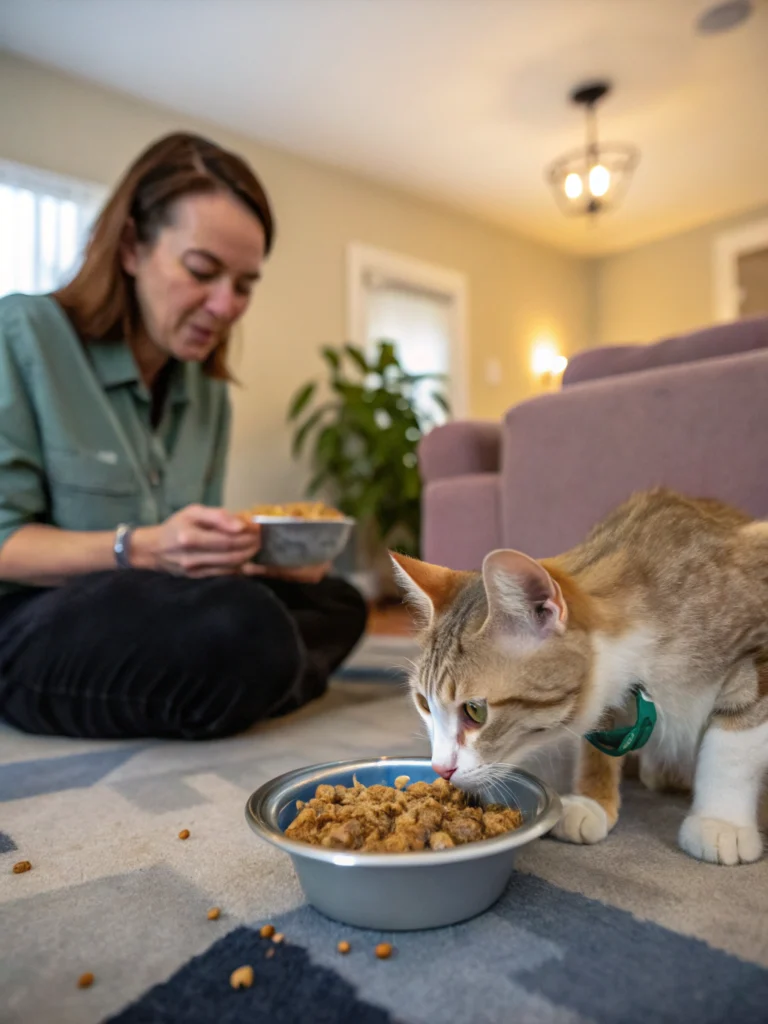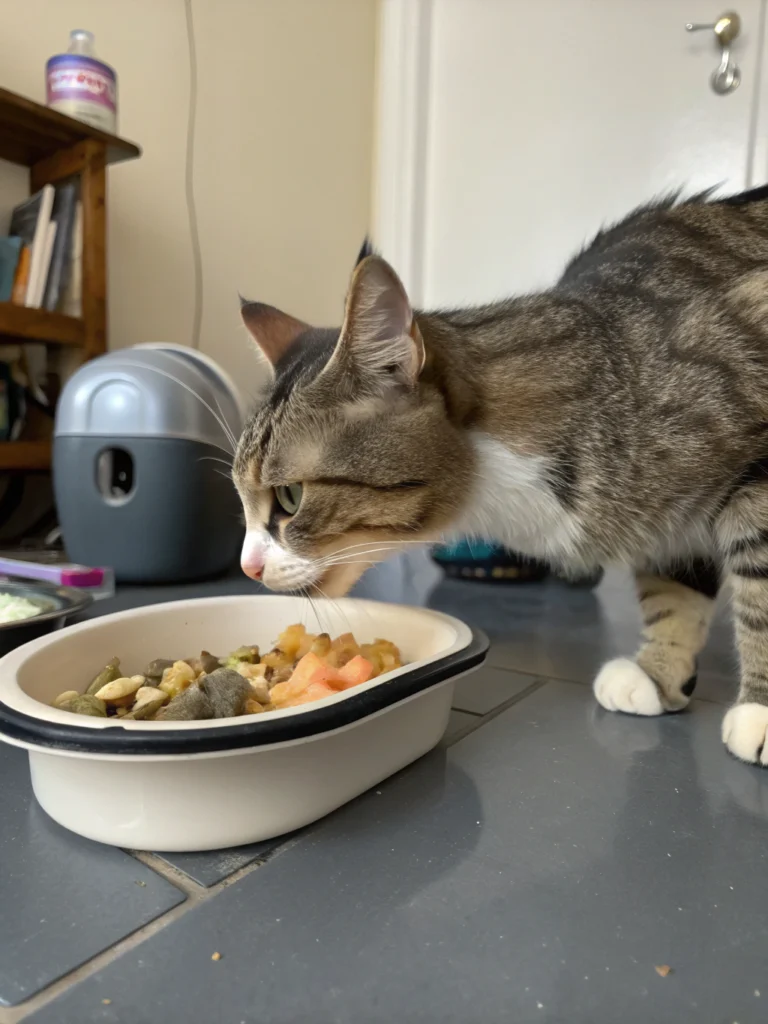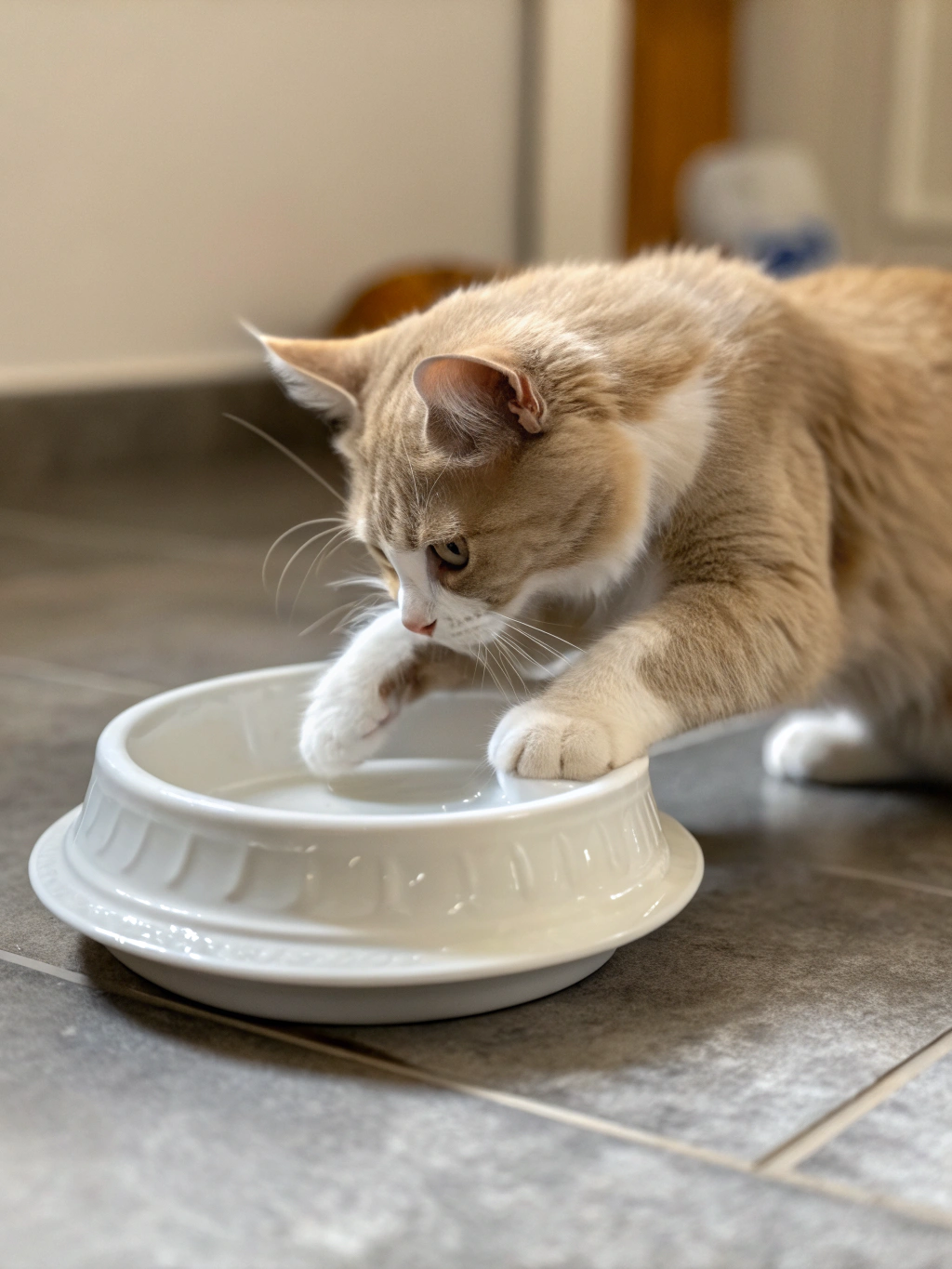
Quick way to grow cat play behavior with 10 toys
Quick way to grow cat play behavior with 10 toys
Table of Contents
Quick Way to Grow Cat Play Behavior with 10 Toys
Introduction
Did you know that cats who engage in just 15 minutes of structured play daily are 40% less likely to develop destructive behaviors? Understanding cat play behavior is crucial for any cat owner who wants a happy, healthy feline companion. Many cat parents underestimate the powerful connection between play and their pet’s mental and physical wellbeing. The truth is, cats are natural hunters, and without proper outlets for these instincts, they can become anxious, overweight, or even aggressive. In this comprehensive guide, we’ll explore how the right toys can transform your cat’s behavior while strengthening your bond. Whether you’re dealing with a lazy lounger or an overly energetic kitten, these proven strategies and carefully selected toys will revolutionize your approach to feline enrichment.
Cat Supplies & Essentials
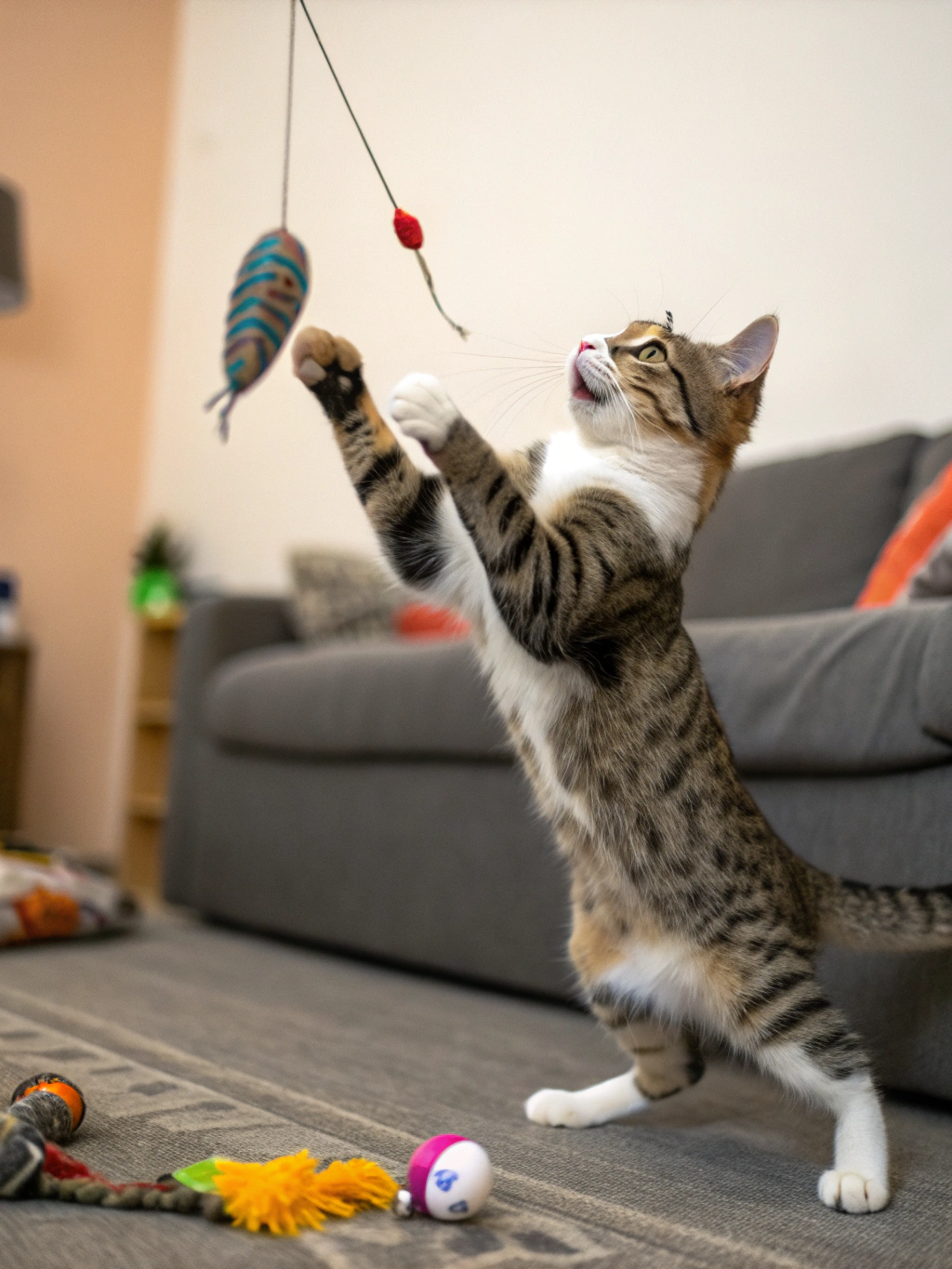
To successfully enhance your cat’s play behavior, you’ll need the right supplies. Here’s a comprehensive list of essentials:
Core Play Items:
- Wand toys with feathers or ribbons – Mimics bird movements and triggers hunting instincts
- Laser pointers – Provides intense cardio exercise and mental stimulation
- Puzzle feeders – Combines play with mealtime for cognitive engagement
- Catnip-filled toys – Natural attractant that encourages active play
- Ball track toys – Independent play option for self-entertainment
- Motorized mice or insects – Battery-powered prey simulation
- Tunnel systems – Creates hiding spots and chase opportunities
- Scratching posts with attached toys – Multi-functional play and maintenance
- Spring toys – Lightweight batting practice for solo sessions
- Crinkle balls – Auditory stimulation combined with physical activity
Supporting Supplies:
- Quality cat food appropriate for your cat’s age and activity level
- Fresh water fountain to encourage hydration after play
- Comfortable resting areas for post-play recovery
- Treat pouches for positive reinforcement
- Toy rotation storage containers
Optional Enhancements:
- Cat shelves or climbing trees for vertical play
- Window perches for bird-watching enrichment
- interactive cat toys with app connectivity
- Outdoor catios for safe environmental exploration
Each item serves a specific purpose in creating a comprehensive play environment that addresses different aspects of feline behavior and natural instincts.
Timeline / Progress Expectations
Understanding realistic timelines helps set proper expectations for behavioral improvements:
Week 1-2: Introduction Phase
- Initial curiosity and exploration of new toys
- Some cats may show immediate interest; others need gradual introduction
- Establish 2-3 daily play sessions of 5-10 minutes each
- Begin identifying which toy types your cat prefers
Week 3-4: Engagement Building
- Increased participation in structured play sessions
- Notice improved appetite and sleep patterns
- Reduction in attention-seeking behaviors like excessive meowing
- Play sessions can extend to 15-20 minutes twice daily
Month 2-3: Behavioral Transformation
- Significant decrease in destructive behaviors (scratching furniture, aggression)
- Enhanced confidence and reduced anxiety symptoms
- Cats begin initiating play independently
- Noticeable improvement in muscle tone and weight management
Long-term (3+ Months)
- Established play routines become habitual
- Stronger bond between cat and owner
- Sustained behavioral improvements and mental sharpness
- Reduced veterinary visits related to stress or obesity
Seasonal considerations: Indoor cats may need more intense play during winter months when natural stimulation decreases. Senior cats (7+ years) typically show slower progress but still benefit significantly from consistent engagement.
Step-by-Step Instructions
Step 1: Assess Your Cat’s Play Preferences
Begin by observing your cat’s natural behaviors. Does your feline stalk and pounce, chase and bat, or prefer puzzle-solving activities? Spend 2-3 days noting these tendencies. Try offering different toy types—wand toys, balls, and puzzle feeders—for 5-minute intervals and record which generates the most interest. This assessment creates your personalized play blueprint.
Step 2: Create a Structured Play Schedule
Cats thrive on routine. Establish play sessions at the same times daily, ideally before meals to mimic the natural hunt-eat-sleep cycle. Morning play (before you leave for work) and evening sessions (before dinner) work best for most households. Set phone reminders initially until the routine becomes automatic. Consistency is more important than duration—even 10 focused minutes outperforms 30 distracted minutes.
Step 3: Introduce the Hunt Sequence
Effective play mimics natural hunting. Start with slow movements using wand toys or motorized prey, allowing your cat to enter “stalk mode.” Gradually increase speed and unpredictability. Include moments where the “prey” hides behind furniture, encouraging seeking behaviors. Always let your cat “catch” the toy multiple times per session—successful hunts provide crucial psychological satisfaction and prevent frustration.
Step 4: Incorporate Puzzle Feeders
Transform mealtime into play by using puzzle feeders for at least one daily meal. Start with simple designs and gradually increase difficulty as your cat masters each level. This mental stimulation can tire cats as effectively as physical play while slowing eating speeds and preventing digestive issues. Place feeders in different locations to add a seeking element.
Step 5: Rotate Toys Weekly
Cats experience “toy fatigue” when the same items remain constantly available. Divide your toy collection into 3-4 groups and rotate them weekly. Store inactive toys completely out of sight and smell. This rotation maintains novelty and excitement, making “old” toys feel new again. Keep 1-2 favorites permanently available as comfort items.
Step 6: End Sessions Properly
Conclude play with gradually slowing movements, allowing your cat to make a final “kill.” Follow immediately with a small treat or meal, completing the natural hunt-feed-groom-sleep cycle. This proper ending prevents overstimulation and reinforces positive associations with play. Never abruptly stop mid-session, as this can cause frustration and behavioral issues.
Step 7: Monitor and Adjust
Track your cat’s engagement levels, energy changes, and behavioral improvements in a simple journal or phone notes. After 2-3 weeks, evaluate what’s working and adjust accordingly. Some cats need shorter, more frequent sessions; others prefer longer, intensive play. Flexibility based on your individual cat’s responses ensures long-term success.
Health Benefits / Cat Advantages
Implementing structured play with appropriate toys delivers remarkable health benefits:
Physical Health Improvements:
- Weight management: Active cats maintain healthy body condition, reducing diabetes risk by up to 50%
- Cardiovascular fitness: Regular play strengthens heart and lung function
- Joint mobility: Movement prevents arthritis and maintains flexibility, especially crucial for senior cats
- Muscle tone: Hunting behaviors engage core muscles and improve coordination
Mental Health Benefits:
- Stress reduction: Play decreases cortisol levels by up to 30% within weeks
- Cognitive stimulation: Puzzle toys and varied play prevent cognitive decline in aging cats
- Confidence building: Successful “hunts” boost self-esteem, particularly in shy or anxious cats
- Boredom prevention: Mental engagement eliminates destructive behaviors stemming from understimulation
Behavioral Advantages:
- Reduced aggression: Proper energy outlets decrease redirected aggression toward people or other pets
- Improved sleep: Tired cats sleep more soundly, reducing nighttime disturbances
- Enhanced socialization: Interactive play strengthens human-animal bonds
- Litter box consistency: Stress reduction from play often resolves elimination issues
Research from the Journal of Feline Medicine and Surgery indicates that cats engaging in 20+ minutes of daily play show 60% fewer behavioral problems than sedentary cats. Additionally, active cats visit veterinarians 25% less frequently for behavioral and obesity-related issues, saving owners significant healthcare costs.
Alternative Methods & Tips
For Small Living Spaces:
- Utilize vertical space with wall-mounted shelves and climbing posts
- Choose compact toys like crinkle balls and spring toys that don’t require large areas
- Create scheduled “high-intensity” sessions rather than constant free play
- Use doorway-mounted toys to maximize existing architecture
Budget-Friendly Options:
- DIY toys: Paper bags, cardboard boxes, and aluminum foil balls provide excellent enrichment
- Rotate homemade toys weekly to maintain interest
- Feathers on strings (supervised only) replicate expensive wand toys
- Toilet paper rolls stuffed with treats create instant puzzle feeders
Age-Specific Adaptations:
- Kittens (0-12 months): High-energy toys, multiple daily sessions, emphasis on learning appropriate play boundaries
- Adults (1-7 years): Varied toy types, maintain 2 sessions daily, incorporate challenging puzzles
- Seniors (7+ years): Gentler movements, shorter sessions, low-impact toys, emphasis on mental stimulation over physical intensity
Multi-Cat Households:
- Provide duplicate toys to prevent resource guarding
- Conduct individual play sessions to ensure each cat receives adequate attention
- Use separate play areas if cats have different energy levels or play styles
- Monitor for bullying during group play and intervene appropriately
Climate Considerations:
- Hot climates: Schedule play during cooler morning/evening hours, ensure adequate hydration
- Cold climates: Increase indoor enrichment during winter months when outdoor observation opportunities decrease
- Seasonal changes: Adjust play intensity as natural activity levels fluctuate
Common Mistakes to Avoid
Using Hands as Toys
Never encourage your cat to attack hands or feet, even during kittenhood. This teaches inappropriate aggression that’s difficult to correct later. Always redirect to appropriate toys. If your cat attacks your hands, immediately stop interaction and walk away—consistency breaks this habit within 2-3 weeks.
Inconsistent Play Schedules
Sporadic play confuses cats and prevents habit formation. Even when busy, maintain at least one daily session. Skipping days undermines behavioral progress and can lead to regression in problem behaviors like nighttime activity or aggression.
Leaving Out All Toys Constantly
This creates toy fatigue and reduces play motivation. Rotate toys weekly and put away wand toys and string-based items after supervised sessions to prevent accidental ingestion or strangulation hazards.
Not Letting Cats “Win”
Constantly keeping toys out of reach frustrates cats and discourages participation. Ensure multiple successful “catches” per session. The hunt-capture-kill sequence must complete for psychological satisfaction.
Overfeeding Treats During Play
While treats can reinforce play, excessive use leads to weight gain and reduces effectiveness. Use treats sparingly—no more than 10% of daily caloric intake. Consider using portion of regular meals as play rewards instead.
Ignoring Safety Concerns
Regularly inspect toys for damage, removing any with loose parts, sharp edges, or strings that could be swallowed. Replace worn items promptly. Never leave cats unattended with laser pointers, strings, or small detachable components.
Stopping Play Too Abruptly
Ending sessions without proper cool-down creates frustration and can trigger aggressive redirected behavior. Always gradually slow the “prey” movements and allow a final capture before concluding.
One-Size-Fits-All Approach
Each cat has unique preferences and energy levels. What works for your friend’s cat may not suit yours. Observe, adapt, and personalize your approach based on your individual cat’s responses and personality.
Storage & Maintenance Tips
Toy Storage Best Practices:
- Use sealed containers to maintain scent freshness and protect from dust
- Label rotation groups (Week 1, Week 2, etc.) for easy implementation
- Store wand toys vertically to prevent string tangling
- Keep batteries separate from electronic toys when not in use to preserve lifespan
- Designate a specific storage area away from your cat’s access
Cleaning Routines:
- Weekly: Wipe down hard plastic toys with pet-safe disinfectant
- Bi-weekly: Wash fabric toys in hot water without fabric softener
- Monthly: Deep clean puzzle feeders, removing all food residue
- Quarterly: Inspect all toys for wear, replacing damaged items
- Daily: Quick visual check for broken parts or hazards
Litter Box Maintenance (Supporting Play Success):
- Scoop daily, completely change litter weekly
- Wash boxes monthly with mild soap and hot water
- Maintain one box per cat plus one extra
- Place boxes away from play areas to prevent negative associations
Food and Water Station Care:
- Wash food bowls daily in hot, soapy water
- Clean water fountains twice weekly, replacing filters monthly
- Store dry food in airtight containers in cool, dry locations
- Check expiration dates monthly and rotate stock
Seasonal Maintenance:
- Spring: Deep clean all play areas, inspect for winter damage
- Summer: Check battery-operated toys stored in heat
- Fall: Prepare indoor enrichment for coming winter months
- Winter: Increase toy rotation frequency to combat seasonal boredom
Proper maintenance extends toy lifespan, ensures safety, and maintains your cat’s interest in play objects, ultimately protecting your investment while safeguarding your pet’s health.
Conclusion
Transforming your cat’s play behavior isn’t just about entertainment—it’s a fundamental component of responsible, loving pet ownership. By implementing these strategies with the 10 recommended toy types, you’ll witness remarkable improvements in your feline’s physical health, mental wellbeing, and overall behavior. Remember that consistency matters more than perfection; even small daily efforts compound into significant long-term benefits. The investment of just 15-20 minutes daily yields returns in reduced veterinary costs, prevented property damage, and most importantly, a deeper bond with your companion. Start today by selecting 2-3 toys from different categories and establishing your first play session. Document your journey, celebrate small victories, and adjust as needed. Your cat’s natural instincts are waiting to be engaged—all they need is your commitment and the right tools. Share your progress with fellow cat lovers and explore our related guides on feline behavior for even more insights into creating the perfect environment for your furry friend!
FAQs
How long should daily play sessions last for optimal results?
Most cats benefit from 15-20 minutes of active play divided into 2-3 sessions daily. However, kittens may need 3-4 shorter sessions (5-10 minutes), while senior cats often prefer two gentle 10-minute sessions. Quality matters more than quantity—focused, engaging play is more effective than prolonged, distracted sessions. Watch for signs of fatigue like heavy panting or lying down mid-play, and adjust duration accordingly.
What should I do if my cat shows no interest in any toys?
Start by ruling out health issues with a veterinary check-up, as pain or illness reduces play drive. Try offering toys at different times, particularly before meals when hunting instincts are strongest. Experiment with various textures, sounds, and movements—some cats prefer crinkly sounds, others visual stimulation. Consider using catnip or silvervine to initially attract interest. Most importantly, be patient; cats from shelter or outdoor backgrounds may need weeks to learn that play is safe and rewarding.
Can I use laser pointers without causing frustration?
Yes, with proper technique. The key is always ending laser sessions by directing the light to a physical toy your cat can “catch,” followed immediately by a treat. This completes the hunt sequence psychologically. Limit laser play to 5 minutes within longer sessions, and never shine it in eyes. Some behaviorists recommend avoiding lasers entirely for cats prone to obsessive behaviors or anxiety.
How do I know which toy type my cat will prefer?
Cat play styles generally fall into three categories: hunters (prefer wand toys and motorized prey), wrestlers (enjoy kickable toys and stuffed items), and thinkers (prefer puzzle feeders and treat-dispensing toys). Observe your cat’s natural behaviors—stalkers are typically hunters, cats who grab and kick are wrestlers, and food-motivated cats are thinkers. Purchase one toy from each category initially, then invest more heavily in the preferred type. Many cats enjoy variety, so maintaining some diversity prevents boredom.
Are expensive high-tech toys worth the investment?
Sometimes, but not always. While app-connected toys and sophisticated automated devices can provide excellent enrichment, many cats equally enjoy simple, inexpensive options like crinkle balls or cardboard boxes. The best approach is starting with budget-friendly variety to identify preferences, then investing in higher-quality versions of favored toy types. Expensive items excel for busy owners who need automated solutions, but they should supplement, not replace, interactive human-cat play sessions that build crucial bonds.