Proven Way to Grow: 5 Cat Separation Anxiety Tips
Proven Way to Grow: 5 Cat Separation Anxiety Tips
Understanding and Managing Cat Separation Anxiety: A Complete Guide
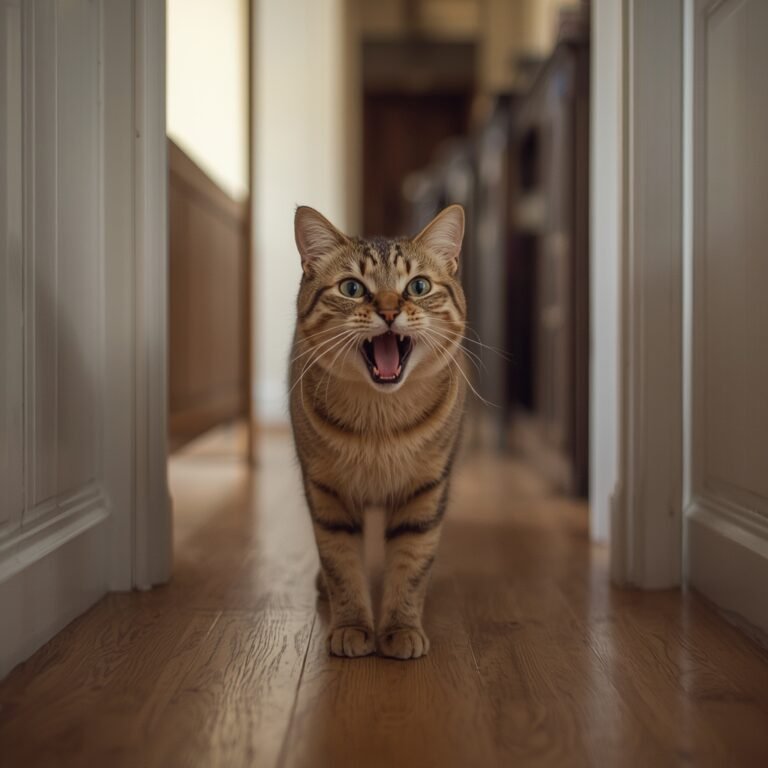
Does your feline friend become distressed when you leave home? Many cat owners mistakenly believe that their independent pets don’t mind being left alone, but the truth is that many cats develop cat separation anxiety when their human companions are away. This emotional response can manifest in destructive behaviors, excessive vocalization, or inappropriate elimination. If you’re dealing with an anxious cat, understanding the underlying causes and implementing effective strategies can make a world of difference in your pet’s emotional well-being and your home environment.
Cat Supplies & Essentials
To help manage your cat’s separation anxiety, you’ll need:
1. Interactive toys – Puzzle feeders and motion-activated toys provide mental stimulation
2. Comfort items – Beds, blankets, or clothing with your scent
3. Calming aids – Pheromone diffusers like Feliway or calming collars
4. Treat dispensers – To distract and reward during departures
5. Scratching posts – Multiple options for stress relief
6. Hiding spaces – Cat caves, covered beds, or cardboard boxes
7. Window perches – To provide environmental enrichment
8. Optional: Automatic feeders – To maintain routines while you’re away
Timing / Progress Expectations
Managing separation anxiety requires patience and consistency. Most cats show initial improvement within 2-3 weeks, though complete resolution may take 2-3 months for severe cases. Expect progress to follow these stages:
1. Weeks 1-2: Initial adjustment to new routines and environment enrichment
2. Weeks 3-4: Reduced anxious behaviors during brief absences
3. Weeks 5-8: Gradually increasing comfort with longer alone time
4. Months 3+: Maintenance and continued improvement
Remember that setbacks are normal, especially after changes in routine or environment.
Step-by-Step Instructions

1. Identify triggers – Monitor your cat’s behavior to recognize when cat separation anxiety begins (often starts when you pick up keys or put on shoes).
2. Create a safe space – Designate a comfortable area with your cat’s favorite toys, bedding, and hiding spots.
3. Establish consistent routines – Feed, play, and interact at the same times daily, even on weekends.
4. Practice desensitization:
– Start with brief departures (5-10 minutes)
– Gradually increase time away
– Don’t make a big deal about leaving or returning
5. Provide environmental enrichment:
– Leave puzzle toys filled with treats
– Play calming music or television for background noise
– Ensure access to window views
6. Consider pheromone therapy – Install Feliway diffusers in main living areas.
7. Implement departure cues – Establish a special toy or treat only given when you leave.
Health Benefits / Cat Advantages
Addressing separation anxiety improves your cat’s quality of life by:
– Reducing stress hormones that can compromise immune function
– Preventing stress-related digestive issues
– Eliminating self-harming behaviors like excessive grooming
– Improving sleep quality and overall mood
– Strengthening the human-animal bond through positive association
– Creating a more harmonious home environment
Tips & Alternative Methods
– Pet sitters or visitors – Having someone check in briefly can break up long periods alone
– Cat television – Videos designed for cats with birds or fish scenes
– Companion animals – Some cats benefit from having another feline friend
– Gradual schedule changes – If your work schedule changes, adjust gradually
– Body wraps – Anxiety wraps like Thundershirts provide gentle pressure that calms some cats
– Background sounds – White noise machines can mask outside triggers
Common Mistakes to Avoid

1. Punishment – Never punish anxious behaviors as this increases stress
2. Inconsistent schedules – Unpredictable routines worsen anxiety
3. Emotional departures – Long goodbyes signal that leaving is a big deal
4. Ignoring medical causes – Some physical conditions can mimic anxiety symptoms
5. Rushing the process – Trying to progress too quickly can cause setbacks
6. Relying solely on medication – Behavioral modification should accompany any prescribed treatments
Maintenance Tips
– Conduct periodic “practice” departures even after improvement
– Maintain regular play sessions to build confidence
– Refresh environmental enrichment regularly with new toys
– Continue with calming aids during stressful periods (holidays, visitors)
– Monitor for regression during life changes or moves
Conclusion
Managing cat separation anxiety requires understanding, patience, and consistent implementation of behavioral strategies. By creating a secure environment, establishing predictable routines, and gradually desensitizing your anxious cat to your departures, you can significantly improve their emotional well-being and strengthen your bond. Remember that each cat is unique, so be prepared to adjust your approach based on your pet’s individual response. Share your experiences and successes in the comments below, or explore our related posts on cat behavior and enrichment for more insights.
FAQs
How can I tell if my cat has separation anxiety or just regular behavioral issues?
Separation anxiety behaviors specifically occur when you’re preparing to leave or when you’re absent. Look for patterns of destructive behavior, excessive vocalization, inappropriate elimination, or excessive grooming that align with your absences.
Is medication necessary for treating cat separation anxiety?
Not always. Many cases respond well to environmental modifications and behavior training. However, severe cases may benefit from temporary medication prescribed by a veterinarian alongside behavioral therapy.
Can older cats develop separation anxiety suddenly?
Yes, separation anxiety can develop at any age, often triggered by changes in routine, environment, or health status. Senior cats may be particularly vulnerable after household changes.
Will getting another cat help with separation anxiety?
It depends on the cat. Some anxious cats benefit from feline companionship, while others become more stressed. Introduce any new pets gradually and with professional guidance.
How long can cats be left alone without developing anxiety?
Most adult cats can handle 8-10 hours alone if properly prepared with enrichment, but this varies by individual. Some cats show signs of distress after just a few hours, while others remain content for longer periods.