Quick way to grow: 7 Tips to Stop Cat Scratching Behavior
Quick way to grow: 7 Tips to Stop Cat Scratching Behavior
Table of Contents
Quick Way to Grow: 7 Tips to Stop Cat Scratching Behavior
Introduction
Did you know that nearly 75% of cat owners report furniture damage caused by their feline companions? Understanding cat scratching behavior is crucial for maintaining harmony in your home while respecting your pet’s natural instincts. Scratching isn’t just a destructive habit—it’s a fundamental feline behavior that serves multiple purposes, from marking territory to maintaining claw health. Many cat owners struggle with finding the balance between allowing natural behaviors and protecting their belongings. This comprehensive guide will walk you through seven proven strategies to redirect your cat’s scratching habits toward appropriate outlets, ultimately creating a happier environment for both you and your furry friend.
Cat Supplies & Essentials
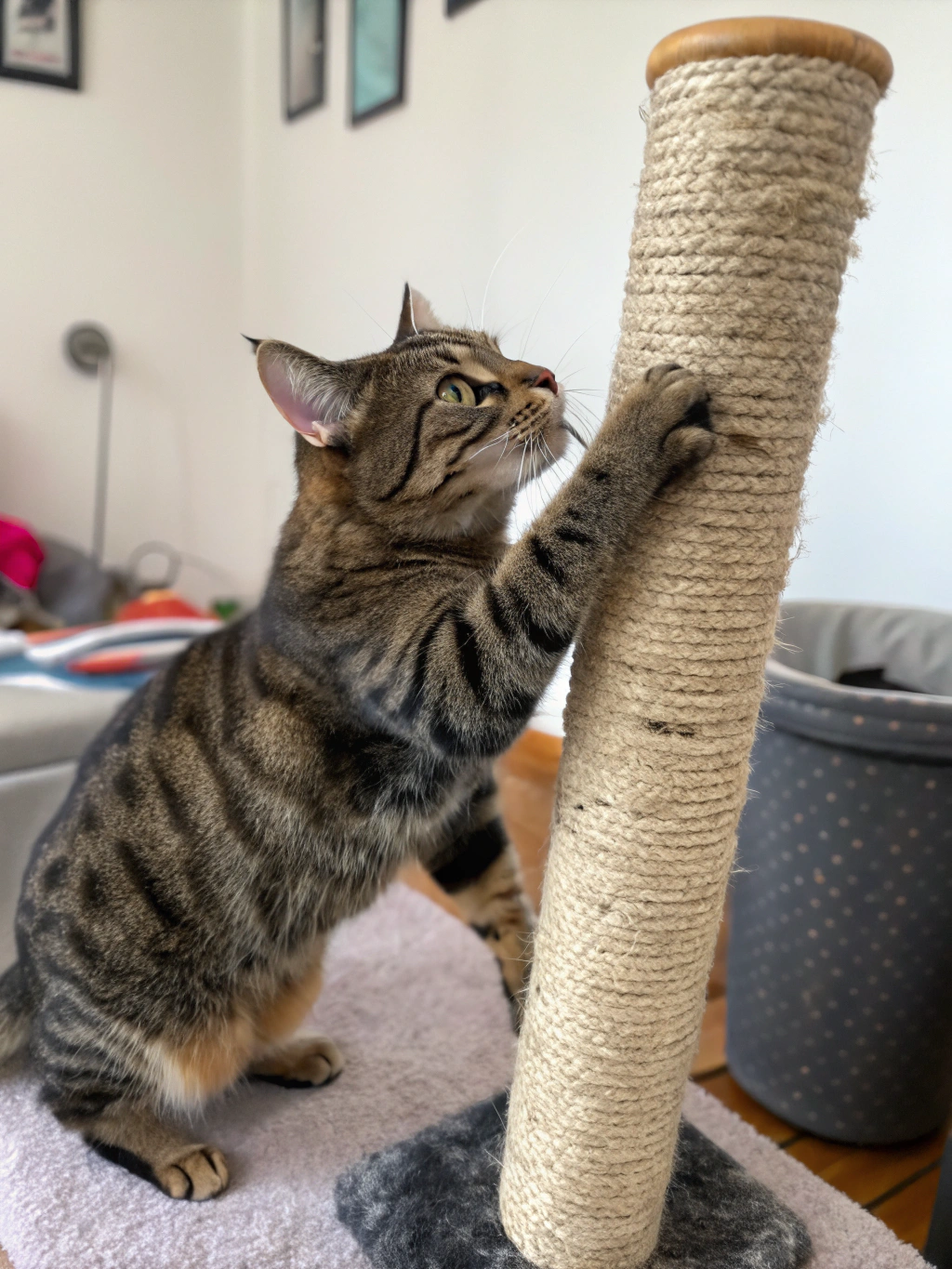
To effectively stop cat scratching on inappropriate surfaces, you’ll need the right supplies:
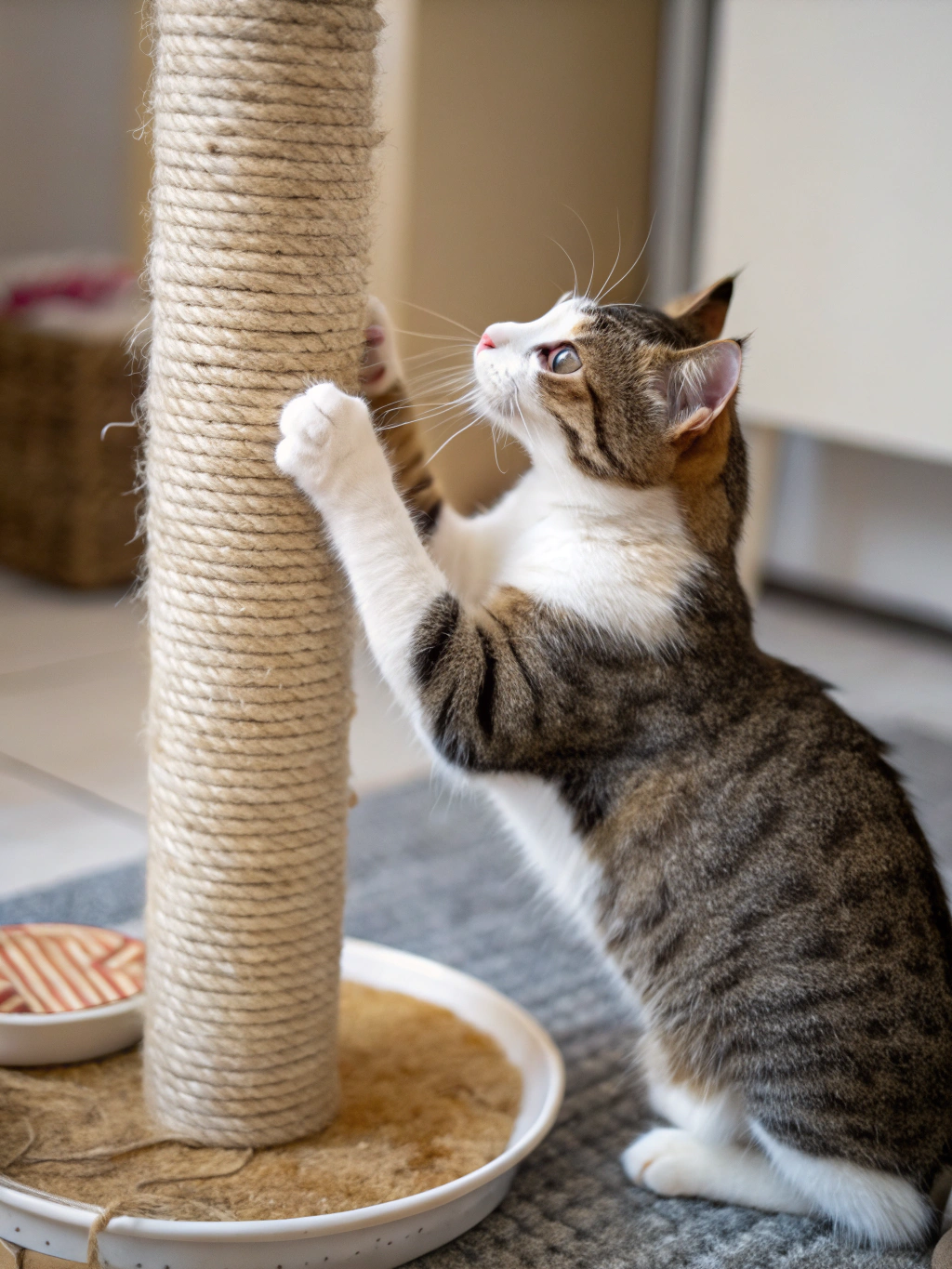
Scratching Posts: Essential vertical surfaces covered in sisal rope or cardboard that provide ideal texture for claw maintenance. Place multiple posts throughout your home, particularly near areas where your cat currently scratches.
Horizontal Scratchers: Flat scratching pads that accommodate cats who prefer horizontal scratching positions. These work especially well for senior cats or those with mobility issues.
Cat Trees: Multi-level structures that combine scratching surfaces with climbing opportunities, satisfying multiple natural behaviors simultaneously. Opt for sturdy models at least 30 inches tall.
Scratch Deterrent Spray: Non-toxic formulas that discourage scratching on furniture without harming your cat. Look for citrus-based or herbal options.
Nail Caps: Soft silicone covers that blunt claws temporarily, preventing damage while you train proper scratching habits. These last 4-6 weeks per application.
Catnip and Silvervine: Natural attractants to encourage use of appropriate scratching surfaces. Spray or sprinkle on new scratching posts.
Nail Clippers: Regular trimming reduces damage potential. Choose cat-specific clippers with safety guards.
Double-Sided Tape: Temporary furniture protection that cats dislike touching, redirecting them to acceptable surfaces.
Interactive Toys: Feather wands and laser pointers help burn excess energy that might otherwise fuel destructive scratching.
Treats and Rewards: Positive reinforcement tools essential for training and behavior modification.
Timeline / Progress Expectations
Understanding the timeline for behavior modification helps set realistic expectations. Most cats show noticeable improvement in their cat scratching behavior within 2-4 weeks of consistent training.
Week 1: Introduction phase where you’ll establish new scratching posts and begin deterring inappropriate scratching. Expect resistance and testing behaviors as your cat adjusts to new boundaries.
Week 2-3: Consistency period requiring vigilant redirection every time inappropriate scratching occurs. Many cats begin showing preference for appropriate surfaces during this window, with success rates of approximately 60%.
Week 4-6: Habit formation stage where new behaviors become established. Studies show that 80% of cats adopt preferred scratching surfaces within this timeframe when owners maintain consistent training protocols.
Week 8+: Maintenance phase where occasional reminders may be necessary, but behaviors are largely established. Long-term success rates exceed 90% when appropriate outlets remain available.
Daily investment during the first month typically requires 10-15 minutes of active training and supervision. Seasonal considerations include increased scratching during spring and fall when cats naturally shed more and engage in increased territorial marking behaviors.
Step-by-Step Instructions to Redirect Scratching
Step 1: Identify Current Scratching Preferences
Observe which surfaces your cat targets—vertical or horizontal, texture preferences (carpet, wood, fabric), and location patterns. Take notes over 3-5 days to establish clear patterns. This information guides your scratching post selection, ensuring higher success rates.
Step 2: Position Scratching Posts Strategically
Place appropriate scratching surfaces within 2-3 feet of currently targeted areas. Cats scratch for territory marking and after sleeping, so position posts near sleeping areas, entry points, and high-traffic zones. Stability is crucial—wobbly posts discourage use.
Step 3: Make Target Furniture Unappealing
Apply double-sided tape, aluminum foil, or plastic carpet runners (nubby side up) to previously scratched areas. Combine with deterrent sprays for maximum effectiveness. These temporary measures typically require 3-4 weeks before removal.
Step 4: Attract Cats to Appropriate Surfaces
Rub catnip or silvervine on new scratching posts. Demonstrate scratching motions yourself, or gently place your cat’s paws on the post while rewarding with treats. Never force—patience and positive associations are key.
Step 5: Reward Appropriate Scratching Immediately
When you catch your cat using proper scratching surfaces, provide immediate verbal praise and treats. This positive reinforcement strengthens the desired behavior. Consistency during the first two weeks is critical for long-term success.
Step 6: Maintain Regular Nail Care
Trim your cat’s nails every 2-3 weeks, removing just the sharp tip. Regular trimming reduces damage potential and decreases the urgency of scratching behavior. Pair nail trimming with treats to create positive associations.
Step 7: Provide Environmental Enrichment
Bored cats often develop excessive scratching habits. Ensure your cat receives 20-30 minutes of daily interactive play, puzzle feeders for mental stimulation, and window perches for environmental observation. Well-exercised cats exhibit fewer destructive behaviors.
Health Benefits / Cat Advantages
Understanding proper cat scratching behavior management provides numerous health benefits for your feline companion:
Physical Health: Scratching maintains optimal claw health by removing dead outer nail layers, preventing ingrown nails that occur in 8% of cats without appropriate scratching outlets. Regular scratching also provides essential stretching for shoulder, back, and leg muscles.
Mental Wellbeing: Scratching releases endorphins and serves as stress relief. Research indicates cats with adequate scratching opportunities show 45% fewer anxiety-related behaviors like excessive grooming or inappropriate elimination.
Territorial Security: Marking territory through scratching (via scent glands in paw pads) provides psychological comfort. Multi-cat households particularly benefit, as designated scratching areas reduce inter-cat conflict by 35%.
Exercise and Mobility: Vertical scratching posts encourage stretching and climbing, maintaining flexibility and muscle tone. Senior cats using regular scratching posts show improved mobility and joint health.
Behavioral Stability: Cats with appropriate scratching outlets demonstrate more balanced temperaments, reduced aggression, and stronger human-animal bonds. Studies show properly enriched cats engage in 60% more positive human interactions.
Alternative Methods & Tips
For Small Living Spaces: Wall-mounted scratching boards save floor space while providing vertical scratching surfaces. Door-hanging scratchers utilize otherwise unused vertical space effectively.
Budget-Conscious Options: DIY cardboard scratchers cost under $10 to create. Wrap sisal rope around PVC pipes or wood posts for affordable custom scratchers. Corrugated cardboard boxes turned on their side serve as excellent temporary solutions.
Multi-Cat Households: Provide one scratching post per cat plus one extra to prevent resource guarding. Different textures and positions accommodate varying preferences, reducing territorial conflicts.
For Declawed Cats: While scratching behavior persists after declawing, soft scratching pads provide the stretching benefits without nail maintenance needs. These cats still require appropriate outlets for marking and stretching behaviors.
Climate Considerations: In humid environments, sisal and carpet scratchers may develop mildew—opt for easily cleaned surfaces or position in well-ventilated areas. Dry climates may require periodic misting of natural fiber posts to maintain appeal.
Age-Specific Approaches: Kittens learn scratching preferences early—introduce appropriate surfaces by 8 weeks. Senior cats benefit from horizontal or angled scratchers that accommodate reduced mobility.
Personality-Based Solutions: Confident cats prefer tall, prominent scratching posts in main living areas. Shy cats need scratchers in quiet, safe locations. Energetic cats benefit from combination cat trees with multiple activity options.
Common Mistakes to Avoid
Punishment After the Fact: Scolding cats for previous scratching doesn’t work—they cannot connect punishment with earlier actions. This damages trust without modifying behavior. Instead, focus exclusively on positive reinforcement for appropriate scratching.
Insufficient Scratching Options: Providing only one scratching post for multiple rooms sets your cat up for failure. Expect to need 3-5 scratching surfaces minimum throughout your home.
Wrong Post Stability: Wobbly scratching posts create negative associations. Cats require stable surfaces that support their full body weight during vigorous scratching sessions. Invest in heavy, well-constructed options or secure posts to walls.
Improper Height: Scratching posts shorter than 24 inches prevent full body stretching, reducing appeal. Cats need to fully extend their bodies during scratching for maximum satisfaction and muscle engagement.
Inconsistent Redirection: Allowing inappropriate scratching sometimes while discouraging it other times confuses cats and delays behavior modification. Consistency is absolutely essential—redirect every inappropriate scratching attempt during the training period.
Neglecting Nail Maintenance: Long nails increase scratching intensity and damage potential. Cats with overgrown nails often scratch more frequently seeking relief, creating a counterproductive cycle.
Removing Scratching Posts Too Soon: Once training succeeds, keep scratching posts permanently available. Removing them often causes regression to previous unwanted scratching locations.
Ignoring Individual Preferences: Not all cats prefer the same scratching angles or materials. If your cat ignores provided scratchers, experiment with different textures, orientations, and positions rather than persisting with ineffective options.
Storage & Maintenance Tips
Proper maintenance of scratching supplies ensures long-term effectiveness and hygiene:
Weekly Cleaning: Vacuum scratching posts and pads to remove loose fur, dander, and debris. This maintains appeal and prevents allergen buildup that affects 15% of cat households.
Monthly Deep Cleaning: For washable scratchers, clean with pet-safe enzymatic cleaners. Cardboard scratchers should be replaced when heavily shredded—typically every 4-8 weeks depending on usage intensity.
Catnip Refreshing: Reapply catnip or silvervine monthly to maintain attractiveness, particularly during the initial training period. Store catnip in sealed containers in cool, dark locations to preserve potency.
Structural Inspection: Check scratching post stability monthly, tightening bolts and reinforcing bases as needed. Unstable posts lose effectiveness and may cause injury.
Rotation Strategy: For households with multiple scratchers, rotate positions every 2-3 months to maintain novelty and prevent boredom with specific locations.
Storage Best Practices: Store replacement scratchers in dry areas to prevent moisture damage to sisal, carpet, or cardboard materials. Keep spare nail caps, clippers, and deterrent sprays organized in a dedicated pet care supply area.
Seasonal Considerations: During peak shedding seasons (spring and fall), increase cleaning frequency to weekly deep maintenance. Consider having backup scratchers available for quick replacement during high-use periods.
Scratching Post Lifespan: Quality sisal posts last 1-3 years with proper maintenance, while cardboard scratchers need replacement every 2-3 months. Budget for regular replacements to maintain effectiveness.
Conclusion
Successfully managing cat scratching behavior requires understanding that scratching is natural, healthy, and necessary for your feline companion. By providing appropriate outlets, using positive reinforcement, and maintaining consistent training approaches, you can protect your furniture while respecting your cat’s instinctual needs. The seven strategies outlined in this guide—from strategic scratcher placement to regular nail maintenance—create a comprehensive approach that addresses the root causes of unwanted scratching. Remember that success typically requires 2-4 weeks of consistent effort, with long-term success rates exceeding 90% when proper techniques are maintained.
FAQs
Why does my cat scratch furniture even with scratching posts available?
Location and post characteristics often explain this behavior. Cats prefer scratching near territorial boundaries, sleeping areas, and high-traffic zones. If your post is tucked in a corner away from these areas, your cat will choose more strategically located furniture. Additionally, post stability, height (minimum 24 inches), and texture matter significantly—experiment with different materials and positions to find your cat’s preferences.
How many scratching posts does one cat need?
Veterinary behaviorists recommend a minimum of three scratching surfaces per cat, distributed throughout your home. Multi-cat households should provide one per cat plus extras to prevent resource competition. Strategic placement matters more than quantity—ensure posts near sleeping areas, room entrances, and currently targeted furniture.
Can I train an older cat to use scratching posts?
Absolutely! While kittens learn faster, cats of any age can adopt new scratching habits with patient, consistent training. Older cats typically require 4-6 weeks versus 2-3 weeks for kittens. Use high-value treats, extended patience, and positive reinforcement exclusively. Success rates for senior cats exceed 75% with proper technique.
Are nail caps safe for long-term use?
Veterinary-grade nail caps are safe for extended use when properly applied and regularly replaced every 4-6 weeks. They don’t interfere with natural claw retraction or cause discomfort. However, they should complement—not replace—behavior modification training, as they address symptoms rather than underlying scratching needs.
What’s the best scratching post material?
Individual preferences vary, but research indicates 60% of cats prefer sisal rope, 25% favor corrugated cardboard, and 15% like carpet textures. Offer multiple materials initially to identify your cat’s preference. Sisal provides durability and satisfying resistance, while cardboard offers affordability and easy replacement. Avoid posts covered in material similar to your furniture to prevent confusion.