Quick way to grow cat litter box behavior: 5 tips Cat litter box behavior
Quick way to grow cat litter box behavior: 5 tips Cat litter box behavior
Table of Contents
Quick Way to Grow Cat Litter Box Behavior: 5 Tips
Introduction
Did you know that approximately 10% of all cats develop elimination problems at some point in their lives, with litter box issues being the number one behavioral reason cats are surrendered to shelters? Understanding and improving cat litter box behavior isn’t just about convenience—it’s about ensuring your cat’s health, happiness, and your long-term bond. Whether you’re dealing with accidents outside the box, avoidance behaviors, or inconsistent use, addressing these challenges quickly and effectively can transform your household.
Cat Supplies & Essentials
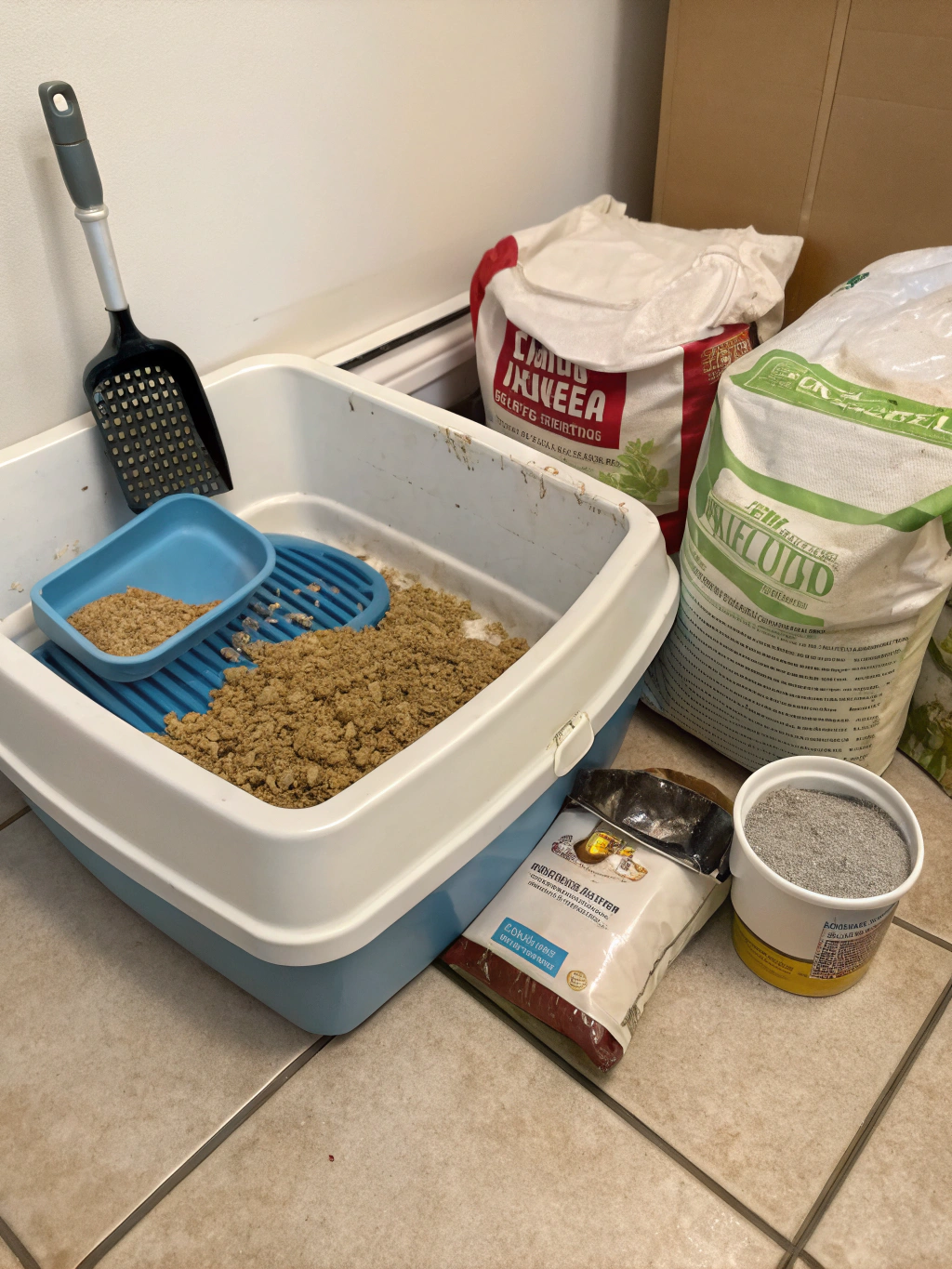
Creating an optimal litter box environment starts with having the right supplies. Here’s what every cat owner needs to support healthy litter box habits:
Litter Boxes: The golden rule is one box per cat, plus one extra. Choose boxes that are at least 1.5 times your cat’s length for adequate space. Uncovered boxes are generally preferred as they provide better ventilation and escape routes, reducing anxiety.
Cat Litter: Unscented, clumping clay litter is most popular, though some cats prefer fine-grain, sand-like textures. Avoid heavily perfumed options that may deter sensitive cats.
Litter Scoops: Invest in a sturdy metal scoop with appropriate slot sizes for your litter type. Daily scooping is essential for maintaining hygiene.
Litter Mats: Place these under and around boxes to reduce tracking and keep surrounding areas clean.
Enzymatic Cleaners: These specialized cleaners break down urine proteins and eliminate odors that might attract repeat accidents outside the box.
Multiple Locations: If you have a multi-level home, ensure boxes are accessible on each floor.
Optional Additions: Litter liners (though some cats dislike them), litter deodorizers (use sparingly), and storage containers for litter to maintain freshness.
Timeline / Progress Expectations
Understanding the timeline for improvement helps set realistic expectations and maintains your commitment to the process.
Week 1-2: Initial assessment and environmental modifications. You’ll implement changes to litter type, box placement, and cleaning routines. Some cats respond immediately, while others need observation time.
Week 3-4: Most cats begin showing measurable improvement in litter box consistency. You should notice fewer accidents and more confident approach behaviors to the litter area.
Week 5-8: Behavioral patterns stabilize. By this point, approximately 80% of cats with non-medical litter box issues show significant improvement when proper interventions are applied consistently.
Ongoing Maintenance: Continue successful strategies indefinitely. Cats thrive on routine, and maintaining optimal litter box conditions prevents relapse.
Daily Routine: Scoop all boxes at least once daily, preferably twice for multiple-cat households.
Weekly Routine: Completely change litter and wash boxes with mild, unscented soap weekly.
Monthly Routine: Evaluate box placement, litter preferences, and overall setup effectiveness.
Remember that senior cats (10+ years) or those with medical conditions may require 8-12 weeks for complete behavioral adjustment. Patience combined with consistency yields the best results.
Step-by-Step Instructions
Step 1: Conduct a Comprehensive Litter Box Audit
Begin by evaluating your current setup objectively. Count your boxes (remember: one per cat plus one). Assess their size—each should accommodate your cat comfortably with room to turn around. Check placement: boxes should be in quiet, low-traffic areas away from food and water, with easy escape routes. Examine cleanliness standards and identify any potential deterrents like nearby loud appliances or lack of privacy. This audit reveals specific problem areas to address first.
Step 2: Optimize Litter Box Placement and Accessibility
Cats naturally prefer privacy but also need escape options. Place boxes in different locations throughout your home—never cluster them all in one area, as cats perceive this as a single large toilet site. Ensure boxes are easily accessible, especially for kittens, seniors, or cats with mobility issues. Avoid placing boxes near feeding areas or in high-traffic zones where your cat might feel vulnerable.
Step 3: Experiment with Litter Types and Depths
The ideal litter depth is 2-3 inches, allowing cats to dig and cover comfortably without hitting the bottom. If your cat consistently eliminates outside the box, try offering multiple boxes with different litter types simultaneously—clumping clay, non-clumping, crystal, or natural alternatives like pine or wheat. Observe which your cat prefers over several days. Transition gradually by mixing 25% new litter with 75% old, adjusting the ratio weekly.
Step 4: Establish a Rigorous Cleaning Schedule
Cats have extraordinarily sensitive noses—approximately 14 times more powerful than humans. What seems clean to you might be offensively dirty to your cat. Scoop all boxes at least once daily, ideally morning and evening. Perform complete litter changes weekly, washing boxes thoroughly with hot water and mild soap. Avoid ammonia-based or strongly scented cleaners that can deter use or trigger marking behaviors.
Step 5: Address Stress and Environmental Factors
Litter box avoidance often stems from stress or anxiety. Identify potential stressors: new pets, household changes, construction noise, or changes in routine. Provide environmental enrichment through vertical spaces, hiding spots, interactive toys, and predictable feeding schedules. Consider using feline pheromone diffusers near litter areas to create calming associations. If you have multiple cats, ensure adequate resources prevent competition and territorial guarding of litter boxes.
Health Benefits / Cat Advantages
Improving litter box behavior delivers significant health and wellness advantages for your cat:
Urinary Health: Cats who consistently use appropriate litter boxes are less likely to develop urinary tract infections or blockages caused by “holding it” due to box aversion. Studies show that stress-related litter box avoidance can contribute to feline idiopathic cystitis (FIC), affecting up to 1% of the cat population.
Behavioral Wellness: Proper elimination behaviors reduce anxiety and stress. Cats experience psychological distress when unable to fulfill natural instincts, leading to displacement behaviors like excessive grooming or aggression.
Early Disease Detection: Regular litter box use allows you to monitor urine output, color, and consistency—critical indicators of diabetes, kidney disease, or other health conditions. Changes become immediately apparent with consistent box use.
Stronger Human-Animal Bond: Resolving litter box issues eliminates a primary source of frustration between cats and their owners, strengthening your relationship and reducing the risk of rehoming.
Household Harmony: In multi-cat homes, optimized litter box setups reduce territorial conflicts and create peaceful coexistence by ensuring all cats have adequate, non-competitive resources.
Alternative Methods & Tips
For Small Living Spaces: Consider corner litter boxes or furniture-disguised options that maximize floor space while maintaining functionality. Ensure adequate ventilation even in compact designs.
For Multi-Cat Households: Increase resources significantly—aim for number of cats plus two boxes. Create separate “bathroom zones” in different areas to prevent resource guarding.
Budget-Friendly Solutions: Large plastic storage containers make excellent oversized litter boxes at a fraction of the cost. Baking soda can substitute for expensive deodorizers when sprinkled lightly under litter layers.
For Senior Cats: Provide boxes with lower entry sides (3-4 inches) or cut an entrance in high-sided boxes. Place boxes near favorite resting areas to accommodate reduced mobility.
For Kittens: Start with shallow boxes or even flat trays to ensure easy access during learning phases. Graduate to standard boxes as they grow.
Indoor-Outdoor Transition: Cats transitioning to indoor-only life may prefer outdoor substrate initially. Gradually mix outdoor soil or sand with standard litter over 2-3 weeks.
Different Personalities: Bold, confident cats may accept covered boxes, while anxious cats typically prefer open designs. Observe individual preferences rather than applying universal rules.
Common Mistakes to Avoid
Using Covered Boxes Universally: While convenient for humans, covered boxes trap odors and limit escape routes, making many cats uncomfortable. Reserve covered options only for cats who clearly prefer them.
Insufficient Number of Boxes: The most common mistake is too few boxes for the number of cats. This creates competition, stress, and avoidance behaviors.
Irregular Cleaning Schedules: Inconsistent scooping is the second-leading cause of litter box aversion. Cats won’t tolerate dirty conditions humans might overlook.
Punishing Accidents: Never punish your cat for eliminating outside the box. This increases anxiety and worsens the problem while damaging your relationship.
Ignoring Medical Causes: Always rule out urinary tract infections, kidney disease, diabetes, arthritis, or other medical conditions before assuming purely behavioral causes. Schedule a veterinary examination as your first step.
Dramatic Litter Changes: Switching litter types abruptly often causes rejection. Always transition gradually over 1-2 weeks.
Poor Box Placement: Boxes in basements, laundry rooms with loud appliances, or high-traffic hallways often deter use. Prioritize your cat’s comfort over your convenience.
Using Scented Products: Heavily perfumed litters, deodorizers, or nearby air fresheners can overwhelm feline senses and create negative associations.
Storage & Maintenance Tips
Litter Storage: Keep litter in airtight containers to maintain freshness and prevent moisture absorption. Store in cool, dry areas away from food preparation zones.
Box Rotation: Maintain 2-3 boxes per cat and rotate them during deep cleaning. This ensures continuous access while boxes dry completely after washing.
Cleaning Solution: Mix equal parts white vinegar and water for effective, cat-safe cleaning. Rinse thoroughly and allow boxes to dry completely before refilling.
Replacement Schedule: Replace plastic litter boxes every 12-18 months as scratches harbor bacteria and retain odors despite cleaning efforts.
Mat Maintenance: Shake and vacuum litter mats daily, washing weekly with hot water to prevent buildup and odor retention.
Scoop Hygiene: Rinse scoops after each use and allow them to dry completely. Replace worn scoops with bent tines or damaged edges.
Seasonal Considerations: In summer, increased heat can intensify odors—increase cleaning frequency. In winter, ensure boxes aren’t near cold drafts that might deter use.
Organization Systems: Designate specific storage areas for litter supplies, keeping scoops, cleaning products, and replacement litter easily accessible for consistent maintenance.
Conclusion
Transforming your cat’s litter box behavior doesn’t require complicated interventions or expensive products—just understanding, patience, and consistent application of proven strategies. By implementing these five core tips—auditing your setup, optimizing placement, experimenting with litter preferences, maintaining rigorous cleanliness, and addressing environmental stressors—you’ll create conditions where your cat naturally chooses appropriate elimination behaviors. Remember that every cat is unique, so be prepared to adjust strategies based on your individual feline’s responses. Most importantly, always rule out medical causes first and approach this challenge with empathy rather than frustration.
FAQs
How many litter boxes do I really need for my cats?
The veterinary-recommended formula is one litter box per cat, plus one additional box. For example, if you have two cats, you should provide three boxes. This prevents competition, reduces territorial stress, and ensures each cat always has access to a clean option. In multi-level homes, place at least one box on each floor.
Why does my cat suddenly stop using the litter box?
Sudden changes in litter box behavior typically indicate either medical issues (urinary tract infections, kidney disease, arthritis) or environmental stressors (new pets, household changes, dirty boxes). Schedule a veterinary examination first to rule out health problems. If medical causes are eliminated, systematically evaluate recent changes in your home environment, litter type, box placement, or cleaning routines.
What’s the best type of cat litter for preventing litter box problems?
Most cats prefer fine-grained, unscented, clumping clay litter that mimics the texture of sand or soil. However, individual preferences vary significantly. The “best” litter is the one your specific cat consistently uses. If you’re experiencing problems, offer multiple boxes with different litter types simultaneously and observe which your cat prefers over several days before committing to a full transition.
How often should I completely change the litter?
With clumping litter and daily scooping, completely change litter and thoroughly wash boxes weekly. Non-clumping litter requires more frequent complete changes—typically every 3-4 days. However, if you notice persistent odors or your cat shows avoidance behaviors, increase changing frequency regardless of litter type. Cleanliness standards should always prioritize your cat’s sensitive perception over human convenience.
Can I train an outdoor cat to use a litter box indoors?
Yes, though it requires patience and gradual transition. Start by bringing outdoor substrate (soil, sand) indoors in a litter box, placing it near the door your cat typically uses for outdoor access. Once your cat consistently uses this indoor option, gradually mix standard litter with the outdoor substrate over 2-3 weeks, slowly increasing the litter percentage until complete transition. Ensure the box is large, easily accessible, and kept meticulously clean during this training period.