Best way to grow healthy habits with 5 overweight cat care tips
Best way to grow healthy habits with 5 overweight cat care tips
Table of Contents
Understanding Your Cat’s Nutritional Needs: A Weight Management Guide
Introduction
Many cat parents face challenges when it comes to overweight cat care without realizing how common the issue has become. According to the Association for Pet Obesity Prevention, approximately 60% of cats in the United States are classified as overweight or obese. This silent epidemic of feline obesity not only affects your cat’s mobility but can lead to serious health conditions including diabetes, arthritis, and cardiovascular problems. Understanding your cat’s nutritional requirements is the first step toward helping them achieve and maintain a healthy weight while preserving their quality of life and extending their lifespan.
Step-by-Step Instructions for Weight Management
1. Assess Your Cat’s Current Body Condition
Before implementing any weight loss program, determine if your cat truly needs overweight cat care. Veterinarians use a 9-point body condition score where:
– 1-3 represents underweight
– 4-5 represents ideal weight
– 6-9 represents overweight to obese
You should be able to feel your cat’s ribs without pressing hard, and see a waistline when viewed from above.
2. Calculate Appropriate Caloric Intake
Once you’ve confirmed that feline obesity is present, work with your veterinarian to determine the appropriate daily caloric intake. The formula is typically:
– Resting Energy Requirement (RER) = 70 x (ideal weight in kg)^0.75
– Weight loss calories = RER x 0.8
3. Choose the Right Diet
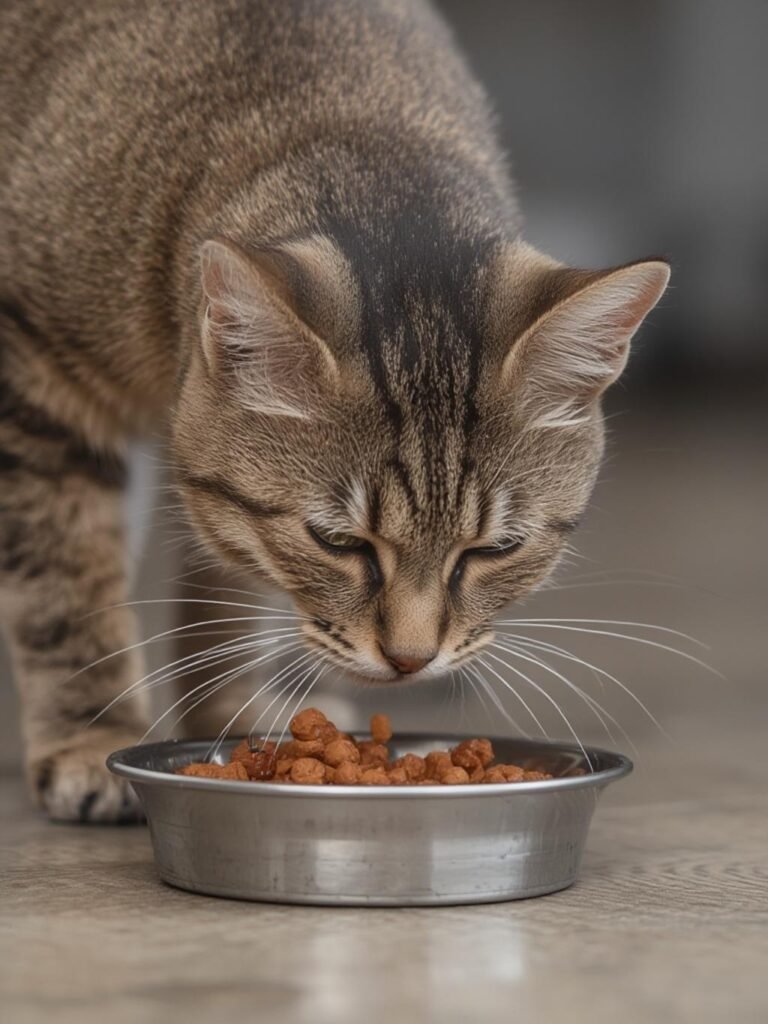
Select a high-protein, moderate-fat, low-carbohydrate diet specifically formulated for weight management. Wet food often provides better satiety with fewer calories than dry kibble.
4. Implement Portion Control
Use a digital kitchen scale to measure food precisely. Split daily portions into 3-4 small meals to help maintain metabolism and reduce begging behaviors.
5. Increase Physical Activity
Incorporate 15-20 minutes of interactive play daily using wand toys, laser pointers, or food puzzles to burn calories and reduce boredom-related eating.
Tips for Successful Weight Management
– Track Progress Weekly: Weigh your cat at the same time each week. Healthy weight loss should not exceed 1-2% of body weight per week.
– Address Treat Habits: Treats should comprise no more than 10% of daily caloric intake. Consider using small pieces of cooked chicken or commercial treats specifically designed for weight management.
– Multi-Cat Households: Feed cats separately to prevent food stealing, or use microchip feeders that only open for specific cats.
– Stay Consistent: Weight management takes time. Most cats require 6-8 months to reach their ideal weight safely.
– Watch for Hepatic Lipidosis: Rapid weight loss can trigger this dangerous liver condition. Contact your vet if your cat stops eating or appears lethargic.
Alternative Methods
Automatic Portion-Control Feeders: These devices dispense precise amounts of food at scheduled times, preventing overfeeding and “free choice” grazing.
Novel Protein Diets: Some cats respond well to diets containing proteins they haven’t previously consumed, which can help reduce inflammation and improve metabolism.
Environmental Enrichment: Creating vertical spaces and activity centers can naturally increase your cat’s movement without structured exercise sessions.
Slow-Feeder Bowls: These specially designed dishes make cats work harder to access their food, slowing consumption and potentially increasing satiety.
Conclusion
Managing overweight cat care requires patience, consistency, and a comprehensive approach that addresses both diet and lifestyle. While the journey may seem challenging, the rewards of helping your feline companion achieve a healthy weight are substantial – including increased energy, improved mobility, and a potentially longer life. Remember that each cat is unique, so what works for one may not work for another. Regular check-ins with your veterinarian will help ensure your strategy for combating feline obesity remains on track. With dedication and the right approach, you can help your cat reach a healthy weight and enjoy a more active, comfortable life for years to come.